Impact of Nourishing Products on Skin Aging: Myths and Truths

Understanding the Role of Nourishment in Skin Health
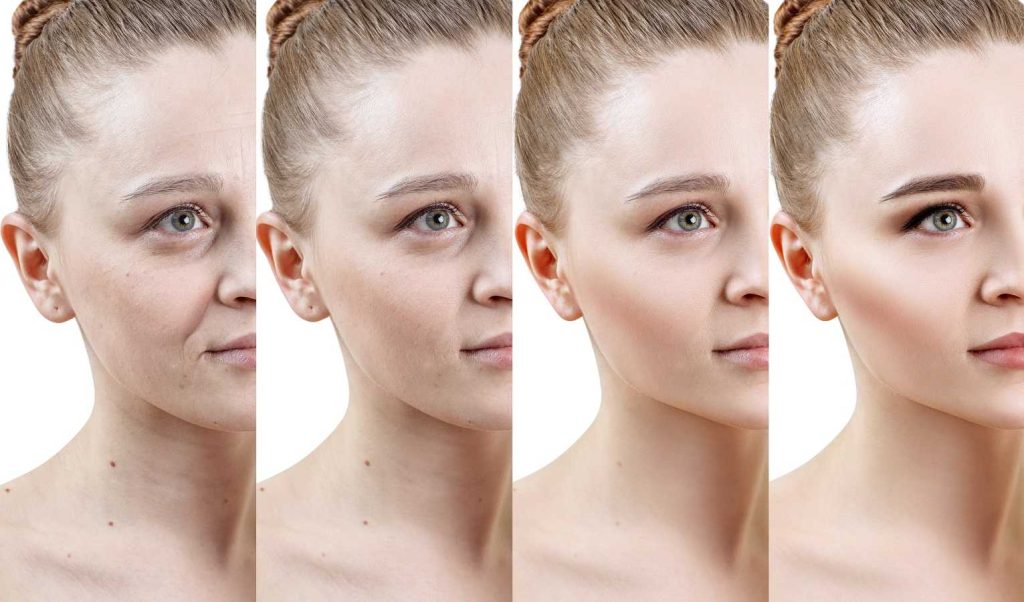
As we evolve through the decades of life, our skin’s structure and appearance inevitably change. Fine lines turn into deeper wrinkles, elasticity wanes, and a once-radiant complexion may develop uneven patches or dullness. In this context, exploring the impact of nourishing products on skin aging becomes not just a cosmetic concern but a vital aspect of overall well-being.
Within this exploration, we are often met with a complex blend of myths and truths surrounding skincare that merit careful examination. One pivotal question arises: does what we eat truly matter as much as the creams we apply? Nutritional science has made strides in demonstrating that a balanced diet rich in vitamins, minerals, and healthy fats can significantly affect skin health. For instance, Omega-3 fatty acids, found in fatty fish like salmon, help to maintain the skin’s lipid barrier, keeping it hydrated and supple. On the other hand, excessive sugar intake has been linked to glycation, a process that can promote skin aging.
- Ingredient Efficacy: Beyond diet, the potency of topical products is also critical. Not all nourishing ingredients are created equal. For example, hyaluronic acid is celebrated for its ability to retain moisture, while vitamin C is known for its antioxidant properties. However, the effectiveness of these ingredients can be influenced by their concentration and formulation.
- Scientific Backing: The beauty industry often touts products with compelling claims, but how much of this is supported by rigorous research? Notably, products containing retinoids—derivatives of vitamin A—have been proven in numerous studies to enhance skin cell turnover, improving both texture and pigmentation.
In the United States, consumers face a barrage of advertisements promising miraculous skin transformations, from lifting creams to serums claiming youthful glow with just a few applications. This saturation of information highlights the essential role of natural ingredients—such as antioxidants from berries, vitamins from leafy greens, and the nourishing effects of oils like jojoba or argan—in truly promoting skin health.
However, the presence of these ingredients is only part of the equation; their formulation matters as well. Products designed with well-researched combinations can significantly enhance their absorption and effectiveness.
As we embark on this journey to disentangle fact from fiction regarding how nourishing products influence skin aging, we uncover valuable insights. It becomes clear that understanding the intersection of diet, quality of topical applications, and scientific validation is crucial for making informed choices toward healthier skin. Each step we take in this quest not only serves the care of our skin but also enriches our overall health and self-esteem.
DISCOVER MORE: Click here to learn about the magic of essential oils in skincare
Peeling Back the Layers: Nutrients and Their Influence on Aging Skin
As research continues to unveil the intricate relationship between nutrition and skin health, consumers are faced with an important realization: nourishing products are not merely topicals but rather essential components of a holistic skincare approach. Understanding how specific nutrients contribute to maintaining skin elasticity and hydration can help demystify the sometimes contradictory information in the beauty industry.
One of the most common myths surrounding skin aging is that topical products alone can counteract the effects of time. While it is crucial to use effective creams and serums, studies show that a well-rounded diet plays an equally vital role. Nutrients such as vitamins A, C, and E, along with minerals like zinc and selenium, are key players in skin regeneration and protection against oxidative stress. For instance, vitamin C not only helps produce collagen but also protects skin cells from damage caused by UV exposure and pollution.
- Healthy Fats: Including omega-3 and omega-6 fatty acids in your diet can significantly impact your skin’s health. These essential fats are vital for maintaining the skin’s barrier function and can help improve moisture retention. Studies indicate that diets rich in fish and nuts can lead to improved skin texture and reduced signs of aging, such as fine lines and dullness.
- Hydration and Skin Elasticity: Staying hydrated is often touted as fundamental for skin health. While drinking enough water is crucial, the moisture levels in your skin are also influenced by what you consume. Foods high in water content, such as cucumbers and watermelon, alongside healthy fats found in olive oil and avocados, contribute to overall skin hydration.
- Sugar and Glycation: On the opposite end of the spectrum, excessive sugar intake is linked to a process known as glycation, which involves the binding of sugar molecules to proteins, including collagen and elastin. This process can weaken skin structure and accelerate the appearance of wrinkles. Reducing sugar and refined carbohydrates might not only support general health but could also contribute to a more youthful appearance.
The explosion of products available in the market today emphasizes the necessity for consumers to evaluate ingredients closely. Natural ingredients such as green tea extract and coenzyme Q10 provide additional antioxidant benefits that help combat oxidative stress. These products, rich in polyphenols and other plant compounds, may work in conjunction with a nutrient-dense diet to enhance the skin’s natural resilience to aging.
While nourishing products can undoubtedly benefit skin health, the journey towards youthful skin encompasses more than just applying creams. It requires a commitment to understanding how what we eat intertwines with our skin’s aging process. The science pointedly suggests that the intersection of diet, topical care, and lifestyle choices can empower consumers to make informed decisions that greatly impact their skin health.
| Myths | Truths |
|---|---|
| 1. All nutrients improve skin health instantly | Skin improvement from nutrients takes time; consistency is key. |
| 2. Products labeled “anti-aging” are miraculous | Many products provide temporary results; *diet and lifestyle* heavily influence aging. |
| 3. Hydration comes solely from topical applications | Proper hydration is achieved through a *balanced diet* and water intake. |
| 4. Antioxidants are only beneficial in external products | Eating antioxidant-rich foods boosts skin health from within. |
The exploration of myths surrounding nourishing products for skin aging reveals the necessity for clear understanding. The belief that all nutrients yield instant results is misleading; in fact, the skin requires time and consistent use of nourishing ingredients to show improvement. Similarly, while products marketed as “anti-aging” often suggest miraculous transformations, *lifestyle factors* like diet and stress levels play pivotal roles in the aging process.Hydration, a critical component of youthful skin, is often misconceived. Relying solely on topical solutions can be ineffective without proper nutritional support. Furthermore, antioxidants emerge as vital allies—not just through creams but through the consumption of foods rich in these compounds, promoting skin vitality from the inside out. Knowledge of these truths equips individuals to make informed decisions regarding their skincare regimen.
DISCOVER: Click here to learn more about skincare protection
Unraveling the Truths: Common Misconceptions in the Nourishing Products Arena
As awareness about the impact of nourishing products on skin aging continues to grow, the market is flooded with claims that can blur the lines between fact and fiction. It’s essential for consumers to sift through the noise to discern the efficacious from the marketing gimmicks. Let’s delve into some prevalent myths and the truths that lie beneath.
One prevalent myth is that all antioxidants are created equal when it comes to fighting skin aging. While antioxidants like vitamin C, vitamin E, and green tea polyphenols possess remarkable qualities in protecting the skin from free radical damage, not all antioxidant-rich products will necessarily yield the same results. For example, research illustrates that formulations featuring stabilized forms of vitamin C can penetrate deeper and provide more significant benefits compared to over-the-counter options containing less effective derivatives. Therefore, it’s crucial to recognize that ingredient sourcing, formulation, and concentration can dramatically alter the efficacy of an antioxidant product.
Another widespread misconception is that a higher price tag guarantees superior results. While some luxury skincare brands harness innovative technologies and high-quality ingredients, paying a premium price does not always translate into better performance. In fact, well-formulated drugstore products often include essential nourishing ingredients at a fraction of the cost. A close examination of ingredient lists, focusing on tried-and-tested components like retinoids for cell turnover and hyaluronic acid for hydration, often reveals that effective solutions need not break the bank.
- Importance of Consistency over Instant Results: Many consumers fall into the trap of expecting immediate results from nourishing products. The reality is that skin cellular turnover is a gradual process, typically taking 28 days for young skin and considerably longer as we age. Persistence and consistent application of nourishing products are essential to observing noticeable improvements over time.
- The Role of Lifestyle Factors: Alongside nourishing products and diet, several lifestyle factors significantly influence skin aging. For example, stress, sleep quality, and environmental factors like pollution can exacerbate the aging process. Implementing stress management techniques, ensuring adequate sleep, and possibly adopting a more outdoor-oriented lifestyle can complement skincare regimens, highlighting the interconnectedness of our overall health and skin integrity.
- Date-Sensitive Ingredients: Consumers often do not consider the importance of using products timely after their purchase. Ingredients such as vitamin C, which is inherently unstable, lose their potency when exposed to air and light. Utilizing products before their expiration date—typically indicated on the packaging—ensures maximum effectiveness, further emphasizing the need for thoughtful use.
Moreover, the growing popularity of natural and organic products does not guarantee superior benefits. While many of these products can be beneficial, some may contain allergens or irritants masked by their natural label. For example, essential oils, though touted for their therapeutic properties, can cause heightened sensitivity in certain individuals. Understanding your skin’s unique needs is crucial in navigating these options successfully.
As the conversation surrounding nourishing products and skin aging evolves, consumers need a comprehensive understanding that spans dietary choices, topical products, and lifestyle habits. By debunking common myths and grasping the essence of truth, individuals can forge a robust skincare regimen that not only focuses on immediate concerns but fosters long-term skin vitality.
DISCOVER: Click here to learn about facial massage techniques
Final Thoughts: Navigating the World of Nourishing Products for Skin Aging
As we peel back the layers of understanding concerning the impact of nourishing products on skin aging, it becomes clear that knowledge is power. Consumers must approach the beauty aisle armed with an awareness of the myths and truths that shape their skincare choices. While antioxidants like vitamin C and hyaluronic acid are indeed beneficial, the effectiveness of these ingredients hinges on their formulation, concentration, and the user’s skin type.
The myth that higher cost equates to higher quality can lead to unnecessary expenditures; effective skincare does not always require a luxury price tag. Instead, discerning shoppers can uncover potent formulations at accessible price points, focusing on ingredients proven to rejuvenate and hydrate the skin rather than being swayed by extravagant marketing.
Moreover, consistency and patience in skincare routines are vital. The battle against skin aging is not won overnight; rather, it’s a gradual journey that demands dedication. Incorporating a holistic approach—balancing nourishing products with healthy lifestyle choices such as adequate sleep and stress management—reinforces the skin’s resilience.
As consumers navigate the diverse array of products available, informed decisions can lead to sustainable improvements in skin health. By separating hype from reality and understanding various factors at play, individuals can cultivate a skincare regimen that not only addresses immediate concerns but also promotes long-term beauty and vitality. Ultimately, embracing the truths about nourishing products ensures that every choice made is a step toward healthier, more radiant skin.