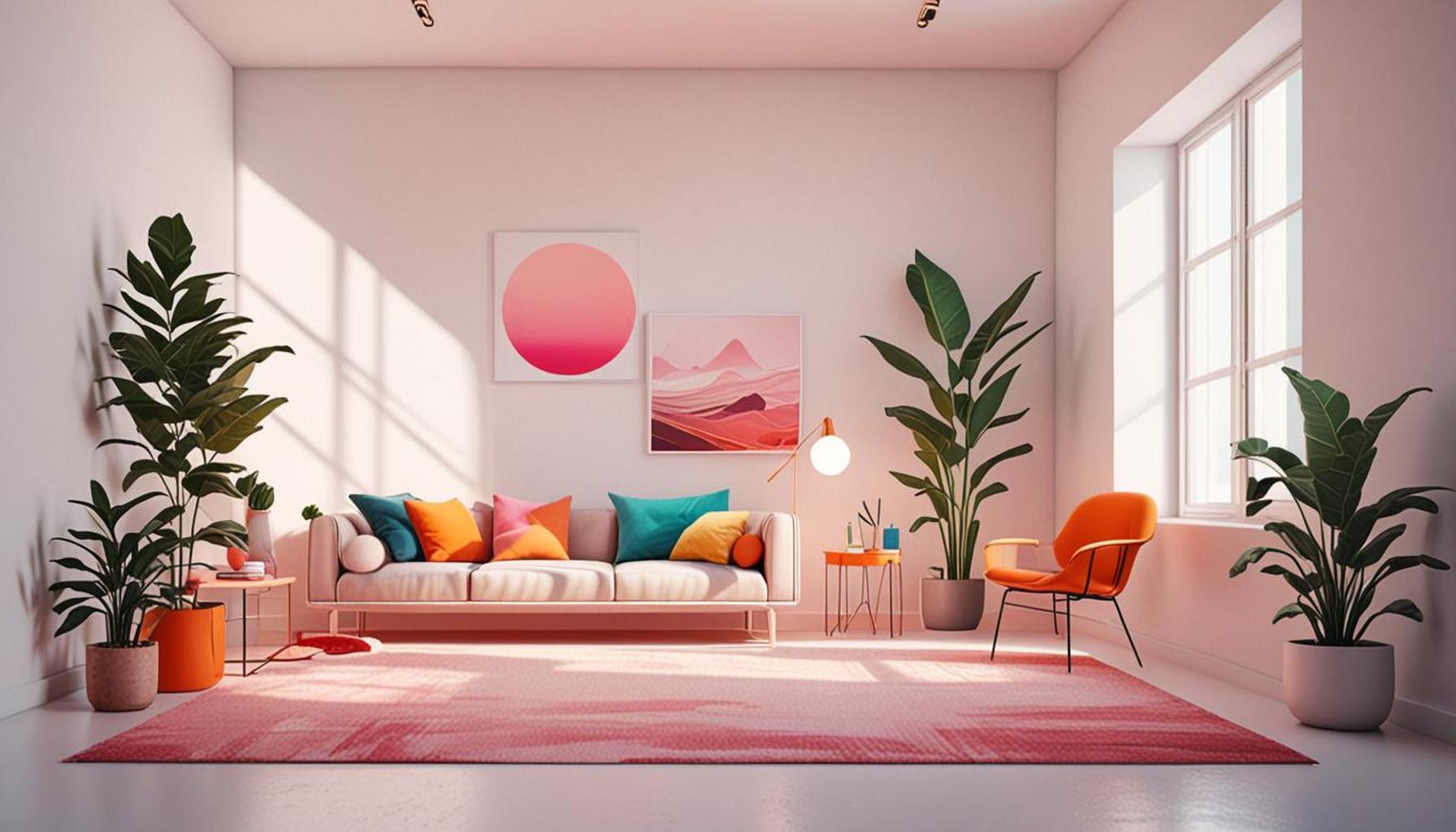
Intentional Design and the Art of Healing Spaces: Creating Minimalist Environments that Reflect Your Identity

Discovering the Power of Intentional Design
In a world filled with distractions and chaos, the quest for healing spaces has never been more pertinent. Intentional design goes beyond mere aesthetics; it encompasses the careful arrangement, selection of colors, and overall ambiance of a space, transforming it into a sanctuary that promotes healing for the mind and spirit. This is particularly valuable in today’s fast-paced society, where stress and anxiety have become common culprits affecting our mental health. By adopting minimalist principles, individuals can create environments that not only soothe the mind but also resonate with their identity, promoting a sense of belonging and comfort.
Key Elements of Healing Spaces
What does it mean to craft a space that heals? Here are pivotal components:
- Natural Light: Maximizing sunlight can significantly enhance mood and productivity. According to a study by the University of Twente, exposure to natural light has been linked to improved well-being and can even aid in regulating sleep patterns.
- Color Palette: Soft tones like blues and greens evoke calmness, while brighter accents, such as yellows and oranges, can stimulate energy. The psychology of color suggests that certain shades can influence emotions, making thoughtful selection vital in a healing environment.
- Decluttered Surfaces: Minimalism encourages a clear mind by reducing visual noise. A cluttered space can lead to stress and distraction; thus, adopting a minimalist approach can foster a sense of tranquility and focus.
Reflection of Identity
The essence of a healing space lies in its ability to reflect the individual’s identity. It should be a sanctuary filled with elements that inspire and comfort you. Incorporating personal elements such as:
- Art and Decor: Display pieces that inspire or resonate with your personal experiences, such as photographs from cherished memories, paintings that evoke emotion, or handcrafted items that show your craftsmanship.
- Plants: Living greenery doesn’t just beautify a space; it also purifies the air and promotes a sense of vitality. Studies have shown that indoor plants can reduce stress and anxiety levels, making them an excellent addition to any healing space.
- Textiles: Selecting fabrics and textures that feel comforting and inviting can make a significant impact. Soft blankets, plush rugs, and cushions can create a warm atmosphere, encouraging relaxation and well-being.
Engaging in intentional design enables you to craft an environment that reflects your true self while fostering healing and tranquility. Such spaces become a backdrop for self-reflection and relaxation, paving the way for personal growth. By delving deeper into the art of creating spaces that resonate with your soul, you can support your journey of well-being and enhance your quality of life. Embracing these design principles can lead you to not only a more harmonious environment but also a more balanced and fulfilling existence.
DISCOVER MORE: Click here to delve deeper
The Intersection of Design and Wellness
The relationship between intentional design and well-being is profound. This intricate connection plays a vital role in establishing environments conducive to healing and personal growth. Integrating elements that resonate with individual identities can transform ordinary spaces into nurturing cocoons where one can thrive. By embracing a minimalist aesthetic, individuals are not only creating visually appealing surroundings but are also aligning their environments with their personal values and lifestyle choices.
As individuals embark on this journey of design, understanding the psychological impacts of their surroundings is crucial. Research from the American Psychological Association highlights that spaces designed with intention can significantly influence mental health, productivity, and overall well-being. Thoughtfully designed environments can evoke powerful emotions and foster feelings of safety and comfort, making it essential to carefully select every element included in the space.
Balancing Functionality with Aesthetics
Creating a healing space doesn’t mean sacrificing functionality for the sake of beauty. The minimalist approach advocates for a balance, where each item serves a purpose while still contributing to the overall aesthetic. Here are pivotal considerations to achieve this harmony:
- Multi-functional Furniture: Opt for furniture that serves dual purposes; think storage ottomans or foldable tables that save space. This can help maintain a clean, uncluttered look while ensuring the space remains practical.
- Quality over Quantity: Invest in a few high-quality pieces that reflect your personality rather than overwhelming the space with numerous decorative items. Each piece should tell a story and resonate with your journey.
- Flexible Spaces: Create areas that can be easily rearranged or repurposed to cater to your changing needs. This flexibility allows the space to evolve alongside you, ensuring it always meets your requirements.
Moreover, a healing environment is one that invites mindfulness. Including elements such as designated relaxation areas or meditation nooks encourages daily practices that contribute to mental wellness. Furthermore, incorporating sensory elements like calming scents from essential oils or gentle sounds of nature can heighten the experience of tranquility.
Ultimately, engaging in intentional design empowers individuals to shape their environments in ways that promote healing and support their identity. By aligning the elements of their surroundings with personal values, individuals cultivate spaces that not only feel right but also help navigate the complexities of modern life. This integration of personal meaning into design is not merely an aesthetic choice; it is a powerful statement reflecting one’s journey toward peace and self-acceptance.
| Advantage | Importance |
|---|---|
| Enhanced Well-being | Minimalist environments reduce clutter, allowing for a calming atmosphere that enhances mental clarity and emotional stability. |
| Personal Reflection | Intentional design reflects individual values and identity, making spaces more meaningful and personalized, fostering a deeper connection with oneself. |
| Sustainability | Focusing on fewer, high-quality items not only contributes to a cleaner environment but also promotes sustainable living practices. |
| Improved Focus | A minimalist design minimizes distractions, enhancing productivity and allowing individuals to engage more intensely with their work or hobbies. |
The concept of Intentional Design in the context of creating healing spaces encapsulates more than just aesthetic appeal; it emphasizes the intertwining of mental well-being and environmental clarity. For instance, numerous studies indicate that spaces designed with minimalism in mind can significantly reduce anxiety, providing a serene backdrop conducive to reflection and healing. This approach fosters environments tailored not just to look good but to genuinely support the user’s emotional and psychological needs.Moreover, as we consider the evolving relationship between our identities and our surroundings, it becomes apparent that our spaces can enhance personal narratives. An intentional design prioritizes elements that resonate with our unique experiences, making every decision, from color schemes to furniture choice, an extension of who we are. By streamlining our environments, we invite focus and tranquility while promoting sustainability through mindful consumption. Each aspect of a healing space becomes a canvas, portraying our principles and beliefs while nourishing our spirit. Designing with intention thus becomes a holistic journey connecting us to our truth and taste.
DISCOVER MORE: Click here to delve deeper
Emotional Resonance Through Color and Texture
The visual elements of a space, particularly color and texture, play a significant role in shaping our emotional responses. When designing a minimalist healing environment, careful selection of color palettes can create a profound impact on mood and well-being. For instance, various shades of blue are often associated with tranquility and calmness, while greens evoke feelings of rejuvenation and nature. Research from the Institute for Color Research indicates that color can affect everything from heart rate to anxiety levels, emphasizing the importance of choosing hues that resonate positively with one’s identity and desired emotional state.
Texture, too, is an essential component in creating a sensory-rich environment. A variety of tactile elements, such as soft textiles, natural wood finishes, and smooth stone surfaces, encourages exploration and invites comfort. This incorporation of diverse textures not only enhances the aesthetic appeal but also fosters a deeper connection between the inhabitant and their space. When considering the materials, think about the stories they tell and how they align with personal experiences, making the space distinctly one’s own.
Nature Integration: Biophilic Design Principles
One effective way to amplify the healing qualities of a minimalist environment is through the integration of nature. Biophilic design principles advocate for bringing the outside in, as studies show that exposure to natural elements can significantly enhance psychological well-being. This concept can be achieved through the inclusion of live plants, natural light, and views of outdoor landscapes. A study published in the Journal of Environmental Psychology suggests that even minimal exposure to sunlight can lead to improved mood and productivity levels, highlighting the importance of strategic window placements and light sources.
Incorporating plants not only purifies the air but also serves as a living piece of art, adding a vibrant touch to minimalist spaces. Choose low-maintenance options like succulents or peace lilies for those new to plant care. Additionally, consider using materials such as bamboo or reclaimed wood to evoke an earthy feel that resonates with a commitment to sustainability—an important aspect of many individuals’ identities today.
Personalization: Crafting a Storytelling Space
Your healing environment should be an extension of yourself—each item should narrate a part of your story. One effective approach is to curate personal collections that reflect your hobbies or experiences, ensuring that every object holds significance. This might include travel souvenirs, family heirlooms, or even handmade artwork that evokes fond memories. Incorporating these items allows for a tailor-made atmosphere that can provide solace and joy.
Artistic expression also plays a critical role in enhancing the connection to one’s identity within a minimalist space. As a part of this personalization process, consider incorporating local artists or talents through their works. Not only does this support the community, but it also infuses the space with diverse cultural narratives that resonate deeply with one’s personal journey.
By consciously selecting and arranging elements in relation to their emotional and cultural significance, individuals lay the groundwork for a healing environment that embodies their unique identity. The art of intentional design is not merely about aesthetics; it is an intricate weave of personal narrative, functionality, and emotional resonance that fosters a nourishing environment for growth and healing. As you explore these principles in your design journey, allow your space to evolve alongside you, continually reflecting the depth of who you are and who you strive to become.
DIVE DEEPER: Click here to learn more
Conclusion: A Journey Towards Healing through Intentional Design
In the pursuit of holistic well-being, the concept of intentional design transforms our surroundings into sanctuary-like spaces that are both aesthetically pleasing and deeply personal. By embracing the minimalist approach, individuals can craft environments that not only resonate with their identities but also nurture their mental and emotional health. The power of color and texture has been established as a means to influence mood and enhance comfort, while the incorporation of natural elements through biophilic design infuses a sense of calm and connection to the earth.
Moreover, the act of sharing your story through personalized decor creates a rich tapestry that weaves together experiences, memories, and aspirations. This storytelling element is fundamental, reminding us that our spaces are reflections of who we are and the paths we traverse. By thoughtfully curating items that inspire joy and comfort, individuals can create their own oasis that supports healing and growth.
As you embark on your journey toward crafting a healing space, consider how every choice—from the colors on your walls to the artwork you display—can be an affirmation of your identity. Remember that intentional design is not a final destination, but an evolving process that encourages self-discovery and transformation. By nurturing your environment, you extend an invitation for healing not only within your space but within yourself. Explore the vast potential of your surroundings, and allow your healing environment to be a canvas for personal expression and well-being.