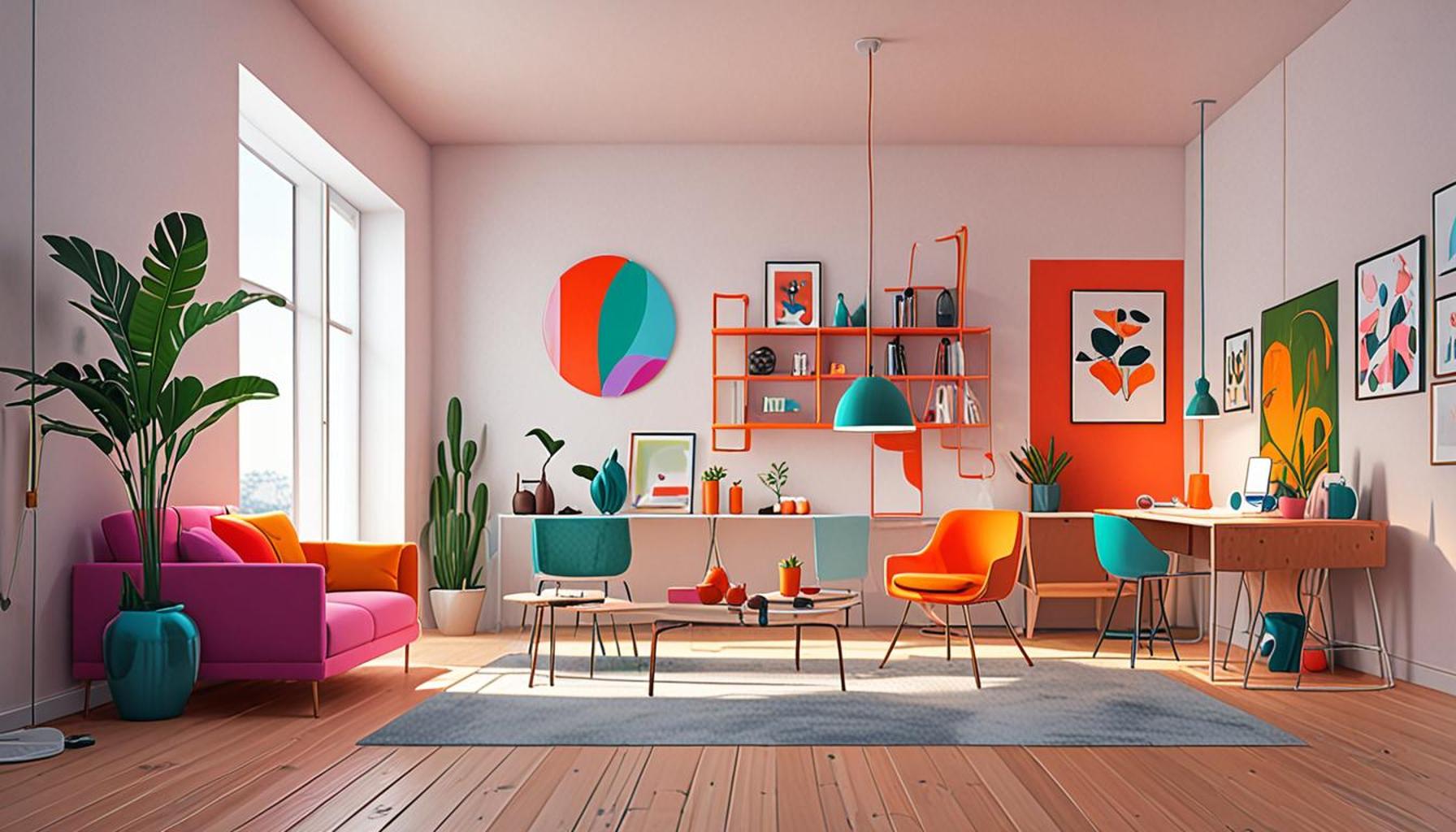
Intentional Design and the Creation of Sensory Experiences in Minimalist Spaces
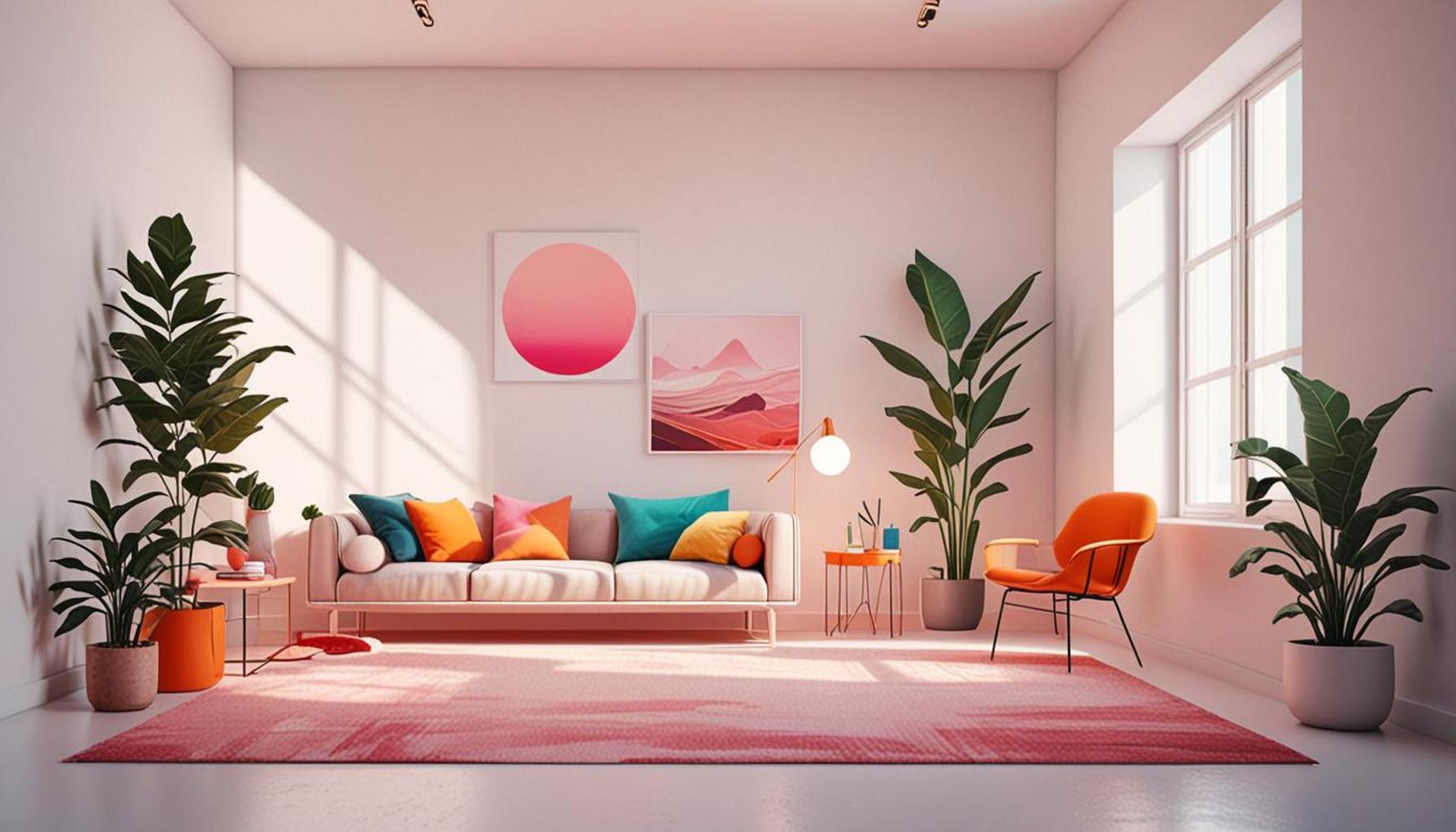
Exploring Sensory Experiences
In the realm of interior design, intentionality has emerged as a guiding principle, particularly within minimalist spaces. These environments prioritize functionality and simplicity, while also inviting rich sensory experiences. The challenge lies in creating an atmosphere that pleases the senses, urging us to slow down and appreciate our surroundings. The mindful integration of sensory elements can transform a sparse area into a sanctuary that nurtures both the body and mind.
The Essence of Minimalism
Minimalism is more than just aesthetic; it champions the idea of living with less. This philosophy advocates for the thoughtful removal of unnecessary items, allowing essential elements to shine. Elements that typically define this concept include:
- Neutral color palettes that promote calmness: Soft hues, such as whites, creams, and light grays, establish a tranquil foundation, creating spaces that evoke peace and serenity. For example, a living room painted in muted tones can invite relaxation, making it an ideal retreat after a long day.
- Natural materials fostering tactile engagement: Using wood, stone, or linen adds both warmth and texture to a space, inviting touch and interaction. A rustic oak dining table not only serves its purpose but also becomes a centerpiece of organic beauty that encourages connection during meals.
- Open spaces that encourage freedom of movement: By eliminating clutter and walls, minimalist design fosters a sense of liberation. Such open layouts, found in many modern homes across cities like San Francisco and New York, allow for fluid movement, making spaces feel expansive and inviting.
Crafting the Sensory Experience
To cultivate a rich sensory experience, designers must consider various aspects:
- Lighting: Implementing natural light and adjustable options significantly affects mood and ambiance. Large windows adorned with sheer curtains can invite daylight while offering privacy, creating a serene glow that enhances the feeling of spaciousness.
- Textures: Incorporating diverse materials to touch and feel is vital in adding depth to minimalist design. For example, a soft wool rug can complement a sleek leather sofa, creating a dynamic interplay of textures that invites exploration.
- Sound: Utilizing ambient sounds or silence to create mood enhances emotional well-being. The gentle trickle of a water feature or the subdued hum of nature can create a soothing backdrop, allowing one to disconnect from the chaos of daily life.
The intersection of intentional design and minimalist spaces not only elevates aesthetics but also enhances our overall well-being. Well-designed minimalism encourages mindfulness, urging inhabitants to appreciate the present moment. This article delves into how best to achieve these striking sensory experiences, drawing inspiration from trends and successful implementations across the United States. Urban areas such as Portland are exceptional examples of this trend, where local designers focus on creating inviting, sensory-rich environments in simple, elegant designs. By remaining conscious of sensory experiences, we can enrich our daily lives and transform our living spaces into havens of tranquility and connection.
Connecting Design with Senses
The pursuit of intentional design in minimalist spaces is about more than mere aesthetic appeal; it seeks to forge a profound connection between the inhabitants and their environment. To achieve this dynamic balance, designers must thoughtfully interweave sensory experiences that resonate with the human psyche. By considering how sight, sound, touch, taste, and smell converge within a space, one can create an environment that stimulates and soothes. Here are key elements to consider in crafting these sensory experiences:
- Color Psychology: Beyond aesthetics, color influences mood and emotional responses. In the minimalist approach, soft and muted tones can evoke feelings of tranquility and clarity. The use of pastels or earth tones can reduce stress levels and promote well-being. For instance, a serene mint-green accent wall can invigorate a workspace while maintaining a calm atmosphere appropriate for focus and creativity.
- Natural Elements: Incorporating greenery and natural elements into minimalist designs enhances the connection to nature, known as biophilic design. Studies have shown that indoor plants not only purify the air but also reduce anxiety levels and improve mood. Just as a well-placed succulent or a hanging terrarium breathes life into an otherwise stark room, it can create a multi-layered sensory experience that promotes relaxation and rejuvenation.
- Acoustic Design: Sound is a pivotal yet often overlooked aspect of design. Minimalist spaces can amplify or dampen sound depending on how they are arranged. By using soft furnishings like curtains or cushions, designers can absorb sound, creating a peaceful enclave amidst urban chaos. Additionally, integrating soundscapes—such as soft music or nature sounds—can help enhance the ambiance, allowing occupants to bask in a serene sound environment.
As urban living spaces continue to shrink in size, the need for intentional design has never been more crucial. Cities from coast to coast—from the sleek, modern apartments of Los Angeles to the charming minimalistic homes in Brooklyn—are beginning to reflect a growing awareness of the importance of sensory experiences in everyday living. Designers in these locales are increasingly challenged to think beyond visual appeal, seeking to create spaces that actively engage all the senses.
This holistic approach not only leads to aesthetically pleasing environments but also fosters a deeper sense of well-being and mindfulness among inhabitants. The key to success in this endeavor lies in recognizing that each design element—from the choice of materials to the color palette used—holds the potential to create a story, inviting individuals to not merely occupy a space but to experience it fully.
By understanding and implementing these principles, designers can ensure that minimalist spaces become more than mere shells; they transform into realms that nurture the human experience, inspiring occupants to explore their environments with renewed appreciation and awareness.
Exploring the Power of Intentional Design in Minimalist Spaces
When discussing intentional design, it is essential to focus on how every element in a minimalist space contributes to a broader sensory experience. This design philosophy emphasizes the thoughtful selection and arrangement of each component, ensuring that spaces resonate emotionally and psychologically with occupants.
One significant advantage of intentional design is the promotion of mindfulness. Minimalist spaces encourage individuals to focus on what truly matters by eliminating distractions. For example, a carefully curated living room with limited yet impactful decor invites occupants to engage fully with their surroundings, fostering a deeper connection with the environment.
Furthermore, the incorporation of sensitive materials enhances sensory experiences. Soft textiles and natural wood finishes can create inviting atmospheres, reducing stress and promoting relaxation. Spaces designed with natural light in mind also play a crucial role; studies show that exposure to natural lighting can improve mood and productivity.
To delve deeper into the advantages of designing sensory-rich minimalist spaces, it is helpful to analyze the relationship between visual clarity and emotional well-being. A well-organized, uncluttered area allows individuals to feel at peace, countering the overwhelming nature of modern life.
Let’s further examine how intentional design can shape our experiences through a structured table, highlighting specific advantages and benefits:
| Category 1 | Category 2 |
|---|---|
| Mindfulness Enhancement | Encourages focus and emotional engagement. |
| Sensory Material Integration | Soft textiles and natural woods that foster relaxation. |
This concise view of the benefits of intentional design amplifies the understanding of how minimalist principles can cultivate emotional depth and promote overall well-being. By engaging deeply with sensory elements, we unlock new avenues for creativity and comfort in our living spaces.
The Role of Materiality and Texture
The physical materials used in minimalist design are crucial for creating engaging sensory experiences. Selecting materials that evoke touch can lead to a more immersive environment, particularly since tactile interactions can significantly influence emotional responses. Smooth, cold surfaces like glass may convey a sense of order and sophistication, but incorporating textured elements—such as rough-hewn wood or soft textiles—can introduce warmth and comfort. For example, a minimalist living room adorned with a plush area rug invites one to kick off shoes and feel the fibers beneath their feet, deepening the connection to the space.
Furthermore, the sustainability of materials cannot be overlooked. In a world that increasingly values ecological responsibility, using sustainable materials not only appeals to visual and tactile senses but also addresses a deeper ethical dimension. Brands like Herman Miller and IKEA are leaning into this by offering collections made from recycled or responsibly sourced materials, aligning aesthetic preferences with environmental consciousness. This practice not only heightens sensory experiences but also cultivates a sense of pride and purpose in the inhabitants.
Lighting as an Art of Atmosphere
When discussing sensory experiences in minimalist spaces, lighting plays an indispensable role. Natural light, when maximized, can provide a dynamic flow throughout the day. Large windows or skylights allow sunlight to flood in, creating an opportunity for interplay with shadows and shapes. This soft diffusion of light compliments the minimalist ethos, encouraging a calm atmosphere while enhancing the beauty of any furnishings without overwhelming the senses.
Artificial lighting, on the other hand, needs to be intentional and adaptive. Designers are now incorporating adjustable fixtures and smart lighting systems that can mimic natural light patterns. Dimming options and color temperature adjustments can transform a space from calm, ambient light to vibrant and energizing. Studies have shown that proper lighting can enhance mood and focus, making it particularly beneficial in homes and workspaces where productivity is essential.
Odors and Aromatherapy
Another often-overlooked aspect of sensory design is olfactory experience. While minimalist spaces generally embrace simplicity, the introduction of subtle scents can have profound effects on inhabitants’ well-being. Aromatherapy, through the use of essential oils or scent diffusers, can significantly enhance the atmosphere. Scents like cedarwood or citrus can invigorate, while lavender or peppermint can create a relaxing environment. Careful consideration of scents can transform a minimalist space into a haven, enriching the sensory palette without overwhelming one’s senses.
Incorporating aromatic elements naturally supports the theme of intentional design, as it demonstrates consideration for the multi-faceted experiences of the occupants. Simple details, such as scented candles, fresh herbs on kitchen windowsills, or strategically placed potpourri, can harmoniously engage the sense of smell, fostering a deeper connection between the inhabitants and their environment.
By thoughtfully integrating materiality, lighting, and aromatherapy, minimalist designs can transcend mere functionality, inviting occupants to deeply engage with their surroundings through all their senses. This fusion of sensory elements not only enhances the aesthetic appeal but also creates soothing and stimulating environments that resonate with individuality and mindfulness.
Conclusion: Embracing the Depth of Simplicity
In conclusion, the practice of intentional design in minimalist spaces elevates the living experience by engaging all the senses and fostering a profound connection between inhabitants and their environment. Through the careful selection of materials that invoke tactile experiences, the strategic use of lighting to shape atmosphere, and the incorporation of subtle scents that enhance well-being, minimalist design transcends mere aesthetics, creating a holistic and enriching atmosphere.
As we move further into an era where simplicity is often equated with sophistication, understanding the intricacies of sensory experiences becomes essential. Designers and homeowners alike are encouraged to explore innovative ways to harmonize visual appeal with tactile comfort, ambient lighting, and aromatic cues. The growing trend towards sustainability in material selection also reflects our collective responsibility toward the environment, proving that conscious choices can lead to beautiful and meaningful design.
Ultimately, embracing intentional design invites us to reconsider how we engage with our spaces, reminding us that the essence of minimalism is not just in reducing clutter but in enhancing our quality of life. By deepening our sensory engagement within minimalist environments, we create rich experiences that nurture tranquility, creativity, and joy. As you embark on your own design journey, consider these principles to craft spaces that not only look appealing but also resonate with your emotional and sensory needs.