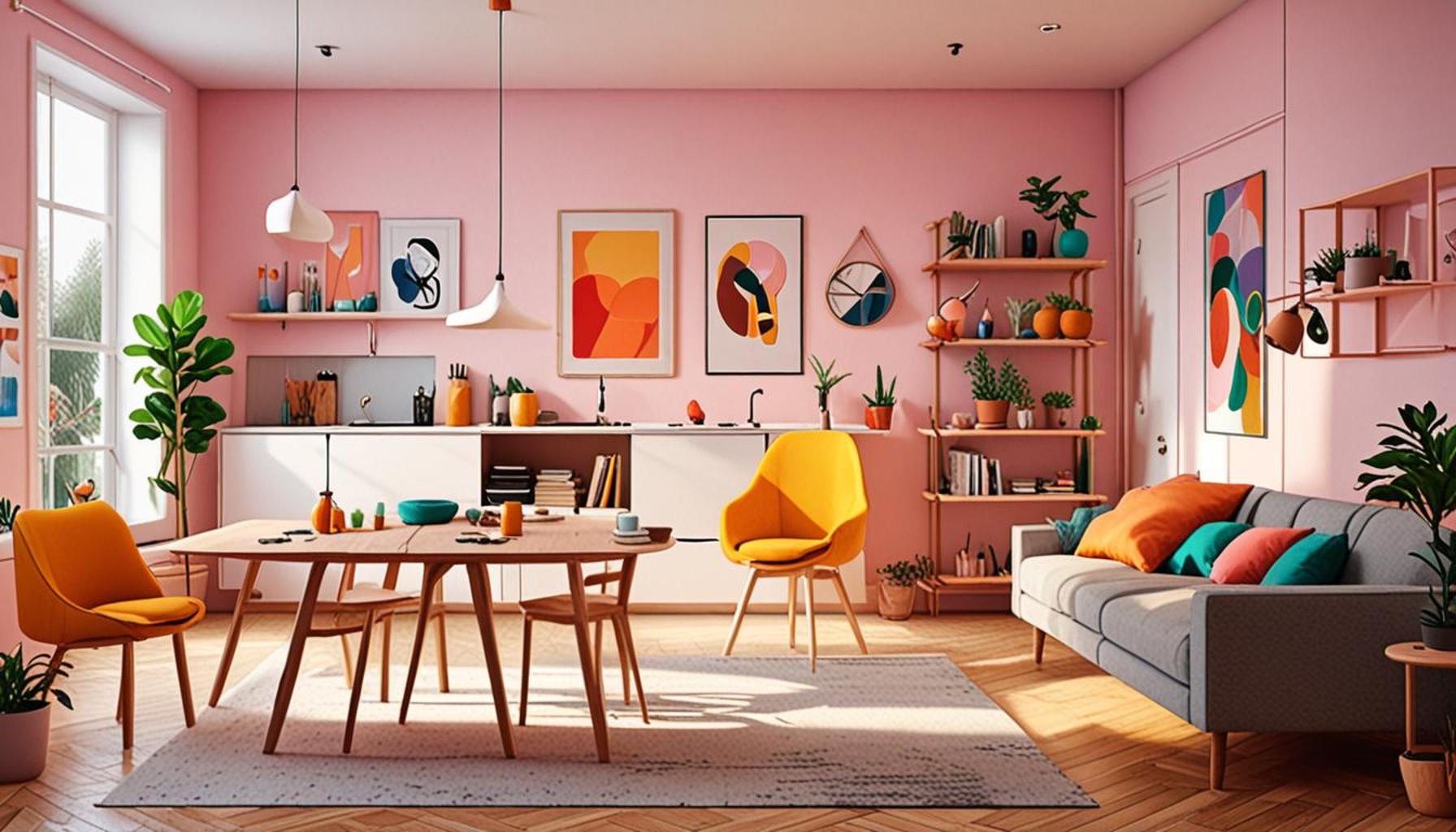
Minimalism and Sustainability: Creating Efficient Spaces with Fewer Resources
Understanding Minimalism and Sustainability
In today’s fast-paced world, the allure of accumulating possessions can often drown out our inner peace. However, movements centered on minimalism and sustainability offer a refreshing perspective on how we can live more intentionally. By embracing the concept of “less is more,” individuals not only carve out tranquil spaces but also contribute to a healthier planet.
The Essence of Minimalism
Minimalism is not merely about getting rid of things; it’s about creating a lifestyle that prioritizes what truly matters. By decluttering both our physical surroundings and mental landscape, we open the door to numerous benefits:
- Reduced stress from overwhelming possessions: Endless collections of items can weigh heavily on our minds. Embracing minimalism allows us to let go of unnecessary belongings, leading to a lighter mental state and improved emotional well-being.
- Increased clarity in decision-making: With fewer distractions, we can focus on what genuinely aligns with our values and goals. This clarity greatly enhances our ability to make thoughtful decisions, whether regarding finances, relationships, or career choices.
- More time and energy for meaningful experiences: When we simplify our lives, we free up resources to pursue passions and relationships that fulfill us. Time spent with loved ones, exploring nature, or engaging in hobbies becomes more attainable and enriching.
Commitment to Sustainability
Transitioning to a sustainable lifestyle is not just an ethical choice; it has become essential in our current climate crisis. The decisions we make every day significantly impact the environment. A sustainable lifestyle encompasses:
- Utilization of renewable resources: Opting for renewable energy sources, such as solar or wind power, helps reduce dependence on fossil fuels and lowers carbon footprints.
- Reduction of waste through conscious consumption: Practicing mindful consumption—buying only what we need and choosing sustainable packaging—directly reduces the amount of waste sent to landfills.
- Support for eco-friendly products and practices: Supporting local businesses that prioritize environmentally friendly practices encourages a market shift toward sustainability.
The Synergy of Minimalism and Sustainability
The intersection of minimalism and sustainability creates environments that are not only functional but also reflect a deeper mindfulness about our consumption habits and their impact on the world. For example, a minimalist home with décor made from sustainably sourced materials can showcase how aesthetics don’t have to come at the expense of our planet.
As we delve deeper into these philosophies, we’ll uncover practical strategies to transform your living space into a haven of simplicity while nurturing our environment. Imagine a clutter-free home that invites tranquility, where each item has its place and purpose, and every choice contributes to a healthier Earth.
Join us as we explore the myriad ways to embrace this thoughtful lifestyle, proving that living well can mean living simply and sustainably.
DIVE DEEPER: Click here to uncover the impact of design choices
Practical Strategies for Embracing Minimalism and Sustainability
Adopting a minimalist and sustainable lifestyle is not just a philosophical concept; it requires actionable steps that can lead to transformative results. As more individuals seek to find balance and reduce their environmental impact, understanding the practical approaches to minimalism and sustainability becomes essential. Here are several strategies to help create efficient spaces with fewer resources:
Evaluating Your Current Possessions
The first step in embracing minimalism is conducting a thorough evaluation of your current possessions. Assess each item in your home and ask yourself:
- Do I use this regularly?
- Does this item hold significant emotional value?
- Is it in good condition, and can it be reused or repurposed?
This process not only helps in decluttering but also encourages mindful purchasing. A 2020 study by The Centre for Sustainable Fashion found that Americans throw away an estimated 82 pounds of clothing per person each year, highlighting the urgent need for more sustainable choices in our consumption habits.
Adopting a “One In, One Out” Policy
Another practical approach is to implement a “one in, one out” policy. For every new item you bring into your space, commit to removing an existing one. This simple practice fosters a habit of conscious consumption and helps maintain a clutter-free environment, ultimately leading to a more peaceful home. It also aligns perfectly with sustainable living, as it encourages you to think critically about your purchases and their necessity.
Creating Multi-Functional Spaces
Space optimization is a cornerstone of minimalism. Consider how you can make your living areas more efficient by creating multi-functional spaces. For instance:
- Use convertible furniture: Invest in pieces like a sofa bed or a storage ottoman that serve more than one purpose.
- Designate specific zones: Create designated zones for work, relaxation, and dining, ensuring that each area is utilized efficiently.
- Embrace open floor plans: An open layout can make a space feel larger and more inviting, reducing the need for excessive furniture.
Integrating Sustainable Practices into Daily Life
Incorporating sustainability into your lifestyle can be seamlessly integrated with minimalism. Simple adjustments, such as:
- Opting for reusable products: Choose items like stainless steel water bottles and beeswax wraps instead of disposable versions.
- Composting food waste: Transforming waste into nutrient-rich compost not only reduces landfill contributions but also benefits your garden or potted plants.
- Utilizing energy-efficient appliances: Investing in high-efficiency appliances can reduce energy consumption and save on utility bills over time.
As you begin to implement these strategies, you will notice that embracing minimalism and sustainability leads to a more harmonious living environment. By doing so, you are not merely creating a physical space that embodies efficiency; you are actively participating in a larger movement that seeks to protect our planet by consuming consciously and living more minimally.
| Advantages | Key Characteristics |
|---|---|
| Enhanced Well-Being | Creating a clutter-free environment fosters psychological clarity and reduces stress. |
| Resource Efficiency | Utilizing fewer materials while optimizing space leads to lower environmental impact. |
| Financial Savings | Minimizing consumption associated with maintenance and renovation translates into cost reduction. |
| Adaptability | Flexible spaces can be easily repurposed for various functions without extensive renovations. |
Incorporating the principles of minimalism and sustainability into design not only serves the planet but also enhances personal well-being. The shift towards efficient spaces encourages individuals to embrace a lifestyle focused on quality over quantity, thereby optimizing resources and reducing waste. With minimalism, each item and space has a purpose, creating an environment conducive to creativity and productivity. The environmental benefits are significant; less demand for resources means fewer emissions and decreased energy consumption, pinpointing an unmistakable link between sustainable living and economic advantages. As urban areas continue to expand, adopting minimalist practices becomes increasingly vital. This approach not only clears clutter but also prioritizes natural elements, promoting more sustainable architecture and design practices. The effort to create meaningful spaces from fewer resources allows for innovative designs that respect the environment while catering to modern needs. With a growing emphasis on efficient living, exploring this dynamic lifestyle trend opens doors to a new way of thinking about space, purpose, and sustainability.
DISCOVER MORE: Click here to transform your life
Transformative Benefits of Minimalism in Sustainable Living
Adopting minimalism and sustainability not only reshapes our physical spaces but also influences our mental and emotional well-being. The act of decluttering and simplifying one’s environment can lead to a cascade of positive outcomes that extend beyond the immediate aesthetic appeal. Here are several transformative benefits that emerge when you embrace this lifestyle:
Enhancing Mental Clarity and Focus
A cluttered space often leads to a cluttered mind. Research published in the Personality and Social Psychology Bulletin highlights how environmental factors can directly impact cognitive function and decision-making. Embracing minimalism creates a serene atmosphere that promotes mental clarity and enhances focus. By reducing distractions in your living spaces, you can channel your energy towards activities that matter most to you, whether it’s pursuing a hobby or engaging with loved ones.
Fostering Creativity and Innovation
When spaces are simplified, there is a unique opportunity for creativity to thrive. Minimalist environments can inspire innovative thinking and problem-solving. For example, many artists and creators choose to work in uncluttered studios that allow for mental space to explore new ideas. The workspaces of renowned innovators, like Steve Jobs and Marie Kondo, have often emphasized minimalism, reflecting their belief that simplicity can spur creativity. Thus, a minimalist lifestyle may serve as a cultivating ground for new passions and projects.
Boosting Financial Savings
Adopting a minimalist approach also positively impacts one’s financial health. The practice of mindful purchasing, promoted by minimalism, leads to more intentional spending habits. According to the Bureau of Economic Analysis, the average American household spends thousands on non-essential items each year. By committing to a minimalist lifestyle, individuals can prioritize saving, investing, or directing resources towards experiences that enrich their lives—like travel or education—rather than accumulating more things. This shift can ultimately lead to a more fulfilling sense of financial freedom.
Emphasizing Conscious Consumerism
Minimalism encourages consumers to evaluate the true value of their purchases, often leading to a preference for quality over quantity. This shift supports sustainable brands and companies that prioritize environmental friendliness in their production processes. According to a report by McKinsey & Company, 66% of consumers are willing to pay more for sustainable products. Thus, practicing minimalism helps strengthen the demand for ethical production practices and reduces the overall ecological footprint.
Promoting Community and Connection
In a society increasingly driven by material possessions, minimalism stands in stark contrast, fostering a greater sense of community and connection. By focusing on experiences, relationships, and shared activities rather than physical possessions, individuals can build deeper connections with those around them. Community events that encourage sharing and collaboration—such as clothing swaps, tool libraries, or co-housing initiatives—can emerge from a minimalist mindset, ultimately leading to stronger social bonds and a sense of belonging.
As individuals embrace these transformative benefits of minimalism, the interaction between reduced consumption and a heightened quality of life becomes evident. This not only supports personal well-being but also contributes to a larger sustainability movement that seeks to create a balanced and mindful approach to living in an increasingly resource-constrained world.
LEARN MORE: Click here to uncover essential organizing tips
Conclusion: Embracing Minimalism for a Sustainable Future
The intersection of minimalism and sustainability presents a compelling vision for the future, one where our lifestyles are not just efficient but also enriching. As we navigate a rapidly changing world, the principles of minimalism challenge us to rethink our relationship with possessions and consumption. By creating efficient spaces with fewer resources, we are not only decluttering our physical environments but also fostering a deeper understanding of what truly matters in our lives.
Adopting a minimalist lifestyle can elicit profound shifts in our mental clarity, bolster our financial stability, and encourage more conscious consumerism. Moreover, the emphasis on quality over quantity opens pathways to supporting sustainable practices and ethical businesses. In a culture often saturated with excess, minimalism serves as a refreshing antidote, urging us to prioritize meaningful experiences and community engagement.
As we embrace these changes, it becomes apparent that minimalism is more than mere aesthetics—it is a powerful tool for social and environmental transformation. By reducing our consumption and rediscovering what fulfills us, we contribute to a collective movement toward a cleaner, more sustainable planet. Therefore, embarking on a journey towards minimalism is not just an invitation for personal growth; it is a call to participate in a larger narrative of mindful living. As individuals and communities unite in this quest for sustainability, the potential for a positive ripple effect is boundless, inviting us all to explore the richness of life with less.