Minimalism and the Art of Letting Go: Creating Efficient Living Spaces without Excess
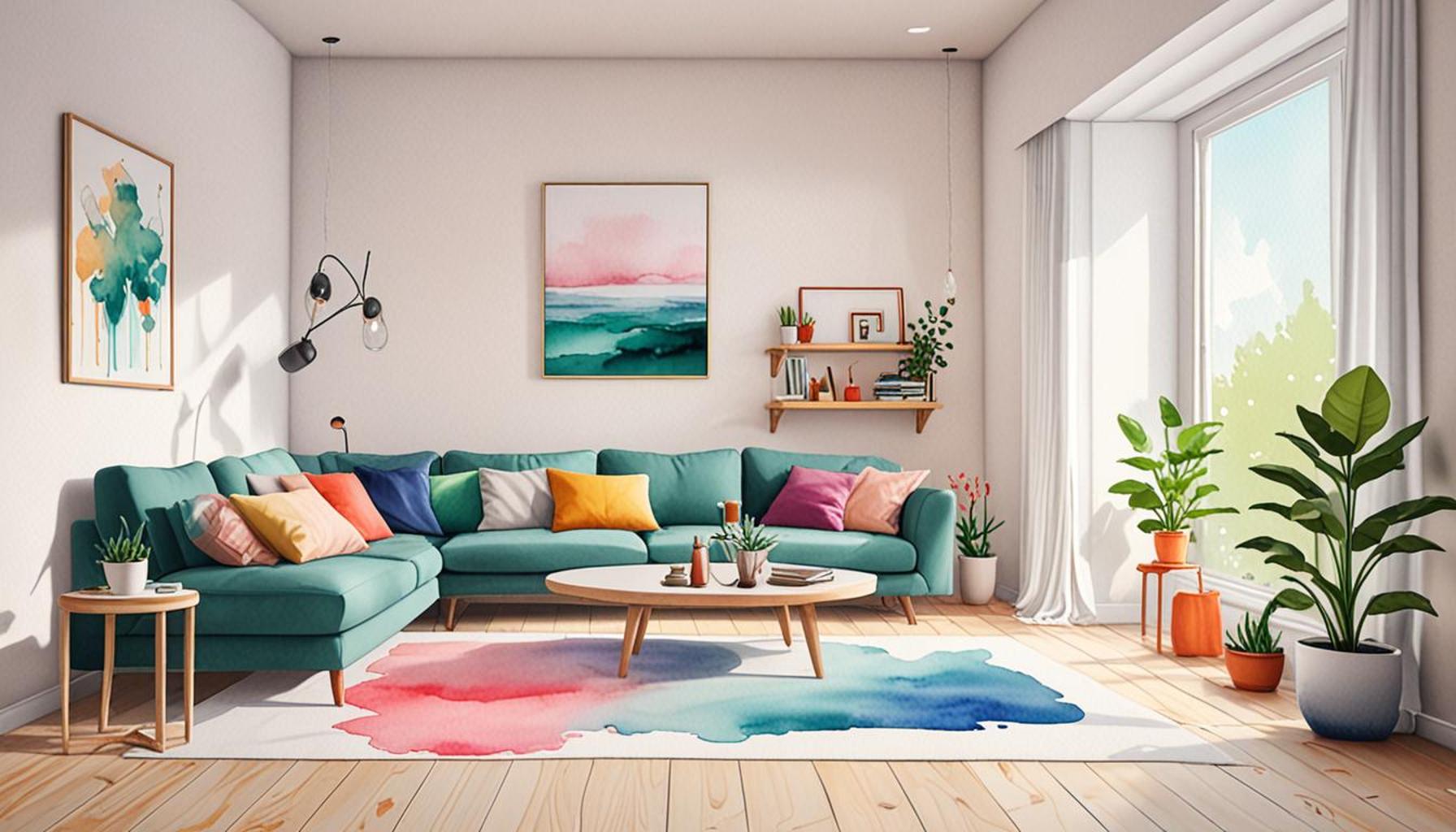
In a world overflowing with distractions and material possessions, the journey toward simplification can be both liberating and transformative. Minimalism is gaining traction as a counter-movement to the overwhelming consumer culture that many Americans encounter daily. By adopting a minimalist philosophy, individuals can embark on a path that emphasizes intentional living, clarity, and purpose. It promotes the idea that letting go of the unnecessary can lead to a more meaningful and fulfilling existence.
Understanding Minimalism
The core tenet of minimalism revolves around the idea of intentionality. This means that every item you choose to keep in your life should hold significant value or serve a clear purpose. For example, a well-loved book that inspires you can be a meaningful addition to your collection, while a stack of magazines that you never read may only add to clutter.
Furthermore, mindfulness is a crucial aspect of minimalism. Being aware of your consumption patterns can lead to better decision-making about what to purchase and keep. For instance, consider how often you might buy impulsively from online sales without truly needing the items. By taking a moment to reflect on each purchase, you can foster a more conscious approach to buying.
Creating space is another vital principle. In our fast-paced lives, dedicating areas of our homes solely for relaxation or creativity can be significantly refreshing. Whether it’s a quiet corner for reading or a clutter-free workspace that fosters productivity, these environments serve as sanctuaries from the chaos of life.
The Benefits of Letting Go
Shifting towards a minimalist lifestyle has numerous benefits that extend beyond aesthetics. For many, the reduction of physical clutter results in reduced stress. Research shows that cluttered environments can cause anxiety and lower mindfulness, whereas a tidy space can promote feelings of tranquility and peace. In a fast-paced world, this serenity is invaluable.
Moreover, minimalism can enhance productivity. With fewer distractions vying for your attention, focusing on tasks becomes more manageable, allowing for greater efficiency. This is why many professionals opt for clean, organized workspaces, convinced that the environment directly influences their output and creativity.
Lastly, embracing minimalism leads to financial savings. By curtailing unnecessary spending and focusing on fewer, high-quality items, you can save money both in the present and for the future. This shift can contribute to long-term financial security, allowing for investments in experiences or opportunities that truly matter.
As you delve into the art of letting go and redefining your relationship with material possessions, you may find that minimalism not only transforms your surroundings but also rejuvenates your mind and spirit. Are you ready to explore how simplifying your life can unlock pathways to clarity and purpose?
DISCOVER MORE: Click here to learn about sustainable material selection
Embracing the Minimalist Mindset
To truly embrace minimalism, it’s essential to cultivate a mindset that prioritizes clarity over chaos. This journey often begins with a critical examination of your belongings. Start by evaluating each item with a discerning eye: Does it serve a functional purpose? Does it bring you joy? By asking these questions, you can make informed decisions about what deserves a place in your life.
One powerful tactic for streamlining possessions is the four-box method. This approach involves designating four boxes labeled “Keep,” “Donate,” “Sell,” and “Trash.” As you go through each space in your home, categorize your belongings into these boxes. This method not only simplifies the decluttering process but also provides an actionable plan for dealing with possessions that no longer serve a purpose in your life. As you sort through items, consider the following:
- Keep: Items that are essential and meaningful
- Donate: Items in good condition that could benefit others
- Sell: Valuable items that you can part with for some financial return
- Trash: Items that are broken or irreparable
This method provides a clear and structured way to manage excess, ensuring that each item you choose to keep aligns with your minimalist goals. According to a study by the American Psychological Association, reducing clutter can facilitate mental clarity and promote a sense of control over one’s environment. The simple act of organizing your belongings can lead to a profound shift in your overall well-being.
Establishing Intentional Living Spaces
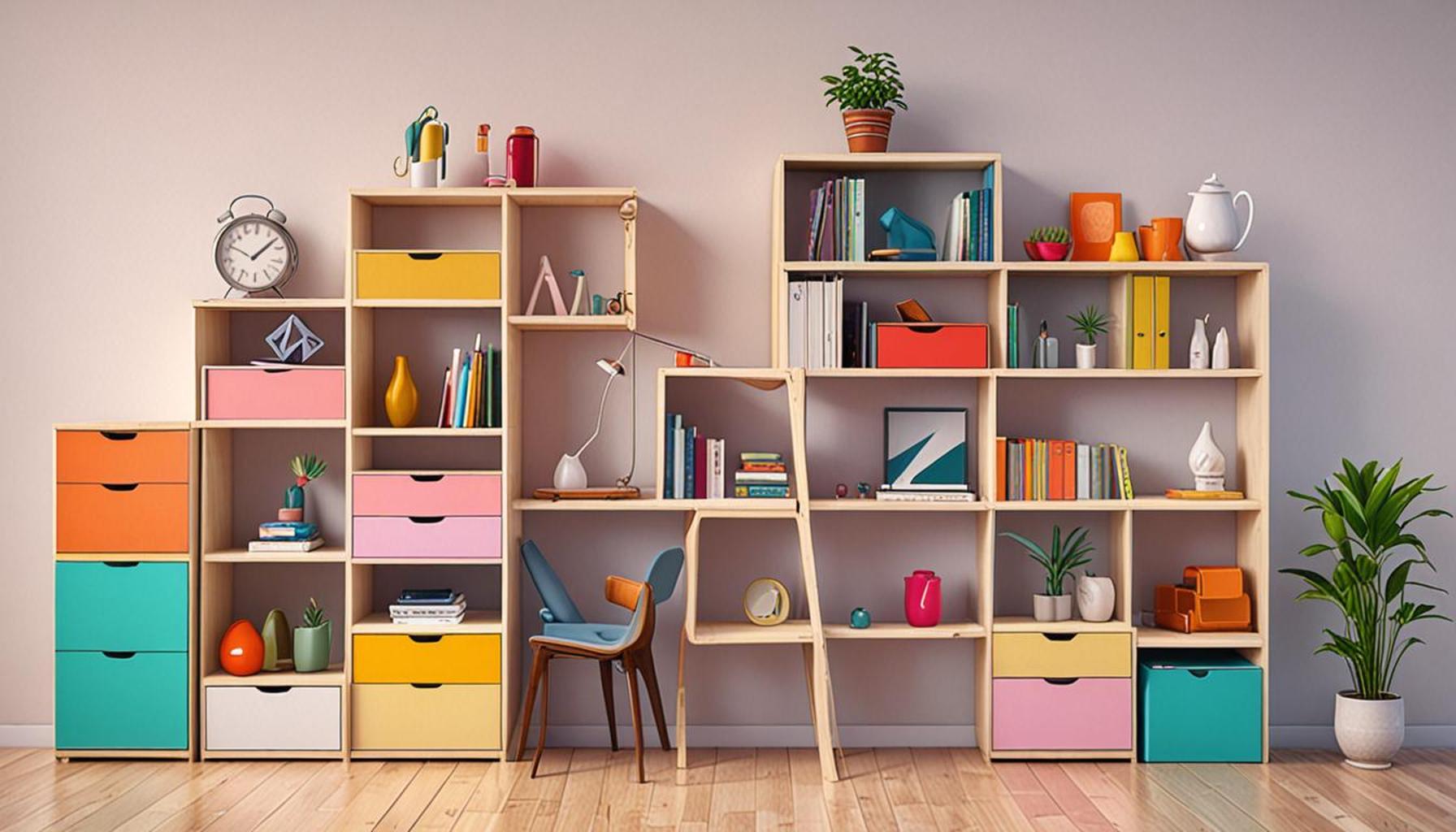
Once you’ve decluttered, the next step is to create living spaces that foster intent and efficiency. Minimalism encourages the design of environments that are not only aesthetically pleasing but also functional. The key is to choose multifunctional furniture and decorations that complement your lifestyle while minimizing clutter. For example, a coffee table with storage compartments can serve as both a centerpiece and a practical solution for organizing daily essentials.
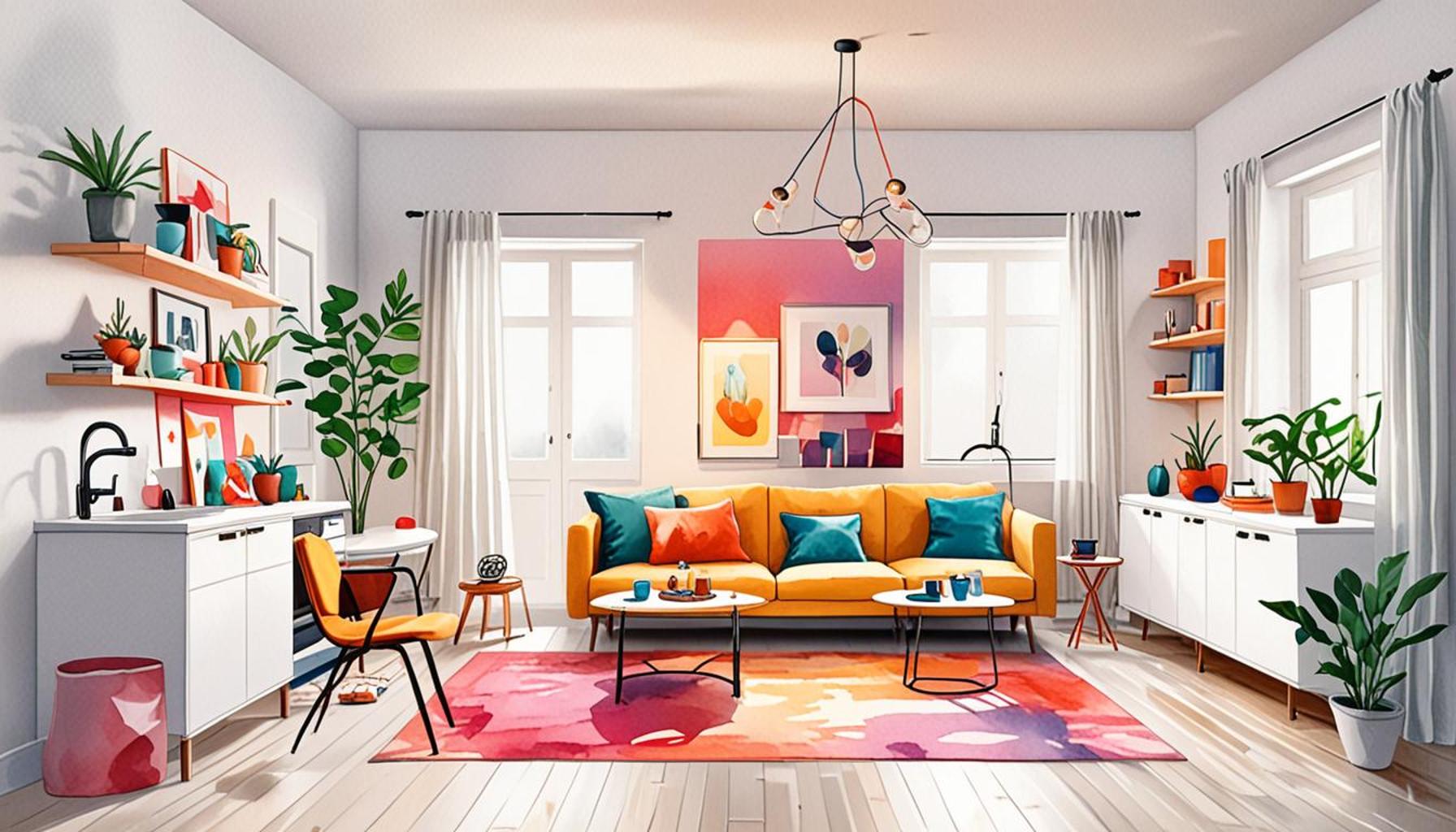
Moreover, consider incorporating natural elements into your aesthetic. Plants can breathe life into a room while reinforcing a sense of tranquility. By introducing nature into your spaces, you can cultivate a calming atmosphere that resonates with the principles of minimalism. Spaces adorned with greenery not only look good but can also enhance air quality and boost your mood.
Lastly, prioritize zone creation within your home. Designate specific areas for different activities, such as a reading nook or a workspace. By doing so, you instill purpose into each part of your living space, allowing for optimal functionality and enjoyment. This practice aligns with the minimalist ethos of intentional living and can transform your home into a sanctuary of peace and productivity.
As you embark on your minimalist journey, remember that it’s not solely about eliminating items but rather about the art of letting go. By fostering an attitude of mindfulness and intentionality, you can create efficient living spaces without excess, paving the way for a more meaningful lifestyle.
| Category | Advantages |
|---|---|
| Space Efficiency | Utilizing every inch of your living area leads to a more functional environment. |
| Mental Clarity | A reduced number of possessions promotes focus and enhances overall well-being. |
| Sustainability | Embracing minimalism often leads to more environmentally friendly choices. |
| Cost Savings | Less spending on unnecessary items translates to better financial health. |
The concept of minimalism transcends simply decluttering physical spaces; it intertwines with one’s emotional and mental state. By focusing on space efficiency, individuals can create environments that not only serve their needs but also exude peace and tranquility. As you let go of the excess, you discover the beauty in simplicity. Moreover, the psychological benefits of minimalism cannot be overstated. Studies have indicated that a clutter-free environment can significantly enhance mental clarity and productivity. This transition fosters a sense of calmness, allowing for deeper concentration on what truly matters in life. In addition, minimalism encourages a sustainable lifestyle, as choices become more intentional. By being mindful of what we bring into our lives, we tend to make selections that align with eco-friendly practices, thus contributing to the planet’s health. Furthermore, the financial aspect of minimalism offers another compelling factor—less consumption leads to cost savings, allowing individuals to redirect funds to experiences and priorities that enrich their lives. These are just a few advantages that present themselves as one embarks on the journey of minimalist living. Embracing this philosophy paves the way for a life enriched by experiences rather than possessions, making it a movement worth exploring further.
DIVE DEEPER: Click here to uncover mindful budgeting tips
Mastering the Art of Letting Go
In the pursuit of minimalism, understanding the psychological impact of your possessions is crucial. Many individuals develop sentimental attachments to items that no longer contribute meaningfully to their lives. This attachment often stems from emotional connections or the fear of loss. However, part of mastering the art of letting go involves recognizing that memories and experiences reside within you, not within the clutter. By consciously acknowledging these feelings, you can begin to detach yourself from physical items while embracing the emotional memories they represent.
A study conducted by the Journal of Environmental Psychology has shown that excess belongings can lead to increased stress levels and anxiety. As you embrace minimalism, it’s important to cultivate an understanding that emotional well-being can be tied directly to your environment. This perspective aligns with the minimalist philosophy that emphasizes creating spaces that foster peace and tranquility. Celebrate creativity without clutter by engaging in activities that bring you joy—a craft project, reading a book, or practicing yoga—without the distraction of unnecessary belongings.
Rethinking Your Relationship with Possessions
When you embark on your minimalist journey, consider actively redefining your relationship with consumerism. This may involve setting boundaries around new acquisitions. Establishing a ‘one-in, one-out’ policy can help maintain balance as you curate your life. For every new item you bring into your space, identify an old one that you’re willing to part with. This tactic not only prevents clutter from accumulating but also encourages a thoughtful approach to purchases.
In addition, reflections on your shopping habits can lead to a more intentional lifestyle. Ask yourself: Is this purchase based on necessity or impulse? Are you seeking fulfillment through material possessions? By examining your motivations, you may find that many purchases are driven by fleeting desires rather than true needs. Reducing consumption can enhance appreciation for the items you choose to keep, accentuating their value in your life.
Streamlining Your Digital Spaces
As we delve deeper into the concept of minimalism, it’s vital to recognize that decluttering extends beyond physical possessions. In today’s digital age, drowning in digital clutter can be just as overwhelming. Begin by organizing files, emails, and photos systematically, similar to how you would declutter a physical space. Conduct regular “digital cleanouts” to remove outdated files and unsubscribe from unwanted newsletters. Just as physical clutter affects your mental state, digital mess can also impede productivity and focus.
Consider utilizing applications designed to enhance organization, such as task managers or note-taking tools. These can help streamline your workflow and keep your mind free for creativity and productivity. For many, a cleaner digital environment fosters a similar sense of peace and efficiency—echoing the core values of minimalism.
As you navigate your minimalist journey, remain open to the idea that letting go is a lifelong practice. Embracing change can be refreshing and liberating, enabling you to cultivate an efficient living space that is reflective of your true self. Understanding minimalism as a lifestyle choice rather than a temporary trend can ensure that you continuously create spaces that honor intention, utility, and beauty without excess.
DISCOVER MORE: Click here to find out how personal space can enhance your well-being</a
Embracing a Life of Minimalism
In conclusion, minimalism is not merely a trend but a transformational lifestyle choice that allows individuals to create efficient living spaces while letting go of excess. By reassessing the emotional weight of our possessions and acknowledging that memories can be cherished without clinging to physical items, we can experience profound peace and clarity in our surroundings. The psychological benefits of decluttering, backed by studies from credible sources, emphasize that a simplified environment contributes to a calmer, more focused mind.
As we rethink our relationship with consumerism, instituting mindful purchasing practices is essential. By adhering to guidelines like the ‘one-in, one-out’ policy, we ensure a balanced and intentional approach to living. The practice of regularly cleaning digital spaces plays a crucial role in maintaining efficiency and reducing stress, further highlighting the importance of minimalism in every aspect of our lives.
Ultimately, the art of letting go fosters emotional freedom and greater appreciation for what truly matters. It encourages us to engage deeply with our passions and experiences rather than letting material possessions define our worth or happiness. Therefore, as you embark on your journey toward minimalism, remember that the path to creating a harmonious living space is about more than just decluttering; it’s about embracing simplicity, intentionality, and a brighter, less burdensome future.