Nigerian Traditional Musics Influence on Emerging Genres
Exploring the Rich Tapestry of Nigerian Musical Heritage
The sounds of Nigeria resonate across the globe, interweaving with various cultures and creating vibrant new genres. Nigerian traditional music is not only a reflection of the nation’s diverse heritage but also serves as a powerful foundation for emerging musical styles. Analyzing its influence is crucial for understanding the evolution of contemporary music and the creative expressions birthed from this rich musical landscape.
A Cultural Mosaic
Nigeria boasts a vast array of ethnic groups, each contributing unique musical traditions. Among the key elements that define its music are:
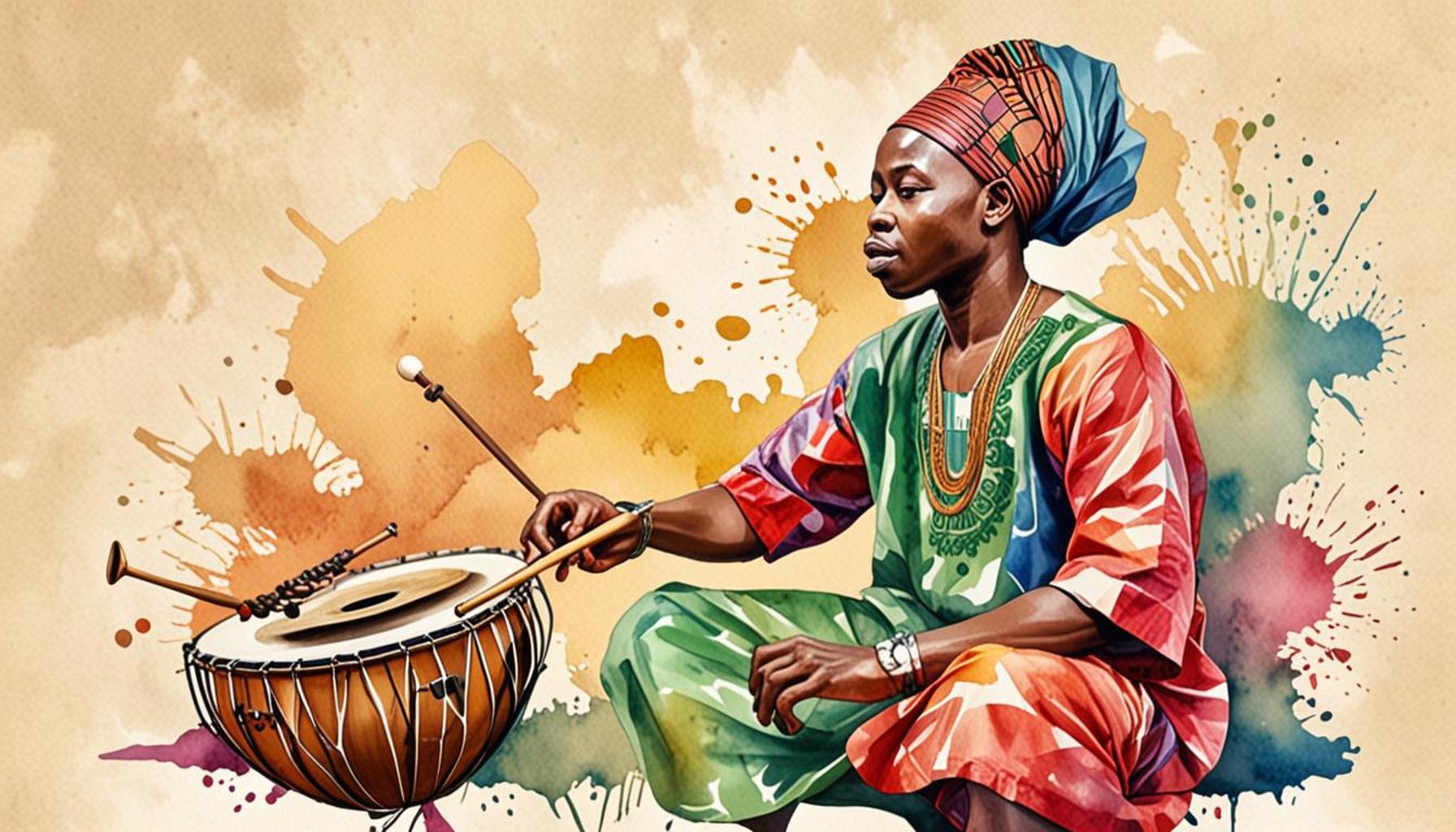
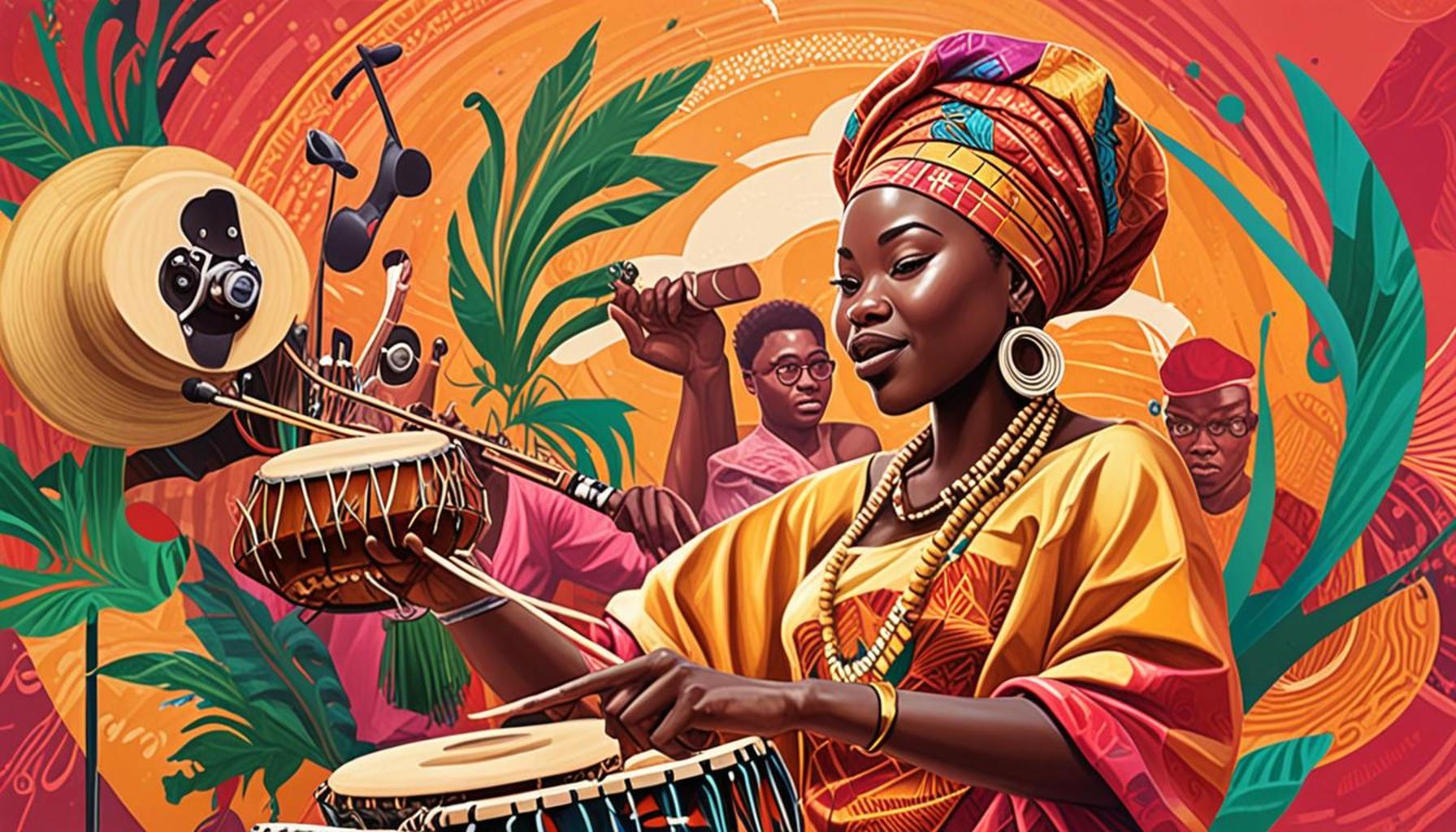
- Instrumentation: The use of traditional instruments like the talking drum and shekere.
- Rhythm and Beat: Complex rhythms that form the backbone of various genres.
- Singing Styles: Unique vocal techniques that enhance storytelling.
Relevance to Creative Hobbies
Exploring this influence opens doors to numerous creative hobbies, from music production to dance, and even fashion inspired by these musical styles. The fusion of traditional and modern sounds has led to exciting new genres, encouraging artists and enthusiasts alike to experiment and innovate. In this article, we will delve into the Top 5 emerging genres shaped by the captivating rhythms of Nigerian music, showcasing their impact on the global stage.
The Influence of Traditional Nigerian Music on the Creation of New Musical Genres
Nigerian traditional music is a vibrant and intricate tapestry of rhythms, sounds, and cultural elements that continue to cast a significant influence over global music today. From the revolutionary Afrobeat of Fela Kuti to the contemporary adaptations in popular music, these evolving sounds demonstrate the dynamic and innovative artistry deeply rooted in Nigerian culture. This article explores the profound impact of Nigerian traditional music on the formation of new musical genres, evaluating its influence from the fifth to the first position. Let’s delve into these creative pathways and their global resonance.
5. The Rhythmic Foundations of Contemporary Pop
Holding the fifth spot, the rhythmic patterns of traditional Nigerian music have significantly influenced contemporary pop music. The characteristic beats and syncopations, often found in Yoruba and Igbo musical traditions, have inspired a multitude of Nigerian pop artists, giving birth to vibrant genres such as Afropop and Naija beats.
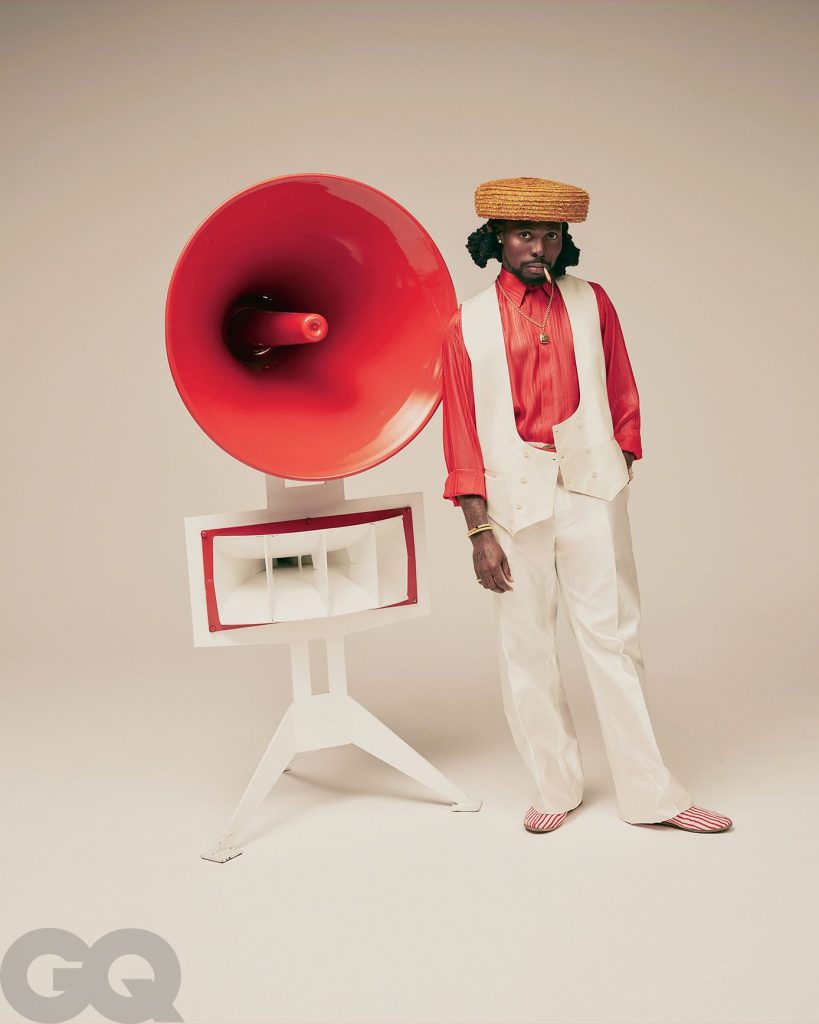
Artists like Burna Boy and Tiwa Savage have skillfully merged these traditional sounds with modern instrumentation, crafting music that reverberates on a global scale. Burna Boy’s internationally acclaimed album “African Giant” is characterized by its compelling blend of traditional rhythms with modern electronic sounds. Tiwa Savage’s infectious tunes often blend Lagos street music with elements of funk and urban pop, making Nigerian pop music distinct and engaging worldwide.
- Influence of Talking Drums on beats, adding unique rhythmic complexity and a dialogic aspect to the music
- Integration of multiple local languages in lyrics, enriching the songs with cultural depth and authenticity
- Fusion with foreign musical styles such as hip-hop and R&B, creating a universal appeal
4. Traditional Instruments in Modern Genres
In fourth place is the integration of traditional Nigerian instruments into modern musical genres. Instruments like the shekere, talking drum, and ocarina have been infused into mainstream and non-traditional music, providing a distinctive texture that sets these genres apart.
This incorporation has not only allowed artists to spotlight their cultural heritage but has also resulted in a distinctive sound palette that attracts diverse audiences. For instance, the percussive sway of the talking drum, often used to mimic the tonal patterns of African languages, can be heard in many modern hip-hop and R&B tracks. Such collaborations between contemporary and traditional musicians foster an innovative and culturally rich auditory experience.
3. Afrobeat: A Revolutionary Genre
Occupying the third position is the globally acclaimed genre of Afrobeat, a phenomenon born from fusing traditional African music with jazz, funk, and highlife. The genre’s revolutionary power is largely attributed to the iconic Fela Kuti, who channeled Afrobeat as a powerful medium for protest and social commentary.
By merging complex traditional Nigerian rhythms with the improvisational elements of jazz, Afrobeat has created a unique global genre. This style is characterized by its rich polyrhythms, extensive instrumental passages, and layered textures. Artists across Africa and the global diaspora have incorporated Afrobeat’s distinctive sound into their music, thus broadening its impact. Its energetic rhythms and social messages continue to inspire and influence musicians around the world.
2. The Rise of Gospel and Inspirational Music
In second place is the rise of gospel and inspirational music, shaped profoundly by traditional Nigerian music forms. Nigerian gospel music frequently draws on the melodies, rhythms, and instrumentation inherent in traditional music, producing a sound that is uniquely uplifting and intimately connected to its cultural roots.
Artists like Sinach and Tim Godfrey have creatively combined traditional sounds with modern gospel music, creating songs that emphasize themes of faith, hope, and resilience. Sinach’s globally revered song “Way Maker” integrates soulful, uplifting melodies with the rhythmic urgency of traditional Nigerian music, resonating deeply with international audiences. This fusion of traditional elements into gospel music has made Nigerian gospel a significant and inspirational genre across Africa and around the world.
1. The Global Impact of Afrobeats and Its Cultural Significance
At the pinnacle of our ranking is Afrobeats, a genre that has dramatically reshaped the global music scene. Originating from traditional Nigerian rhythms, Afrobeats seamlessly combines influences from dancehall, R&B, and hip-hop to create an invigorating sound that captivates global listeners.
With leading artists such as Wizkid, Davido, and Omah Lay, Afrobeats has transcended geographical and cultural boundaries, frequently appearing on international music charts. Wizkid’s “Essence” and Davido’s “Fall” are examples of Afrobeats tracks that have received international acclaim, characterized by their lively beats and catchy melodies. The genre not only promotes a danceable and infectious sound but also serves as a cultural movement celebrating African identity and creativity.
In conclusion, the influence of traditional Nigerian music on emerging genres is both undeniable and complex. From providing the rhythmic foundations for contemporary pop to inspiring the explosive rise of Afrobeats, this fusion continues to shape the global music landscape. These evolving sounds invite audiences to explore and celebrate the rich and diverse musical heritage of Nigeria.
| Category | Description |
|---|---|
| Cultural Fusion | The blending of traditional Nigerian sounds with contemporary styles creates a unique musical identity, facilitating cross-cultural exchange and enriching global music. |
| Rhythmic Complexity | Nigerian traditional music is characterized by its intricate rhythms, which inspire new genres to incorporate complex time signatures and innovative beats, attracting diverse audiences. |
| Social Commentary | New musical genres influenced by traditional Nigerian music often serve as platforms for social change, addressing critical societal issues through powerful lyrics related to culture and identity. |
| Innovation in Instruments | The incorporation of traditional instruments such as the talking drum alongside modern technology leads to a refreshing sound that captivates listeners and expands the musical landscape. |
As we delve deeper into the theme of “The Influence of Traditional Nigerian Music on the Creation of New Musical Genres,” it becomes evident that the interplay between traditional sounds and contemporary influences presents a rich territory for exploration. The cultural fusion evident in these genres contributes significantly to a shared musical heritage that transcends borders and time. The rhythmic complexity found in traditional rhythms not only challenges musicians but also enchants audiences, prompting them to appreciate the underlying intricacies of sound, dance, and expression. Moreover, the role of music as a tool for social commentary cannot be overstated. Artists inspired by these traditional forms oftentimes use their music to reflect on pressing issues within their communities, generating conversations and fostering awareness among listeners worldwide. Lastly, the movement toward innovation through the blending of traditional and modern instrumentation illustrates the endless possibilities that lie at the intersection of the past and the present. By merging the old with the new, musicians continue to craft narratives that resonate deeply with diverse audiences, carving out a path for the future of music that honors its rich heritage while embracing change.
Frequently Asked Questions about the Influence of Nigerian Traditional Music
What are some genres that have been influenced by Nigerian traditional music?
The vibrant and diverse nature of Nigerian traditional music has significantly shaped various global music genres. Notably, Afrobeats, a genre that has gained international acclaim, is deeply rooted in the rhythmic and melodic structures of Nigerian music. Additionally, genres like Highlife and Juju have evolved by blending traditional sounds with contemporary elements. These styles often incorporate the use of traditional instruments such as the talking drum and the kora, creating a distinctive sound that resonates worldwide.
How do Nigerian traditional instruments contribute to modern music?
Nigerian traditional instruments play a crucial role in the development of new musical genres. Instruments such as the shekere, the talking drum, and the udu provide unique sounds characteristic of Nigerian music. These instruments offer complex rhythms and textures that bring a rich, authentic feel to modern compositions, influencing artists both within and outside of Nigeria to incorporate these traditional sounds into their music, thereby expanding their creative expression.
Who are some prominent artists that draw inspiration from Nigerian traditional music?
The list of artists influenced by Nigerian traditional music is extensive and includes internationally recognized names like Fela Kuti, regarded as the pioneer of Afrobeat. Other artists such as King Sunny Adé and Yemi Alade have also drawn from their Nigerian roots to create music that reflects both traditional and contemporary styles. These artists play a pivotal role in introducing global audiences to the richness of Nigerian music traditions through their innovative works.
What role does Nigerian music play in cultural preservation?
Nigerian music serves as a powerful medium for cultural preservation, capturing the stories, values, and history of the diverse ethnic groups within the country. Through traditional music, younger generations connect with their heritage, understanding the cultural narratives and the spiritual significance behind the sounds. This ongoing cultural transmission fosters a sense of identity and pride, ensuring that these musical traditions continue to thrive in an ever-evolving world.
How has globalization impacted the evolution of Nigerian music?
Globalization has facilitated the exchange of creative ideas, enabling Nigerian music to reach broader audiences and influence international music scenes. The fusion of Nigerian traditional music with genres such as hip-hop, jazz, and electronic music exemplifies the dynamic evolution of these sounds. This global exposure not only highlights the versatility and appeal of Nigerian music but also invites international collaborations that further enrich the musical landscape.
Conclusion
The exploration of the influence of traditional Nigerian music in the creation of new musical genres reveals a wealth of historical, cultural, and artistic contributions to the global music scene. Nigerian traditional music, with its rich tapestry of rhythms, melodies, and storytelling, has not only preserved cultural identity but has also served as a catalyst for musical innovation worldwide.
Transcending Boundaries
Traditional genres such as Juju, Fuji, and Highlife have not only inspired African artists but have also captivated musicians globally, leading to the development of vibrant genres like Afrobeat and Afrobeats. These genres embody a fusion of indigenous sounds with contemporary influences, highlighting the creative synergy between traditional and modern music.
A Platform for Cultural Exchange
The impact of traditional Nigerian music extends beyond entertainment; it provides a platform for cultural exchange and understanding. The indigenous rhythms have inspired global artists, fostering collaborations that transcend geographical and cultural boundaries. Through this musical dialogue, a unique global soundscape emerges, powered by the vibrant beats and melodies of Nigeria.
A Living Legacy
By continuously influencing modern music genres, traditional Nigerian music remains a living legacy that evolves with time, while still maintaining its roots. Its ability to adapt while preserving core elements allows it to remain relevant and influential, both in Nigeria and across the globe.
In conclusion, the influence of traditional Nigerian music is a testament to the power of cultural heritage in shaping innovative artistic expressions. As creative hobbies continue to flourish, exploring and understanding these traditional influences offers not merely appreciation but also opportunities for new artistic creations. This exploration invites music enthusiasts and creators to delve deeper into the musical mosaic and discover fresh inspirations from the rich and diverse Nigerian musical heritage.