Nomadic Lifestyles: The Importance of Spatial Efficiency in Organizing Belongings
Exploring the Essentials of Nomadic Living
In recent years, a growing number of individuals have embraced the idea of living life on the move, challenging traditional views of what it means to have a home. This trend towards nomadic lifestyles allows people to explore new cultures, landscapes, and lifestyles without the constraints of a permanent residence. However, this way of life requires not just a spirit of adventure, but also practical skills in organization and resource management. The ability to efficiently manage one’s belongings is key, as it directly influences personal mobility and mental clarity.
The Challenge of Minimalism
One of the primary challenges faced by those living a nomadic lifestyle is the necessity of adopting minimalism. The limited space of a van, RV, or compact apartment demands thoughtful consideration of what items to bring along. Here are some factors that are crucial in navigating this minimalist approach:
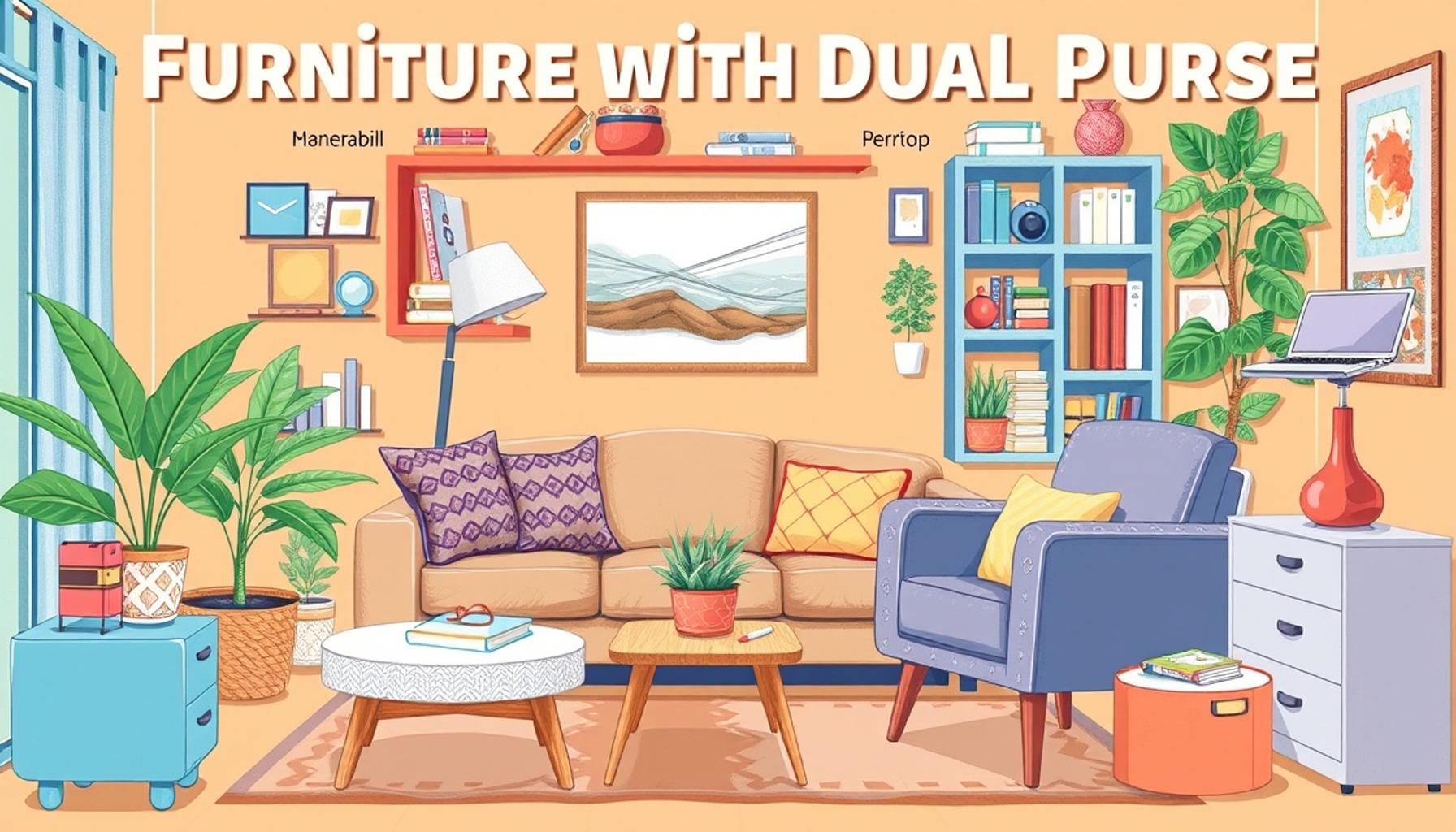
- Limited Storage: In reduced living conditions, every inch counts. A strategic approach to belongings is essential, often leading individuals to invest in multifunctional furniture, such as foldable tables or beds with built-in storage.
- Essentials Only: Deciding what to keep and what to leave can be challenging; thus, each item must be justified by its utility or emotional significance. For instance, items like a high-quality Swiss Army knife or a versatile travel journal can prove indispensable during travels.
- Mobility Needs: Comfort and convenience can often be compromised for mobility. Thus, packing lightweight clothing that can be mixed and matched or investing in compact cooking equipment ensures one can travel without being weighed down.
Spatial Efficiency as a Priority
As mobility increases, the need for spatial efficiency becomes paramount. The transitions between locations create an environment where a well-organized space can lead to numerous advantageous outcomes:
- Enhanced Accessibility: Efficient organization allows for immediate access to necessities, which can be a lifesaver when time is tight or when facing unexpected situations on the road.
- Reduced Stress: Clutter can contribute to anxiety, making it vital for nomads to maintain a calm environment. A tidy space often correlates with a peaceful state of mind, enabling better focus on the journey ahead.
- Maximized Functionality: An intelligently organized space can transform a small area into a multifunctional hub, serving as a sleeping area, workspace, and storage, all in one.
The understanding of spatial efficiency not only enhances physical organization but also enriches the day-to-day experiences of nomadic individuals. By embracing this approach, travelers can navigate the complexities of their lifestyle, discovering a harmonious relationship between the freedom of travel and the comfort of well-ordered living. As this lifestyle continues to grow in popularity, further introspection into its philosophies can guide prospective nomads toward not only exploration but also personal growth and fulfillment.
DISCOVER MORE: Click here to learn about creating minimalist routines
Mastering the Art of Packing
A key element of adopting a nomadic lifestyle is mastering the art of packing. For individuals who choose to navigate through diverse environments, whether via a van, RV, or even a backpack, packing becomes an essential skill. The ability to optimize space while maintaining access to necessary items plays a critical role in enhancing the nomadic experience. Here are some vital strategies that can facilitate efficient packing and spatial organization:
- Prioritize Versatility: One of the most effective ways to ensure that belongings serve multiple purposes is to invest in versatile gear. For example, a convertible daypack that can function both as a backpack and a shoulder bag not only saves space but also adapts to various travel scenarios. Similarly, clothing made from moisture-wicking fabrics can be used for both leisure and physical activities, reducing the need for multiple items.
- Tailor Your Packing List: Before embarking on any journey, it is crucial to draft a bespoke packing list tailored to the specific environment and activities planned. Taking into account the weather, culture, and available amenities ensures that each item included is indispensable. For instance, if traveling to a coastal area, packing swimwear and sun protection will be essential, while urban exploration may necessitate comfortable walking shoes and tech gear.
- Invest in Storage Solutions: Utilizing packing cubes or compression bags can dramatically enhance spatial efficiency. These storage solutions not only organize belongings but also maximize available space within a limited storage area. With clear visibility of each item packed, individuals can avoid the frustration of rummaging through clutter, subsequently streamlining their daily routines.
Creating an Efficient Storage System
As efficient packing transforms the way belongings are organized, establishing a storage system is equally crucial. An effective storage system prioritizes order and accessibility, ultimately enhancing the overall travel experience. Here are essential components to consider when creating such a system:
- Zoning Approach: Dividing the available space into distinct zones based on function can lead to easier navigation. For example, a designated sleeping zone, a kitchen area, and a workspace can ensure that each activity has its own space, limiting cross-contamination of items and fostering an efficient workflow.
- Labeling and Identification: For those living out of a compact space, labeling storage containers or compartments can save valuable time when searching for specific items. A simple approach could involve color-coding or using icons representative of contents, making it easier to locate essentials at a moment’s notice.
- Regularly Assessing Your Belongings: Adopting a regular review schedule of the items kept can help nomads stay intentional about what they carry. Every few months, it becomes essential to assess whether items remain useful or necessary. This periodic decluttering not only ensures optimal space utilization but also maintains an organized environment.
Embracing the principles of effective packing and an organized storage system lays the groundwork for a successful nomadic lifestyle. By recognizing the importance of spatial efficiency, individuals can enhance their ability to navigate the world while cultivating a sense of peace and control in their living spaces.
Maximizing Space Utilization
In the realm of nomadic lifestyles, space is a precious commodity. Embracing minimalism and spatial efficiency allows individuals to streamline their belongings, making travel more manageable and enjoyable. The art of packing efficiently transforms not just how we travel, but also how we connect with our surroundings. While traditional lifestyles often require a plethora of items, nomadic living challenges individuals to prioritize essentials, leading to a lighter, more liberated existence.
Innovative Organizational Tools
As the nomadic trend grows, innovative organizing tools and techniques have emerged, designed specifically for the modern traveler. For instance, compression bags, modular packing systems, and multi-functional gear make it easier to keep belongings in order and easily accessible. These products not only enhance spatial efficiency but also encourage a more intentional approach to what one carries. Such tools serve as invaluable assets to those embracing a mobile lifestyle, facilitating swift transitions from one location to another.
Emotional Well-Being and Clutter Reduction
A significant aspect of effective organization in a nomadic lifestyle is its impact on mental health. Reducing clutter has been linked to lower stress levels and improved emotional well-being. When belongings are well-organized and easy to manage, individuals experience less anxiety regarding their possessions. This focus on mindfulness and simplicity fosters not only contentment in the present but clarity for future journeys. The integration of spatial efficiency in daily life allows nomads to cultivate a sense of peace, amidst the often chaotic nature of traveling.
| Category | Advantages |
|---|---|
| Organization Techniques | Enhances efficiency and reduces stress. |
| Mindful Packing | Encourages intentionality in belongings. |
By mastering the principles of spatial efficiency, nomadic individuals not only simplify their travels but also enhance their overall quality of life, paving the way for richer experiences and deeper connections with the world around them. These lifestyle choices encourage ongoing exploration of the balance between our needs and the spaces we inhabit, fostering a deeper appreciation for both the journey and the destination.
DISCOVER MORE: Click here to learn how minimalism can streamline your social time management
Streamlining Daily Routines for Nomadic Living
Alongside effective packing and an organized storage system, another fundamental aspect of a nomadic lifestyle is streamlining daily routines. When space is at a premium, simplifying daily tasks can significantly enhance mental clarity and reduce stress. Here are essential strategies to make day-to-day life more efficient:
- Adopt a Minimalist Mindset: The foundation of a successful nomadic lifestyle is honing a minimalist outlook. This approach encourages individuals to cherish experiences over possessions, leading to a more intentional selection of items that genuinely enhance daily life. For instance, instead of bulky cooking equipment, a compact multi-tool designed for small kitchen environments can facilitate meal preparation without occupying unnecessary space.
- Routine Establishment: Building daily routines that align with the nomadic lifestyle can offer structure and predictability. This is particularly beneficial when traversing various locations. Perhaps setting aside specific times for self-care, meal preparation, or workplace tasks helps maintain focus and ensures that essential activities aren’t overlooked amid the chaos of travel. Creating a flexible schedule can promote both productivity and adaptability.
- Multi-Use Solutions: In the quest for spatial efficiency, tools that serve dual purposes can be life-savers. For example, portable solar chargers not only power electronic devices but also often serve as light sources at night. Choosing items that fulfill several roles allows nomads to reduce the load they carry, making their lifestyle sustainable and manageable.
Embracing Technology for Storage and Organization
In today’s digital age, technology has become a significant ally for nomads seeking spatial efficiency. Leveraging tech resources can facilitate more organized living and enhance accessibility to important documents and belongings:
- Cloud Storage Solutions: Utilizing cloud storage services can dramatically decrease physical clutter. Storing important documents, photos, and files online allows for instant access without the need to carry bulky physical copies. Applications such as Google Drive or Dropbox enable users to categorize and share files seamlessly, ensuring that necessary information is always at hand regardless of their geographical location.
- Smart Inventory Apps: Inventory management applications are becoming increasingly popular among nomads, allowing them to keep track of their belongings. Apps like Sortly or StuffKeeper enable users to photograph items, assign categories, and even set reminders for seasonal checks. This ensures that nomads remain aware of their possessions and can efficiently locate essential items when needed.
- Virtual Assistants: Virtual assistants such as Google Assistant or Amazon Alexa can streamline various tasks, simplifying daily schedules and keeping lists for errands or groceries. By integrating voice-activated technology, nomads can save time and effort while staying organized, ultimately enhancing spatial efficiency.
As nomadic living becomes increasingly popular, recognizing the importance of spatial efficiency can transform the way individuals organize their belongings and approach daily life. By adopting minimalism, establishing flexible routines, and leveraging technological tools, modern nomads can ensure their lifestyle is both fulfilling and manageable. With a keen focus on efficiency and organization, nomads can navigate the complexities of life on the move while maintaining peace and a sense of control over their belongings.
DISCOVER MORE: Click here to delve into the psychological benefits of decluttering
Conclusion: Mastering Spatial Efficiency in Nomadic Living
In a world where the nomadic lifestyle is gaining traction due to its inherent freedom and adventure, the significance of spatial efficiency cannot be overstated. By embracing a minimalist mindset, individuals can prioritize life experiences over material possessions, leading to a more meaningful existence while on the move. Streamlining daily routines not only fosters productivity but also ensures essential tasks are managed effectively, allowing nomads to thrive in various environments.
Moreover, with technology acting as an indispensable ally, nomads can utilize cloud storage solutions and smart inventory apps to maintain order in their belongings, making it easier to access crucial documents and personal items without clutter. Virtual assistants further simplify life on the go, demonstrating that modern solutions can enhance the age-old practice of wandering.
As more individuals embrace the nomadic lifestyle, the key to maintaining balance lies in understanding the nuances of spatial efficiency. By curating a well-organized living environment and adopting adaptable routines, nomads can not only lighten their physical load but also enrich their mental and emotional well-being. This evolving way of life invites further exploration into innovative organizational strategies, encouraging those interested to delve deeper into the methods that champion spatial efficiency and redefine the art of living on the road.