
Practical Strategies to Reduce Clutter in Different Areas of Your Home
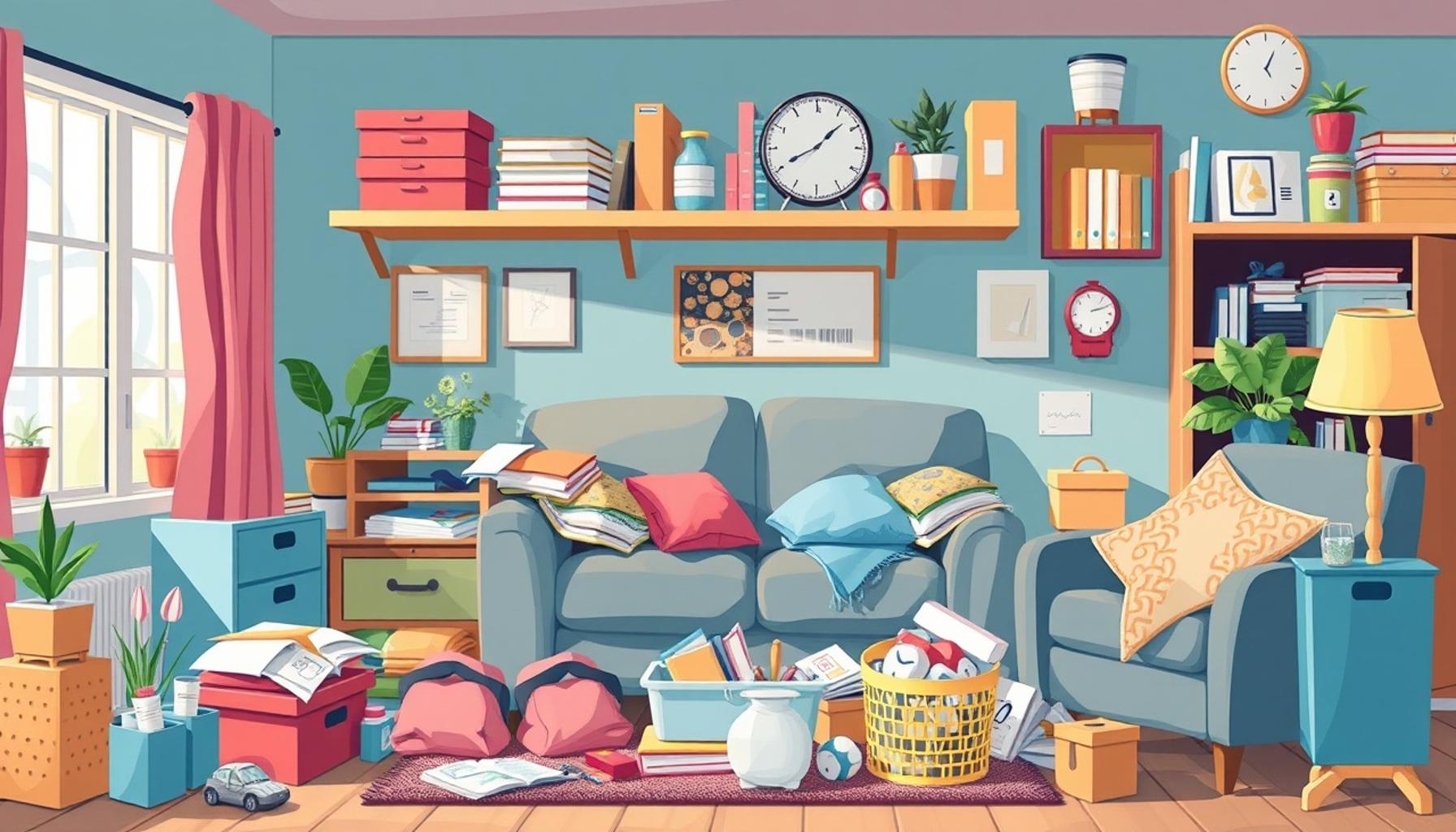
Finding Order in Chaos
Every home can become a cluttered sanctuary. The struggle with mess is familiar to many, but there are practical strategies available to restore balance. From overflowing closets to chaotic kitchens, the solutions are within reach. Understanding the nature of clutter and the spaces in which it breeds is the first step towards creating a more serene environment.
Understanding the Impact of Clutter
Clutter can affect your mental and physical well-being in significant ways. It can:
- Increase stress levels due to a chaotic environment. Numerous studies indicate that excessive clutter can trigger anxiety and a sense of overwhelm, making it difficult to relax in one’s own space.
- Reduce productivity by making tasks harder to complete. A messy workspace can slow down your focus and efficiency. For instance, a study by Princeton University found that too much visual clutter can hinder one’s ability to concentrate.
- Deplete energy with constant distractions. The visual noise of clutter can consume cognitive resources, leaving you fatigued and unmotivated. This often results in the feeling of being drained after coming home from work, even if you haven’t done anything physical.
Exploring Common Areas of Clutter
Different areas of your home may require tailored approaches to tackle clutter effectively. Here are the most impacted zones:
- Living Rooms: These frequently collect books, magazines, and random décor, creating a haphazard aesthetic. A quick way to reassess this space is to gather items that haven’t been used in the last six months and consider donating or recycling them.
- Kitchens: Often the heart of the home, kitchens can quickly become cluttered with appliances and cooking gadgets. Implementing a ‘one-in, one-out’ rule can ensure that for every new item introduced, an old item must leave the space.
- Bedrooms: A common spot for clothes, shoes, and various personal items left strewn about. Establishing a designated spot for laundry and making it a habit to return items to their rightful place can transform a chaotic bedroom into a calm retreat.
Each space deserves a fresh perspective and organized approach. Creating a clutter-free home can enhance not only your living environment but also your overall quality of life. Ready to reclaim your space? Let’s dive into effective strategies that can help.
Consider the benefits of regular decluttering sessions and even involve family members in the process. Teach children the importance of organization by making it a fun activity. A minimalist philosophy might also resonate with those looking to simplify their lives by focusing on essentials and eliminating the unnecessary. The journey to a serene space starts with a single step, so let your exploration begin today!
DISCOVER MORE: Click here to learn how mindfulness can enhance your living space</
Effective Strategies to Tackle Clutter in Key Areas
When it comes to reducing clutter, a focused approach in different areas of your home can lead to lasting results. Each room has unique challenges, and identifying tailored strategies can transform your space from chaotic to serene. Here are some practical methods to consider as you embark on your decluttering journey:
1. Decluttering the Living Room
The living room is often a central gathering spot in any home, making it susceptible to clutter from various activities. Start by conducting a thorough assessment of your space. Implement these strategies to regain control:
- Establish designated zones: Create specific areas for reading materials, electronic devices, and personal items. This encourages everyone in the household to keep things in their designated spaces.
- Limit decorative items: While decorative pieces can enhance your living space, having too many can create visual clutter. Aim for fewer, more meaningful pieces that bring joy and serve a purpose.
- Schedule regular clean-outs: Set aside a day each month to reevaluate your living room. Use this time to remove items that have accumulated unnecessarily since your last clean-out.
2. Reevaluating the Kitchen Space
The kitchen is essential for daily living, but it can quickly become overwhelmed with gadgets, appliances, and utensils. To streamline this space, consider the following:
- Categorize your items: Group similar items together, such as cooking tools, baking supplies, and pantry items. This makes it easier to find what you need and highlight duplicates that can be discarded.
- Utilize vertical space: Make the most of your kitchen by using wall-mounted shelves or hooks, freeing countertop space and keeping frequently-used items easily accessible.
- Implement a pantry audit: Take a closer look at your pantry and dispose of expired items. This audit will not only create space but also help you take stock of what you have for meal planning.
3. Organizing the Bedroom
Your bedroom should be a sanctuary conducive to rest and relaxation, yet it’s easy for it to fall prey to clutter. Here are some strategies to create a more tranquil environment:
- Develop a nightly routine: Spend five to ten minutes each night putting items back in their place. This simple habit can prevent the accumulation of clutter over time.
- Invest in storage solutions: Utilize under-bed storage bins or multi-functional furniture, like ottomans with built-in storage, to hide away seasonal clothes or extra bedding.
- Practice the “30-day rule”: If you haven’t worn or used an item for 30 days, consider donating it. This can help clear out clothes that may no longer serve your needs.
By implementing these targeted strategies for different areas of your home, you’ll be well on your way to creating a clutter-free environment. A little effort in organization can yield significant benefits, paving the way for a more peaceful and productive life. Ready to declutter? Let’s explore more tips and tricks in the sections to come!
Practical Strategies to Reduce Clutter in Different Areas of Your Home
In today’s fast-paced world, clutter can quickly accumulate in various parts of our homes, leading to chaos and unrest. However, employing practical strategies can significantly diminish clutter and create a more organized living environment. Below, we delve into methods tailored for specific areas of your home, making sure you experience the serenity of a decluttered space.
| Category | Strategies |
|---|---|
| Living Room | Use multifunctional furniture to minimize unnecessary items and encourage storage within. |
| Kitchen | Implement a ‘one-in, one-out’ rule for utensils and cookware to prevent accumulation. |
| Bedroom | Create designated zones for items and declutter regularly to reflect your current needs. |
| Bathroom | Simplify toiletries by keeping only the essentials and storing larger items elsewhere. |
Embracing these strategies will not only aid in managing clutter but also bring harmony to your daily life. Each area of your home can transform into a functional and peaceful space when equipped with the right organizational techniques. Stay tuned as we further explore actionable methods to tackle clutter in your personal spaces.
EXPLORE MORE: Click here to discover the psychological benefits of decluttering
Streamlining Other Essential Spaces in Your Home
While the living room, kitchen, and bedroom are often focal points for clutter, other areas in your home can also benefit significantly from targeted decluttering strategies. Let’s delve into some additional rooms and spaces that often accumulate clutter, along with effective methods to restore order.
4. Managing the Home Office
As remote work becomes increasingly common, the home office can quickly transform from a productivity hub into a cluttered mess. Here are some strategies to help maintain an efficient workspace:
- Go paperless: Embrace digital solutions as much as possible. Scanning documents and using cloud storage can greatly reduce the amount of physical paperwork taking up valuable space.
- Create defined work zones: Segment your desk into areas for tasks such as computing, paperwork, and other supplies. This structured approach minimizes distractions and facilitates focus.
- Regularly review supplies: Keep essential office supplies stocked, but regularly review and dispose of items that are broken, outdated, or no longer used. This practice helps maintain a tidy work environment.
5. Refreshing the Bathroom
Bathrooms can often feel cramped and overwhelming, particularly when products begin to pile up. Implement these strategies to create a cleaner, more organized space:
- Declutter medicine cabinets: A thorough clean-out of expired medications and unused toiletries is vital. Remember to follow local guidelines for safe disposal of medications.
- Use tiered storage: Maximize vertical space in cabinets by using tiered organizers for small items, ensuring everything is visible and accessible without rummaging through clutter.
- Limit counter items: Only keep daily essentials visible on the counter to prevent visual overload. Store non-essential items in drawers or cabinets to create a streamlined look.
6. Optimizing the Garage
The garage can often become a catch-all for miscellaneous items and a common stronghold for clutter. Follow these strategies to turn your garage into a more functional space:
- Sort items into categories: Divide your belongings into categories such as tools, sports equipment, and holiday decorations. This makes it easier to locate items quickly and identify what can be discarded or donated.
- Utilize wall storage: Use pegboards or wall-mounted shelves to keep frequently-used items off the floor, freeing up space for larger items and vehicles.
- Plan seasonal clean-outs: Treat the garage like a seasonal closet. Every spring or fall, take time to review and clear items that haven’t been used in the past year.
With thoughtful strategies in place for these additional areas of your home, you can create an organized environment that supports both functionality and peace of mind. Each room presents its own unique set of clutter challenges, but with consistent efforts, it’s possible to cultivate a stress-free, orderly space throughout your entire home. Interested in discovering more tips for specific areas? Let’s keep the conversation going and explore additional solutions that can help you maintain a clutter-free oasis!
DIVE DEEPER: Click here to discover the psychological benefits of decluttering
Conclusion
Reducing clutter in your home is not just about tidiness; it’s a pathway to creating a more functional and serene living environment. Throughout this article, we’ve explored practical strategies tailored to various spaces in your home, from the bustling kitchen and cozy bedroom to the often overlooked home office and garage. Each area presents unique challenges, but with dedicated efforts and strategic planning, decluttering can lead to a more harmonious atmosphere.
Implementing organizational techniques, such as utilizing tiered storage in bathrooms or creating defined work zones in home offices, can significantly enhance usability while minimizing visual chaos. Moreover, committing to regular clean-outs fosters not only an orderly space but also promotes mindfulness about possessions and their necessity. Establishing a rhythm of maintenance, such as seasonal reviews of items in the garage or routine assessments of office supplies, ensures clutter doesn’t creep back in.
As you embark on your decluttering journey, remember that the goal is not perfection, but rather progress. Adjust these strategies to fit your lifestyle, and celebrate small victories along the way. By embracing a clutter-free mindset, you not only improve your living spaces but also elevate your overall well-being. Interested in gaining further insight or specific techniques for different areas? Feel free to explore the conversation, as building a peaceful home is a continuous and rewarding journey.