Reimagining Storage: Creating Efficient Space Solutions with Minimalist Furniture
Unlocking the Power of Minimalism in Storage
As urban living spaces get smaller, the need for efficient storage solutions becomes essential. Minimalist furniture not only simplifies aesthetic choices but also maximizes functionality. Embracing a minimalist approach can transform cluttered spaces into organized environments, allowing residents to reclaim their living areas from the chaos of overstuffed drawers and crammed closets.
Key Features of Minimalist Furniture
- Multi-functionality: Look for furniture that serves more than one purpose, like a coffee table with hidden storage, which can house magazines and remote controls while still serving its primary function.
- Space-saving designs: Opt for items that can be easily collapsed or stacked, such as folding chairs or nesting tables, providing convenience and adaptability in compact spaces.
- Sleek lines and neutral colors: Choose designs that contribute to an open feel. Colors like white, gray, or beige help reduce visual clutter, allowing the eye to rest and creating an ambiance of calm.
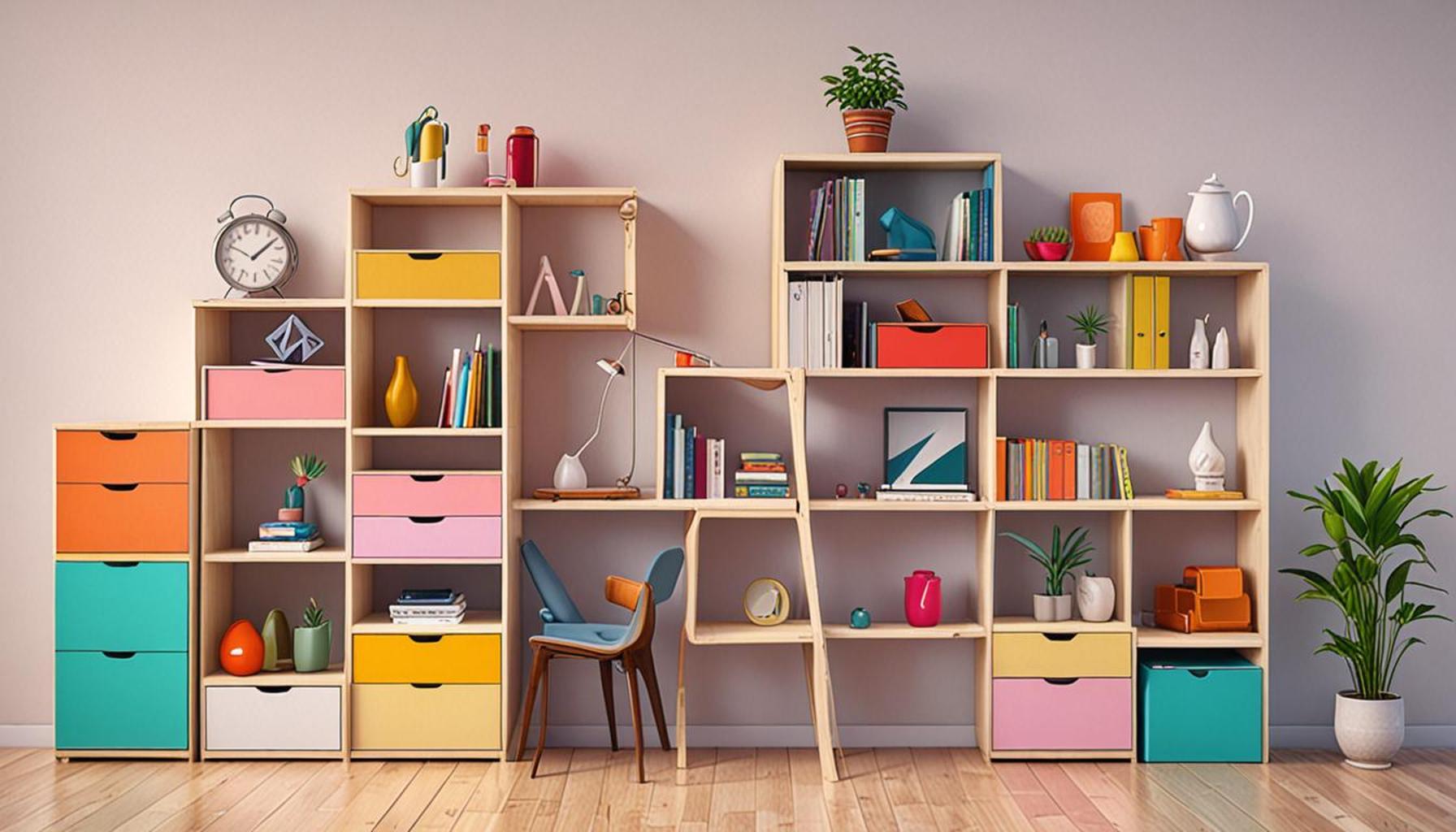
Minimalist furniture doesn’t just declutter; it innovates. For example, a storage bench can provide additional seating while discreetly holding blankets or children’s toys, making it ideal for family rooms. Wall-mounted shelves are another excellent solution. They utilize vertical space efficiently while adding aesthetic appeal, making them perfect for showcasing books or plants without taking up precious floor space.
Why Minimalism Matters
In a landscape where accumulation often leads to overwhelming clutter, adopting minimalist furniture can foster a simpler, more serene lifestyle. Studies have shown that a minimalist environment can promote mental clarity and reduce stress, enhancing overall well-being. With fewer distractions in your living space, you can focus on what truly matters, whether it’s enjoying quality time with family or pursuing personal projects.
The appeal of minimalism is not solely rooted in aesthetics; it’s also about cultivating functional spaces that cater to an efficient lifestyle. Minimalism encourages intentionality in how we select our belongings. Instead of filling a room with unnecessary pieces, the focus shifts to choosing high-quality items that serve a purpose and enhance your daily life. This mindset promotes sustainability, as each item in your home has significance and value, discouraging consumerism.
As you explore minimalist options, consider integrating furniture from brands that embrace sustainable production methods or supports local artisans. This not only enhances your space aesthetically but also contributes to a greater purpose, aligning your living choices with your environmental values. Ultimately, the journey into minimalism invites individuals to declutter their physical surroundings while simultaneously simplifying their mental landscape.
DISCOVER MORE: Click here to learn how intentional design can elevate your organization routine
Exploring Innovative Storage Solutions
In a world where urban dwellers often face the challenge of living in compact quarters, the quest for efficient storage solutions has never been more crucial. Minimalist furniture offers a compelling answer, as it not only prioritizes simplicity but also emphasizes the importance of functionality. By integrating minimalist designs into our homes, we can revitalize spaces that might otherwise feel cramped or chaotic, fostering both practicality and tranquility.
Functional Versatility
One of the standout characteristics of minimalist furniture is its inherent multi-functionality. Many pieces are ingeniously designed to serve various roles, which is particularly beneficial in smaller spaces where versatility is key. For instance, a sleek, minimalist sofa can easily transform into a comfortable bed for overnight guests, while a compact dining table can extend to accommodate dinner parties. These types of furniture pieces not only maximize usability but also minimize the need for excess items, further enhancing your living environment.
Creative Storage Ideas
Investing in minimalist storage solutions can also help redefine how we perceive and utilize our space. Here are some innovative ideas to inspire your journey toward a more organized home:
- Under-bed storage: Utilize this often-overlooked area for storing seasonal clothing or extra bedding in decorative bins, keeping your bedroom clutter-free while also being easily accessible.
- Ottomans with hidden compartments: These versatile pieces serve as stylish seating while discreetly holding items like toys, blankets, or even books, merging function and fashion.
- Wall-mounted shelving: Elevate your decor while creating practical storage solutions. Stylish shelves free up floor space and allow you to display your favorite items without overwhelming the room.
- Storage cubes: Whether stacked or placed under a console table, these multifunctional units are perfect for organizing magazines, craft supplies, or any everyday items that contribute to clutter.
These clever solutions showcase how minimalist furniture can significantly contribute to a streamlined, organized space. Beyond just appearance, the choice of minimalist furniture aligns with a broader movement towards sustainable living. As more consumers seek durable, purposeful designs, brands are responding by offering products that reflect these values. Not only do these selections benefit individual homes, but they also promote a conscious approach to consumption, reducing waste and fostering a healthy environment.
Transforming Your Space
Embracing a minimalist lifestyle is about making intentional decisions concerning your possessions and overall living environment. By selecting furniture that carries significant value and purpose, you can cultivate a home that encourages mindfulness and reduces unnecessary distractions. The shift towards minimalist furniture is not about depriving oneself; it’s rather about simplifying life to enhance what truly matters.
As you venture into the world of minimalist design, remember that every choice counts—each piece can either add to the clutter or enhance the efficiency of your space. By embracing minimalism, you unlock the door to an organized, peaceful sanctuary that reflects your values and supports your daily life.
Reimagining Storage with Minimalist Furniture
In an era where space is at a premium, minimalist furniture presents an innovative solution to storage dilemmas, transforming how we perceive and utilize our living areas. By embracing a sleek aesthetic and functionality, minimalist designs cut through the clutter, encouraging a streamlined environment that amplifies space efficiency. One pivotal advantage of minimalist furniture is its adaptability. Pieces such as nesting tables, multifunctional ottomans, and wall-mounted shelves seamlessly integrate into various settings, providing ample storage without compromising style. This flexibility results in a living space that feels more open and organized, enhancing not only aesthetic appeal but also the overall ambiance.Moreover, minimalist furniture often emphasizes quality over quantity. Investing in fewer, high-quality items promotes sustainability while ensuring durability and functionality. The emphasis on timeless designs makes these furnishings suitable for any interior, whether modern, rustic, or contemporary. Why settle for bulky, less efficient storage solutions when your living space can be enhanced with clever design choices that redefine how we store and access our belongings?By creatively reimagining storage solutions, minimalist furniture allows individuals to maintain a clutter-free life, optimize every square inch of their space, and enjoy a harmonious living environment. As you explore this exciting design philosophy, you may discover unique strategies to shape your own efficient space solutions.
DIVE DEEPER: Click here to learn how intentional design shapes sustainable material choices
Maximizing Small Spaces with Minimalist Designs
The modern American lifestyle often requires creative approaches to maximize small spaces. Well-designed minimalist furniture not only highlights aesthetics but also allows for strategic spatial planning that transforms cramped areas into functional zones. By focusing on lines, shapes, and light hues, minimalist furniture can give the illusion of a larger space, making rooms feel open and inviting.
Combination Furniture: The Key to Versatility
Incorporating combination furniture pieces is essential for creating a fluid living experience. For example, a foldable desk can double as a dining area in tiny apartments. When not in use, it can collapse against the wall, creating a more expansive environment. Similarly, Murphy beds have gained popularity in the United States, evolving significantly from their traditional designs, now often featuring integrated shelving, lighting, and even side tables. This approach allows individuals to have the best of both worlds—an organized workspace by day and a cozy bedroom by night.
Smart Organizing Solutions
The shift towards minimalist living encourages innovative organizing solutions that can ease the management of clutter without sacrificing style. A few noteworthy ideas include:
- Pegboards: This versatile tool, frequently seen in garages, can be stylishly configured in living spaces to hold everything from kitchen utensils to office supplies, while also serving as a dynamic aesthetic element.
- Over-the-door organizers: Using the back of doors is an often-underutilized space. Consider installing organizers that can hold shoes, accessories, or even pantry items, all while remaining discreet.
- Magnetic strips: Ideal for kitchens and bathrooms, magnetic strips can hold metal tools or even beauty products, saving counter space and providing easy access to daily essentials.
These smart organizing solutions complement the minimalist ethos and facilitate a more efficient living environment. As consumers grow more conscious of their environmental impact, the popularity of sustainable materials for minimalist furniture continues to rise. Furniture brands are increasingly using reclaimed wood, recycled metal, and eco-friendly finishes, embracing the idea that responsible consumption can coexist with modern design.
The Aesthetic of Minimalism
Minimalism isn’t just about storage; it’s also about creating a visual narrative that resonates with homeowners. The strategic use of color and texture plays a crucial role in a minimalist approach to furnishing spaces. Neutral colors, large windows that allow natural light, and minimal decor can make a smaller home feel airy and expansive. Paint colors such as soft grays, creams, and pastel shades can blend beautifully with minimalist furniture to create cohesion.
This aesthetic is increasingly embraced in urban architecture, with buildings designed to accommodate minimalist layouts featuring open floor plans. The importance of integrating nature into small spaces also cannot be overstated. Incorporating plants not only purifies the air but adds a touch of life to an otherwise streamlined environment. Vertical gardens and hanging planters are excellent options for maximizing greenery in minimal footprints.
Ultimately, the allure of minimalist furniture lies in its ability to convey a sense of calm amid the chaos of contemporary life. By welcoming innovation and thoughtful design, homeowners can discover that reimagining storage isn’t merely about solving problems—it’s about creating a lifestyle that elevates everyday living through simplicity and purpose.
DISCOVER MORE: Click here to learn about sustainable organization
Conclusion
As we navigate through increasingly compact living environments, the significance of reimagining storage through minimalist furniture cannot be overstated. The synergy between form and function within these designs not only fosters innovation but also enables individuals to embrace a lifestyle that prioritizes efficiency and simplicity. By leveraging smart organizing solutions, such as combination furniture, pegboards, and over-the-door organizers, homeowners can declutter their spaces, creating serene atmospheres devoid of chaos. This approach extends not just to how we store our belongings but also in how we visualize and experience our homes.
Moreover, the push towards sustainable materials in minimalist furniture manufacturing reflects a broader cultural shift towards responsible consumption. As urban centers evolve, the integration of natural elements and the emphasis on airy aesthetics will further enhance the appeal of minimalist living. These trends signify a conscious effort to harmonize our environments with our lifestyles, ultimately leading to improved mental well-being and quality of life.
In conclusion, transitioning to minimalist furniture doesn’t merely address the practicalities of limited space; it encourages a holistic rethinking of how we interact with our environments. By adopting these principles, we can not only optimize our storage solutions but also invest in creating spaces that are not only functional but genuinely resonate with our aspirations for a balanced and meaningful life. As we look to the future, embracing minimalism stands as a beacon of clarity amidst the complexities of modern living.