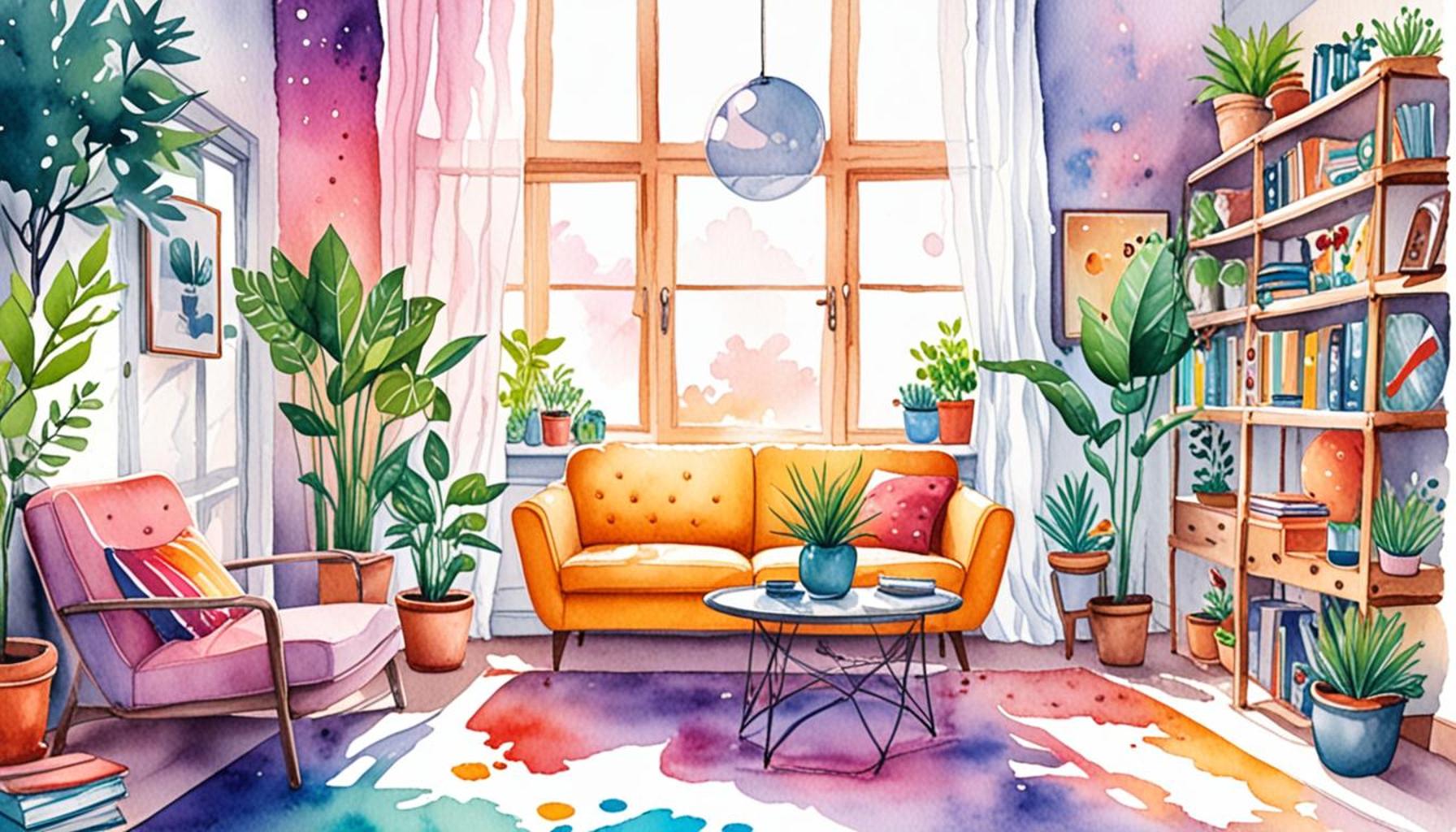
Simplified Living and Stress Reduction: How Less Can Be More
The Transformative Power of Simplified Living
In modern society, the overwhelm of daily demands can feel suffocating. Many individuals find refuge in the idea of simplified living, which encourages the removal of excess and the embrace of only what truly matters. This intentional approach to life promotes the notion that less can, indeed, be more—a concept not just applicable to material goods but also to mental and emotional landscapes.
Decluttering Spaces
Decluttering our physical environments serves as a fantastic starting point for anyone interested in simplified living. Research has suggested that clutter can contribute to increased levels of stress and anxiety. A report from the Psychological Science Journal indicates that a disorganized home can overwhelm the brain, making it hard to focus on tasks. By systematically clearing out unnecessary items, individuals can create more serene spaces that foster mental clarity and productivity. For instance, Marie Kondo’s widely popular decluttering method encourages keeping only the items that “spark joy,” a philosophy that has helped countless people transform their living spaces.
Digital Minimalism
In an age dominated by technology, digital minimalism plays a vital role in reducing stress. Studies indicate that excessive screen time can lead to feelings of anxiety and depression. By consciously limiting social media use and reducing notifications, individuals can reclaim their time and mental space. Tools like apps that track screen time and set limits, or practices such as having tech-free zones in the home, can help foster this balance. The principle here is to create an online environment that enhances rather than detracts from personal well-being.
Intentional Choices
Simplified living also encourages making intentional choices that prioritize fulfilling experiences over mere consumerism. A focus on quality over quantity leads individuals to engage more deeply with life. Instead of buying the latest gadget, one might choose to invest in a memorable vacation with loved ones. This shift not only deepens relationships but also enriches life’s tapestry far beyond what material items can offer. A study from the University of Massachusetts found that people often report greater happiness from experiences rather than possessions, highlighting the value of experiences in our pursuit of fulfillment.
With statistics revealing that over 40% of Americans experience daily stress, adopting simple living practices can be a powerful antidote. The principles of minimalism—whether through decluttering, digital detox, or intentional experiences—can significantly improve quality of life. By making a conscious effort towards simplification, individuals can create a more balanced lifestyle where peace of mind prevails.
The journey towards less can open doors to a more organized, enriching life. Are you curious to discover how adopting a minimalist lifestyle can reshape your day-to-day experience? Embrace this exploration and consider the profound impact it may have on your overall well-being.
DISCOVER MORE: Click here to learn about prioritizing essentials in your personal spaces
Creating Space for Tranquility
One of the foundational elements of simplified living is the idea of creating physical space that promotes tranquility and well-being. Spaces that are cluttered and confusing often mirror our internal chaos, making it challenging to find peace amidst the noise of everyday life. A systematic approach to decluttering can significantly impact mental health and overall happiness. The objective should not merely be to remove items but to cultivate an environment that reflects our values and desires.
The Psychological Benefits of Clear Spaces
Research indicates that a clean and organized home can lead to improved psychological health. A study published in the journal *Personality and Social Psychology Bulletin* found that individuals living in cluttered homes reported higher levels of stress and feelings of being overwhelmed. By eliminating unnecessary items and establishing order, homeowners often experience remarkable benefits, including:
- Enhanced focus: With fewer distractions, it’s easier to concentrate on tasks at hand.
- Reduced anxiety: A minimalist environment can lead to a decrease in stress levels, ultimately promoting emotional stability.
- Increased productivity: Organized workspaces contribute to greater efficiency in both personal and professional tasks.
- Improved mood: Living in a serene space has a positive effect on our overall happiness and well-being.
Moreover, the process of decluttering itself can be therapeutic. Many choose to view it as a form of self-care; a way of prioritizing mental clarity and emotional health by literally making space for better things—be it nurturing relationships, pursuing hobbies, or embracing new experiences. Simply put, when our spaces reflect who we are and what we value, it becomes much easier to feel at home within ourselves.
Mindful Consumption
An essential aspect of simplified living extends beyond physical items; it encompasses practicing mindful consumption. In today’s consumer-driven world, where advertising inundates us with messages urging us to buy more, adopting a more intentional approach can feel revolutionary. By focusing on what we truly need and desire, we free ourselves from the chains of consumerism that often lead to stress and discontent.
Mindful consumption involves:
- Evaluating purchases: Before making a decision, consider whether that item aligns with your values and truly adds value to your life.
- Choosing experiences over things: Investing in moments—like spending time with loved ones or exploring new interests—often yields more lasting happiness than material possessions.
- Embracing sustainability: Opting for sustainable products not only reduces waste but also contributes to a sense of purpose and responsibility.
As individuals carve out their own path toward simplified living, they begin to unravel the endless cycle of acquisition and consumption. By fostering a lifestyle that prioritizes quality over quantity, one can experience a profound shift in mindset, leading to decreased stress and a more enriched life overall. Simplifying our environments and consumption patterns can create a ripple effect, encouraging serenity in every facet of life.
The philosophy of simplified living not only emphasizes the benefits of decluttering physical spaces but also advocates for mental clarity and emotional well-being. In a world bombarded by constant distractions, the drive to simplify can serve as a powerful antidote to stress. By focusing on what truly matters, individuals can create harmonious environments that promote peace and tranquility.
One key aspect of this lifestyle shift is the practice of mindfulness. This involves being present in the moment, acknowledging thoughts without judgment, and cultivating a sense of awareness in daily activities. Mindfulness can enhance personal relationships, improve productivity, and foster a greater appreciation for life’s simplified pleasures.
Additionally, adopting minimalism encourages individuals to examine their consumption habits. By purchasing less and valuing quality over quantity, people are better equipped to make conscious decisions that enrich their lives rather than complicate them. This careful curation transforms the living space into a sanctuary—an oasis free from the chaos of excess.
Moreover, the positive shift towards simplified living can extend to financial health. Embracing a minimalist lifestyle often means spending less on unnecessary items, freeing up resources for experiences that add value to one’s life. With fewer financial obligations, stress levels diminish, allowing individuals to focus on personal growth and fulfillment.
Incorporating these principles into daily life promotes a cycle of positivity. As individuals start to experience the clarity and freedom that come with simplicity, they may find themselves more resilient in the face of life’s challenges. Ultimately, the journey toward a simplified life is not merely about reducing clutter, but also about enhancing the overall quality of existence.
| Category | Key Features & Benefits |
|---|---|
| Mindfulness | Enhances mental clarity and emotional well-being through present-moment awareness. |
| Minimalist Spending | Encourages conscious purchasing, enhancing financial health by reducing unnecessary expenses. |
Through these reflections, the concept of less truly becomes more, as individuals rediscover the richness of life rooted in simplicity and intentional living.
DISCOVER MORE: Click here to learn about mindfulness and social connections
The Joy of Minimalism
Minimalism is not merely an aesthetic choice; it’s a lifestyle that emphasizes the beauty of living with less. In recent years, many individuals across the United States have embraced this philosophy, seeking solace in simplicity as a means of stress reduction. It champions the idea that having fewer possessions can lead to a more meaningful and fulfilling life, allowing us to focus on what truly matters.
Unpacking Material Attachments
To engage in minimalism, one must confront the emotional attachments that bind us to our belongings. These emotional ties can evoke a paradox: while we may feel secure with our possessions, they can also cause stress and anxiety. The act of decluttering serves as a powerful exercise in letting go. According to a survey conducted by the National Association of Realtors, approximately 42% of respondents reported feeling burdened by clutter, illustrating the widespread impact on daily living.
By recognizing that possessions do not equate to happiness, individuals can begin to make peace with the idea of parting with items that no longer serve a purpose. This liberation often leaves room for personal growth and better mental health outcomes. Embracing minimalism encourages a reflection on values, aiding individuals in prioritizing experiences that enrich their lives instead of material items that weigh them down.
Fostering Simplicity through Intentional Living
The path to simplified living is paved with intentional choices that extend beyond our physical surroundings. It incorporates a holistic approach to life by simplifying schedules and commitments, which often creates a more fulfilling lifestyle. A study published in the *Journal of Health Psychology* found that individuals who intentionally reduce their commitments report higher levels of life satisfaction and lower stress levels.
Some ways to cultivate intentional living include:
- Setting boundaries: Learning to say “no” to commitments that do not align with your values frees up time for what truly matters.
- Prioritizing self-care: Allocating time for mental and physical health activities, such as meditation or exercise, cultivates a calming environment internally and externally.
- Creating routines: Establishing structured yet flexible routines not only maximizes productivity but also promotes a sense of control in one’s life.
Intentional living allows individuals to carve out time for mindfulness, reducing stress and aiding in emotional resilience. Each choice composes the narrative of one’s life, and by intentionally filtering out the excess, we derive greater meaning from our experiences.
The Ripple Effect of Simplified Living
Adopting a simplified lifestyle can have a profound impact, extending well beyond one’s personal space. It inspires others to rethink their own lives, creating a community built on shared values of simplicity and mindfulness. As conversations around mental health and well-being grow, so too does the communal desire for a less burdensome lifestyle.
Furthermore, this shift towards simplicity can significantly benefit the environment. Focusing on sustainable practices—such as reducing waste and choosing eco-friendly products—not only aligns with minimalism but also contributes to a healthier planet. This holistic approach to simplified living can foster a sense of communal well-being, emphasizing that living with less can indeed lead to a higher quality of life—for ourselves and for the world around us.
DISCOVER MORE: Click here to learn how intentional design can enhance your space
Embracing Simplicity for a Stress-Free Life
In the fast-paced world we inhabit, the allure of simplified living offers a refreshing perspective on achieving stress reduction and emotional well-being. By intentionally choosing to embrace minimalism, individuals unlock the potential for a more fulfilling existence, free from the burden of excess. This journey is about more than just decluttering our physical spaces; it challenges us to unearth what is essential in our lives and craft a lifestyle centered on meaningful experiences.
As we confront the emotional attachments linked to our possessions, we often discover that true happiness comes not from accumulating items, but from nurturing connections and fostering personal growth. The act of saying “no” to commitments that drain our energy and overwhelm our schedules further emphasizes the importance of setting boundaries, prioritizing self-care, and cultivating mindfulness. Each intentional choice contributes to our narrative of simplicity and peace.
Moreover, the ripple effects of adopting a minimalist lifestyle can extend into our communities and the environment. As more individuals commit to sustainable practices and conscious living, we not only contribute to our personal well-being but also advocate for a healthier planet and a more connected society. In essence, living with less truly cultivates a greater appreciation for life’s rich tapestry.
As you explore the concept of simplified living, consider the opportunity it presents—not just for yourself, but for those around you. Embrace the idea that sometimes, less truly is more. With every step towards simplicity, you not only reduce your stress but also enrich your life in ways that resonate far beyond the individual.