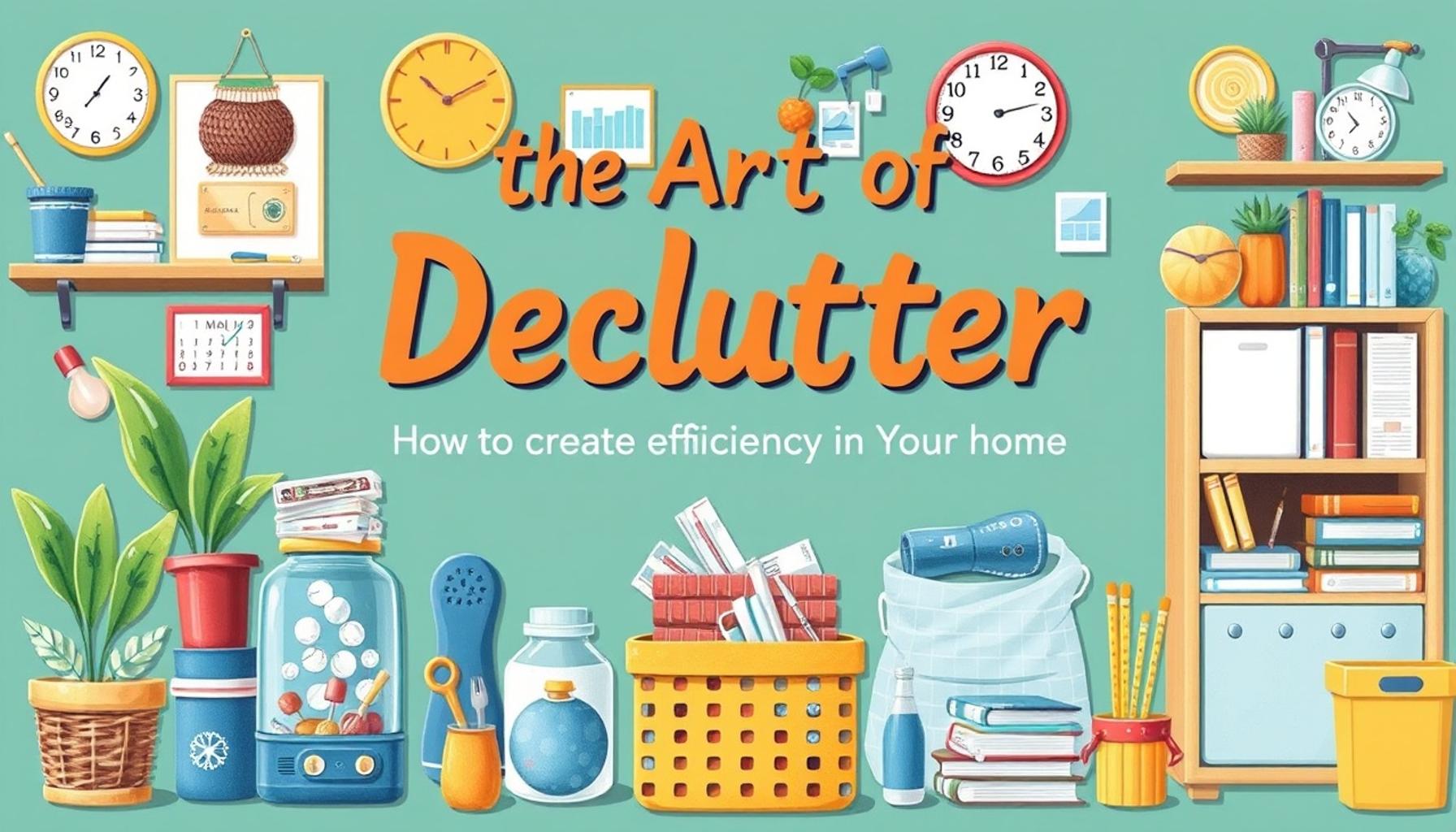
The Art of Decluttering: How to Create Space Efficiency in Your Home
Understanding the Importance of Decluttering
In today’s fast-paced world, clutter can easily accumulate, turning our living spaces into chaotic environments. The act of decluttering is not just about tidying up; it’s a crucial strategy for enhancing our mental well-being and increasing space efficiency. By creating a streamlined home, we allow ourselves to breathe easier and focus on what truly matters.
Consider the benefits of a decluttered home:
- Improved Focus: A tidy space reduces distractions. Various studies indicate that individuals working in organized environments experience better concentration levels, enhancing their daily productivity.
- Increased Productivity: You’ll find everything you need more quickly. For example, having a dedicated space for important documents allows for swift retrieval, reducing the time spent searching amidst piles of paperwork.
- Enhanced Aesthetics: A clean home invites harmony and beauty. A visually pleasing environment not only elevates one’s mood but may also enhance overall creativity; many artists and creative professionals advocate for a clutter-free workspace to foster inspiration.
But how does one embark on this transformative journey? Here are essential steps to get started:
- Assess Your Space: Identify areas that overwhelm you. Walk through your home and take inventory of spaces that feel chaotic. It could be a messy garage, overflowing closet, or even a disorganized home office.
- Set Clear Goals: Define what you want to achieve. Whether it’s creating a peaceful bedroom environment or having a functional kitchen, clear goals can guide your efforts and keep you motivated.
- Start Small: Tackle one space at a time, like a drawer or a closet. By completing small tasks, you can witness immediate results that motivate you to continue the decluttering process.
Along the way, consider methods such as the “Four-Box Method,” where you categorize items as keep, donate, trash, or relocate. This technique can streamline decision-making and help you actively engage in the process.
Throughout this article, we will explore additional techniques and approaches for effective decluttering. By adopting these methods, you can unlock the potential within your home while fostering a sense of peace and organization. Not only does decluttering create a more functional living space, but it can also provide a refreshing mental reset. Are you ready to reclaim your space?
DISCOVER: Click here to learn about the benefits of minimalism
Practical Steps to Start Your Decluttering Journey
As you embark on the quest to achieve space efficiency in your home, it becomes vital to adopt structured approaches that can help you maintain momentum. Decluttering can feel daunting, especially when faced with years of accumulated possessions. Yet, breaking down the process into manageable tasks can make it a rewarding experience. Here are some practical steps to kickstart your decluttering journey:
- Establish a Decluttering Schedule: Consistency is key. Dedicate specific times each week to focus solely on decluttering. Whether it’s an hour on Saturday mornings or 20 minutes every evening, a set schedule can help you build a habit that leads to significant progress over time.
- Implement the 80/20 Rule: Most people use only 20% of their belongings 80% of the time. Evaluate your items and keep only those that you actively use or cherish. This realization can help you part ways with items that occupy your space but serve no purpose in your daily life.
- Use the “One In, One Out” Principle: For every new item you bring into your home, consider removing one. This practice promotes critical thinking about purchases and prevents clutter from creeping back into your space.
- Embrace the “Sentimental Value” Challenge: Many struggle with items tied to memories. If you find it difficult to let go, consider taking photos of these items. Capture the sentiment without needing to keep the physical object, thus freeing up space without losing memories.
Additionally, one of the most effective methods is the KonMari Method, created by Marie Kondo. This method encourages individuals to keep only those items that “spark joy.” To apply this, gather similar items in one location, sift through them, and only retain those that resonate with your happiness. This not only reinforces the emotional aspect of decluttering but also enhances your connection with your belongings.
Effective Storage Solutions
Once you have decluttered, the journey does not end—it’s essential to organize what remains. Space efficiency is about utilizing every nook and cranny effectively. Consider these storage solutions:
- Multi-Functional Furniture: Opt for pieces that serve dual purposes, such as ottomans with storage or beds with drawers. This approach maximizes your space while keeping it stylish.
- Labeling System: Use labels on bins and boxes to create a clear and organized storage system. It enables everyone in your household to know where items belong, reducing future clutter.
- Vertical Space Utilization: Take advantage of walls with shelves or hooks. This not only frees up floor space but also adds visual interest to your home.
Adopting these strategies can create a more organized and efficient environment that reflects your best self. The journey to decluttering may be challenging, but with clear steps and effective organization techniques, you can reclaim your home from chaos and embrace the serenity of an orderly space.
| Advantage | Description |
|---|---|
| Enhanced Mental Clarity | A decluttered space promotes focus and reduces anxiety, allowing individuals to concentrate better on tasks at hand. |
| Improved Functionality | Creating an organized environment enhances everyday routines and maximizes the utility of available space. |
The process of decluttering not only rearranges your physical environment but also significantly affects your psychological well-being. For instance, studies have shown that maintaining an orderly home can lead to improved focus, reduced stress levels, and enhanced productivity. By removing physical distractions, your mind can better engage with the tasks that require your attention.Moreover, functionality plays a crucial role in how efficiently we utilize our space. Each item we choose to keep should serve a purpose. By evaluating possessions critically, homeowners can transform their spaces from chaotic to functional, ultimately maximizing their living environments. This involves not just discarding unwanted items but also implementing smart storage solutions that enhance space efficiency. Techniques like vertical storage or multi-purpose furniture exemplify how creativity in organization can lead to an inviting and efficient home.
DIVE DEEPER: Click here for more insights
Rethinking Your Possessions: The Emotional Side of Decluttering
Decluttering is not merely a physical act; it is also an emotional journey. To truly embrace the art of decluttering and achieve space efficiency, understanding your relationship with objects is essential. Many individuals often hold onto items due to emotional attachment or societal conditioning. However, it’s crucial to distinguish between what you truly value and what is merely occupying space. Here are detailed strategies to help navigate the emotional side of decluttering:
- Understand Your Triggers: Reflect on what prompts you to hold on to certain items. Is it guilt, nostalgia, or societal pressure? Recognizing these triggers can empower you to make more informed decisions about what to keep.
- Set Clear Intentions: When starting a decluttering session, take a moment to set intentions for your space. Ask yourself what kind of environment you want to cultivate. Clear intentions can keep you focused and motivated as you sift through your possessions.
- Practice Mindful Decision-Making: Instead of hastily deciding what to keep or discard, adopt a mindful approach. Hold each item in your hands, and consider its functionality and emotional resonance. This practice fosters a deeper connection with your belongings and encourages thoughtful choices.
Furthermore, when it comes to discarding items, consider the environmental impact. Many people are becoming increasingly aware of sustainability and, as such, education surrounding mindful disposal is paramount. Research local recycling centers, donation facilities, and second-hand markets, such as Goodwill or Habitat for Humanity. Items that may not serve you can find new life and purpose in someone else’s home.
Embracing Minimalism for Lasting Change
Minimalism offers a lifestyle shift, focusing on experiences over possessions, and can significantly aid in your decluttering efforts. By adopting a minimalist mindset, you begin to see the benefits of space efficiency more clearly. Here’s how to navigate minimalistic living:
- Start Small: Begin with a single drawer or shelf. Minimalism does not require drastic changes overnight. Small, consistent actions lead to sustainable habits, making it easier to maintain a clutter-free home.
- Emphasize Quality Over Quantity: When making purchases, consider the quality and longevity of an item rather than its quantity. Investing in fewer, high-quality pieces promotes not only space efficiency but also financial savings in the long run.
- Designate a “Clutter-Free Zone”: Choose specific areas in your home, like a study or living room corner, that will remain clutter-free. This space can serve as a sanctuary, reinforcing positive habits and offering a visual reminder of the benefits of decluttering.
To further enhance your journey toward space efficiency, staying informed through books, blogs, or podcasts centered on minimalism and decluttering can provide ongoing inspiration and techniques. Resources like “The Life-Changing Magic of Tidying Up” by Marie Kondo or “Essentialism: The Disciplined Pursuit of Less” by Greg McKeown can offer valuable insights. Transformation doesn’t happen overnight, but with persistence and the right mindset, you can create a home that is not only efficient in space but also reflective of your true self.
EXPLORE MORE: Click here for insights on creating your serene sanctuary
Transforming Your Space into a Sanctuary
In conclusion, mastering the art of decluttering is not just about creating a visually appealing space; it’s about fostering a harmonious environment that reflects your values and lifestyle. As you navigate through the process, remember that space efficiency hinges on a blend of emotional awareness and practical strategies. Understanding your attachments, establishing intentions, and making mindful decisions can not only lighten your physical load but also free you from emotional baggage.
Embracing minimalism and prioritizing quality over quantity allows you to curate a home that elevates your everyday experiences. Start with small changes—dedicating a drawer or a room—and build momentum toward a clutter-free sanctuary. A designated “clutter-free zone” can serve as your retreat, motivating you to maintain the space you’ve worked hard to create. By integrating sustainable practices in your decluttering efforts, such as donating or recycling unwanted items, you further contribute to a positive cycle of consumption.
Education is the key to long-lasting transformation. Continue to seek inspiration from books, podcasts, and online communities that focus on minimalism and efficiency. Remember, the journey of decluttering is ongoing; it is not a one-time event but a lifestyle choice that evolves with you. With each small effort, you can cultivate a space that’s not only efficient but also a true reflection of your identity and aspirations. Start today, and watch how the act of decluttering can transform not only your home but your entire life.