The Art of Living with Less: How Minimalism Can Transform Your Personal Space into an Efficient Refuge
Discover the Power of Minimalism
In an era defined by an incessant influx of information and material possessions, the concept of minimalism stands out as a transformative philosophy. It encourages individuals to distill their lives down to the essentials, urging a focus on deliberate choices and deeper connections rather than a superficial accumulation of things. The minimalist lifestyle does not merely stop at decluttering, it serves as a guiding principle for creating an environment that fosters serenity and personal growth. By adopting minimalism, you can convert your living space into a haven that promotes mental clarity and emotional well-being.
The Benefits of a Minimalist Lifestyle
A minimalist lifestyle offers a plethora of benefits that resonate on both psychological and financial levels.
- Increased Clarity: A decluttered space leads to greater mental clarity. Research has shown that when surroundings are tidy, individuals often report lower levels of anxiety, as there are fewer stimuli to divert their attention.
- Enhanced Focus: Minimalism enables enhanced focus by minimizing distractions. For instance, a clean desk can improve productivity at work or during study sessions, allowing individuals to immerse themselves fully in their tasks.
- Financial Savings: By embracing minimalism, you are more likely to engage in intentional purchasing behavior. This not only curtails unnecessary spending but also promotes savings over time. For example, investing in a few high-quality items instead of numerous cheap ones can lead to long-term financial stability.
Your environment plays a critical role in shaping your overall well-being. Each item you possess contributes to a cumulative mental load, often leading to chronic stress. Therefore, by prioritizing quality over quantity and selecting items that truly align with your values, you create a sanctuary that nurtures your spirit and enhances your daily life.
Minimalism in Action
Embarking on a minimalist journey need not be an overwhelming task. Here are some actionable steps to help you begin:
- Evaluate your belongings critically: Take the time to assess each item and ask yourself whether it serves a purpose or brings joy to your life.
- Eliminate items that don’t serve a purpose: Donating clothes you no longer wear or recycling old electronics can free up valuable space and offer items a second life.
- Choose multi-functional furniture: Opt for pieces that serve multiple purposes, such as a bed with built-in storage or a coffee table that doubles as a workspace. This not only minimizes clutter but maximizes the utility of your living area.
As you take steps towards a minimalist lifestyle, you will come to understand that this approach is not solely about relinquishing possessions. Instead, it is about liberating yourself from the superfluous, thus creating space for the aspects of life that enrich your experience—be it relationships, creativity, or personal growth. Are you ready to explore how minimalism can significantly reshape your personal space? Engage further with the art of living with less, and unlock the transformative potential that comes from simplifying your life. The journey is not merely about decluttering your home, but also about cultivating a more intentional and fulfilling existence.
DIVE DEEPER: Click here to discover mindful habits for self-care
Crafting Your Sanctuary: Decluttering for Better Living
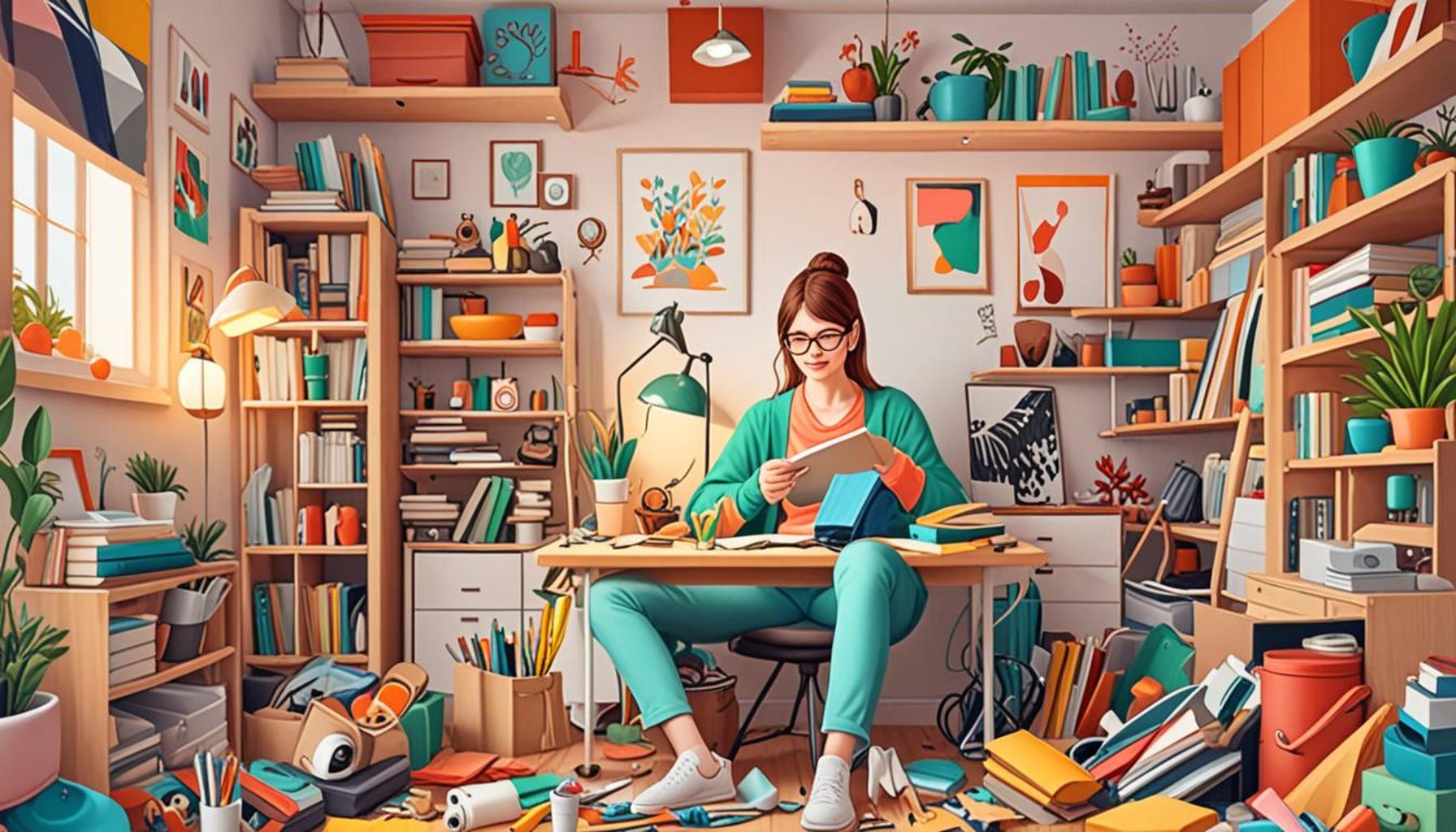
The journey towards minimalism begins with the art of decluttering, which is not simply about ridding your space of excess but creating a sanctuary that reflects your true self. In essence, decluttering is the first step in transforming your home into a peaceful refuge that encourages not only relaxation but also efficiency. Every item in your home communicates a message, so it is crucial to evaluate the purpose and value each piece adds to your life.
To effectively declutter your personal space, implement the following strategies:
- The 60-Second Rule: If you encounter an item you’ve been meaning to deal with, give yourself just 60 seconds to decide its fate. Will you keep it, donate it, or discard it? This quick decision-making can help eliminate procrastination.
- One In, One Out: For every new item you bring into your home, make it a rule to part with something else. This principle helps maintain balance and prevents further accumulation.
- Room by Room Approach: Tackle decluttering one space at a time. Start with a small room or even a single drawer. Completing these smaller areas can provide a sense of accomplishment, motivating you to continue.
- Sentimental Items: It’s natural to hold onto items loaded with memories, but consider whether they are emotionally enriching or simply occupying space. Limit yourself to a few cherished pieces displayed artfully, which can bring warmth without overwhelming your environment.
- Digital Decluttering: Minimalism extends beyond the physical space. Take time to unsubscribe from email lists, clear out old files, and organize digital photos. A tidied virtual world can lead to improved focus and decreased stress.
Throughout this decluttering process, keep in mind that minimalism is about intention. Each item should serve a purpose, whether it’s functional or emotional. As you gradually let go of the unnecessary, you’ll likely feel lighter, both physically and mentally.
Creating an Efficient Design
A minimalist approach fosters the optimal design of your personal space. This doesn’t mean stripping it bare; rather, it involves making thoughtful choices that cater to your needs and preferences. Consider investing in quality over quantity—less can indeed be more when it comes to selecting furniture and decor. For instance, choosing a few striking works of art can invigorate your space without overwhelming it with clutter.
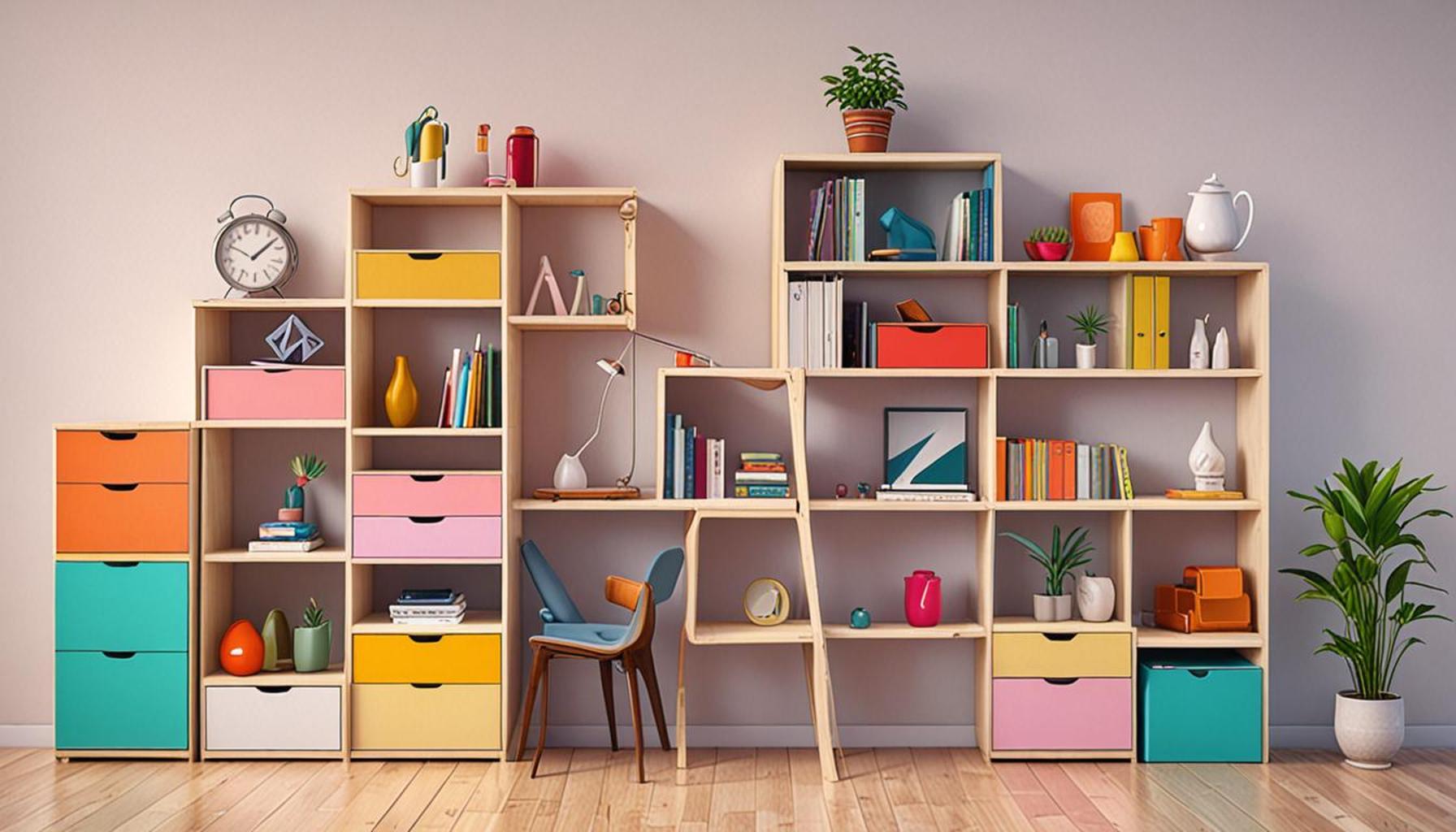
Another design principle is to ensure that every piece of furniture has a dual purpose. Items that serve multiple functions not only save space but also contribute to a more efficient flow within your home. A fold-out table, a sofa bed, or shelving that doubles as a display for personal treasures can effectively enhance your environment.
Ultimately, minimalism is about more than just aesthetics; it’s about creating a space that reflects your values and supports your well-being. As you embark on this transformative journey, remember that every action you take is a step towards crafting a place that not only shelters you but also inspires you to thrive in the life you aspire to lead.
| Advantages of Minimalism | Transformative Benefits |
|---|---|
| Enhances Focus | A decluttered environment can lead to increased concentration and productivity, allowing you to focus on what truly matters. |
| Promotes Well-Being | Minimalism helps reduce stress by eliminating distractions, fostering a serene and calming atmosphere in your personal space. |
Embracing minimalism can significantly declutter not just your physical space, but also your mind. The principles of “The Art of Living with Less” revolve around intentionality and awareness in your choices, which leads to a simplified lifestyle filled with efficiency and purpose. By focusing on necessities rather than excess, individuals often discover newfound clarity and energy in their daily routines.For many, the push towards minimalism serves as a liberating journey—one that encourages thoughtful consumption. Each possession can then be appreciated for its function and significance, rather than just being another item occupying space. Not only does this lifestyle cultivate a sense of freedom, but it can also enhance your aesthetic choices, as each item is intentionally curated to create harmony within your surroundings.Furthermore, the emotional tranquility gained from simplifying your life can lead to lasting behavioral changes, often prompting individuals to foster a deeper relationship with the resources they own. Minimalism not only transforms physical spaces but can also revolutionize individual perspectives towards materialism as a whole, offering a pathway that invites mindfulness and deeper appreciation of life’s most precious aspects.
DISCOVER MORE: Click here to learn about intentional design
Maximizing Functionality: The Power of Intentional Living
As you delve deeper into the minimalist lifestyle, the focus gradually shifts from merely decluttering to maximizing functionality within your personal space. This shift in perspective encourages you to not only select items that are beautiful and functional but also ensures that these items contribute positively to your everyday routines. The concept of intentional living aligns perfectly with minimalism, turning your home into an efficient refuge that supports your life rather than complicates it.
One effective way to implement intentional living is through zoning your space. By dividing your home into specific areas dedicated to particular activities—such as working, relaxing, exercising, or expressing creativity—you create a clear boundary that enhances your focus and productivity. For example, a corner of your living room could be transformed into a cozy reading nook, which not only provides a designated spot to unwind but also prevents clutter from spilling into other areas of your life. The more defined your zones are, the easier it becomes to maintain the simplicity of each space.
Understanding the importance of flow is essential in a minimalist lifestyle. Each piece of furniture should be arranged to facilitate movement, reducing the friction that often comes with a crowded space. Consider the principle of negative space—the areas you leave empty are just as important as the pieces you choose to include. Properly utilizing negative space invites a sense of calm and balance while ensuring that your home feels open and inviting.
Curating a Meaningful Environment
A minimalist approach encourages you to curate an environment that resonates with your essence, which often involves creating a meaningful home. This can be achieved by surrounding yourself with items that spark joy or relate to your personal values. Instead of filling your walls with generic art, consider showcasing pieces that tell a story or symbolize the experiences that shape who you are. This could include photographs from your travels, handmade crafts from local artisans, or even a collection of books that have influenced your philosophy.
Moreover, the choice of color palette plays an instrumental role in enhancing your living space’s atmosphere. A carefully selected, cohesive color scheme fosters a sense of tranquility and unity. Soft, muted tones can create a calming environment, while bright, vibrant colors can energize and inspire—although moderation is key. Strive for a balance that resonates with your personality and promotes the ambiance you wish to cultivate.
In addition, embracing nature by incorporating indoor plants can significantly improve both the aesthetic and psychological quality of your space. Plants not only purify the air but also lend a sense of serenity and life to an otherwise sterile environment. Research shows that exposure to nature can reduce stress and enhance creativity, making it a valuable addition to your minimalist endeavor.
Finally, think about your rituals. Minimalism isn’t merely about reducing possessions—it’s about creating a lifestyle that invites ease and joy into your daily routine. Whether it’s a dedicated time for morning meditation or a ritualistic evening wind-down, these moments serve as anchors, reminding you that a minimal lifestyle is also a deliberate choice to foster a sense of peace.
Embracing these principles can help transform your personal space into a truly efficient refuge, one that not only accommodates your necessities but also enhances your quality of life. The art of living with less ultimately leads to more—more clarity, more peace, and more room for what genuinely matters.
DISCOVER MORE: Click here to learn how to let go
Embracing the Minimalist Journey
In conclusion, the journey towards minimalism is not simply about shedding belongings; it is an empowering act of reclaiming your space and making deliberate choices that enhance your life. By embracing the art of living with less, you create a sanctuary that nurtures your well-being, fosters clarity, and ultimately reflects who you are. The principles of intentional living and functionality encourage us to curate spaces that work for us, rather than against us.
Moreover, as you redefine your personal environment through strategic zoning and the thoughtful selection of meaningful items, you unlock the potential to cultivate tranquility and focus in your daily routines. It’s worth noting that the benefits of minimalism extend beyond aesthetics—they contribute positively to mental clarity and emotional stability, making your home a true refuge from the chaos of daily life.
As you embark on this transformative path, consider the role of rituals and nature, which can enrich your minimalist lifestyle. With every mindful choice, you not only simplify your space but also invite more joy, peace, and creativity into your life. The art of living with less ultimately leads us to discover what truly matters, creating room for growth and connection. So why not take that first step? Embrace minimalism, and witness how your personal space can become a harmonious sanctuary that reflects your true essence.