
The Evolution of Facial Care: From Ancient Egypt to the Modern Era

A Rich Tradition in Facial Care
The pursuit of flawless skin is not merely a modern obsession; it is a rich tapestry woven through the fabric of human history across diverse cultures. From the luxurious rituals of Ancient Egypt where beauty was both a personal and spiritual endeavor, to the dynamic innovations in today’s skincare industry, the evolution of facial care reflects not just the desire for aesthetic appeal but also the broader societal values and advancements in science that have influenced our standards of beauty over the ages.
Some key milestones in facial care vividly illustrate this rich history:
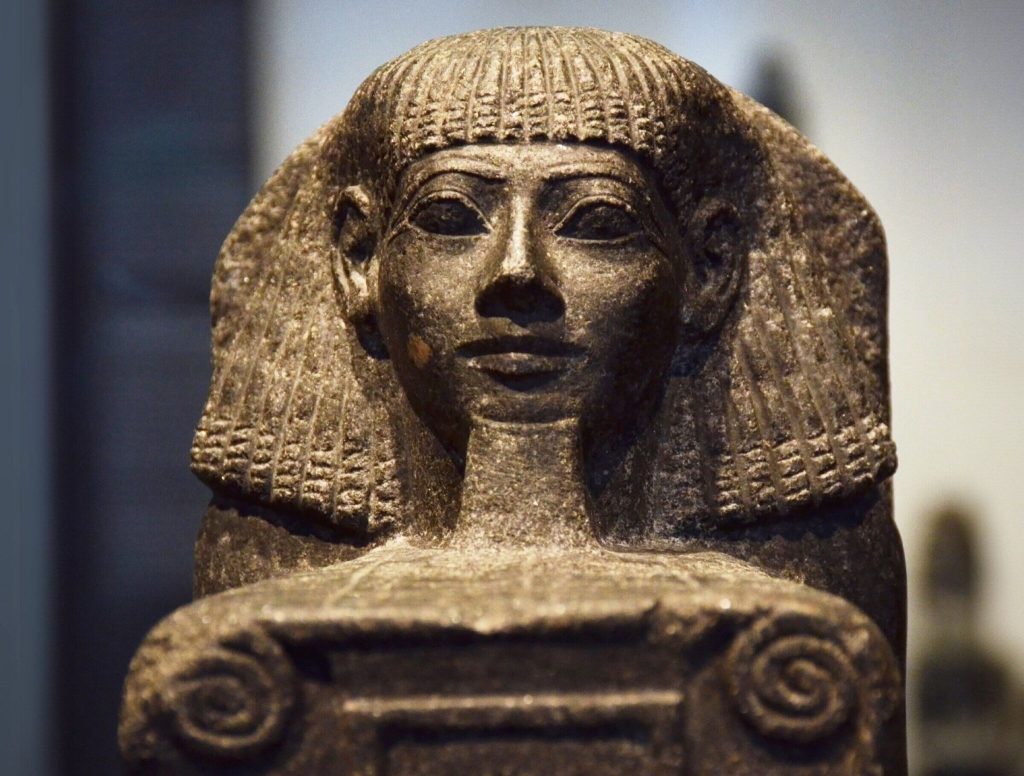
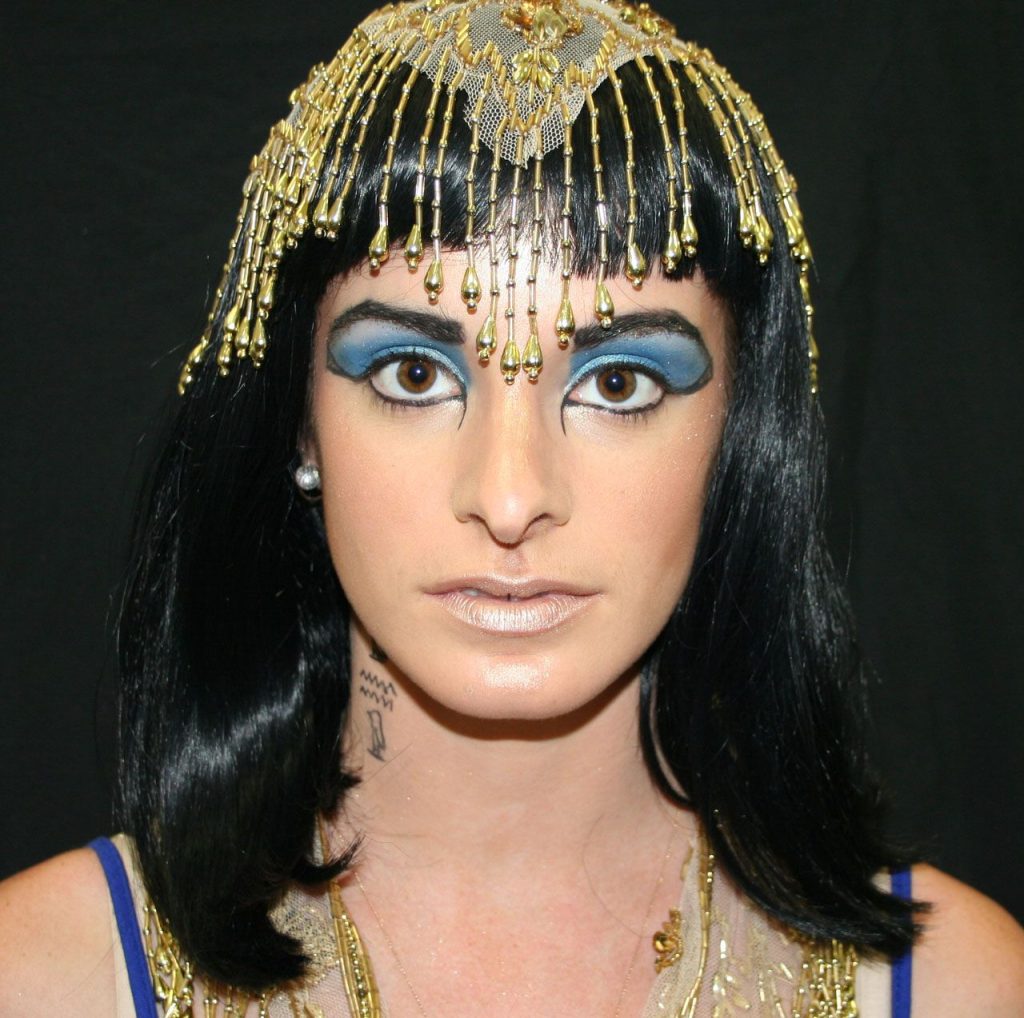
- Ancient Egypt: The Egyptians were among the first to exploit natural ingredients for skincare. They used honey, olive oil, and milk to hydrate and shield their skin from harsh climates, while also utilizing essential oils for relaxation and calming aromatic effects during their beauty rituals. Noteworthy is the iconic Cleopatra, who was reputed to bathe in milk to achieve her renowned smooth complexion.
- Greece and Rome: The ancient Greeks and Romans advanced facial care by integrating cleansing and exfoliating agents into their routines. Olive oil combined with salt served as an effective exfoliant while maintaining skin sheen, showcasing how early civilizations linked skincare with both hygiene and social status.
- The Middle Ages: Despite a period where simple living prevailed, royal courts in Europe saw the development of herbal remedies used for cosmetic purposes while women of nobility experimented with cosmetics. Ingredients like rose water and ground minerals were employed to enhance beauty, revealing a sense of ritual and the desire to maintain appearances despite changing societal norms.
- The 20th Century: A turning point in facial care arrived with the commercialization of skincare products. Innovations in dermatological science led to the formulation of creams and serums targeting specific skin conditions, thereby expanding the market significantly. Companies like Estée Lauder and Clinique began to dominate, making skincare a household pursuit and part of everyday life.
In today’s world, consumers are met with an overwhelming choice of products—serums, peels, masks, and moisturizers—all promising to restore youthful vitality and enhance skin health. The rise of social media and beauty influencers has propelled awareness of skincare ingredients and routines, often rooted in ancient practices.
Understanding the historical context behind these practices is vital; it highlights the cultural significance of beauty and the progression toward inclusivity and diversity in skincare. As we explore this fascinating evolution, we see how ancient traditions continue to influence modern skincare and wellness trends, ultimately leading to a deeper appreciation of both our past and present beauty rituals.
DISCOVER MORE: Click here to learn about the latest trends
The Foundations of Facial Care: Ancient Practices and Ingredients
The remarkable journey of facial care begins in the fertile lands along the Nile, where the people of Ancient Egypt established a framework that would influence beauty standards for centuries. Their understanding of the skin’s needs led to the innovative use of natural ingredients in elaborate beauty rituals. Honey, known for its medicinal and hydrating properties, served as an early moisturizer, while olive oil provided a smooth barrier against the elements. These foundational practices gave rise to a culture that revered beauty as an essential component of daily life, thus setting a precedent for the global pursuit of skincare.
As the centuries rolled on, the beauty rituals of the ancient Egyptians inspired neighboring civilizations. Greece and Rome continued the tradition, weaving in their own approaches to skincare. The Greeks elevated facial care to an art form by advocating for a holistic approach that emphasized both external and internal beauty. They introduced the idea of cleansing and exfoliating the skin, often using a mixture of olive oil and salt, which not only polished the skin but also reflected the cultural emphasis on personal hygiene as a sign of virtue. This practice was mirrored in Roman baths, where public bathing became a central social activity. Between luxurious baths and the use of scrubs and oils, the Romans marked a transition to a more systematic and communal form of skincare, showing how societal values shaped beauty protocols.
The dynamic evolution of facial care took an interesting turn during the Middle Ages. While Europe experienced an age of religious conservatism and simplicity, beauty did not fade entirely. The aristocracy sought ways to enhance their appearances amidst societal restrictions. Women of nobility turned to herbal remedies that included ingredients like rose water, believed to possess soothing properties. They also utilized ground minerals to create pigments for makeup, showcasing an evolving relationship with beauty that began to intertwine with personal identity even in restrictive times. This period highlighted a more mysterious side of beauty, where herbal concoctions were often viewed as potions with potent effects, blurring the lines between skincare and superstition.
Entering the 20th century, the landscape of facial care underwent a seismic shift with the advent of modern cosmetic science. This era heralded the arrival of commercial skincare products designed for specific needs, tapping into newly discovered ingredients and formulations. Innovations, such as dermatological advancements and human skin studies, led to an explosion of creams, serums, and treatments targeting various skin conditions. Brands like Estée Lauder and Clinique emerged, transforming facial care from a luxury into a mass-market commodity. This marked the commencement of an era where beauty could be accessible and diverse, challenging the notion of elite beauty standards established in historical contexts.
- Natural Ingredients: Ancient civilizations utilized available resources for skincare, laying the groundwork for ingredient innovation.
- Holistic Approaches: Cultures merged beauty with hygiene, revealing a deeper understanding of skin health.
- Commercialization: The shift towards modern products made skincare a common aspect of everyday life.
The narrative of facial care weaves a rich history that leads to the multitude of options available today. By understanding our historical roots, we gain insight not only into the evolution of products but also into the cultural implications surrounding beauty. The interplay of tradition and innovation continues to shape our modern perspectives on skincare, making the evolution from Ancient Egypt to the Modern Era a tale worth exploring further.
The Evolution of Facial Care: From Ancient Egypt to the Modern Era
The journey of facial care has witnessed significant transformations over the centuries, shaped by culture, science, and individual perception of beauty. Ancient Egypt set the stage for innovative beauty rituals, where the use of natural ingredients like olive oil, honey, and milk helped to hydrate and nourish the skin. Both men and women adorned themselves with kohl to accentuate their eyes, showcasing the intricate relationship between makeup and skincare that persists today.
During the Roman Empire, facial care became even more sophisticated. Romans embraced the use of thermal baths and herbal infusions to cleanse and rejuvenate the skin. They introduced exfoliation as a pivotal aspect of facial care, utilizing natural scrubs made from ground grains or salt. Women of this era were known to experiment boldly with various oils and masks, laying the groundwork for modern skincare products.
As we transitioned into the Middle Ages, there was a distinct shift in the perception of beauty and hygiene, heavily influenced by societal norms and religious beliefs. Ingredients like rosewater and aloe vera were commonplace, signaling an early understanding of plant-based efficacy in skincare. Even then, the preservation of youthful skin remained a universal desire, echoing throughout the ages.
The Renaissance brought about a resurgence in the appreciation of beauty and skincare. The era was marked by a renewed interest in ancient Greek and Roman texts, leading to the rediscovery of classical skincare methods. This period also saw the introduction of cosmetics and more elaborate beauty routines, as women aspired to emulate the ideal beauty standards portrayed in art.
As we moved into the 20th century, the cosmetic industry began to flourish. New technologies and scientific advancements introduced groundbreaking ingredients such as retinol, hyaluronic acid, and various active botanicals. Skincare became more accessible, sparking the global beauty revolution that emphasized individuality and self-expression.
Today, in our fast-paced modern era, the landscape of facial care is more diverse than ever. With a focus on sustainability and clean beauty, consumers are becoming increasingly aware of the ingredients they choose to apply to their skin. Innovations in biotechnology are ushering in a new era of personalized skincare, allowing for tailored solutions to meet unique individual needs. The exploration of the history of facial care not only provides insights into past routines but also inspires a harmonious blend of tradition and innovation in our current practices.
| Category | Key Features |
|---|---|
| Herbal Infusions | Natural cleansing and rejuvenation |
| Sustainability | Focus on clean and eco-friendly ingredients |
DIVE DEEPER: Click here to discover the latest in personalized beauty treatments
The Rise of Beauty Standards: The 20th Century to Present
The 20th century marked a pivotal moment in the evolution of facial care, characterized by a burgeoning interest in structured skincare routines that took the beauty world by storm. The introduction of commercial skincare brands revolutionized how individuals approached their facial care. In the aftermath of World War II, there was a cultural shift in the perception of beauty that propelled brands such as Estée Lauder, Clinique, and Lancome into the spotlight. These companies capitalized on advancements in cosmetic chemistry, meticulously marketing their products to promise enhanced beauty and skin health.
During this era, the salience of social media began to emerge, significantly altering communications around beauty standards. With the advent of television and later, the internet, women and men alike had access to a plethora of skincare advice. Beauty influencers and celebrities began to showcase their skincare routines, providing glimpses into their personal regimens and amplifying the importance of tailored skincare products. This democratization of beauty information laid the groundwork for an era where knowledge and product access were no longer confined to a select few but rather spread far and wide.
As the century progressed, the development of cosmeceuticals – a hybrid of cosmetics and pharmaceuticals – emerged, further merging the realms of skincare and health. Ingredients such as retinol, known for its efficacy in reversing signs of aging, became household names among skincare aficionados. New technologies allowed for deeper penetration of topical treatments, producing formulations that specifically addressed acne, hyperpigmentation, and signs of aging. Such innovations not only refined personal skincare regimens but also fostered a greater awareness of the skin’s functions and needs.
The 1990s saw an increase in interest around sustainable and clean beauty, as consumers became more educated about the ingredients within their products. A significant focus shifted towards natural and organic cosmetics, echoing a return to the foundational practices seen in ancient cultures. This conscious consumerism paved the way for brands emphasizing eco-friendly packaging and ethically sourced ingredients, forging a direct link to the ancient traditions of ingredient transparency and authenticity.
- Commercialization of Skincare: How brands transformed accessibility to beauty and skincare products.
- The Role of Media: The influence of television and the internet on beauty standards and skincare routines.
- Technological Advancements: The transition to customized skincare solutions through innovative ingredients and formulations.
- Conscious Consumer Movement: The resurgence of natural ingredients and sustainable practices in modern skincare.
Today, the exploration of facial care continues as trends evolve with society’s changing values. The rise of personalization is reshaping skincare once more, enabling consumers to curate products that are tailored to their specific skin type and concerns. From ancient traditions to modern science, the quest for flawless skin reveals an ongoing narrative rich with cultural insights, innovation, and personal journeys. As we explore this landscape, it becomes evident that the evolution of facial care is not just about products, but rather a reflection of our values, aspirations, and identity.
DISCOVER MORE: Click here
Conclusion: A Timeless Journey in Facial Care
The evolution of facial care, from the rituals of Ancient Egypt to the highly personalized regimes of today, showcases the dynamic interplay between culture, innovation, and consumer consciousness. Throughout history, societies have sought to enhance beauty, utilizing available resources and knowledge to create effective skincare routines. The transition from natural remedies to the commercialized products of the 20th century reflects a significant shift in how beauty standards have been shaped and perceived.
As advancements in cosmetic chemistry and technology have occurred, consumers have gained access to a plethora of skincare options tailored to their unique needs. The role of social media and beauty influencers has democratized beauty knowledge, allowing for a broader and more diverse understanding of skincare. Today, informed consumers are drawn toward sustainable and clean beauty products, highlighting a renewed appreciation for the ingredients historically favored by ancient civilizations.
This continuous journey underscores that skincare is not only about aesthetics but also a mirror reflecting societal values and identities. The current emphasis on personalization in facial care indicates that consumers are more empowered than ever to take charge of their skincare journey, making informed choices that echo the simplicity and authenticity of ancient practices.
Engaging with this rich history opens avenues for further exploration of cultural rituals, ingredient efficacy, and the future of skincare innovations. As we navigate forward, the past remains our guide, continuing to inform our quest for healthy, radiant skin.