The Impact of Mindful Living on Creating Minimalist and Functional Spaces at Home
Understanding Mindful Living
In an age characterized by constant stimuli, the push towards mindful living has emerged as a refreshing antidote to the chaos that often surrounds us. This philosophy not only cultivates awareness but encourages individuals to curate their environments with intention and care. Embracing a minimalist approach allows for a profound shift in both personal spaces and perspectives, fostering a profound sense of peace and well-being.
Decluttering: The Power of Letting Go
Decluttering serves as a cornerstone of mindful living, inviting individuals to evaluate their belongings critically. By letting go of items that no longer serve a purpose, individuals can create not only physical space but also mental clarity. For instance, consider the popular “KonMari Method,” pioneered by Marie Kondo, which promotes tidying by category rather than location. This method suggests that we should only keep items that “spark joy,” which resonates well with the principles of mindful living. As a result of decluttering, many have reported increased focus and a more peaceful home environment, allowing room for personal growth and creativity.
Intentional Design: Purpose Over Aesthetics
Next, we explore intentional design, where each piece—whether furniture or decor—is chosen for its significance and utility. This approach dismantles the idea of aesthetics over function, proposing instead that our living spaces must reflect our values and lifestyle. For example, consider a multifunctional coffee table that doubles as storage; this not only serves a practical purpose but also aligns with minimalist principles, keeping the living area organized and visually appealing. Additionally, choosing ethically sourced materials can elevate the essence of a home while promoting sustainability—an aspect increasingly valued by American homeowners.
Simplified Living: Fostering Peace
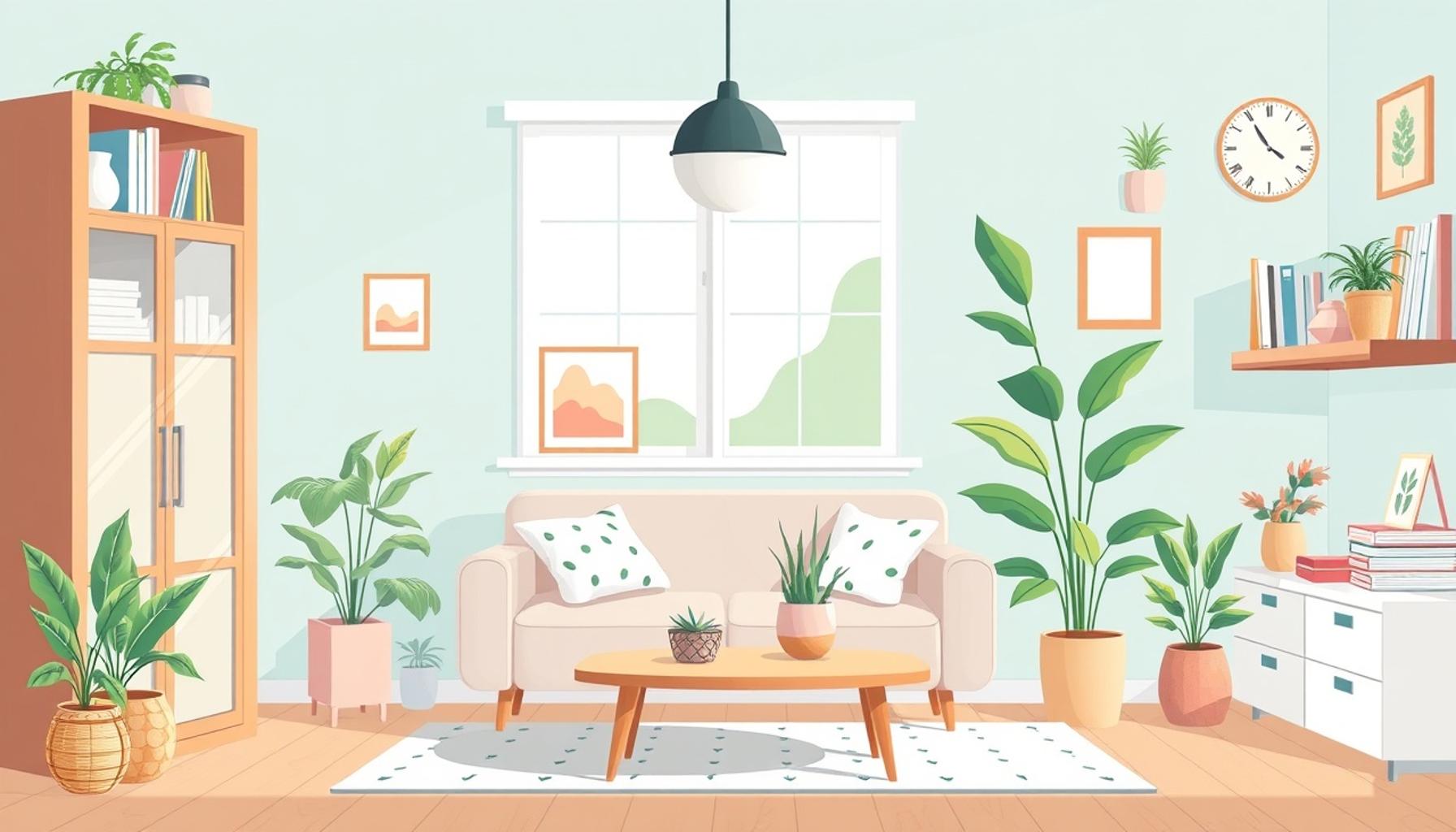
Lastly, simplified living goes hand in hand with the minimalist movement, providing an environment conducive to relaxation and creativity. Minimalism encourages individuals to surround themselves with fewer possessions, allowing them to redirect their energy toward meaningful activities. For example, a clutter-free workspace can enhance productivity, making it easier to concentrate on tasks without distractions. Similarly, creating tranquil spaces through natural elements—like plants or soft lighting—can significantly boost one’s mood and enhance overall well-being.
Ultimately, the essence of mindful living lies in its ability to help individuals reconnect with their surroundings, promoting a lifestyle that reflects their true selves. By focusing solely on the essentials, we can turn our homes into not just living spaces but supportive and effective environments that nurture our well-being and align with our core values. As we explore further, you’ll discover practical strategies and moving examples that underscore the effectiveness of mindful living in crafting minimalist and functional spaces. Are you prepared to embark on this journey of transformation and elevate not just your surroundings but your entire way of life?
DISCOVER MORE: Click here for insightful strategies
Transforming Spaces Through Mindfulness
Mindful living encourages individuals to assess not just their relationships with themselves, but importantly, with their surrounding spaces. By embracing an attitude of awareness, people can identify elements in their homes that contribute positively to their mental and emotional health, as well as those that do not. This profound realization fosters a more intentional relationship with furniture, decoration, and everyday items. One of the most striking facets of this transformation is the transition from cluttered environments to minimalist and functional spaces that resonate with personal growth and tranquility.
Creating Functional Freedom: The Principle of Duality
A key element of mindful living is the principle of duality in design—where functionality and aesthetics coexist in harmony. Homeowners are increasingly gravitating towards furniture that serves multiple purposes. This approach not only aligns with minimalism but also optimizes the available space in an era where living areas can often be compact. A superb example of this is the surge in popularity of Murphy beds, which allow homeowners to convert a room from a cozy bedroom to a spacious living area in seconds.
Here are a few examples of multifunctional items that embody this principle:
- Storage ottomans: These versatile pieces can serve as seats, footrests, and storage spaces for miscellaneous items.
- Convertible couches: Sofas that morph into beds provide a stylish and practical solution for accommodating guests.
- Wall-mounted desks: Saving floor space, these desks optimize room functionality for work or study without the clutter of traditional furniture.
Such innovative design not only addresses the challenge of limited space but also contributes to minimalist living, enabling individuals to prioritize quality over quantity. This shift encourages one to invest in fewer, but highly functional, pieces that support their lifestyle and promote a sense of calm.
Mindfulness in Personal Style: Reflecting Values
Additionally, the impact of mindful living on personal space extends to the expression of individuality through thoughtful selections in home decor. Instead of accumulating random items that serve little purpose, mindful individuals often choose decor that reflects their values and life experiences. For instance, a collection of travel souvenirs can serve as vivid reminders of cherished memories rather than just decoration. This mindful approach in curating decor fosters emotional connections with one’s living space and encourages a deeper appreciation of surroundings.
As a result, individuals can create an atmosphere that feels uniquely theirs, one that is not only aesthetically pleasing but also deeply sentimental. This intentional curation can manifest through:
- Art that inspires: Selecting pieces that evoke strong emotions or represent personal stories.
- Textiles with meaning: Incorporating blankets or pillows handcrafted by artisans, imbuing the space with cultural significances.
- Personal touches: Framing photographs that evoke nostalgia and warmth, cultivating a sense of belonging.
In this journey of creating minimalist and functional spaces at home, mindful living serves as the guide, reshaping our interactions with the environment. It calls us to reflect, select, and cherish, ultimately fostering personal peace amid the complexities of modern life. As we proceed, we will delve deeper into practical tips and transformative stories that illustrate the powerful effect of mindful living on residential spaces.
| Advantage | Description |
|---|---|
| Increased Clarity | Mindful living fosters a sense of clarity by eliminating distractions, allowing individuals to focus on essential items that enrich their daily lives. |
| Enhanced Functionality | Creating functional spaces optimizes home life, as clutter-free environments enhance productivity and mental well-being, making daily routines more efficient. |
Mindful living and its effects on your home environment are profound. When you practice mindfulness, you become more attuned to your surroundings, enabling you to appreciate the value of each object you own. This awareness not only cultivates gratitude but also encourages the discarding of unnecessary possessions. By adopting minimalist principles, such as understanding the importance of practicality and intentionality, you can curate your living spaces with care.Minimalism is not merely about having less; it’s about having what matters. Each item should bring joy or serve a purpose, aligning with your lifestyle and values. Implementing this ideology transforms spaces into havens that reflect your personal style without the chaos of excess clutter. Furthermore, a minimalist approach promotes sustainability, as it emphasizes quality over quantity, leading to more responsible consumer choices.As you explore the relationship between mindful living and home spaces, consider how actions like decluttering can evoke feelings of peace and fulfillment. This powerful connection invites you to take your first steps towards a more serene living environment.
DIVE DEEPER: Click here to discover innovative visual organization techniques
Designing Environments That Nurture Well-Being
The intersection of mindful living and minimalist design is perhaps most evident in the way individuals choose to organize and decorate their living spaces. In an age where consumers are bombarded with choices, the act of curating one’s home becomes an act of self-care. By intentionally selecting items that foster a sense of well-being, homeowners can transform their environments into havens of relaxation and inspiration.
The Psychology of Color and Space
One compelling aspect of creating functional spaces involves understanding the psychological effects of color. Research shows that color can significantly affect mood, productivity, and overall emotional health. For example, soft blues and greens are often associated with tranquility and are ideal for creating a calming bedroom retreat. In contrast, warm tones like yellows and oranges can enhance creativity and energy in workspaces. Mindful living encourages the use of color not just as a decorative choice, but as a tool for promoting emotional balance throughout the home.
Additionally, the way spaces are structured can have a profound impact on daily life. Open floor plans, for instance, foster a sense of flow and connectivity between rooms, while distinct, well-defined spaces can provide a sense of peace and focus. Incorporating natural light through strategically placed windows or mirrors can also enhance the perception of space, making areas feel larger and more welcoming. Thus, designing spaces that complement natural light aligns with the principles of mindful living, inviting positivity while minimizing the need for excessive artificial lighting.
Sustainable Choices: A Mindful Approach to Materiality
Mindful living further emphasizes sustainability in the choices of materials and furnishings. As awareness of environmental issues grows, many homeowners consider the ecological impact of their purchases. This mindset promotes a conscientious approach whereby individuals choose high-quality, sustainable items made from natural materials like wood, bamboo, or recycled products, which not only contribute to a minimalist aesthetic but also resonate with a deeper environmental responsibility.
For example, reclaimed wood tables carry a unique story, demonstrating the beauty of sustainability and reuse while enhancing the design of a space. Beyond aesthetics, the durability of sustainable materials translates to fewer replacements and thus reduces waste over time. This transformative approach to materiality creates homes that reflect both personal values and a profound respect for the environment.
Mindful Living and Decluttering: A Therapeutic Process
Decluttering is another integral aspect of the synergy between mindful living and minimalist spaces. The act of letting go of items that no longer serve a purpose can be profoundly therapeutic. It prompts individuals to confront past choices while allowing them to make way for what truly matters in their lives. This process can be guided by the KonMari method, popularized by Marie Kondo, which encourages individuals to keep only the items that “spark joy.”
Through regular decluttering sessions, individuals are not only able to create cleaner and more functional spaces but also engage in a reflective practice that promotes mental clarity. By viewing possessions through a lens of gratitude and utility, the space becomes a curated collection of what aligns with personal identity and aspirations, further enhancing the concept of mindful living.
In incorporating aspects such as color psychology, sustainable material choices, and decluttering techniques, mindful living significantly reshapes how we curate our domestic environments. As we explore more strategies and personal narratives, the profound implications of these practices become increasingly clear, inviting all to reflect on the spaces they inhabit and the lives they lead.
DISCOVER MORE: Click here to learn about spatial efficiency
Conclusion: Embracing Mindful Living for a Harmonious Home
In conclusion, the synergy between mindful living and minimalist design profoundly influences how we cultivate functional spaces at home. As we navigate an increasingly cluttered world, the principles of mindful living encourage a more intentional approach to our environments. By understanding the psychological effects of color, prioritizing sustainability, and engaging in the therapeutic practice of decluttering, individuals can create spaces that resonate with their values while promoting well-being.
Moreover, embracing these principles enables homeowners to turn their living spaces into sanctuaries of peace, creativity, and sustainability. Selecting materials that echo eco-consciousness not only fosters a minimalist aesthetic but also reflects a commitment to environmental stewardship. As we let go of excess and appreciate what truly matters, our homes become manifestations of our inner selves—a continuum of functionality and beauty.
As you ponder the possibility of transforming your living spaces, consider how mindful choices can lead to a greater sense of clarity and purpose. The journey towards a minimalist home infused with intention offers endless opportunities for self-discovery. By exploring new strategies and continuously reflecting on the items we choose to keep, we invite a deeper sense of fulfillment into our lives. Ultimately, the impact of mindful living transcends mere aesthetics; it encourages us to cultivate harmonious environments that align with our aspirations and enhance our overall quality of life.