
The Importance of Imaginative Play in Child Development: Fostering Creativity and Resilience
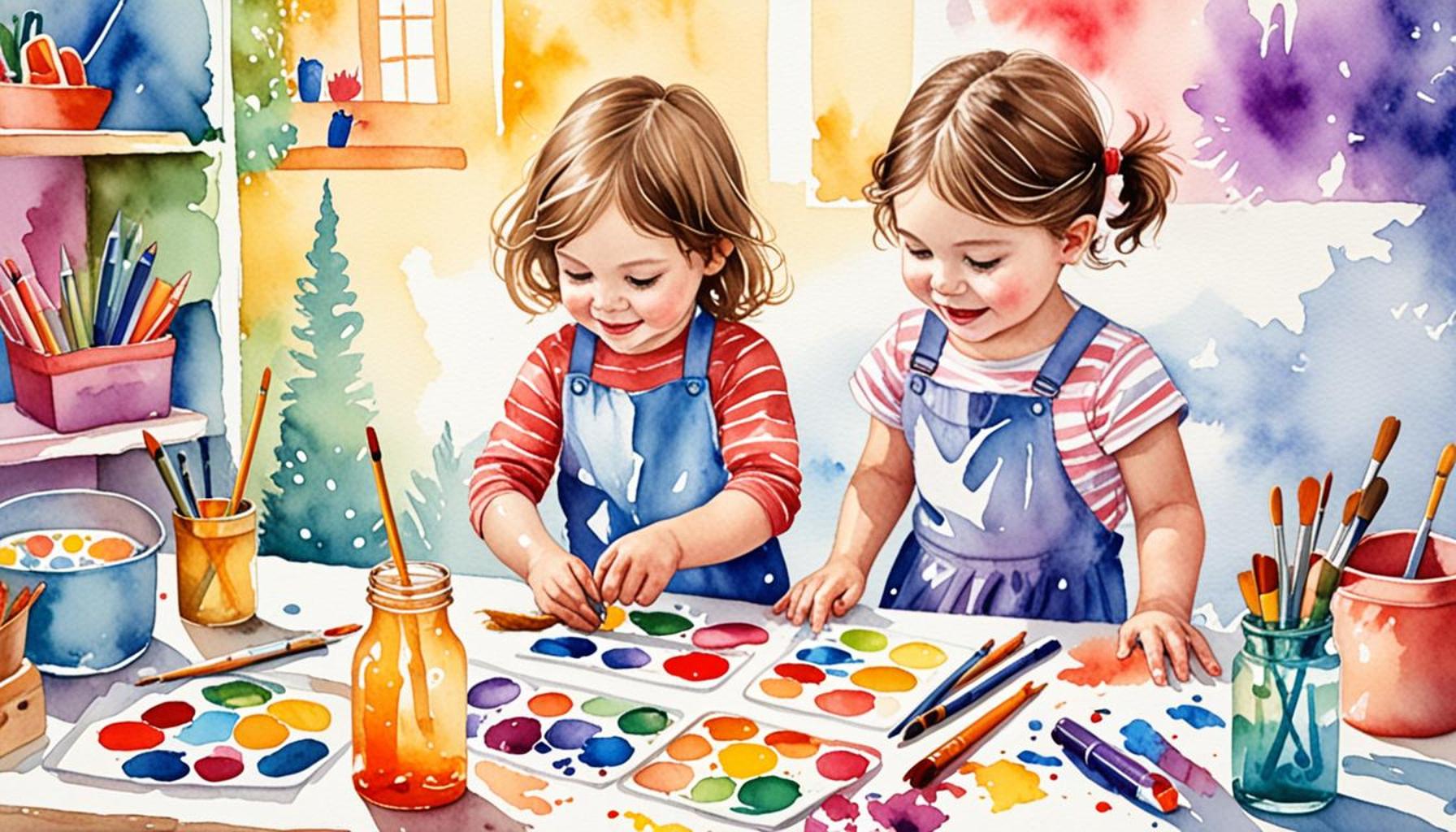
The Vital Role of Imaginative Play in Child Development
In a rapidly changing world, the role of imaginative play in child development cannot be overstated. This form of play is not merely a pastime; it serves as a vital instrument for fostering critical skills. It encourages children to explore their creativity and build resilience in the face of challenges, establishing a foundation for lifelong learning and adaptation.
Engaging in imaginative play allows children to enter worlds limited only by their creativity. They can envision themselves as superheroes fighting villains, explorers charting unknown territories, or even scientists conducting ground-breaking experiments. This makes enhancing creativity one of the foremost benefits of imaginative play, as children are encouraged to think outside the box and express their ideas freely. Whether they are using discarded cardboard boxes to create a spaceship or transforming a simple stick into a magic wand, the possibilities of their imagination are boundless.
Imaginative play also significantly boosts problem-solving skills. When children engage in role-play scenarios, they are often presented with challenges that require effective solutions. For instance, while pretending to run a market stall, a child may need to solve the issue of running out of play money or dealing with a customer. Such scenarios encourage children to navigate complex situations and develop the ability to think critically under pressure.
Furthermore, imaginative play is instrumental in building emotional intelligence. Through role-playing, children learn to empathize with others and understand different perspectives. For instance, when they enact stories from local folklore, they explore feelings of joy, sadness, and conflict. This exercise fosters a deeper understanding of human emotions, preparing them for real-life interactions in their community.
In Nigeria, where storytelling and folklore are integral to cultural identity, imaginative play takes on even greater significance. Children often engage with traditional games that incorporate elements of local narratives. These activities not only entertain but also instill core values and life lessons drawn from the rich tapestry of Nigerian folklore. For example, games like ‘ludo’ or ‘ayo’ often come alive with storytelling, turning each session into an educational experience that connects youngsters with their heritage.

Research has shown that children who engage in more imaginative play exhibit greater resilience. By learning to adapt their narratives and roles, they discover valuable coping strategies that prepare them for future challenges. This foundational skill is crucial as they transition through various life stages—enabling them to face difficulties with confidence.
With these insights laid out, this article aims to delve deeper into the significance of imaginative play in child development. Join us on this journey as we explore how fostering creativity and resilience through play enhances the overall well-being of children worldwide, particularly within the rich cultural context of Nigeria.
CHECK OUT: Click here to explore more
Exploring the Multifaceted Benefits of Imaginative Play
Imaginative play is vital for fostering essential skills in children, and its benefits extend far beyond mere entertainment. It serves as a deep-rooted tool for cognitive, social, and emotional development, enabling children to navigate the multifaceted challenges of life.
One of the most significant contributions of imaginative play is its role in enhancing problem-solving abilities. When children step into the shoes of imaginary characters, they often find themselves confronted with obstacles that mimic real-life situations. For example, a child playing “house” may have to negotiate chores with friends while considering everyone’s needs and preferences. This type of role-play not only fosters negotiation skills but also helps children learn to approach challenges from various angles. Through such dynamic interaction, children develop a toolkit of strategies for tackling problems logically and creatively, which is crucial as they tackle more complex challenges in school and beyond.
Moreover, imaginative play fosters collaboration and teamwork. Whether children are engaging in group role-playing or building a makeshift fort out of cushions and blankets, they must communicate, share ideas, and compromise to achieve a common goal. This collaborative effort is important for developing social competencies, including sharing, patience, and negotiation. In Nigeria, where communal values are celebrated, such playful interactions can teach children to work harmoniously with others, equipping them with skills that will be useful in their future careers and relationships.
- Enhances Creativity: Imaginative play encourages children to think creatively and express ideas without constraints.
- Boosts Problem-Solving Skills: It presents real challenges, allowing children to devise effective solutions through experimentation.
- Builds Emotional Intelligence: Through role-play, children learn to empathize and understand different perspectives, which fosters better interpersonal relationships.
- Encourages Collaboration: Group play scenarios enhance teamwork and communication skills as children negotiate roles and outcomes.
Additionally, the emotional component cannot be overlooked. During imaginative play, children often confront and process their feelings in a safe environment. Engaging in dramatic play allows them to express fears, joys, and insecurities in a constructive manner. This aspect of imaginative play is particularly relevant in the Nigerian context, where traditional storytelling and role-playing are rooted in cultural practices. Children learn about moral dilemmas and community values through these interactions, fostering a sense of belonging that is integral for their emotional health.
Research highlights that children who engage in comprehensive imaginative play tend to exhibit greater resilience as they grow. As they navigate various scenarios and adapt their stories, they develop coping strategies for real-life challenges. This preparation equips them with the insight needed to approach life’s setbacks with a positive mindset. Through imaginative play, young minds cultivate a sense of control over their narratives, thus instilling the belief that they can overcome obstacles and thrive.
In conclusion, the multifaceted benefits of imaginative play are profound and far-reaching. As children navigate their imaginative worlds, they not only engage in playful activities but also lay the groundwork for critical life skills that will serve them well into adulthood. By promoting avenues for creativity and resilience, both parents and educators can enhance the developmental journey of today’s youth.
| Advantages of Imaginative Play | Description |
|---|---|
| Enhanced Problem-Solving Skills | Engaging in imaginative play allows children to navigate challenges creatively, improving their ability to think outside the box. |
| Improved Social Interaction | Through role-playing scenarios, children learn vital social skills, such as empathy and communication, essential for healthy relationships. |
| Boosts Emotional Resilience | Imaginative play helps children explore their feelings, providing a safe outlet to manage stress and overcome fears. |
| Fosters Critical Thinking | Children learn to analyze situations, make decisions, and predict outcomes, which are skills that are applicable throughout their lives. |
The advantages of imaginative play in fostering creativity and resilience in children are profound. For instance, engaging children in scenarios where they must take on different roles, whether it be a firefighter, a teacher, or a superhero, challenges their thinking and enhances their problem-solving capabilities. As they create and navigate through their imaginative worlds, they develop critical thinking skills that will serve them in academic and social settings.Moreover, the increased social interaction that imaginative play promotes is noteworthy. Children engage with their peers, facilitating the development of empathy and negotiation skills. They learn to understand different perspectives, which is essential in today’s diverse world. Equally important is the role of imaginative play in enhancing emotional resilience. Children are provided with a unique opportunity to express and understand their emotions, to confront fears, and to experiment with different emotional responses to various situations. This emotional exploration is crucial in building a foundation for mental well-being and coping mechanisms.Ultimately, integrating imaginative play into daily routines is not only beneficial but essential for nurturing a generation capable of overcoming challenges with creativity and resilience. As parents and educators recognize its importance, the opportunities for children to engage in imaginative play must become a priority.
YOU MAY ALSO LIKE: Read read another article
Nurturing Mental Health Through Imaginative Engagement
As vital as imaginative play is for cognitive and social development, its significance in supporting mental health is equally critical. In an age where stress and anxiety are increasingly prevalent, providing children with the opportunity to engage in unstructured play is essential for their well-being. Imaginative play serves as an effective coping mechanism, allowing children to express and understand their emotions in a manner they can control.
Engaging in fantasy worlds not only helps children to escape the pressures of reality but also fosters self-regulation. As they navigate different scenarios, children learn to manage their emotions and reactions. For instance, when a child takes on the role of a caregiver, they practice nurturing behaviors and learn to respond to others’ emotions positively. This development of self-regulation can significantly contribute to reducing anxiety and improving overall resilience when facing life’s unpredictable challenges.
In Nigeria, where socio-economic factors often lead to heightened stress for families, the importance of imaginative play cannot be overstated. Local cultural traditions often incorporate play as a means of storytelling, whereby children not only entertain themselves but also transmit vital cultural narratives and values. Through these stories, children process their realities, develop coping strategies, and learn that they are not alone in their feelings and experiences.
Fueling Academic Success Through Imaginative Learning
Engaging in imaginative play also significantly bolsters academic performance. When children are encouraged to explore their creativity, they become more engaged learners. Research has shown that those who participate in imaginative play tend to develop stronger language skills, as they naturally extend their vocabulary within the context of their games, enhancing their communication abilities. Furthermore, imaginative play often requires the integration of various subject areas—whether it’s using math to construct a fort, writing stories for pretend play, or incorporating science in discussions about weather during role-play. Each instance allows them to connect different concepts, leading to a deeper understanding and greater academic curiosity.
Furthermore, imaginative play often invites children to explore themes of social justice, identity, and cultural heritage. For example, during their play, children might assume the role of historical figures or community leaders that reflect their own culture, offering them a firsthand experience of their heritage. This alignment with personal and social identity not only fosters pride but also encourages children to engage critically with world issues. It instills a sense of agency, helping them articulate their thoughts and opinions more clearly in academic and social settings.
- Promotes Emotional Well-being: Offers a safe space for children to articulate and manage their emotions effectively.
- Enhances Language Skills: Improves vocabulary and communication through contextualized storytelling.
- Connects Learning Across Subjects: Fosters interdisciplinary connections that engage children in holistic education.
- Cultivates Cultural Awareness: Enables exploration of identity through role-play and community narratives.
The role of imaginative play in enhancing both mental health and academic success emphasizes its significance in the holistic development of children. As they navigate their invented worlds, children are not just playing; they are equipping themselves with fundamental tools for future challenges, paving the way for a more resilient, creative, and educated generation.
RECOMMENDED: Check out this similar article
Conclusion
In summary, imaginative play is not merely a source of entertainment for children; it plays a pivotal role in their overall development and well-being. By weaving creativity into their daily activities, children strengthen their ability to navigate emotional challenges, foster interpersonal skills, and engage with academic concepts in a meaningful way. As they immerse themselves in fantastical worlds, they are not just escaping reality; they are building a strong foundation for resilience and adaptability.
The incorporation of unstructured play into a child’s life, particularly within a Nigerian context where socio-economic pressures can be overwhelming, provides essential emotional relief and a deeper connection to cultural narratives. Through the act of playful exploration, children learn to articulate their experiences and feelings, fostering a sense of agency and cultural pride that is invaluable in today’s interconnected world.
For educators and parents alike, advocating for imaginative play is crucial. By prioritizing environments that encourage creativity—where stories are told, roles are assumed, and ideas are freely explored—we are empowering the next generation to become more innovative thinkers and empathetic individuals. As we recognize the profound effects of imaginative play in shaping resilient, creative minds, we pave the way for thoughtful, engaged citizens who are well-prepared to meet the complexities of the world head-on.
In conclusion, let us champion imaginative play as a fundamental aspect of child development that deserves attention and investment, ensuring that children everywhere can benefit from its transformative power.