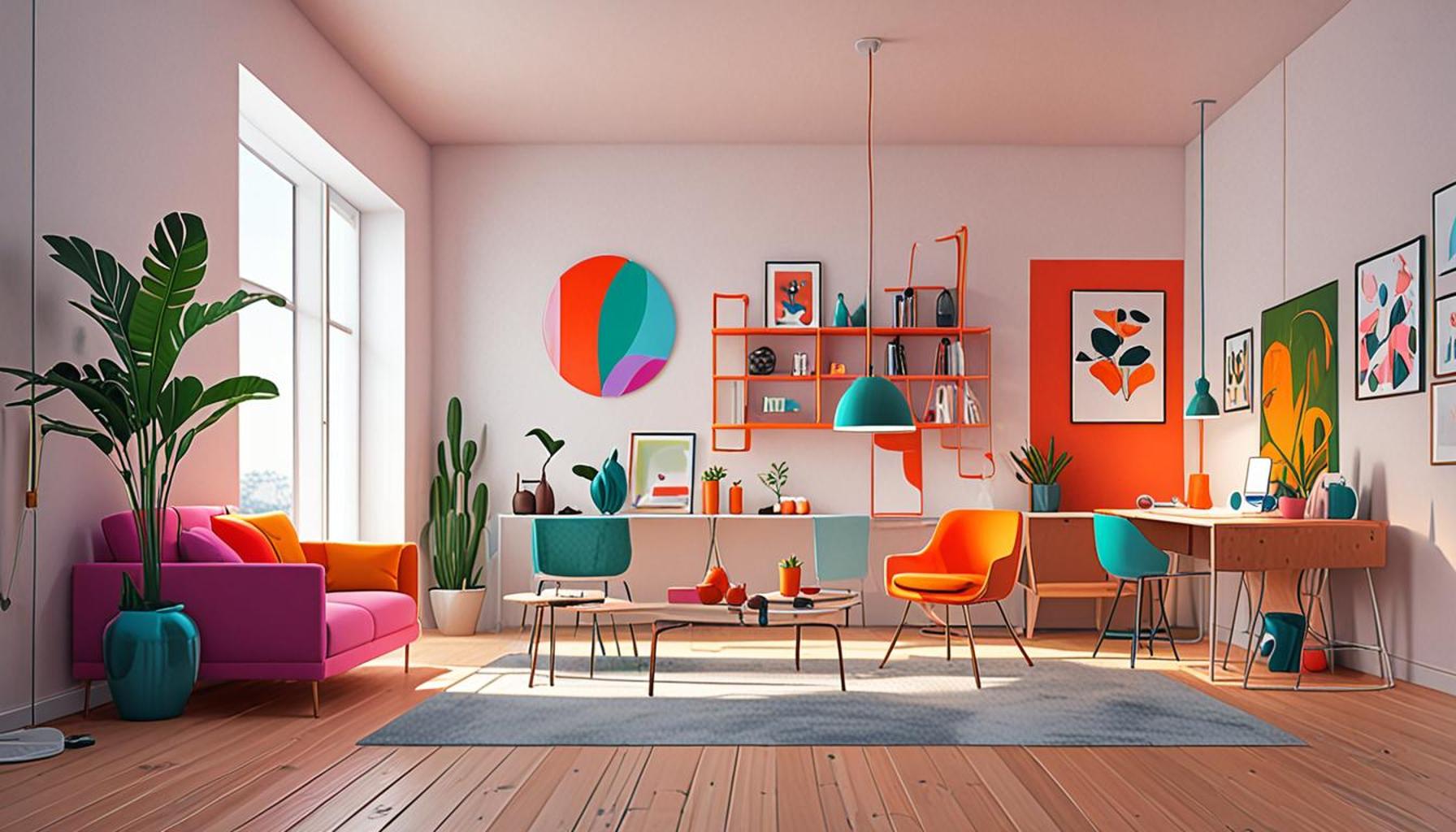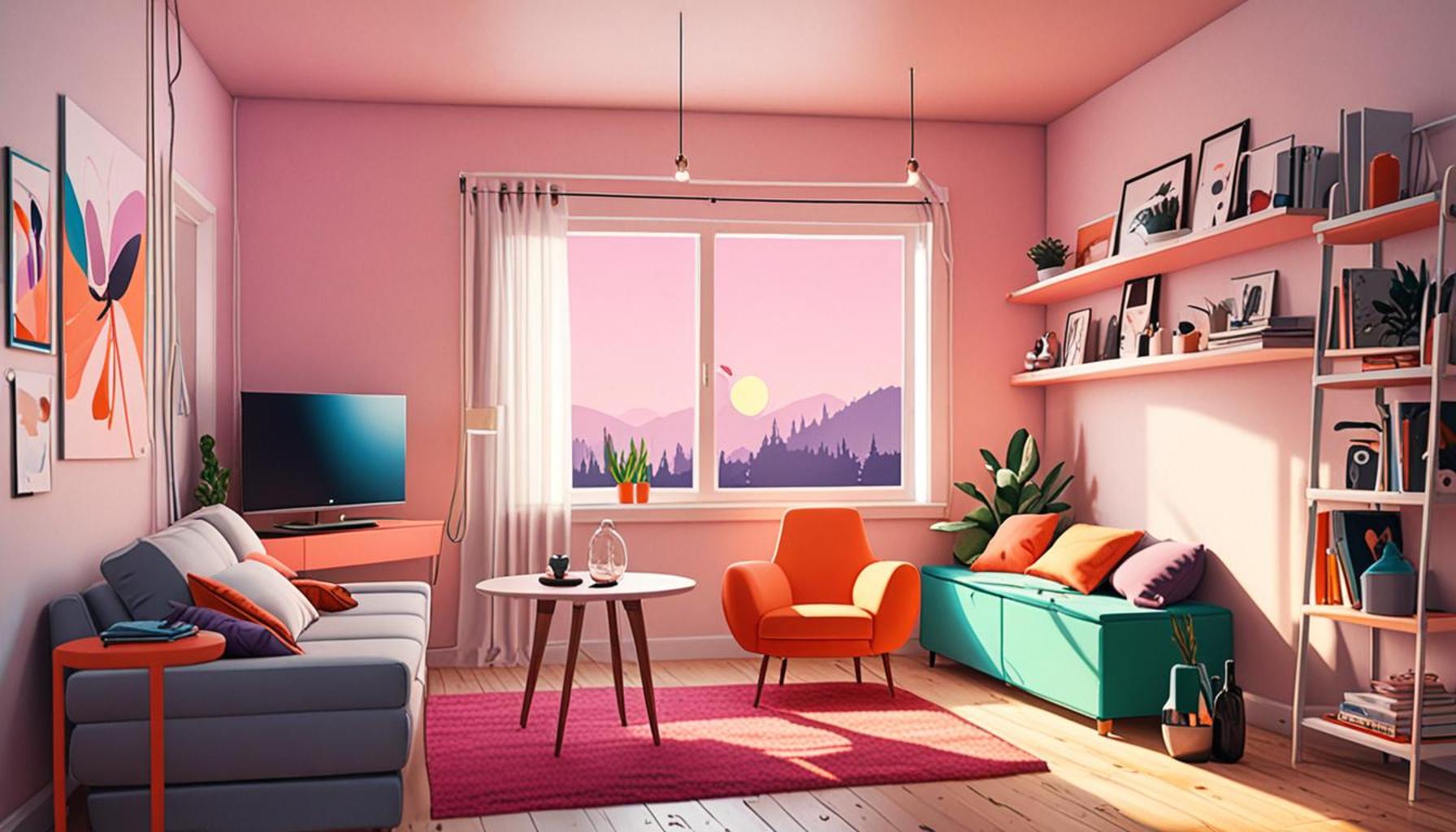
The importance of intentional design in creating minimalist spaces
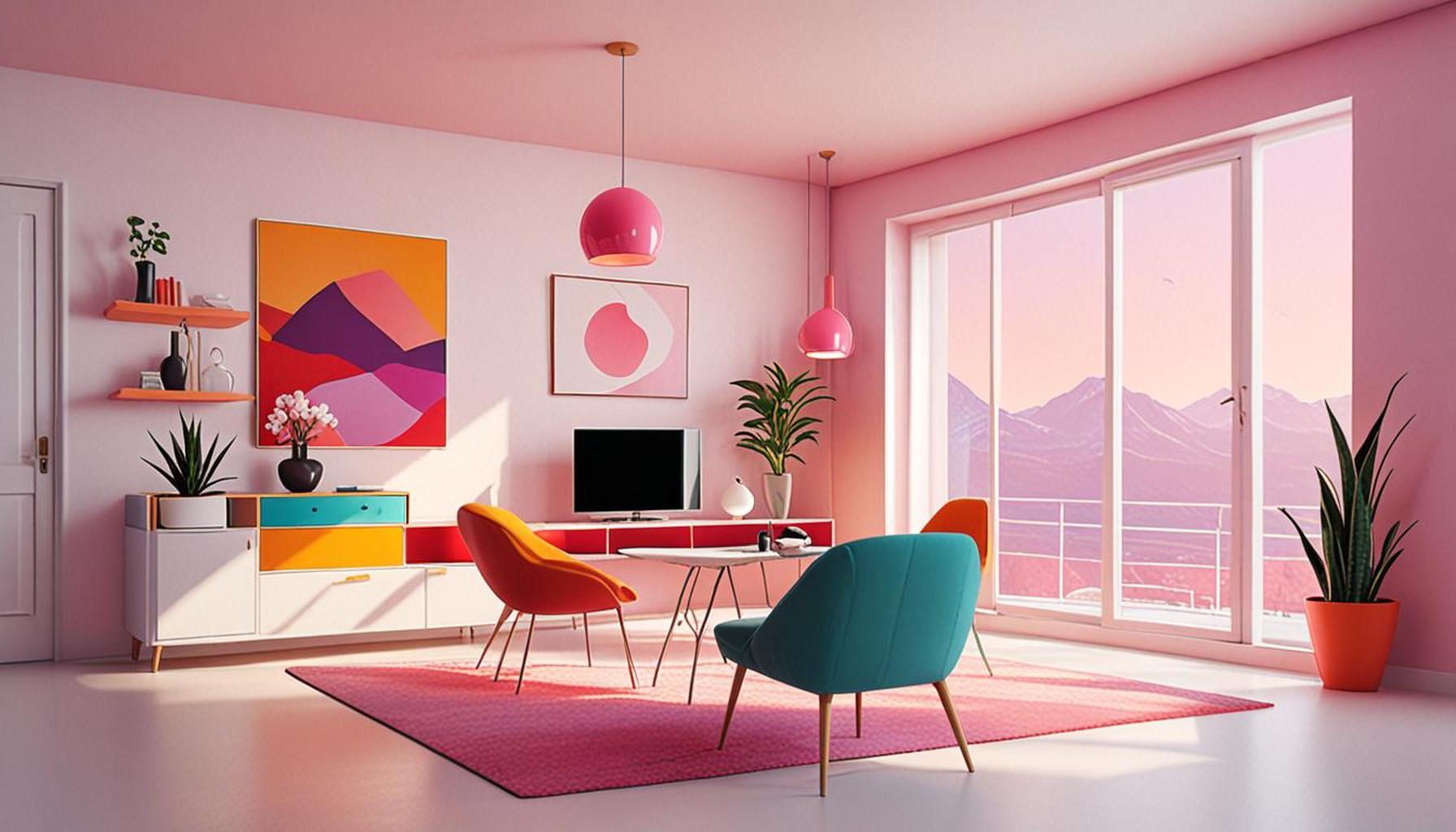
The Essence of Minimalism
In an age where consumerism dominates, embracing minimalism is akin to making a bold statement about one’s values. This lifestyle choice is not simply about owning fewer things; it prioritizes the importance of intentional design in our surroundings. Minimalist spaces serve as calming retreats from the chaos of modern life, allowing individuals to create environments that reflect their priorities and aspirations. In these thoughtfully curated spaces, every detail is significant, with each element thoughtfully chosen to serve a purpose or elicit a specific emotional response.
Key Aspects of Intentional Design
Intentional design forms the backbone of any minimalist setting. It encompasses several crucial elements:
- Functionality: Each item in a minimalist space must have a defined purpose. For instance, a sleek, multifunctional furniture piece—such as a coffee table that doubles as extra storage—enhances usability without sacrificing aesthetic appeal. This focus on functionality leads to well-organized and livable spaces.
- Aesthetics: Minimalism celebrates the beauty of simplicity, emphasizing clean lines and harmonious color palettes. Neutral tones like whites, grays, and earth tones create a serene atmosphere, while accents of color can be sparingly introduced to prevent overwhelming the senses.
- Emotional Connection: The design of a space can significantly influence mood and functionality. A minimalist approach often evokes feelings of tranquility and focus, ideal for urban dwellers in bustling cities like New York or San Francisco who crave a quiet refuge within their homes.
As urban living spaces, particularly in the United States, shrink due to rising real estate prices, the push for intentional design becomes even more vital. People are not just decluttering; they are reclaiming their physical and mental spaces. This trend encourages individuals to evaluate what items truly enhance their lives and to let go of what does not serve them.
Transformative Impact of Minimalism
When integrated thoughtfully, intentional design can profoundly impact daily living. Minimalism promotes mindfulness—the act of being present and fully engaged with one’s environment. By reducing distractions and excess, individuals can cultivate a deeper appreciation for the simplicity of life, which can lead to enhanced well-being.
In conclusion, the exploration of minimalist spaces helps underline how careful design choices can greatly contribute to a higher quality of life. This movement, rooted in the desire for clarity amidst chaos, invites individuals to discover the beauty and potential hidden within less. By embracing intentional design principles, one can create a home that not only looks aesthetically pleasing but also nurtures the mind and spirit, paving the way for a more meaningful existence.
DISCOVER: Click here to dive deeper
The Role of Purposeful Elements in Minimalist Design
At the heart of intentional design in minimalist spaces lies the principle that every element should contribute to the overall harmony of the environment. This concept encourages the selection of items that align with the core values and lifestyle of the inhabitants. Rather than simply filling a room with decorative pieces, minimalist design advocates for a more selective approach, ensuring that each item not only serves a function but also enhances the overall aesthetic and emotional experience.
To truly understand the importance of intentional design, one must explore how specific elements can transform a space into a sanctuary. Let’s consider three pivotal categories that define thoughtful selections:
- Furniture Selection: The type of furniture chosen in a minimalist context is crucial. For example, opting for modular furniture allows for flexibility and adaptability. Pieces that can be rearranged or repurposed meet the needs of different occasions and enhance the usability of limited space.
- Lighting: Thoughtfully designed lighting fixtures can drastically alter the feel of a minimalist space. Natural light should be maximized, while artificial lighting can be strategically placed to accentuate features and create ambiance. The use of pendant lights or hidden LEDs serves not only functional needs but also elevates the style quotient of a room.
- Textiles and Accessories: While minimalism suggests a reduction in decorative items, it does not imply a lack of character. High-quality textiles, such as organic cotton or linen, can introduce warmth and tactility. Carefully chosen accessories—like a single statement vase or an art piece—can serve as focal points that bring the design together without overwhelming the senses.
In the context of American homes, where the design ethos is beginning to shift towards sustainability and mindfulness, intentional design complements this cultural movement. Homeowners are increasingly discerning about what they bring into their spaces, leading to a greater focus on quality over quantity. This is evident in the rising popularity of brands that emphasize eco-friendly materials and timeless design.
The Ripple Effect of Intentional Design Choices
When individuals prioritize intentional design, the impact transcends mere aesthetics. A well-curated minimalist space promotes productivity and mental clarity by alleviating distractions that often stem from clutter. This effect can be particularly important for those working from home, where a thoughtfully designed workspace can enhance focus and creativity.
Moreover, minimalist design encourages a shift in perspective—one that values experiences over possessions. In a society where material goods often dictate status, minimalist spaces invite individuals to reassess their priorities, instigating a profound transformation in their approach to consumption and personal well-being.
In conclusion, the importance of intentional design manifests not only in the physical appearance of minimalist spaces but also in the lifestyle they promote. By embracing this thoughtful approach, individuals can create environments that are both beautiful and aligned with their personal values—cultivating a deeper connection to their surroundings and, ultimately, to themselves.
| Advantage | Explanation |
|---|---|
| Enhanced Focus | Intentional design creates an uncluttered environment, which helps increase concentration and productivity. |
| Emotional Wellbeing | Minimalist spaces foster a sense of calm by reducing visual noise, promoting peaceful living. |
| Sustainable Choices | Intentional design often advocates for sustainability, using fewer resources without compromising aesthetics. |
| Adaptability | Minimalist spaces can be easily adapted for various purposes, making them functional and versatile. |
The intentional design applied in minimalist spaces does not merely serve aesthetic purposes; it profoundly affects individuals’ daily lives. Spaces designed thoughtfully allow inhabitants to experience clarity and serenity, with fewer distractions, thus enhancing focus on daily tasks. The importance of emotional wellbeing cannot be overstated, as a purposeful minimalist environment encourages a sense of calm, which many urban dwellers yearn for. Moreover, this design philosophy often incorporates sustainable materials and practices, appealing to eco-conscious consumers who wish to reduce their footprint. Finally, the essence of intentional minimalism lies in its exceptional adaptability, granting flexibility for users to transform their surroundings as their needs evolve. Each of these aspects significantly enhances not only the functionality of a space but also the quality of life within it, allowing individuals to appreciate the essence of intentional design.
DIVE DEEPER: Click here to discover more
The Psychological Impact of Minimalist Design
Beyond the tangible benefits of intentional design, its psychological implications cannot be overstated. Minimalist spaces foster an atmosphere that can significantly enhance mental well-being. Research has shown that environments characterized by simplicity and order positively affect mood and reduce stress levels. By eliminating excess and chaos, individuals can create a serene backdrop that promotes mindfulness and tranquility.
In many American households, the pressures of modern life manifest as overstimulation—whether through visual clutter or environmental distractions. Minimalism combats this by creating a space where one can breathe and focus. An intentional layout allows for clearer pathways, both physically and mentally, minimizing decision fatigue and clutter-induced anxiety. In this way, intentional design becomes a form of self-care, wherein the homeowner curates their environment not just for aesthetic pleasure but also for psychological refuge.
Intentional Design and Sustainability
A growing trend within the realm of intentional design is the emphasis on sustainability. In an age where environmental concerns are paramount, minimalist design dovetails beautifully with eco-friendly practices. Consumers are increasingly opting for high-quality, sustainable materials that not only align with their values but also reduce their ecological footprint. Choosing reclaimed wood or furniture crafted from ethically sourced materials demonstrates a commitment to both minimalism and environmental stewardship.
Additionally, the durability of thoughtfully designed pieces means that they are less likely to be discarded, further reducing waste. This mindset encourages Americans to consider how their purchasing decisions impact the environment, leading to a more responsible approach to consumption. As consumers become more aware of the lifecycle of their belongings, the notion of intentional design extends beyond aesthetics to encompass ethical implications.
The Connection Between Space and Functionality
Intentional design also highlights the significance of multipurpose spaces. In smaller American homes, functional versatility is essential, and minimalist design can provide solutions that maximize usability without sacrificing style. For instance, integrating built-in storage solutions or convertible furniture can optimize space while maintaining visual coherence. This approach allows residents to enjoy both comfort and sophistication in spaces that are well-thought-out.
Moreover, intentional design takes into account the specific needs of its users, promoting a thoughtful dialogue between the inhabitants and their environment. By evaluating how individuals interact with their spaces, designers can create areas that adapt to different activities—whether for work, relaxation, or socialization. This dynamic relationship between space and functionality ensures that minimalist environments remain both practical and inviting, while also inspiring creativity and innovation.
Furthermore, the growing interest in tiny living spaces—where intentional design is paramount—underscores the importance of this concept. As more Americans embrace downsizing, the deliberate selection of furniture, color schemes, and layouts becomes essential in maximizing functionality and fostering an inviting ambiance.
DISCOVER MORE: Click here to learn about intentional design strategies
Conclusion: Embracing Intentional Design for a Harmonious Living Space
In an era marked by rapid change and seemingly endless distractions, the significance of intentional design in creating minimalist spaces has never been more crucial. This approach not only transforms our physical surroundings but also enhances our psychological well-being, enabling us to cultivate spaces that reflect clarity and purpose. With careful consideration given to the layout, functionality, and sustainability of each element within a space, intentional design invites us to live more harmoniously with our environments.
As Americans increasingly confront the challenges of clutter and overstimulation, adopting a minimalist lifestyle can serve as a balm, promoting mental clarity and emotional health. The integration of sustainable practices into intentional design underscores the importance of mindful consumption, aligning personal values with a commitment to environmental stewardship. Eco-friendly materials and durable furnishings create spaces that not only look beautiful but also support the planet.
Furthermore, with the growing trend toward tiny living and multipurpose spaces, intentional design encourages adaptability and resourcefulness. By tailoring environments to meet our unique needs, we empower ourselves to enjoy functional, inviting spaces that inspire creativity and innovation.
In summary, embracing deliberate design choices in our minimalist pursuits can lead to a transformative lifestyle that emphasizes simplicity, clarity, and responsibility. As we navigate the complexities of modern living, let us return to the roots of intentionality—discovering serenity in simplicity and meaning in every thoughtful choice we make about our spaces.