The Influence of Colors and Patterns in Nigerian Textile Art: Reflections on Culture and Creativity
Unveiling the Craft of Nigerian Textile Art
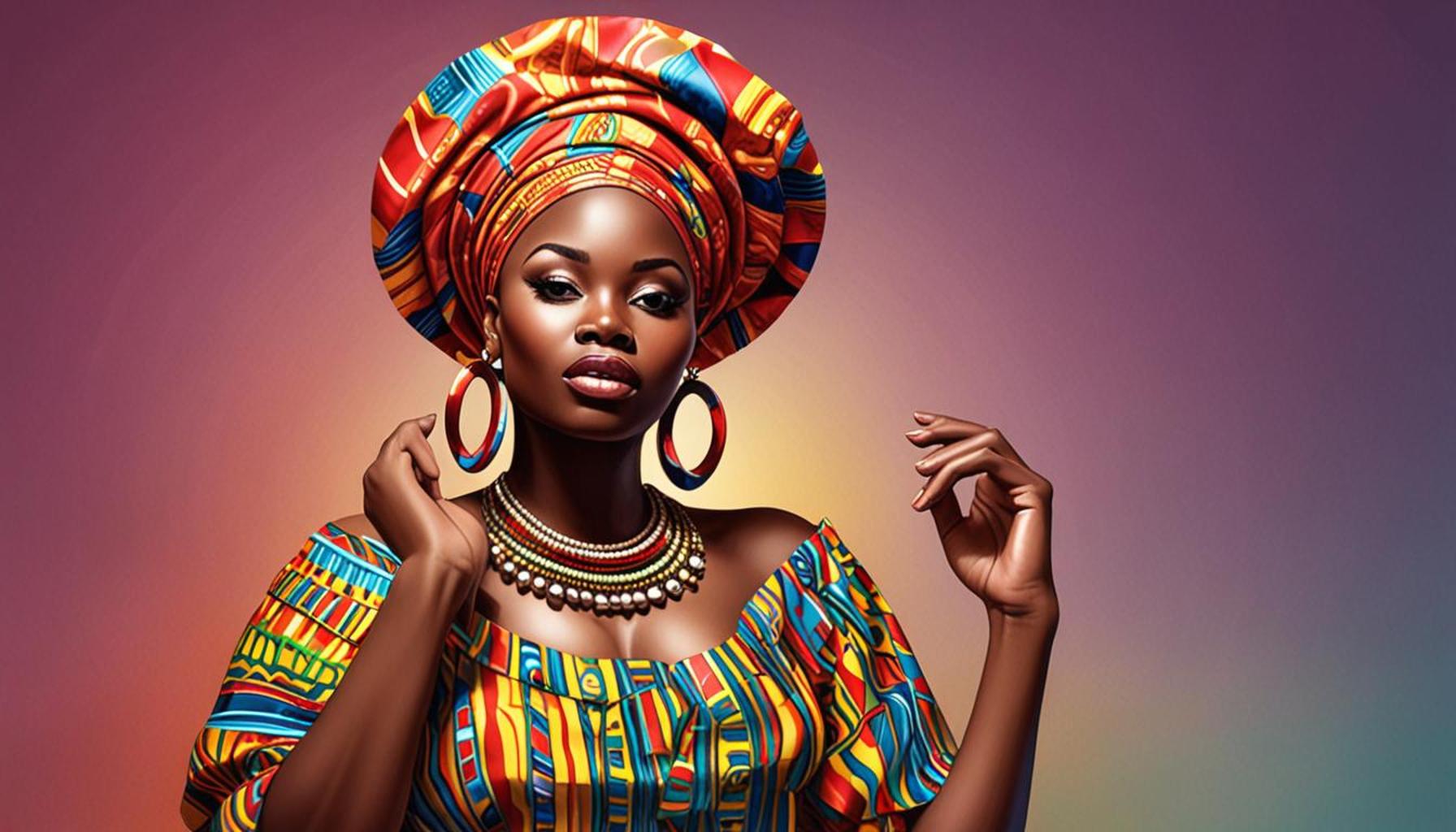
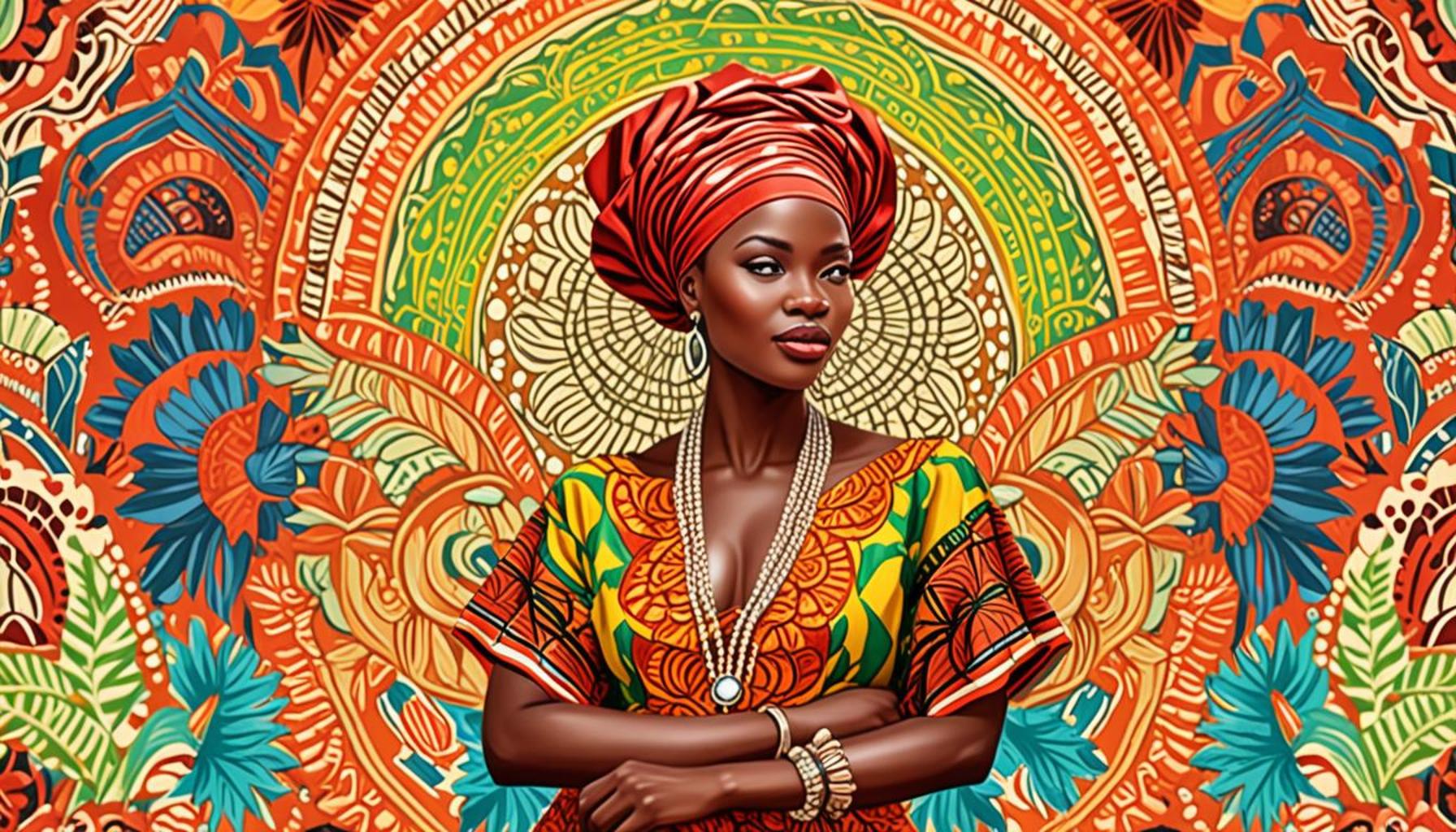
Nigerian textile art is a vibrant celebration of culture and identity, weaving together threads of history and creativity. The influence of colors and patterns in this art form transcends mere aesthetics, serving as a profound expression of cultural narratives and social status. From the bustling markets of Lagos to the serene villages in the north, textiles play a significant role in cultural identity and community pride.
Across the diverse regions of Nigeria, distinct textiles showcase unique characteristics, with each piece telling a story that resonates deeply with the people. Notable examples include:
- Aso Oke: This ceremonial fabric embodies the Yoruba heritage and is often worn during significant occasions such as weddings and chieftaincy ceremonies. The intricate weaving process, usually performed on looms, highlights the craftsmanship and skill of the artisans.
- Adire: Originating from the Yoruba women, these tie-dye textiles are known for their intricate patterns created using various dyeing techniques. The designs not only serve an aesthetic purpose but often carry meanings that reflect social and political commentary. The vibrant blues, traditionally made from indigo, are particularly striking and iconic.
- Isiagu: A regal fabric that symbolizes the Igbo culture, often worn by men during traditional functions. This cloth, often adorned with distinctive lion head motifs, represents strength and leadership and is a symbol of status among the Igbo elite.
The interplay of color in these textiles reflects deeper meanings, often representing significant aspects of Nigerian society and belief systems. For example, colors can convey:
- Spirituality: Certain colors are associated with traditional beliefs and ritual practices, such as white for purity and red for vitality.
- Emotion: Different hues, like yellow for joy or black for mourning, signify varied sentiments, effectively communicating feelings without words.
- Social Status: Specific patterns or colors may denote hierarchy and heritage, as certain fabrics are reserved for nobility or elders, emphasizing respect and honor.
As Nigeria continues to modernize, the creativity found in textile art evolves, merging traditional techniques with contemporary designs. Fashion designers are increasingly incorporating Nigerian textiles into global fashion, as seen in numerous international fashion shows where these vibrant fabrics take center stage. This fusion not only reinvigorates the craft but also invites global recognition, prompting a re-evaluation of the narratives contained within these beautiful fabrics.
Furthermore, organizations and local artisans are using social media platforms to promote their work internationally, which is fostering a resurgence in appreciation for handcrafted textiles. Events such as the Africa International Fashion Week highlight this cultural wealth, showcasing how Nigerian textiles can satisfy the tastes of a global audience while remaining rooted in cultural significance.
Join us on a journey to uncover the cultural significance and artistic ingenuity behind Nigeria’s most cherished textiles. Explore the history, craftsmanship, and modern adaptations that keep this vibrant art form alive, illustrating not just the beauty of fabric but the unbroken connections to heritage and identity.
SEE ALSO: Click here to read another article
The Language of Colors in Nigerian Textiles
In Nigerian textile art, colors are far more than cosmetic embellishments; they form a language of their own, revealing profound cultural insights and societal values. Each hue plays a strategic role in conveying messages that can denote traditions, life events, or social commentary. For instance, the vibrant reds seen in Aso Oke fabrics may not merely evoke visual allure but also symbolize courage and strength, qualities highly esteemed within Nigerian culture. On the other hand, soft whites often celebrate moments of purity and innocence, reflecting a deep-rooted belief in spirituality and the higher realms of existence.
The association of colors with emotions and societal roles extends beyond mere tradition. In the diverse ecosystems of Nigeria—ranging from the lush rainforest in the south to the arid landscapes in the north—natural pigments have influenced the palette of textile artists. For example, the indigo dye used in Adire textiles is derived from locally sourced plants, connecting the fabric to the land and its historical narratives. This intimate relationship emphasizes that the colors are not just visual choices but are interwoven with narratives of the culture and environment surrounding them.
Further, patterns within Nigerian textiles tell fascinating stories that echo the lives of the artisans. Each pattern is laden with meaning and can often symbolize heritage or particular life experiences. Below are key patterns to consider:
- Geometric Designs: Common in many Igbo and Hausa textiles, these designs often reflect the natural world, representing elements like the sun, water, and fauna, encapsulating the harmony between people and nature.
- Abstract Forms: In fabrics like Adire, abstract forms convey complex themes, from diaspora and dislocation to freedom and resilience—each piece acts as a record of shared history and collective memory.
- Iconography: Certain motifs, such as the lion head in Isiagu, serve to communicate social hierarchies and express affiliation with noble lineages, reinforcing cultural pride while asserting identity.
Moreover, as these textiles gain traction in the global fashion scene, they are undergoing reinterpretation, marrying traditional motifs with contemporary trends. This evolution highlights the dynamic nature of Nigerian textile art, where heritage and innovation converge to inspire a new generation of creators. By incorporating these rich colors and patterns into modern designs, local artisans and fashion designers alike are forging a narrative that resonates on international platforms while remaining deeply rooted in cultural significance.
The exploration of colors and patterns in Nigerian textile art reveals just a fragment of its richness. Each thread tells more than just a story; it encapsulates the essence of Nigerian identity, inviting observers to engage with the artwork’s layers of meaning. As we dive deeper into the artistic techniques and the stories behind each textile, we unlock further treasures that reflect the holistic worldview of the Nigerian people.
The Role of Traditional Techniques in Contemporary Nigerian Textile Art
In the vibrant world of Nigerian textile art, traditional techniques serve as the backbone of creativity and cultural expression. The use of methods such as *Adire*, a form of indigo dyeing, showcases not only the artistry involved but also the intricate relationship between the craftspeople and their heritage. Adire is particularly significant because its designs often carry historical and spiritual meanings, linking the present to the past. This craftsmanship exemplifies how contemporary textile artists are reviving these time-honored traditions while infusing them with modern aesthetics. The contrast of ancient techniques with contemporary designs creates a dialogue that highlights the evolution of Nigerian identity through art. Additionally, patterns derived from indigenous cultures often resonate with universal themes of resilience and adaptation. For instance, the geometric shapes and vibrant color palettes found in *Akwete* fabrics reflect not just an artistic vision but also a narrative of the communities they represent. This fascinating interplay fosters an appreciation for the cultural storytelling embedded in each piece.Moreover, the global interest in Nigerian textiles has led to an increased value of these artworks on international platforms. Artists are not only preserving their cultural heritage but also redefining it, allowing their works to transcend geographical boundaries. This fusion of old and new has catalyzed a movement that resonates deeply with global audiences who seek authenticity and cultural richness. Through initiatives and exhibitions, Nigerian textile art continues to explore the significance of colors and patterns, thus enabling a deeper understanding of their cultural implications. As more artists engage with these themes, the influence of Nigerian textile art burgeons, presenting an opportunity for dialogue on creativity and cultural identity.
| Traditional Techniques | Contemporary Application |
|---|---|
| Adire Dyeing | Merging ancient methods with modern aesthetics |
| Akwete Fabrics | Reflecting community narratives through vibrant designs |
ADDITIONAL INSIGHTS: Expand your understanding here
Patterns as Expressions of Identity and Community
The patterns found in Nigerian textile art serve as more than mere embellishments; they act as vital expressions of identity and community. Each pattern resonates deeply with the cultural identity of the various ethnic groups in Nigeria, allowing individuals to celebrate their roots while emphasizing their social affiliations. The intricate methods used to create these patterns not only embody artistic skill but also reflect the values, stories, and philosophies integral to different Nigerian communities.
For instance, the traditional Adire technique from the Yoruba people incorporates resist dyeing methods that result in beautifully abstract patterns. Each design holds significant historical narratives. The “elephant foot” motif, an example of this technique, symbolizes wealth and prosperity, embodying the Yoruba people’s agricultural heritage. This interconnection makes the textile not just a fashion statement but also a document of sociopolitical history.
Community gatherings like church events, weddings, and cultural festivals often highlight the importance of textile patterns in communal identity. During weddings, for example, the choice of fabrics, colors, and motifs is carefully curated to convey status and lineage. Fabrics adorned with the “kente” pattern, typically seen among the Igbo and Yoruba, are favored for their vibrant colors and designs representing unity and collective experiences. Such symbolism plays an essential role in fostering societal bonds among celebrants and attendees.
In addition to showcasing identity, contemporary Nigerian textile art incorporates elements of nationalism and global awareness. Patterns are being adapted to reflect Nigeria’s current societal challenges and the zeitgeist of the nation. Artists and designers are now engaging in social commentary through their creations, using textiles as a medium to spark conversation about environmental issues, gender equality, and social justice. The “Not a Plastic Bag” pattern, which emphasizes sustainability, pulls in inspiration from traditional designs while ensuring relevance in today’s ecological discourse.
Moreover, as conversations around fashion sustainability gain traction, Nigerian textile artists are increasingly using natural dyes, sustainable sourcing, and eco-friendly production techniques. With traditional patterns re-imagined, new collections emerge that not only draw on cultural heritage but also advocate for a sustainable future. This trend not only engages international audiences but also paves the way for the exploration of ethical fashion within the Nigerian context.
The juxtaposition of traditional patterns with modern design elements illustrates the dynamic interplay between culture and creativity. Through tailored interpretations, artisans contribute to a vibrant tapestry of cultural expression that transcends borders, while firmly anchoring themselves in their heritage. This artistic dialogue inevitably resonates with both local and global audiences, enhancing appreciation for the profound stories told through Nigerian textiles.
As we delve deeper into the techniques and materials employed by textile artists, we unveil the intricate layers of meaning embedded within every piece. Each fabric carries historical, social, and environmental narratives, presenting a mosaic of cultures that not only preserve tradition but also encourage dialogue around contemporary issues. In this way, Nigerian textiles continue to evolve, embodying the essence of community, creativity, and cultural pride.
RECOMMENDED: Check out this similar article
Conclusion
The exploration of colors and patterns in Nigerian textile art reveals a vibrant narrative that speaks to both cultural heritage and artistic innovation. From the mesmerizing Adire to the poignant motifs of kente, these textiles are not merely fabric but a canvas that embodies the values, history, and aspirations of Nigerian society. As we’ve seen, each design choice—be it for individual expression or community gatherings—reflects an underlying story that fosters a sense of belonging and identity.
Moreover, the adaptation of traditional patterns to address contemporary themes highlights the evolving nature of Nigerian textile art. Artists are now merging ancient techniques with modern concerns, ensuring that their craft remains relevant and thought-provoking. This dynamic interplay invites audiences worldwide to engage with Nigerian culture in a meaningful way, transcending borders and sparking dialogues on sustainability, equality, and social justice.
As Nigerian textile artists continue to innovate while honoring their roots, they weave a rich tapestry that not only preserves the past but also embraces the future. In doing so, they allow us to appreciate the true influence of colors and patterns—each piece a statement of pride, creativity, and connection to a collective identity. This ongoing journey in textile art underscores the importance of cultural expression and its power to inspire change, ultimately leaving a lasting legacy for generations yet to come.