The Influence of Minimalism on Organizing Recreational Spaces: Creating Efficient Environments for Leisure
The Allure of Minimalism in Recreational Spaces
In a fast-paced world where distractions abound, the call for a sanctuary in our homes becomes louder. Enter the fascinating world of minimalism, a philosophy that transcends aesthetics to embrace a lifestyle focused on simplicity and intentionality. By stripping away the non-essential, minimalism has the potential to transform even the most mundane recreational areas into havens of peace and productivity.
Embracing minimalism can take various forms, each providing unique benefits that cater to different lifestyles:
- Less clutter: The first step in minimalism is often the most challenging—decluttering. A streamlined space encourages relaxation by ensuring that only the essentials remain, eliminating the distractions caused by excessive decor or furniture. For example, a small reading nook with only a cozy chair, a small bookshelf, and soft lighting can become a personal retreat.
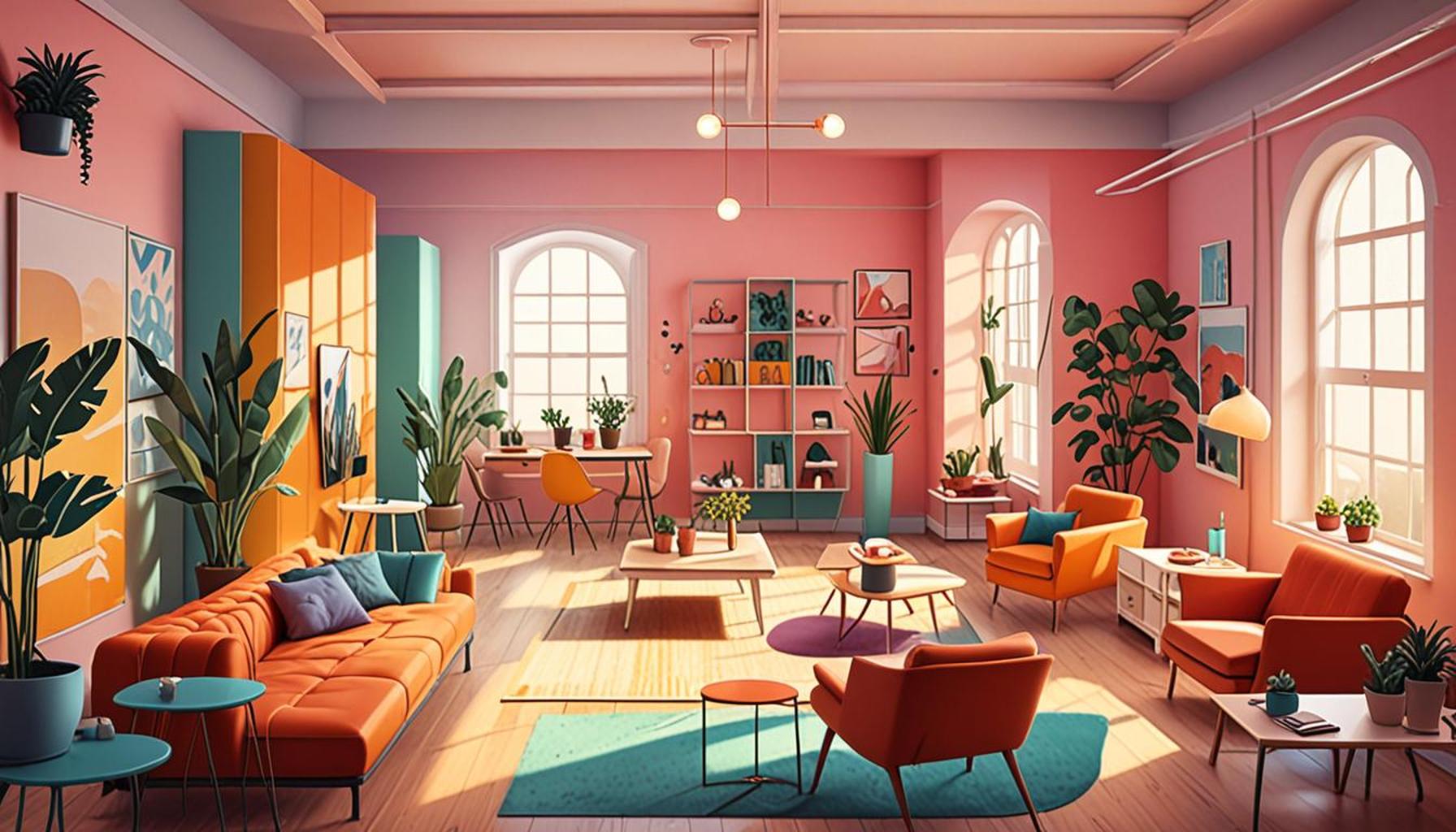
- Natural elements: Integrating natural elements, such as plants and ample natural light, can further enhance the tranquil environment. Indoor plants not only purify the air but also create a connection to nature that is essential in a busy city life. Consider a few potted succulents on a windowsill or a statement peace lily in the corner of a room.
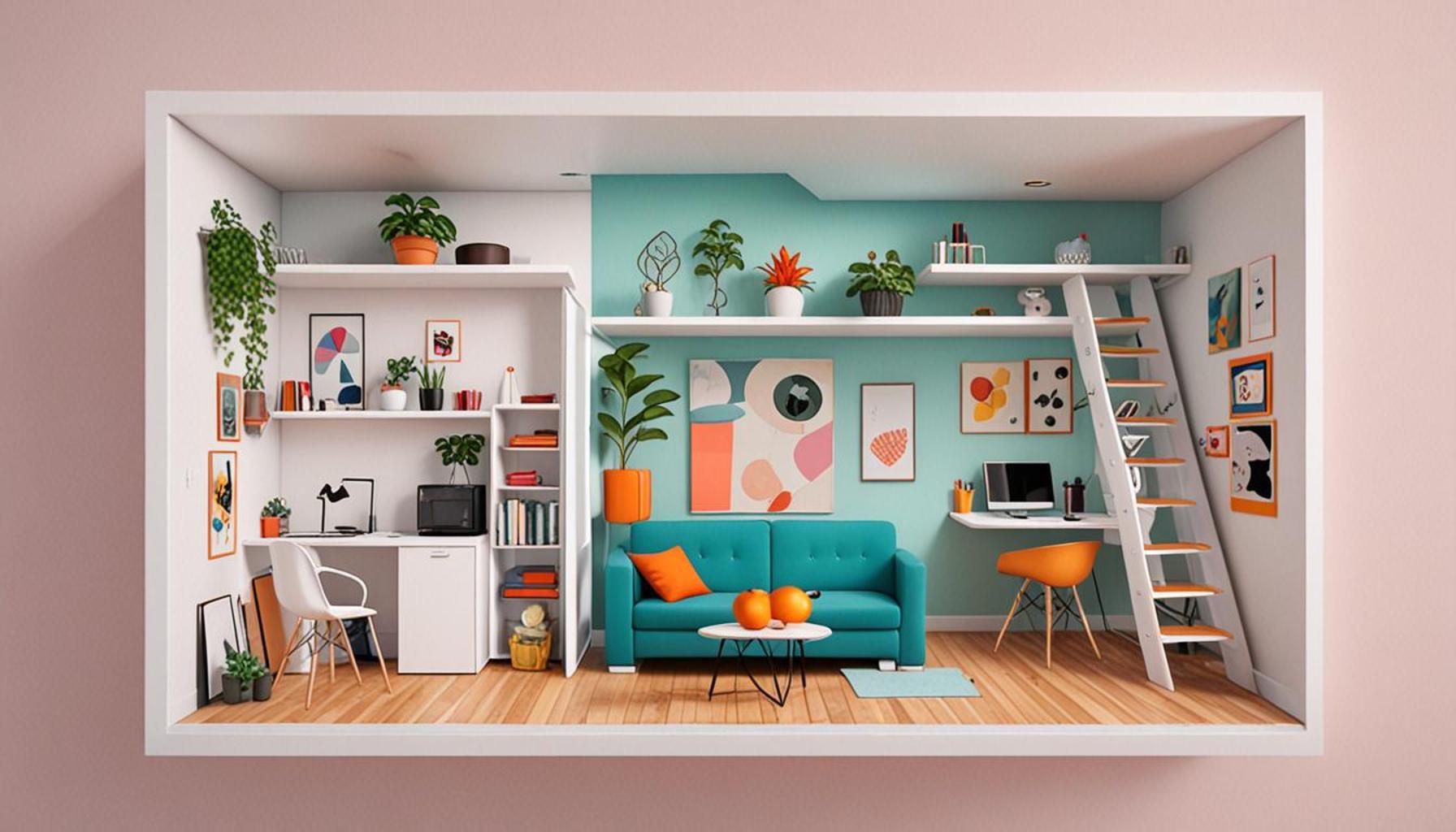
- Purposeful design: When it comes to furniture, each piece can be chosen for its functionality and aesthetic value. Multifunctional furniture, such as a storage ottoman or a foldaway desk, maximizes space while maintaining a clean look. This intentional selection promotes leisure activities without visual chaos, making every moment spent in the space more enjoyable.
What are the concrete benefits of cultivating minimalism in recreational environments? The answers lie in how our surroundings affect our mental and emotional state:
- Enhance focus: A tidily arranged space fosters clarity of thought. For those working from home or pursuing hobbies such as painting or writing, a clean area devoid of distractions creates an ideal atmosphere for concentration and productivity.
- Boost creativity: Clutter can stifle inspiration, while a minimalist setup can invigorate creative expression. An artist might find that a simple, well-lit studio focused on a few key tools encourages experimentation and innovation.
- Foster tranquility: The harmonious balance of a minimalist design can encourage relaxation and rejuvenation. Imagine unwinding in a serene living room with soothing colors and nothing more than a comfortable sofa and a few cherished books—this simplicity can be soothing for the mind and body.
As we delve deeper into the principles of minimalism, practical strategies will emerge to help individuals rethink their recreational spaces. These insights might inspire readers across the United States to embrace the philosophy of simplicity in their everyday lives. By doing so, many might discover that even the ordinary can transform into the extraordinary with a little thoughtfulness and intention.
In a culture that often prizes excess, minimalism stands out as a refreshing alternative, encouraging us not only to create efficient environments but to adopt a mindset that values experiences over possessions. Embracing this ethos could reshape how we relate to our spaces and, ultimately, to ourselves.
DISCOVER MORE: Click here to learn how minimalism can enhance your workspace
Reimagining Spaces with Minimalism
As the modern lifestyle continues to accelerate, many individuals find themselves reevaluating their recreational spaces in search of serenity and functionality. By incorporating minimalism into these environments, people can create efficient spaces that not only serve as a retreat but also enhance their overall well-being. The influence of minimalism is particularly evident in how we approach organization and design within our leisure areas. Here, we explore the core principles of minimalism and their profound effects on recreational environments.
The concept of minimalist organization emphasizes the idea that less is often more. In recreational spaces, this translates to a thoughtful arrangement of furniture and decor that prioritizes open areas and accessibility. Homeowners are increasingly opting for multifunctional furniture that provides utility without overwhelming the space. Items like a compact yoga mat storage or a collapsible game table are perfect examples of how minimalism allows for a dynamic yet unobtrusive recreational area.
To better understand the impact of minimalism on organizing recreational spaces, consider the following key principles:
- Simplicity in Design: Clean lines and neutral color palettes create a soothing atmosphere. A minimalist recreational room often prioritizes a few essential elements rather than a plethora of items. For instance, a meditation corner equipped with a simple cushion and a small plant promotes calmness and invites relaxation without unnecessary distractions.
- Intentional Use of Space: Clear pathways and open areas facilitate movement and enhance usability. By limiting furniture to only what is essential, individuals can maximize the functionality of their leisure spaces, whether it’s for family gatherings or solitary reflection.
- Emphasis on Quality: Minimalism encourages the selection of high-quality, durable items. Instead of filling recreational areas with numerous items that clutter space and complicate organization, individuals are motivated to invest in fewer, well-crafted pieces that elevate both aesthetics and purpose.
Research shows that our environments significantly influence our mental clarity and emotional health. Minimalist recreational spaces can lead to reduced stress and increased satisfaction in leisure activities. A vast majority, approximately 75% of Americans, report that a peaceful home environment enhances their well-being. By organizing recreational areas with intentionality, individuals can cultivate spaces that serve as retreats from the chaos of daily life.
As leisure time becomes increasingly valuable, embracing minimalism in organizing recreational spaces allows individuals to create environments that prioritize relaxation and joy. By focusing on essential elements and quality over quantity, minimalism empowers individuals to reclaim their time and space—leading to more meaningful leisure experiences.
As we dive deeper into the practical strategies for integrating minimalism into recreational spaces, readers will gain insights and inspiration, recognizing that they too can transform their environments into effective leisure sanctuaries by embracing the principles of simplicity and intentionality.
The Impact of Minimalism on Recreational Spaces
The application of minimalism as a design philosophy has drastically transformed how we perceive and organize recreational spaces, prioritizing functionality and simplicity. By emphasizing the essentials and eliminating the unnecessary, minimalism facilitates a more serene environment, allowing individuals to engage in leisure activities without distractions. As recreational areas become increasingly cluttered with superfluous objects, the minimalist approach reclaims the focus on the user experience.Open Layouts are a hallmark of minimalist design and serve to enhance the flow of space. By incorporating multifunctional furniture that adapts to various recreational activities, such as yoga or board games, one can create a seamless transition from relaxation to active engagement. This flexibility caters to diverse interests and fosters social interaction, essential for building a community in leisure environments.Another vital aspect of minimalism is the use of neutral color palettes which create a calming atmosphere. Colors such as whites, grays, and earthy tones are not only visually appealing but also contribute to an environment that promotes mental clarity and relaxation. By indulging in chromatic restraint, these spaces become a sanctuary from the overstimulation common in more saturated settings, which can lead to stress and fatigue.In terms of functionality, minimalism encourages smart storage solutions. Hidden compartments or curated shelving allow for the organization of recreational materials, ensuring that everything has its place while keeping the space visually appealing. This organization leads to a more enjoyable and efficient use of leisure time as individuals can easily find and access their materials without sifting through a sea of clutter.Through the implementation of minimalist principles, recreational spaces can be transformed into thriving environments for leisure. Whether it’s a park, gym, or community center, the focus remains on creating efficient settings that prioritize user experience and facilitate relaxation. Exploring these influences can offer insight into designing spaces that harmonize with our need for recreation, demonstrating that less truly can be more.
| Category | Details |
|---|---|
| Space Efficiency | Eliminates clutter and maximizes usability for various recreational activities. |
| Enhanced Focus on Activities | Promotes a tranquil environment that aids in relaxation and enjoyment. |
Such insights drive the discussion around minimalist design in recreational spaces, encouraging readers to explore further into how these strategies can directly improve their leisure environments.
DIVE DEEPER: Click here to discover more about mindfulness in decision making
Practical Strategies for Embracing Minimalist Organizing
Implementing minimalism in recreational spaces isn’t merely an aesthetic choice; it combines functionality with thoughtful design to foster a harmonious environment. In this section, we will delve into practical strategies that can be seamlessly integrated into your leisure areas, allowing you to enjoy both beauty and efficiency without the burden of clutter.
One effective method for achieving a minimalist recreational space is through the use of modular furniture. This type of furniture adapts to varying needs and situations, offering flexibility that is essential for leisure environments. A prime example is a modular sofa that can be rearranged for different seating needs during family game nights or movie marathons. By investing in such versatile pieces, individuals can enjoy the pleasures of leisure without sacrificing space and simplicity, creating an environment that is easy to maintain.
Another crucial aspect is the strategic placement of storage solutions. Shelving units and storage ottomans can be integrated into recreational spaces without overwhelming the visual aesthetic. For instance, utilizing clear bins or labeled baskets ensures that items are both easily accessible and organized. This strategy encourages individuals to be mindful of what they keep, enticing them to regularly curate their belongings and eliminate anything superfluous. A recent survey indicated that nearly 62% of respondents felt more relaxed in spaces where they could easily find their favorite leisure items, reinforcing the importance of practical storage solutions in enhancing leisure experiences.
In addition to functional furniture and storage, incorporating calming elements can further support the minimalist ethos. Integrating natural elements such as indoor plants not only enhances the visual appeal but also promotes emotional well-being. Plants like snake plants or peace lilies, known for their air-purifying qualities, can be strategically placed to improve air quality while maintaining a minimalist look. Furthermore, the careful selection of art pieces that resonate with personal interests can create focal points within the space without overwhelming it—opting for a single, striking artwork over a gallery-style wall can serve as a conversation starter while keeping the energy of the room balanced.
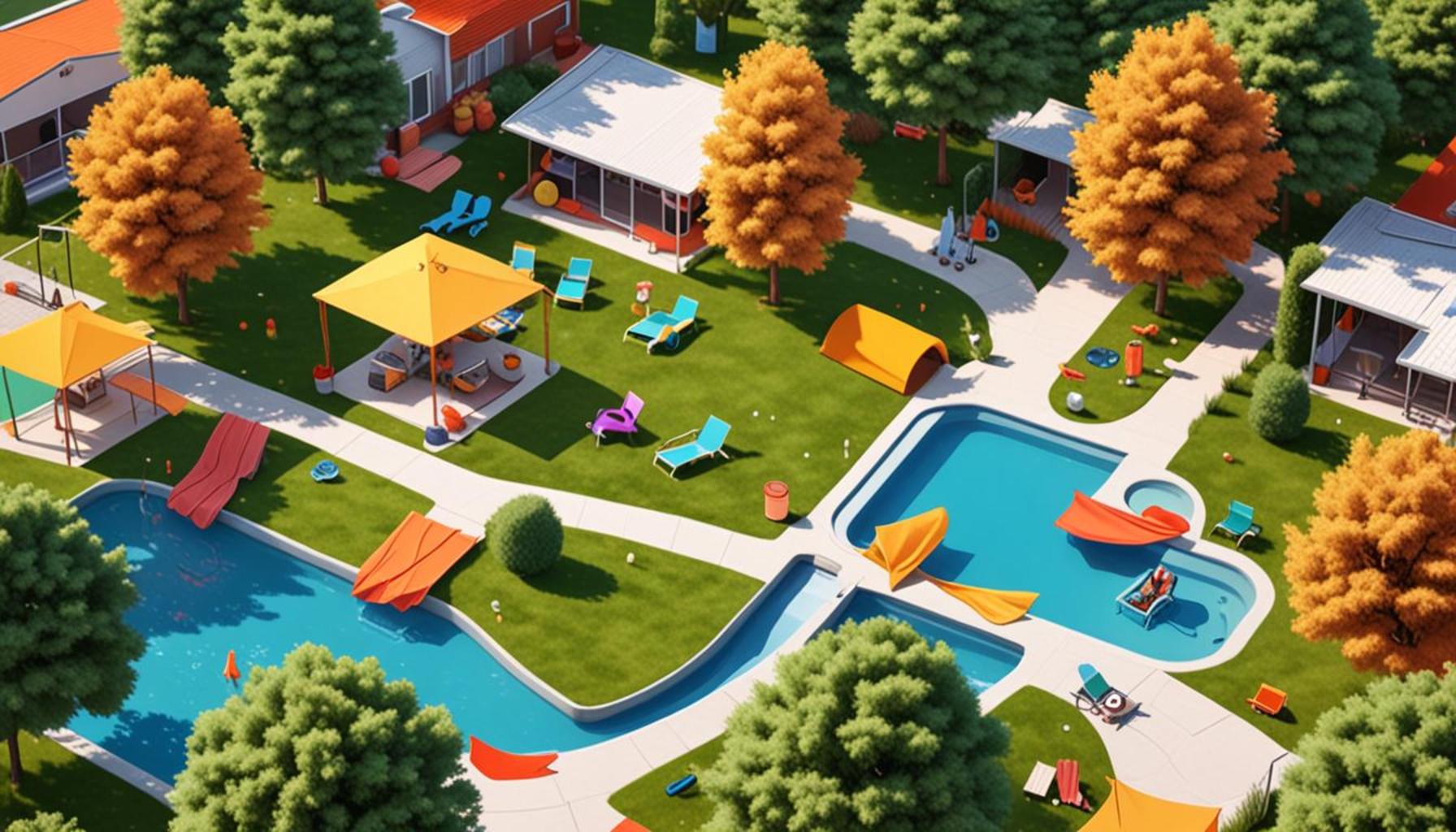
For those looking to design outdoor recreational spaces, minimalism can be effortlessly integrated through open-air layouts and natural materials. Using patio furniture made from wood or metal with simple lines can create an inviting environment conducive to relaxation and entertainment. Instead of a cluttered deck that juggles numerous furniture pieces, a few well-placed lounge chairs along with a small table can foster social interaction while ensuring sufficient space for movement and enjoyment of nature.
As the movement towards minimalism takes hold in organizing recreational spaces, embracing its principles encourages individuals to create not only visually appealing environments but also spaces that promote authentic leisure experiences. By adopting these strategies that prioritize usability, functionality, and tranquility, individuals enhance their quality of leisure time, making it more meaningful and enjoyable.
Ultimately, the power of minimalism lies in its ability to transform how we perceive and utilize our recreational spaces, guiding us to focus not just on aesthetics but on the fulfilling experiences these environments can bring.
DISCOVER MORE: Click here for insights on personal growth
Conclusion: Embracing Minimalism in Recreational Spaces
As we navigate the complexities of modern life, the influence of minimalism in organizing recreational spaces emerges as a beacon of efficiency and tranquility. This transformative approach encourages us to prioritize not only the functionality of our environments but also the emotional well-being they can provide. By intentionally curating our leisure spaces with modular furniture, effective storage solutions, and calming elements, we create a harmonious atmosphere that enhances our leisure experiences. Recent findings have shown that a well-organized space, devoid of unnecessary clutter, can significantly impact our relaxation and overall mood.
Moreover, the integration of natural materials and plants into both indoor and outdoor recreational spaces reinforces our connection to nature, fostering a sense of peace and rejuvenation. The principles of minimalism serve as a reminder that less can indeed be more—allowing us to strip away distractions and focus on what truly enriches our lives during our leisure time. As this trend continues to gain traction, individuals across the United States and beyond are invited to reevaluate their recreational environments.
Ultimately, the essence of minimalism lies in its power to reshape our perceptions of leisure. By adopting its principles, we open the door to more meaningful experiences and joy, transforming how we interact with our recreational spaces. As you embark on your journey toward creating efficient and inviting environments for relaxation, let the philosophy of minimalism guide you in crafting the leisure spaces you desire—spaces that not only look good but feel good, too.