The Influence of Nigerian Traditional Music on Modern Musical Creation
Exploring the Musical Heritage of Nigeria
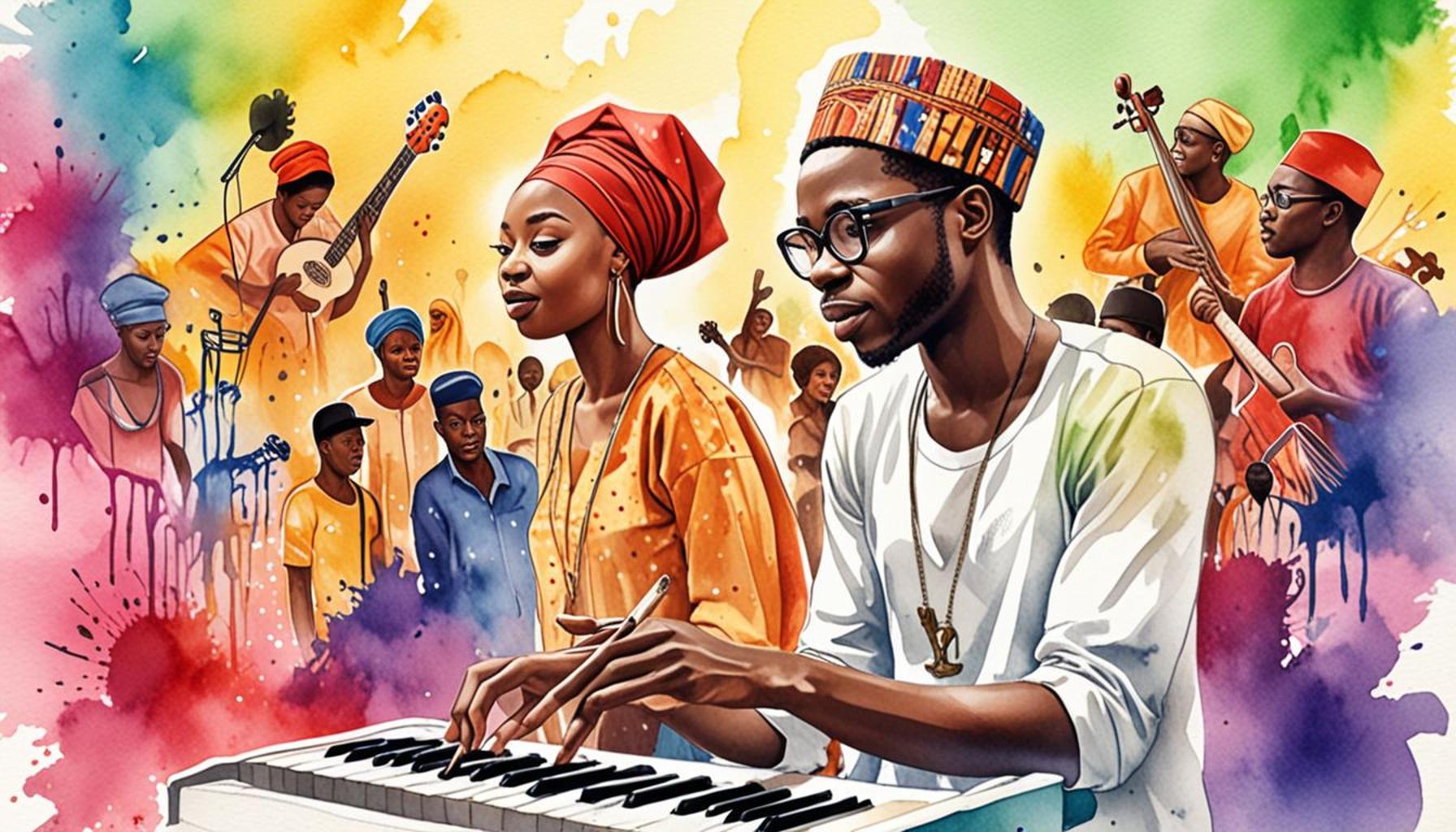
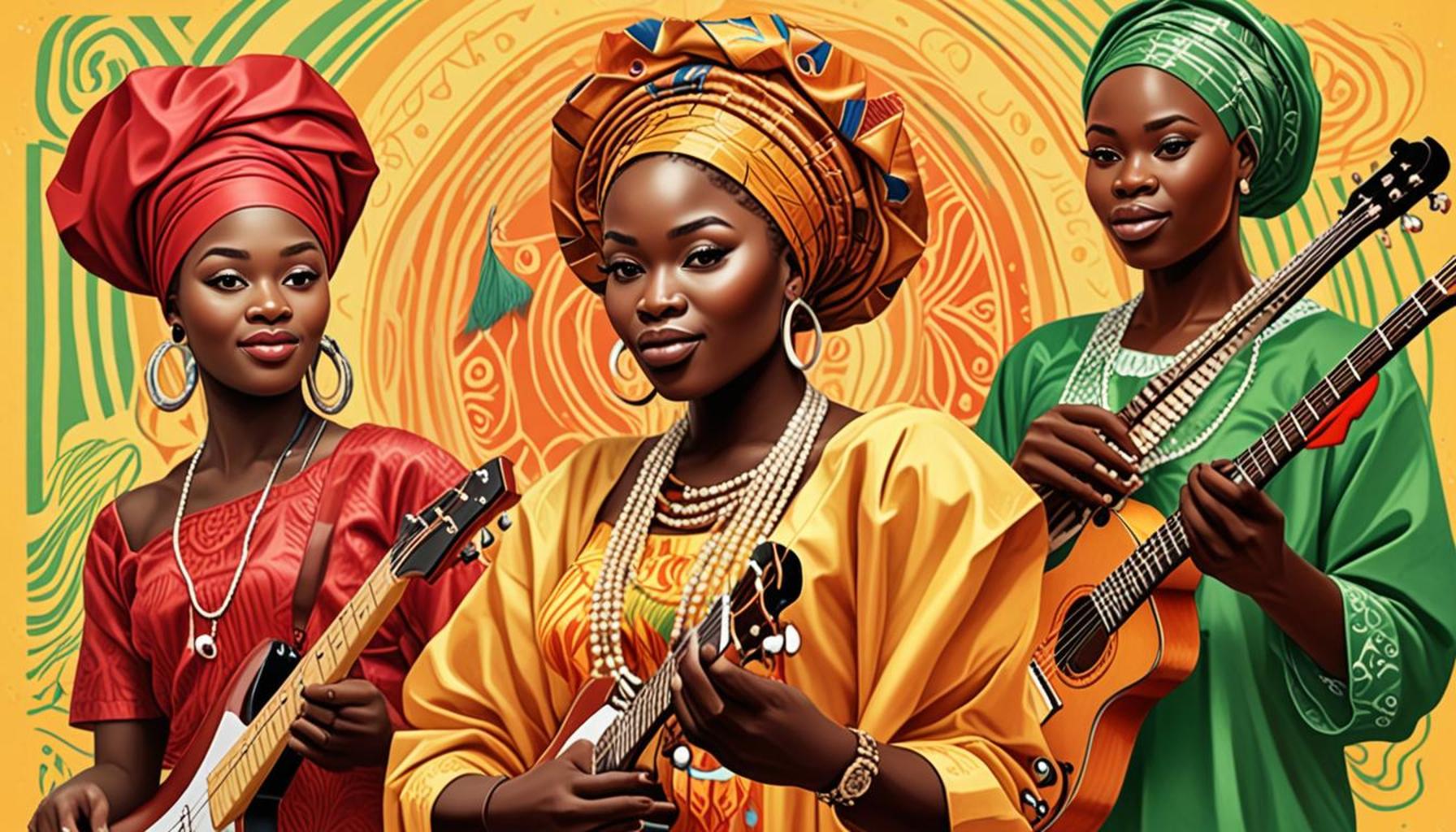
Nigeria’s rich musical heritage serves as a vibrant foundation for contemporary expressions of sound, intricately woven into the fabric of the nation’s culture. With deep historical roots, traditional music not only reflects the diverse cultures and ethnicities of Nigeria but also significantly influences various global genres. This exciting interplay between the past and the present can be observed in multiple dimensions, showcasing the significance of traditional music in shaping contemporary artistic landscapes.
Rhythmic Patterns
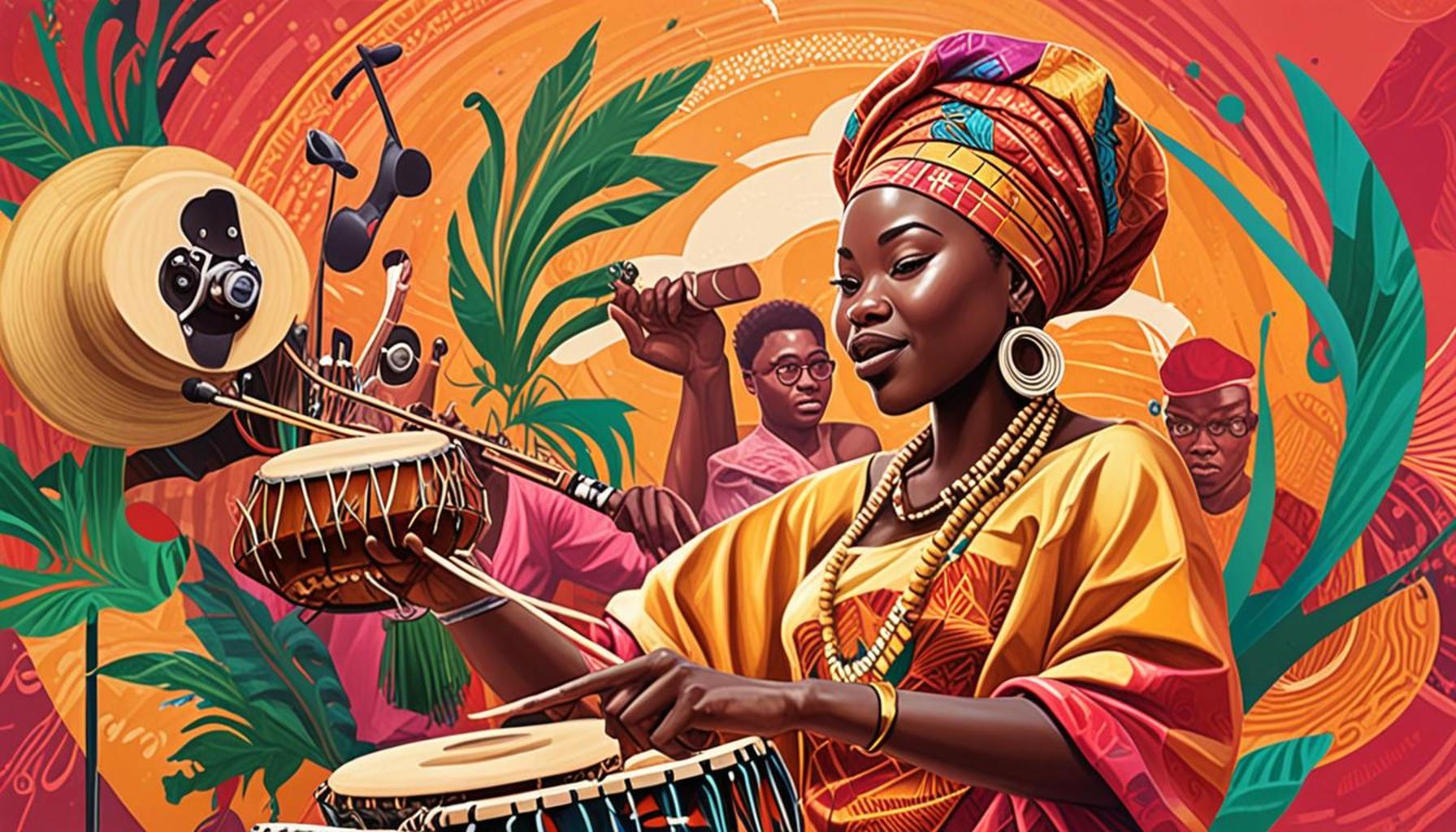
A hallmark of Nigerian music is its complex rhythmic patterns, which include intricate drum beats and polyrhythmic structures. These rhythms form the backbone of several popular genres such as Afrobeat and Highlife, both of which have made a significant impact on the international music scene. For instance, the polyrhythmic styles found in Yoruba drumming embody layers of sounds that create an energetic pulse, inspiring artists around the globe. The beats evoke a sense of celebration and community, reflecting the joyful spirit inherent in many Nigerian festivals.
Instrumentation
The use of traditional instruments also plays a pivotal role in modern music. Instruments like the shembe (a type of drum used in spiritual ceremonies), the talking drum (which can mimic human speech), and the udu (a clay pot drum) have been creatively incorporated into various contemporary tracks. For example, the talking drum has been used by many artists in both traditional and modern contexts, enriching their sound with unique tonal qualities. By blending such instruments with electronic elements and Western styles, Nigerian musicians create a dynamic sonic signature that resonates with audiences worldwide.
Lyrical Themes
Lyrical content rooted in love, struggle, and cultural pride persists as a significant influence in contemporary Nigerian music. The storytelling tradition of weaving personal and communal narratives remains paramount, allowing artists to connect with their heritage while addressing modern issues. Songs that delve into societal challenges often draw listeners in, fostering a sense of solidarity and resilience. Artists like Burna Boy and Wizkid frequently reference cultural elements and experiences, demonstrating the enduring power of these themes.
Global Recognition and Influence
The global music industry has increasingly recognized the profound impact of Nigerian traditional music. Today, artists such as Burna Boy, Wizkid, and Tiwa Savage are celebrated not just for their musical prowess but also for their ability to merge traditional elements within contemporary sounds. Burna Boy’s song “Ye,” which combines Afrobeat with a modern touch, showcases the richness of Nigerian culture to international audiences. Similarly, Tiwa Savage’s use of traditional motifs in her popular tracks speaks volumes about the bridge between past and present.
This fascinating tapestry of sound and storytelling continually invites listeners to explore and appreciate the ways in which Nigerian traditional music shapes modern musical creation. By embracing their roots, artists encourage a revival of interest in traditional forms, ensuring that the legacy of their culture thrives and evolves in the ever-changing landscape of global music. This journey through music not only enhances the richness of artistic expression but also nurtures a deeper understanding of Nigeria’s cultural identity.
RECOMMENDED: Check out this similar article
The Connection Between Tradition and Modernity
The influence of Nigerian traditional music on modern musical creation is a fascinating interplay of heritage and innovation. This relationship is not merely an aesthetic choice; it symbolizes a deeper commitment to cultural identity and continuity. Nigerian traditional music serves as a reservoir of stories, rhythms, and emotions that contemporary artists draw upon as they navigate the complexities of today’s globalized soundscapes. The reimagining of these rich traditions showcases both respect for the past and creativity for the future.
Melodic Structure and Scale Systems
One of the defining features of Nigerian traditional music is its distinct melodic structures that incorporate various scale systems unique to different ethnic groups. The Hausa use the pentatonic scale, often resulting in movements that are both haunting and uplifting. Similarly, the Igbo people’s use of multiple melodic intervals introduces complexities that can be heard in contemporary genres like Afropop and Afrofusion. These melodies provide a rich palette for modern artists to experiment with, giving their music cultural depth and emotional weight.
Fusion of Genres and Styles
The rise of genres such as Afrobeats exemplifies the successful melding of traditional Nigerian music with international styles. This genre has blended elements from funk, hip hop, and R&B, creating a fresh yet familiar sound. Artists like Tems and Omah Lay have seamlessly integrated traditional Nigerian rhythms and melodies with Western influences, resulting in compositions that resonate widely. This fusion is not only a nod to the past but also illustrates the adaptability and universality of Nigerian music.
Community and Cultural Context
Nigerian traditional music is deeply tied to communal experiences, often performed at ceremonies, festivals, and religious events. These collective experiences form the backdrop against which contemporary artists create their works, thereby inviting significant cultural references into modern compositions. For instance, a song by an artist like Yemi Alade might evoke the communal spirit of a traditional wedding celebration, integrating traditional song forms and dance patterns into her choreography and musical arrangements.
Preservation of Language and Dialect
The incorporation of local languages and dialects further amplifies the influence of traditional music on contemporary artists. Using indigenous languages like Yoruba, Igbo, and Hausa not only connects the music to its roots but also serves to preserve these languages amidst a globalizing world. Artists like Phyno and Wizkid have effectively utilized regional dialects, enriching their lyrics and providing a more authentic representation of their cultural backgrounds.
The dynamic exchange between tradition and modernity in Nigerian music serves as an ongoing dialogue that highlights the resilience and adaptability of the nation’s cultural expressions. As artists continue to explore these connections, they create vibrant soundscapes that resonate with both local audiences and the global community, ensuring that Nigerian traditional music remains relevant and influential in modern musical creation.
| Category | Key Features |
|---|---|
| Cultural Fusion | Nigerian rhythms and melodies blending with global genres. |
| Innovation in Sound | Artists creating unique fusions by integrating traditional instruments like the talking drum. |
The assimilation of Nigerian traditional music into modern compositions has led to a remarkable cultural fusion that enhances the global music scene. Artists across diverse genres draw inspiration from classical Nigerian themes, rhythms, and instrumentation, creating songs that resonate deeply with multicultural audiences. This fusion often results in a sonic palette rich in textures that bridge various musical traditions.Moreover, the innovation in sound spearheaded by contemporary Nigerian musicians is transforming the landscape of modern musical creation. By incorporating traditional instruments, such as the shekere and ogene, into pop, hip-hop, and electronic music, they are not only reinventing the sound but also affirming their cultural heritage. For instance, many prominent artists are experimenting with these elements to evoke nostalgia while connecting with younger listeners. This intersection of past and present unveils numerous possibilities for future musical exploration. The impact of these artistic choices extends beyond the studio, influencing live performances and shaping the industry’s direction in global music events. As the world becomes increasingly interconnected, understanding how such influences manifest in modern music encourages further examination of these cultural exchanges and their implications.
ADDITIONAL INSIGHTS: Expand your understanding here
The Role of Percussion and Rhythmic Complexity
Percussion instruments are the heartbeat of Nigerian traditional music, contributing to its unique rhythmic fabric. Instruments such as the talking drum, djembe, and shekere create intricate layers of sound that modern musicians often utilize to enhance their compositions. The polyrhythms inherent in traditional Nigerian music can be a powerful tool for contemporary artists looking to infuse their works with vibrancy and energy.
Artists like Burna Boy have prominently featured these percussive elements in their music, a testament to the enduring legacy of traditional rhythms. In tracks like “Ye,” the integration of the talking drum adds a dynamic quality that enriches the listening experience. This rhythmical complexity allows for a diverse range of interpretations, inviting listeners to engage with the music on multiple levels.
The Rebel Spirit of Social Commentary
Nigerian traditional music often serves as a vessel for storytelling, providing social commentary through lyrics and song structure. This aspect is crucial for contemporary artists who aim to address pressing societal issues. Musicians like Falz and Simi draw upon traditional storytelling elements while addressing topics such as corruption, inequality, and identity. The blending of these themes with traditional sounds gives their music authenticity and relevance, resonating with young audiences searching for voices that speak to their experiences.
This trend is not limited to local issues. Artists such as Waje have begun addressing global topics using the framework of traditional Nigerian music, highlighting the universal truths within the country’s narratives. By maintaining the core essence of traditional storytelling while adapting messages to contemporary contexts, these musicians preserve their cultural heritage while pushing for social change.
Visual and Performative Aspects
The influence of Nigerian traditional music extends beyond audio; it permeates the visual and performative realms as well. Traditional attire, dance forms, and stage presence are often integral components of modern performances. Artists such as Tiwa Savage and Davido infuse traditional dances into their performances, creating an electrifying experience that is both culturally rich and entertaining.
This incorporation of traditional dance styles not only captivates audiences but also serves to educate them about Nigeria’s cultural diversity. By promoting traditional dance forms like Azonto and Soro, these artists bridge generational gaps and encourage pride in Nigerian heritage as people gather to celebrate the music and their roots.
The Global Impact of Traditional Influences
The international success of Nigerian artists has also paved the way for a globalization of traditional sounds, leading to collaborations that further enhance the reach of such music. For example, collaborations between artists like Mr. Eazi and J Balvin have not only spotlighted Nigerian rhythms but have also led to a greater appreciation of African music influences worldwide. This exposure allows for a cross-cultural exchange that redefines what modern music can be, highlighting the rich tapestry of Nigerian artistry.
As global audiences eagerly embrace the rhythms and melodies of Nigeria, traditional music’s influence is solidified. Contemporary musicians are thus able to carve out a niche for themselves while honoring their origins, ensuring that Nigerian traditional music remains both a key source of inspiration and a dynamic tool for creative expression in modern musical creation.
YOU MAY ALSO LIKE: Read read another article
Conclusion: The Undeniable Legacy of Nigerian Traditional Music
The exploration of Nigerian traditional music reveals a profound impact on the landscape of modern musical creation. As contemporary artists draw inspiration from rich rhythmic complexities, compelling narratives, and vibrant visual expressions, they bridge cultural divides while celebrating their roots. This fusion of old and new not only enhances the listening experience but also fosters a sense of identity among younger generations.
The integration of traditional instruments, such as the talking drum and djembe, speaks to the heart of Nigerian artistry, infusing contemporary tracks with a sense of authenticity and vibrancy. Artists like Burna Boy and Tiwa Savage exemplify this blend, captivating audiences with sounds that resonate on both local and global stages. Furthermore, the use of music as a platform for social commentary reinforces the power of storytelling within the Nigerian context, empowering artists to address pivotal issues through their work.
As the boundaries of Nigerian music continue to expand internationally, collaborations with global artists exemplify the potential for cross-cultural exchange. The ongoing journey of traditional musical influences catalyzes new forms of expression and creativity. Individuals interested in understanding the complexities of modern music creation will find that the heartbeat of Nigerian traditional music not only shapes the soundscape but also preserves a remarkable cultural legacy for generations to come.
Ultimately, the enduring legacy of Nigerian traditional music serves as a reminder that cultural heritage is not merely a reflection of the past but a living, breathing element that enriches contemporary artistic expression. As this dynamic interaction unfolds, it is crucial to celebrate and explore the intricate connections that continue to redefine the global musical narrative.