
The Peptide Revolution: How They Can Transform Your Face and Combat Aging
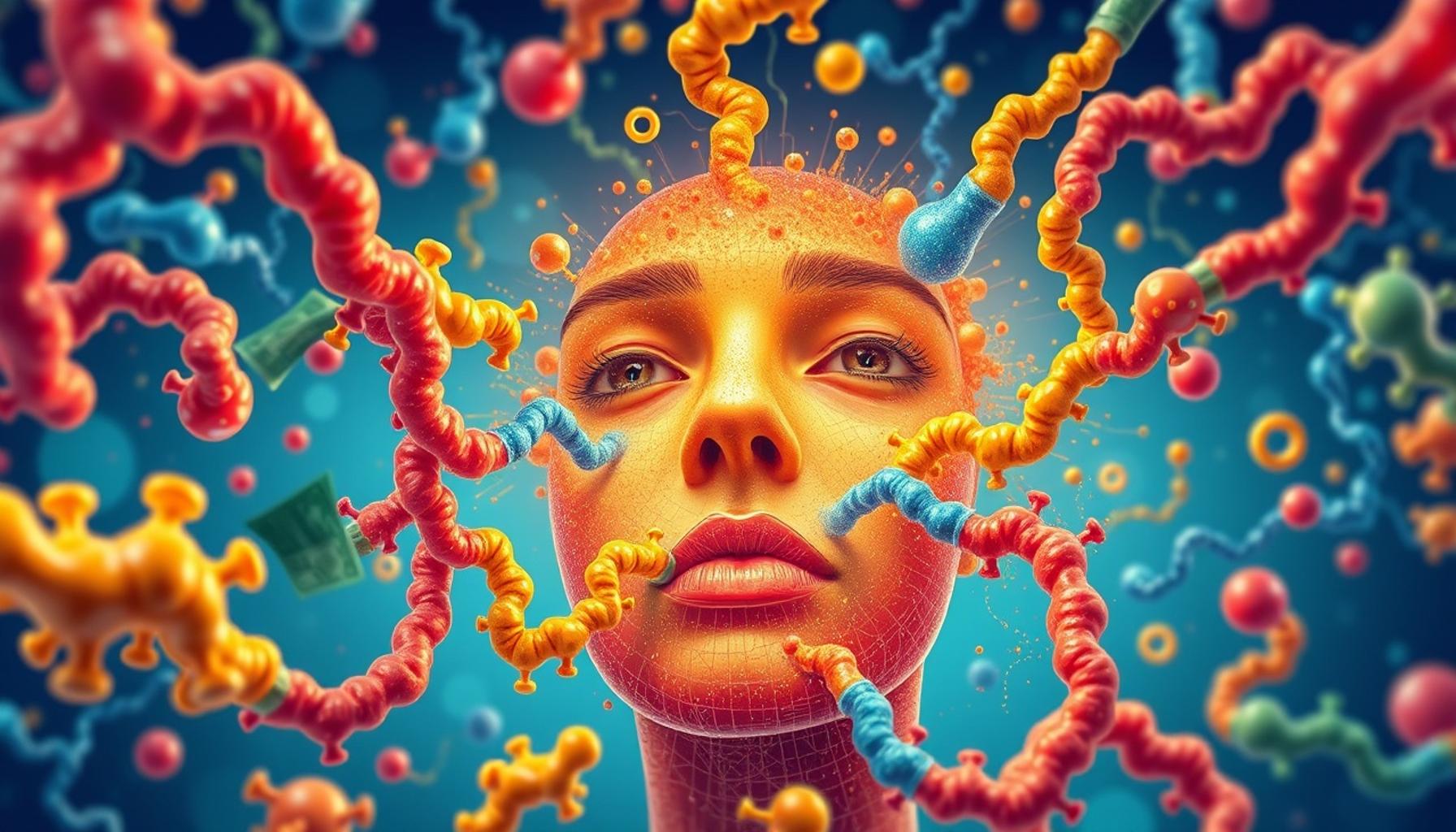
The Role of Peptides in Skin Care
In recent years, the skincare industry has witnessed a paradigm shift with the advent of peptides. Once relegated to the realm of scientific research and biotechnology, these small yet powerful chains of amino acids have found their way into the daily routines of beauty enthusiasts and skincare novices alike, revolutionizing the approach to aging and overall skin health.
At their core, peptides are the building blocks of proteins, including collagen, elastin, and keratin, which are essential for maintaining skin integrity and youthful appearance. Understanding how peptides function can empower consumers to make informed choices about their skincare.
How Do Peptides Work?
Peptides serve several critical functions in dermatology, including:
- Enhancing collagen production: Certain peptides stimulate the body’s natural collagen synthesis, which helps restore skin elasticity. By increasing collagen levels, they can significantly reduce the appearance of fine lines and wrinkles, allowing for a smoother and more youthful complexion.
- Improving skin texture: Peptides can assist in promoting skin regeneration, resulting in a more even skin texture. Additionally, they can boost moisture retention, thereby contributing to a plumper and more hydrated appearance.
- Targeting specific concerns: Different types of peptides are tailored to address various skin issues, from diminutive wrinkles to dark circles under the eyes. For example, a peptide like Matrixyl 3000 is particularly known for combating signs of aging, while another, such as Argireline, is often dubbed “Botox in a jar” due to its muscle-relaxing properties.
The Rise of Peptides in Anti-Aging Solutions
As consumers become more ingredient-savvy, the demand for effective and safe anti-aging solutions has exploded. Peptides offer a non-invasive alternative to traditional treatments like fillers and Botox, attracting those who wish to enhance their appearance naturally. The promise of achieving youthful skin without resorting to clinical procedures resonates with many, particularly in a culture that celebrates natural beauty.
With the plethora of peptide-infused products flooding the market—from serums to moisturizers—it’s essential to choose wisely. Look for products labeled with specific types of peptides, and pay attention to their concentration within the formulation. This can significantly impact effectiveness.
The world of peptides is more than just a trend; it represents a scientifically-supported shift toward more effective skincare. Whether you’re a skincare aficionado or just beginning to explore your options, understanding peptides might just unlock the key to achieving youthful, vibrant skin. With continued advancements in research and formulation, these tiny powerhouses are set to play an ever-important role in shaping the future of beauty and skincare. As you dive into the exciting world of peptides, remember that your journey towards radiant skin is just beginning.
DISCOVER MORE: Click here to unlock the secrets of glowing skin
Understanding the Types of Peptides
To appreciate the transformative potential of peptides in skincare, it’s crucial to delve deeper into the different types of these powerful molecules. Not all peptides are created equal; each one possesses unique properties that can cater to specific skin needs. By familiarizing yourself with these variations, you can make informed choices that best suit your skin goals.
Key Types of Peptides and Their Benefits
- Signal Peptides: These peptides play a pivotal role in signaling skin cells to perform certain functions. For instance, they can promote collagen synthesis, which is essential for maintaining skin firmness. One of the most celebrated signal peptides is Palmitoyl Pentapeptide-4, which has been shown to reduce the appearance of wrinkles effectively.
- Carrier Peptides: Designed to deliver essential minerals and nutrients to the skin, carrier peptides enhance the overall efficacy of skincare products. They often improve the absorption of other active ingredients. For example, Copper Peptides not only promote healing but also enhance skin tone and elasticity.
- Enzyme Inhibitor Peptides: These specialized peptides help combat the breakdown of collagen by inhibiting certain enzymes. They help to maintain the integrity of the skin matrix and promote a more youthful appearance. One well-known inhibitor is Oligopeptide-68, which targets hyperpigmentation and uneven skin tone.
- Neuropeptides: Acting on nerve cells, neuropeptides can help reduce the appearance of fine lines by relaxing facial muscles, similar to how Botox works but without injections. A tailored formulation containing neuropeptides can yield visible smoothing effects on expression lines.
As a result of these diverse functions, incorporating the right peptides into your skincare routine can lead to visible improvements in skin texture, firmness, and hydration levels. Their versatility has ignited a corresponding rise in innovative products filled with an array of peptide complexes, catering to an ever-growing market of skincare enthusiasts.
The Impact of Peptides on Skin Aging
Age-related skin changes—such as loss of collagen, diminished elasticity, and increased dryness—are natural but commonly dreaded. Peptides address these issues head-on, making them invaluable allies in the quest for youthful skin. Research has consistently shown that regular application of peptide-infused products can lead to firmer, more resilient skin, significantly diminishing the signs of aging.
Pioneering studies and clinical trials continue to validate the efficacy of peptides in combating aging, sowing the seeds of hope for those seeking to defy time. As the body of research expands, so does the credibility of peptides as a formidable player in anti-aging skincare. Users can look forward to both immediate and cumulative results—improving their skin’s overall health and radiance over time.
With such compelling benefits, it’s easy to see why peptides have earned their spot as a cornerstone in modern skincare solutions. As more people embrace these powerful compounds in their beauty regimens, the journey towards youthful, glowing skin becomes not just attainable but also exciting.
| Category | Key Features |
|---|---|
| Peptide Types | There are various peptide types like signal peptides, carrier peptides, and enzyme inhibitors, each serving unique purposes in skin care. |
| Skin Benefits | Peptides can enhance collagen production, reduce signs of aging, and improve skin elasticity, leading to a more youthful appearance. |
Peptide therapy is revolutionizing how we approach skin rejuvenation and anti-aging. By working on a cellular level, peptides communicate with skin cells, instructing them to act more effectively. This results in not only smoother, plumper skin but also a reduction in the visibility of fine lines and wrinkles.Scientifically formulated peptides can provide targeted solutions. For instance, signal peptides assist in the healing and regeneration process. They prompt the skin to generate more collagen, which is essential for maintaining skin’s structural integrity. Furthermore, carrier peptides transport essential minerals to the skin, greatly enhancing its healing abilities.Incorporating these powerful molecules into skincare routines can lead to striking transformations, providing a viable alternative to invasive cosmetic procedures. With ongoing research highlighting the efficacy of peptides, the future of skincare appears promising for achieving that youthful glow. As you explore this peptide revolution, you’ll discover a world of possibilities in how these tiny molecules can powerfully impact the aging process.
DON’T MISS OUT: Click here to discover the must-have products
The Role of Peptides in Skin Repair and Regeneration
The importance of peptides extends far beyond their ability to combat signs of aging. They also play a vital role in skin repair and regeneration, making them essential for anyone looking to maintain healthy, vibrant skin. Understanding how peptides interact with various skin processes can illuminate their transformative potential.
Peptides and the Skin Barrier
One of the primary functions of the skin is to serve as a barrier against environmental aggressors, including pollution, UV rays, and pathogens. As we age, this barrier can weaken, leading to increased sensitivity and vulnerability. Peptides, particularly defensive peptides, like Thymosin beta-4, are instrumental in enhancing the skin’s natural defenses. These peptides stimulate healing, bolster barrier function, and improve moisture retention, resulting in a more resilient and youthful appearance.
Promoting Hydration and Plumpness
With age, skin tends to lose its natural hydration, leading to dryness and a lack of plumpness. Here, hyaluronic acid peptides come into play. These specific molecules are renowned for their ability to hold up to 1,000 times their weight in water. When incorporated into skincare products, they help to maintain moisture levels, effectively reducing the appearance of fine lines and imparting a youthful bounce to the skin. Research indicates that moisturizers containing peptides can significantly improve overall hydration in just a couple of weeks.
The Synergy Between Peptides and Other Active Ingredients
The remarkable efficacy of peptides is often amplified when combined with other active ingredients. For instance, pairing peptides with antioxidants, such as Vitamin C, creates a powerful formula that not only targets signs of aging but also combats oxidative stress caused by free radicals. Furthermore, combining peptides with retinol can enhance skin renewal, providing a dual action of rejuvenation and environmental protection.
Addressing Specific Skin Concerns
Beyond general anti-aging benefits, certain peptides are formulated to target distinct skin concerns effectively. For example, Argireline, a peptide often referred to as “botox in a jar,” directly reduces the depth of wrinkles caused by facial expressions. Other peptides, like Matrixyl, focus on enhancing collagen production and minimizing the appearance of sagging skin, making them ideal for those concerned about loss of firmness.
Additionally, specific formulations designed for eye care often include peptides to address puffiness, dark circles, and fine lines. These targeted solutions reveal the versatility of peptides in forming tailored skincare regimes that cater to individual needs, thus maximizing their impact on skin health.
Data from a multitude of clinical studies continues to underscore the profound effects of peptides on various skin conditions. As the popularity of these compounds surges, innovation in peptide-infused products ensures that skincare enthusiasts have access to advanced formulations that optimize both efficacy and skin health.
As consumers begin to navigate the peptide landscape, it becomes crucial to identify which types are best suited to their unique skin concerns, ultimately harnessing the full potential of the peptide revolution in their skincare routines.
DISCOVER MORE: Click here to discover the transformative benefits of natural hair treatments
Conclusion: Embracing the Peptide Revolution for Youthful Skin
The peptide revolution marks a significant shift in how individuals approach skincare and combat aging. With their ability to stimulate collagen production, enhance skin hydration, and support skin barrier function, peptides have emerged as a powerhouse ingredient that caters to a variety of skincare needs. As we uncover more about these tiny yet mighty molecules, it becomes clear that they offer solutions beyond just reducing fine lines and wrinkles.
As highlighted throughout this article, peptides play a crucial role in promoting skin repair, hydration, and tackling specific concerns such as sagging and dark circles. The synergy of peptides with other dynamic ingredients, such as antioxidants and retinol, exemplifies their versatility and effectiveness in comprehensive skincare regimens. Furthermore, data from numerous clinical studies reinforces the growing body of evidence supporting the efficacy of peptides.
For anyone seeking a transformative experience in their skincare routine, exploring the different types of peptides and understanding their unique benefits is essential. Tailored formulations that target individual concerns allow for a more personalized approach to skincare, making it easier than ever to achieve a vibrant, youthful complexion. As this exciting peptide landscape continues to evolve, consumers are encouraged to stay informed and adventurous in their pursuit of skin health.
Ultimately, the peptide revolution invites us to rethink our skincare strategies and embrace the science behind these powerful ingredients, unlocking the secrets to a more radiant, age-defying appearance.