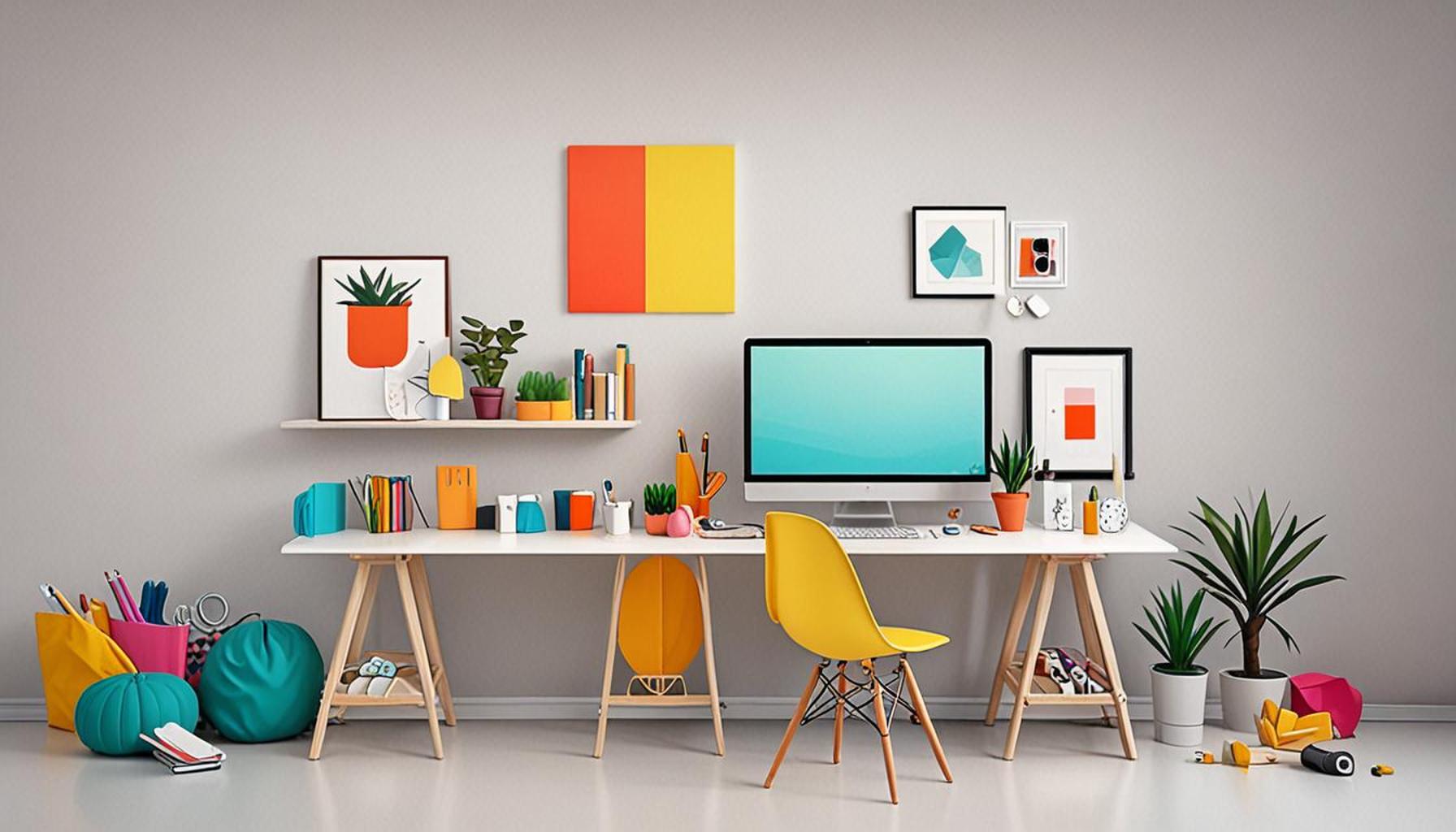
The Psychology of Space: How Minimalism Can Increase Productivity in Work Environments

The Impact of Space Design on Workplace Efficiency
The significance of our work environments cannot be overstated, especially in today’s world where distractions abound. The design of these spaces plays a pivotal role in influencing our productivity levels. The philosophy of minimalism illustrates that simplifying our surroundings can enhance focus and efficiency, echoing the sentiment that sometimes, less is more. By unpacking the psychology of space, we can understand why decluttering our work areas is essential for maximizing output.
- Cluttered environments can lead to increased stress and distraction. A study published in the journal “Environment and Behavior” found that participants in messy spaces struggled to concentrate on tasks compared to those in tidy environments. This suggests that an uncluttered workspace can significantly reduce anxiety levels.
- A minimalistic approach promotes mental clarity and enhances cognitive function. Research from the University of California indicates that a streamlined environment allows for better focus on tasks, as the brain can filter out distractions more effectively.
- Studies show that individuals in organized spaces report higher levels of satisfaction and creativity. In fact, employees in companies with a focus on minimalistic design reported a 20% increase in productivity, aligning with the common belief that a serene environment fosters innovative thinking.
Embracing minimalism in the workplace transcends mere aesthetics; it is about crafting a setting conducive to productivity and wellbeing. This transformation can manifest in various ways:
- Reducing unnecessary items on desks. Implementing a “one in, one out” rule for office supplies can dramatically diminish visual clutter and declutter the mind.
- Implementing open spaces that encourage collaboration. Google and Microsoft have both adopted flexible workspaces with fewer cubicles, allowing for more organic interactions among employees, a practice that has resulted in enhanced teamwork and creative problem-solving.
- Utilizing calming color palettes that enhance focus. For instance, studies suggest that blues and greens can evoke a sense of tranquility and concentration, making them ideal choices for office walls.
The intricate relationship between our environment and work output cannot be overlooked. By exploring the psychology of space, we can uncover effective strategies to enhance productivity through minimalistic design. Imagine how transforming your workspace—whether you’re at a corporate office in New York City or a remote setup in a cozy California home—could lead to significant improvements in both performance and job satisfaction.
As you consider making changes, reflect on your own surroundings. Could a few intentional adjustments lead to a more productive day? In the end, the correlation between a well-designed workspace and enhanced productivity is not just a theory; it’s a practice that can yield substantial benefits. Discover how the power of minimalism might open the door to a more focused and constructive work life.
DISCOVER MORE: Click here to learn about mindful routines
Understanding the Role of Minimalism in Workspaces
In the quest for productivity, the concept of minimalism extends beyond aesthetics; it delves into the psychological factors that impact our work performance. A minimalistic workspace minimizes distractions and enhances focus, allowing employees to channel their energies more effectively. Studies reveal that the human brain thrives in environments that are free of clutter, as this lack of visual chaos enables individuals to direct their attention towards the tasks at hand.
When we evaluate the dimensions of minimalism, it becomes evident that a well-organized workspace has a direct correlation to employee performance. Below are some noteworthy insights into how minimalism influences work environments:
- Visual Clarity: The visual noise created by excessive items can serve as a distraction. According to research from Princeton University, clutter in visual environments can restrict the brain’s ability to focus optimally. By maintaining a clean and minimal workspace, employees can experience a clearer mental state that fosters creativity and problem-solving.
- Enhanced Focus: A study conducted by the University of Minnesota found that simplified environments are linked to heightened concentration. When distractions are minimized through minimalism, workers are less likely to stray from their tasks, leading to improved efficiency.
- Increased Employee Wellbeing: Environments infused with minimalistic design principles contribute to lower stress levels among employees. A report from the American Psychological Association suggests that organized spaces can promote better mental health, which is essential for maintaining high productivity levels.
Embracing minimalism involves thoughtful considerations, including the organization of furniture and the use of space. For instance, the incorporation of open areas encourages interaction and collaboration among team members. Companies that have adopted this approach, such as AirBNB and Dropbox, have witnessed not only increased team cohesion but also a rise in creativity as a natural consequence of fewer physical barriers.
The psychological benefits resulting from minimalism extend to workplace aesthetics as well. Subtle elements such as plants or natural light can create an inviting atmosphere that enhances mood while maintaining a sense of order. Incorporating elements that evoke calmness contributes significantly to the overall effectiveness of a workspace.
As we navigate the complexities of modern work life, we must recognize the implications of our surroundings on our mental and emotional states. Whether working in a bustling city office or a home office, reimagining spaces through the lens of minimalism can facilitate profound transformations in productivity.
Understanding that the design of our environments directly influences our cognitive function underscores the importance of intentional space management. As more businesses acknowledge these principles, we can anticipate a shift towards adopting minimalistic approaches that prioritize clarity and purpose in the workplace.
| Advantage | Description |
|---|---|
| Enhanced Focus | Minimalism reduces visual clutter, allowing employees to concentrate better on tasks without distractions. |
| Boosted Creativity | A clean, simple environment fosters creativity by making space for new ideas to emerge, free from overwhelming stimuli. |
Minimalistic workspaces are becoming essential in modern office designs because they inherently reflect the principles of psychological well-being. Research indicates that eliminating unnecessary items from work environments not only boosts productivity but also improves overall mental health. As team members find it easier to navigate their tasks without physical distractions, they report higher satisfaction and efficiency in their work.Moreover, minimalism encourages the use of resources and space wisely, as companies adapt to flexible layouts that foster collaboration without overcrowding. Open spaces paired with purposeful design elements contribute to a sense of calm, enabling workers to remain engaged and focused.Incorporating natural elements such as plants, or using soft color palettes, can further enhance this atmosphere, leading to reduced stress levels. As a result, businesses that embrace a minimalist approach not only enhance their employees’ productivity but also cultivate a workspace that aligns with cognitive psychology principles, ultimately leading to greater success.
DISCOVER MORE: Click here to dive deeper
The Impact of Minimalism on Organizational Culture
Beyond the individual benefits of a minimalist workspace, the implications extend to organizational culture and overall productivity within teams. A minimalistic work environment serves as a reflection of a company’s values, directly influencing employees’ attitudes and engagement levels. When organizations prioritize simplicity and clarity in their physical spaces, they inadvertently encourage a culture of openness and collaboration.
One of the key facets of minimalism is its ability to foster effective communication. In a clutter-free environment, employees tend to engage in clearer and more direct conversations. A study conducted at Harvard Business School highlighted that when individuals occupy spaces that promote openness—like those reflecting minimalistic design—communication barriers diminish. This is particularly crucial in team settings, where effective dialogue can be the difference between success and stagnation. A notable example can be seen in companies such as Google, where their commitment to minimalistic and collaborative spaces has resulted in innovative breakthroughs and heightened employee morale.
Moreover, minimalism can significantly influence time management. A disorganized workspace can lead to wasted time as employees search for materials, tools, or information amidst the clutter. Research by the National Association of Professional Organizers indicates that Americans spend approximately 55 minutes each day due to disorganization. By implementing minimalistic designs, businesses can mitigate this time loss, enabling employees to concentrate on core tasks, thus driving productivity.
This minimalistic approach also paves the way for enhanced innovation. Simplified work environments reduce cognitive load, allowing team members to think more creatively. According to a report from the international consultancy firm McKinsey, companies that promote innovation through open and adaptable workspaces tend to outperform their competitors by 22% in profitability. Spaces that embrace minimalism encourage diverse ideas and new strategies without the noise of excessive distractions.
The strategic use of color and light further amplifies the impact of minimalism on workplace productivity. Bright, natural colors and ample daylight promote a sense of well-being and alertness among employees. The American Psychological Association has found that natural lighting in office settings decreases the chances of eye strain and headaches, often leading to better mood and increased efficiency. For instance, companies like Microsoft have incorporated biophilic design elements, including natural light and uncluttered spaces, which have shown to improve focus and productivity levels among their workforce.
Furthermore, the concept of work-life balance is inherently linked to minimalism. A streamlined workspace can symbolize the boundaries between professional and personal life, contributing to healthier lifestyles. Organizations nurturing this balance are more likely to see reductions in burnout and turnover rates. A report from Gallup indicates that employees with clear work-life boundaries report a 21% increase in overall productivity and workplace happiness.
Understanding that minimalism can shape not just individual productivity but also collective organizational culture opens avenues for companies to thrive in competitive landscapes. As businesses evolve, those that embrace minimalistic workspaces may unlock untapped potential, redefining productivity standards and championing a new era of work. In the United States, where corporate structures continue to adapt to modern demands, minimalism stands out as a compelling strategy to foster both employee satisfaction and organizational success.
DISCOVER MORE: Click here to learn about mindful gifting
Conclusion: Embracing Minimalism for a Productive Future
In a world increasingly characterized by rapid changes and overwhelming stimuli, the importance of minimalism in work environments cannot be overstated. Embracing a simplified workspace not only enhances individual focus and efficiency but also cultivates a culture of collaboration and innovation within organizations. As demonstrated through comprehensive studies, such as those from Harvard Business School and McKinsey, the correlation between minimalistic designs and heightened productivity is compelling.
Organizations that prioritize clarity and simplicity in their environments set the stage for improved communication, allowing teams to engage more meaningfully. This, combined with strategic use of light and color, contributes to overall employee well-being, further bolstering performance. The integration of natural elements, or biophilic designs, has proven effective in counteracting the stressors of modern work culture, aligning with findings from the American Psychological Association.
Furthermore, by embodying minimalism, companies not only forge stronger work-life boundaries but also reduce turnover and burnout, leading to satisfied employees who are more likely to invest their best efforts into their roles. With reports indicating significant increases in productivity linked to these practices, it is clear that minimalism is not just a design choice; it is a fundamental strategy for fostering a healthy and efficient workplace.
As U.S. businesses continue to navigate the complexities of the modern workplace, adopting a minimalist approach may well be the key to unlocking potential and driving sustainable success. The shift towards minimalism signifies a broader recognition of the psychology of space, inviting leaders and employees alike to rethink their working environments as catalysts for growth and innovation.