
The relationship between intentional design and lighting choice in organized and minimalist spaces
Understanding the Synergy Between Design and Lighting
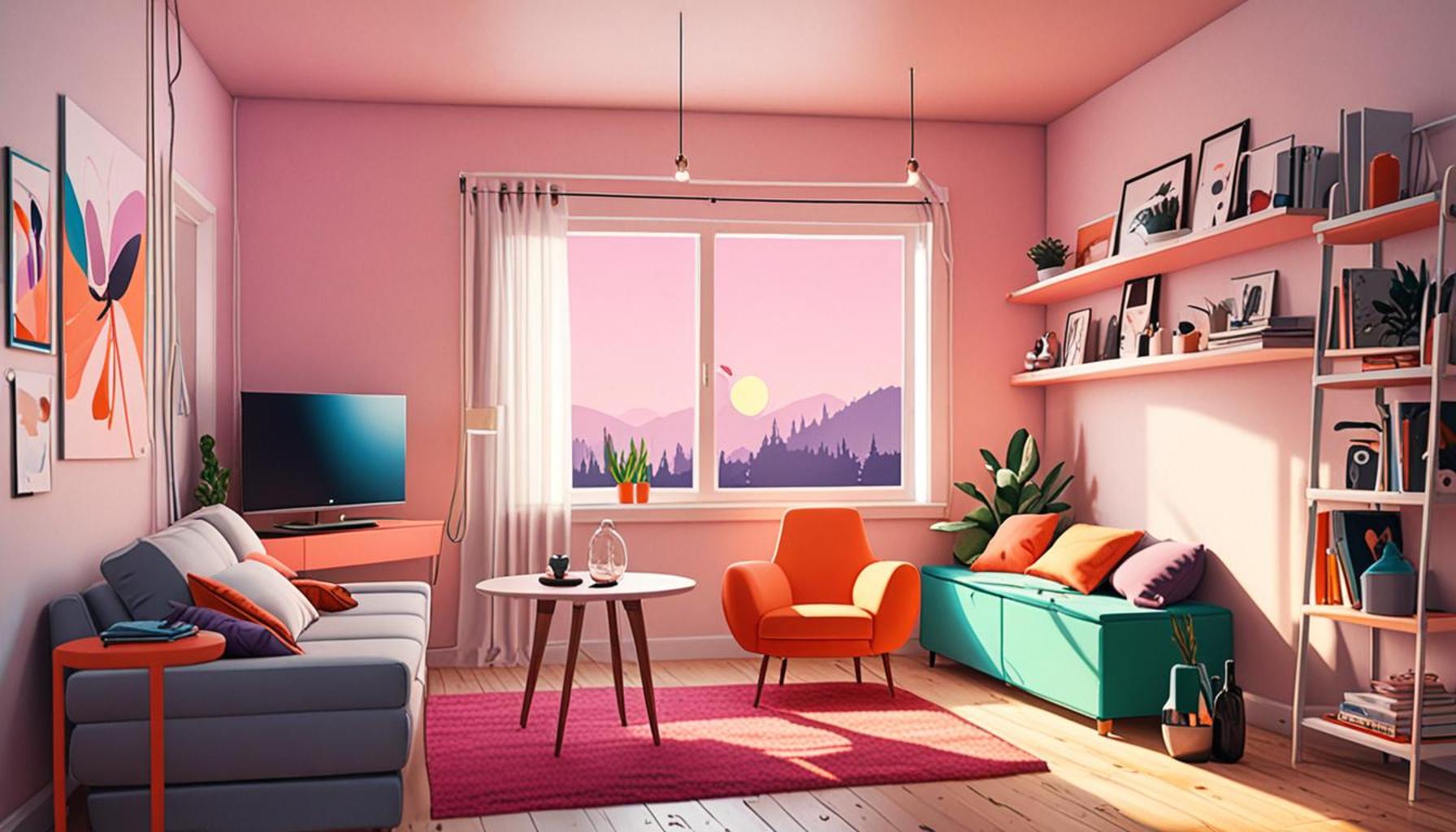
In the evolving world of interior design, the concepts of intentional design and lighting choice are increasingly recognized for their substantial influence on the functionality and aesthetics of a space. These intertwined elements not only create a visual narrative but also significantly affect how we experience and interact with our environments.
To understand the profound psychological impact of lighting, consider how different light conditions can alter our mood and productivity. For instance, studies have shown that exposure to natural light improves focus and reduces stress. A workspace designed with large windows allowing in ample sunlight can foster creativity and enhance efficiency. Conversely, harsh artificial lighting may lead to fatigue and irritability, hampering performance in both professional and home settings.
Another essential factor is the perception of space. Thoughtful lighting can enhance the perceived dimensions of a room. For example, using soft, diffused lighting in a small living area can create an illusion of openness, making the space appear larger than it is. In contrast, dark and confined spaces may feel cramped, which could discourage relaxation or social interaction.
Highlighting design choices is yet another critical aspect of effective lighting. The strategic placement of light fixtures, such as pendant lights over a dining table or spotlights illuminating artwork, can draw attention to intentional design features. This careful curation of light and shadow not only beautifies a space but also communicates the homeowner’s unique style and preferences.
Across the United States, contemporary design movements are increasingly championing minimalism, where every piece serves a purpose and tells a story. This trend prompts homeowners to thoughtfully consider how lighting enhances both functionality and aesthetic appeal. For example, many modern kitchens incorporate under-cabinet lighting that not only illuminates countertops for practical cooking but also highlights the quality of materials and craftsmanship involved in the design.
As we delve deeper into this topic, we will explore a few foundational concepts:
- The principles of intentional design: Understanding how each element contributes to a harmonious and functional space.
- Different types of lighting: Examining ambient, task, and accent lighting and their specific effects on various environments.
- Real-life examples: Showcasing innovative spaces where the integration of design and lighting has transformed ordinary settings into extraordinary experiences.
Join us as we uncover the delicate balance between design and light, understanding how these elements work together to create an atmosphere of tranquility and purpose in organized and minimalist environments. This exploration will inspire you to think critically about your own spaces and the potential they hold for enhancement through mindful design and illumination choices.
DISCOVER MORE: Click here to delve deeper
Exploring the Principles of Intentional Design
To fully grasp the relationship between intentional design and lighting choice, it is essential to comprehend the underlying principles of intentional design itself. At its core, intentional design advocates for creating spaces that serve a definite purpose and reflect the values of the inhabitants. In organized and minimalist spaces, every element—whether it be furniture, color, or texture—plays a crucial role in fostering a serene atmosphere. The emphasis on simplicity means that each item included must not only be functional but must also harmonize with the overall design narrative.
The challenge lies in ensuring that the selected elements, when combined with appropriate lighting, enhance both the functionality and aesthetic appeal of a space. For instance, a well-placed floor lamp in a cozy reading nook can create a warm and inviting atmosphere, while also serving as a striking design feature. As such, intentional design necessitates a careful curation of light sources that complement the overall theme and purpose of the room.
Types of Lighting and Their Impact on Organized and Minimalist Spaces
Lighting plays a multifunctional role within the framework of intentional design. Understanding the different types of lighting—ambient, task, and accent—is paramount when examining how they can enhance organized and minimalist spaces:
- Ambient Lighting: This is the fundamental layer of lighting that provides overall illumination. It can be achieved through ceiling fixtures, wall sconces, or natural light. An effectively designed ambient light not only brightens the space but also influences the perceived size and comfort of the room.
- Task Lighting: This type aims to illuminate specific areas for functional activities—such as reading, cooking, or working. Incorporating task lighting, like under-cabinet lamps in a minimalist kitchen, can enhance an area’s usability while emphasizing chosen design materials, ultimately creating an integrated space.
- Accent Lighting: Used to highlight particular design features—such as artwork or architectural elements—accent lighting adds depth and interest. Strategic use of accent lights can frame the space beautifully, creating a sense of drama and enhancing visual storytelling.
By understanding how each type of lighting interacts with intentional design elements, homeowners and designers can refine their approach to crafting inviting environments that serve both aesthetic and practical purposes. This thoughtful consideration becomes especially relevant in organized and minimalist spaces, where less truly becomes more.
As we explore further, we will examine real-life examples that illuminate the powerful relationship between intentional design and lighting choices, demonstrating how through these paired elements, extraordinary experiences can be created in even the most understated settings.
The Impact of Lighting on Intentional Design
When discussing intentional design in organized and minimalist spaces, it is essential to explore how lighting choices profoundly influence the overall ambiance and functionality of an area. Proper lighting not only enhances aesthetic appeal but also plays a critical role in enhancing perception of space. For instance, the use of natural light in minimalist environments can create a sense of openness and serenity, promoting mental clarity and focus.Incorporating different layers of lighting—ambient, task, and accent—into design can significantly affect how space is perceived and used. Ambient lighting provides general illumination, illuminating a room evenly, while task lighting helps in performing specific functions such as reading or cooking. Accent lighting, on the other hand, draws attention to decorative elements, contributing to a cohesive design scheme. This multipurpose approach allows for flexibility within the minimalist framework, maintaining orderliness while encouraging creativity.Furthermore, the material choices for light fixtures can elevate the theme of minimalism. Selecting fixtures made from materials such as glass or metals maintains a sleek look, while incorporating energy-efficient LED bulbs aligns with sustainable practices that modern design often embraces. Such intentional decisions enhance not just the visual appeal but also the functionality of spaces, merging form and purpose seamlessly.Ultimately, the thoughtful integration of lighting in organized minimalist settings is key to achieving a balanced environment that nurtures productivity and well-being. The interplay of lighting and design is not merely about aesthetics, but a critical factor in maximizing both comfort and usability. Readers are encouraged to explore how their own lighting choices can transform their spaces into havens of peace and efficiency.
| Advantages | Impact on Design |
|---|---|
| Enhances Perception of Space | Well-placed lighting creates an illusion of larger areas. |
| Increases Functionality | Different lighting types cater to various activities. |
DISCOVER MORE: Click here for insights on healing spaces
The Synergy of Lighting and Space Design
Understanding how lighting interacts with intentional design particularly benefits the creation of organized and minimalist environments. When exploring how these elements complement each other, one must consider not only the lighting types discussed previously but also the placement, color temperature, and lighting control options that can transform a space. Each of these factors plays a crucial role in achieving a cohesive design statement.
Impact of Placement on Space Functionality
The location of lighting fixtures is vital in shaping both the functionality and feel of a room. For example, strategically placing recessed lighting in a minimalist living area can create an unobtrusive warmth that enhances an organized layout. By allowing light to wash over surfaces without overwhelming the space with visible fixtures, the focus remains on the simplicity of the design elements, fostering a tranquil atmosphere.
In organized spaces, task lighting positioned directly above work surfaces—such as desks or countertops—ensures functionality without detracting from the harmonious design. Utilizing adjustable fixtures, like pendant lights with flexible positioning, provides versatility while maintaining the integrity of the intentional design.
Color Temperature: Setting the Mood
Another vital consideration in the relationship between lighting choice and design is color temperature. Warmer light temperatures (2700K to 3000K) enhance feelings of warmth and comfort, making them ideal for social spaces such as living rooms or dining areas. Conversely, cool light temperatures (4000K to 5000K) are more suitable for work areas, as they promote alertness and focus.
For instance, a modern minimalist kitchen can benefit from cool, bright task lighting under cabinets that illuminates the cooking space without overshadowing the clean lines of the cabinetry. In contrast, the incorporation of warmer pendant lights over a dining table can invite relaxation and encourage social interaction, proving that intentional light choices enhance the minimalist aesthetic.
Lighting Control for Personalized Experiences
Advances in lighting technology have now made it possible to control lighting intensity and color through smart systems, providing an unparalleled ability to tailor lighting to suit mood and function. Dimmer switches, for instance, allow for adjustment of overhead lighting to create the perfect ambiance for different occasions—dim lights for quiet evenings or brighter settings for gatherings—all while keeping the design minimal and sleek.
The incorporation of blackout shades also empowers inhabitants in organized spaces to regulate natural light, allowing for a dynamic shift in atmosphere as needed. For example, during the day, bright natural light can enhance the openness and clarity of a minimalist workspace, while evening settings with low, warm artificial lighting promote relaxation.
Ultimately, the artful integration of lighting elements can elevate organized and minimalist spaces beyond mere functionality. It is through intentional design—considering every facet of lighting, from placement to color temperature to control—that spaces become inviting and harmonious, reflecting the values and lifestyle of their inhabitants.
As we continue to explore the intricate relationship between intentional design and lighting choices, we will delve into real-world applications, showcasing how leading designers illuminate their visions while maintaining a commitment to simplicity and functionality.
DISCOVER MORE: Click here to delve into intentional design
Conclusion: Illuminating Intentional Design
In conclusion, the relationship between intentional design and lighting choice plays a fundamental role in the creation of organized and minimalist spaces. By understanding how factors such as placement, color temperature, and lighting control contribute to the overall atmosphere, designers can craft environments that are not only aesthetically pleasing but also functional and inviting. The careful selection and arrangement of lighting fixtures can enhance simplicity while highlighting the architectural details of a space, making it truly resonate with its inhabitants.
Moreover, the harmonization of these elements does more than just fulfill practical needs; it evokes emotions and fosters engagement. Warm lighting in social areas promotes comfort and togetherness, while cooler tones in workspaces encourage productivity and clarity. As we embrace the evolution of smart lighting technologies, we gain greater flexibility to adapt our spaces to reflect our dynamic lifestyles. This capability allows individuals to personalize their environments while maintaining the integrity of minimalist design principles.
Ultimately, as we delve deeper into the art of intentional design, one must recognize that lighting is not merely an accessory, but a pivotal component that can define the spirit of a space. By striking a balance between function and aesthetics, we can design organized and minimalist spaces that not only serve practical functions but also uplift and inspire. As you consider your own spaces, take a moment to reflect on the powerful influence of lighting in shaping your environment and enhancing your daily experiences.