
The Relationship Between Sleep and Skin Health: How Sleeping Better Can Improve Your Facial Care

Understanding the Connection
Did you know that your nightly beauty sleep plays a crucial role in the health of your skin? Numerous studies highlight the vital connection between sleep and skin health. In fact, insufficient sleep can lead to detrimental effects on your complexion, making it appear dull, tired, and aged. One study, conducted by researchers at the University of Chicago, found that participants who were sleep deprived showed a marked decrease in skin barrier function, suggesting that sleep is integral not just for beauty, but also for overall skin vitality.
The Impact of Sleep on Skin
When we sleep, our bodies undergo essential repairs. Here are a few key reasons why quality sleep is a skin essential:
- Cell Regeneration: Sleep promotes the regeneration of skin cells, helping to keep your complexion youthful. According to dermatologists, skin cells are primarily renewed during deep sleep stages, effectively replacing old or damaged cells with new ones.
- Boosting Collagen: Adequate sleep is vital for collagen production, which maintains skin elasticity. Collagen is the protein that gives skin its structure and firmness, and studies suggest that adequate rest can positively influence its production.
- Reducing Stress Hormones: Good sleep helps lower cortisol levels, minimizing stress-related skin issues. Elevated cortisol can lead to inflammation, acne, and even increased oil production, making quality sleep a powerful ally in your skincare routine.
Consequences of Sleep Deprivation
Without enough rest, your skin may suffer significantly. Common effects include:
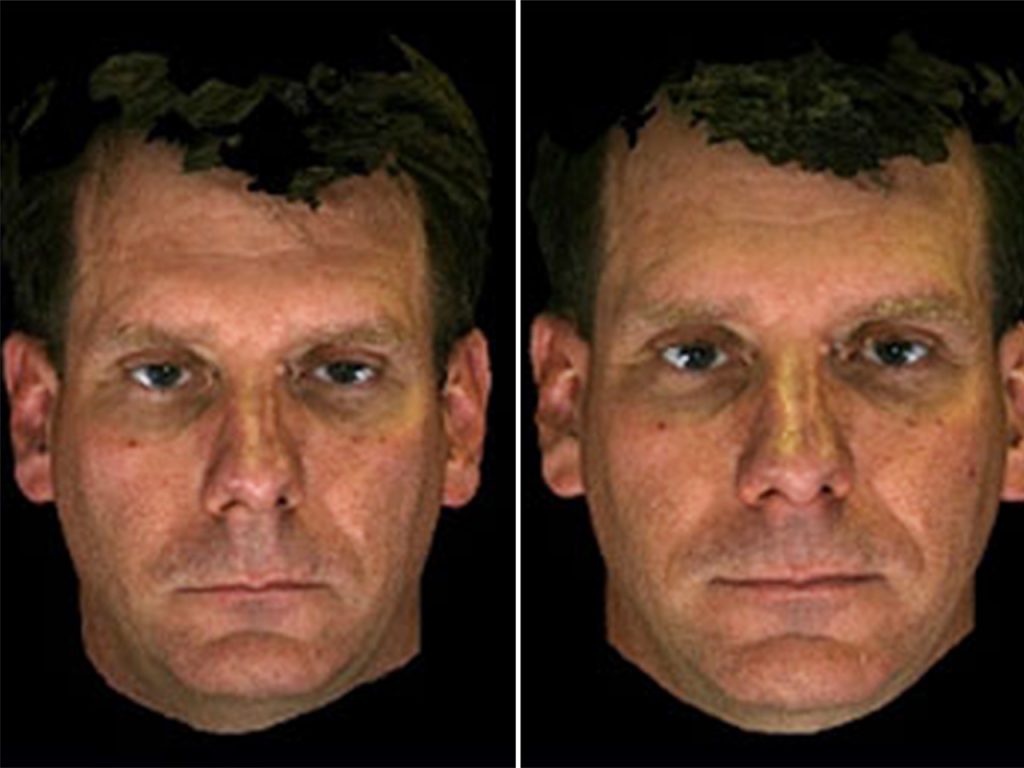
- Dark Circles: Lack of sleep can lead to under-eye bags and dark circles. This is often due to increased blood flow to the area, combined with fluid retention caused by poor quality sleep.
- Inflammation: Sleep deprivation can trigger skin conditions like acne or eczema. Studies have shown that chronic lack of sleep is associated with increased inflammation in the body, leading to flare-ups of underlying skin issues.
- Premature Aging: Chronic sleep issues contribute to fine lines and wrinkles. The cumulative effects of poor sleep can cause skin to lose its natural glow, intensifying the appearance of aging.
A Path to Glowing Skin
Improving your sleep habits can result in visible changes in your skin’s health. By prioritizing sleep, you not only enhance your overall well-being but also unlock brighter, healthier skin. Those in the United States often embrace various sleep techniques such as meditation, yoga, or even sleep hygiene practices, which can all contribute to a more restorative night’s rest. In the following sections, we will explore actionable tips to help you achieve the marriage of restful nights and radiant days.
Additionally, consider incorporating a skincare routine that aligns with your sleep schedule. Night creams enriched with retinol or hyaluronic acid can work wonders while you dream. Ultimately, understanding this connection can empower you to take control of your skin health, showcasing the beauty that stems from the simple act of getting quality sleep.

DISCOVER MORE: Click here to dive deeper
The Science Behind Sleep and Skin Health
Sleep is not just a time to recharge; it serves as a critical period for your skin to rejuvenate and mend. When the lights go out, your skin gets to work. During sleep, your body increases the production of growth hormones that stimulate cell turnover, allowing your complexion to look its best by contributing to the renewal of skin cells. Nevertheless, with increasingly busy lifestyles and the lure of technology, many Americans are compromising their nightly shut-eye, leading to a myriad of skin concerns.
Research has shown that maintaining a regular sleep cycle can significantly influence skin appearance and function. On average, adults need between seven to nine hours of quality sleep per night to reap the full benefits of this natural restoration process. But what happens when you fall short? The results can be disheartening.
Unpacking the Skin Deterioration Due to Sleep Deficiency
Sleep deficiency can take a toll on more than just your mood; it visibly impacts your skin health. Here are some common issues triggered by inadequate sleep:
- Decreased Radiance: A lack of sleep can lead your skin to appear lackluster and dull. Studies indicate that sleep-deprived individuals often show reduced skin hydration and elasticity, making the face look fatigued and older.
- Premature Aging Signs: Chronic sleep deprivation can accelerate the aging process. As collagen production falters, fine lines and sagging skin may become more pronounced. Your skin needs restorative sleep to combat oxidative stress that occurs from environmental exposure during the day.
- Increase in Acne and Breakouts: Stress hormones, like cortisol, skyrocketing due to insufficient rest can trigger the sebaceous glands, resulting in excess oil production, which in turn can lead to acne flare-ups.
- Uneven Skin Tone: Inadequate sleep can cause an imbalance in skin pigmentation, resulting in an uneven complexion and even dark spots over time.
Linking Sleep Quality to Facial Care Practices
Understanding the relationship between sleep and skin health can inform your skincare routines. When you prioritize quality sleep, you not only promote better skin regeneration but also enhance the efficacy of your skincare products. For instance, applying nutrient-rich night creams or serums before slipping into slumber can amplify the overnight healing process.
The synergy of treating yourself to quality skincare and sound sleep can lead to transformative results. For those living in vibrant urban centers, where nightlife and socializing can disrupt sleep patterns, it’s essential to establish habits that encourage restful sleep. Incorporating calming activities—such as reading, meditation, or herbal teas—before bed can signal your body that it’s time to wind down and prepare for that much-needed repair cycle.
In essence, embracing a routine that emphasizes both quality sleep and targeted facial care can pave the way for glowing, healthier skin—making it an investment worth your time and effort. Stay tuned as we delve into practical strategies to enhance your sleep practices, thereby illuminating the path to beautiful skin.
The Connection Between Sleep Quality and Skin Regeneration
In the quest for radiant and healthy skin, sleep plays a quintessential role. During sleep, the body enters a state of repair and regeneration, which is crucial for maintaining skin health. For instance, while we sleep, our skin’s moisture levels increase, leading to enhanced hydration that keeps the skin looking plump and vibrant. Moreover, the process of cell renewal is maximized during deep sleep, significantly aiding in the healing of blemishes and other skin imperfections.Research has shown that individuals experiencing poor sleep quality often face increased inflammation and a higher propensity for skin conditions such as acne and eczema. Furthermore, cortisol, the stress hormone, is regulated during restful slumber. High levels of cortisol can lead to increased oil production, exacerbating acne breakouts. Hence, ensuring quality sleep can not only pacify your mind but also bring about a noticeable improvement in your skin’s overall condition.
Impacts of Sleep Deprivation on Facial Aesthetic
Sleep deprivation manifests visibly on our faces, presenting problems like dark circles, uneven skin tone, and increased puffiness. Lack of sleep hampers the body’s ability to produce collagen and elastin, proteins essential for skin elasticity and firmness. As a result, with prolonged sleeplessness, aged skin appearance and fine lines become more pronounced. Moreover, inadequate rest can contribute to a dull complexion, as cells do not have the opportunity to properly renew and rejuvenate. This underscores the importance of adopting healthy sleep hygiene practices, which include maintaining a regular sleep schedule, creating a calming bedtime ritual, and ensuring a comfortable sleep environment. These practices can significantly contribute to both improved sleep quality and enhanced skin health, prompting an impressive transformation in one’s facial appearance as well.
| Category | Benefits |
|---|---|
| Skin Repair | Enhanced hydration and cell renewal during sleep lead to a healthier appearance. |
| Reduced Inflammation | Quality sleep reduces cortisol levels, decreasing oil production and acne outbreaks. |
By prioritizing sleep as a vital aspect of skincare, individuals can unlock an arsenal of benefits that not only enhance skin health but also improve overall well-being. As you delve deeper into understanding this critical relationship, consider how a commitment to better sleep could translate into a more radiant complexion, establishing a link between self-care practices and facial aesthetics.
DISCOVER MORE: Click here to learn about key nourishing ingredients
Enhancing Skin Health Through Sleep Hygiene
To optimize your skin health, it’s crucial to understand the principles of sleep hygiene. This term refers to the habits and practices that help ensure a good night’s sleep, ultimately supporting a vibrant complexion. By tailoring your nighttime routine, you can significantly influence the quality of your rest and, consequently, your skin’s appearance.
Create a Sleep-Inducing Environment
The environment where you sleep plays a vital role in how well you rest. Aim to create a tranquil atmosphere in your bedroom. Consider the following:
- Temperature: Keeping your room cool, ideally between 60-67°F (15-19°C), helps facilitate deep sleep.
- Light: Dimming the lights and eliminating blue light from screens an hour before bedtime can encourage a natural sleep rhythm. A dark room signals your body that it’s time to wind down.
- Noise Reduction: Consider using white noise machines or earplugs to minimize disturbances. Consistent, soothing sounds can enhance sleep quality, allowing your skin to benefit from uninterrupted rest.
Mind Your Sleep Position
Did you know that your sleep position can influence your skin’s health? Sleeping on your stomach or side can lead to increased pressure and create wrinkles over time. Dermatologists often recommend sleeping on your back, as it reduces the chances of developing sleep lines. Additionally, investing in a silk pillowcase can further minimize friction on the skin, helping to preserve moisture and limit the formation of creases.
Integrate Relaxation Techniques
Incorporating relaxation techniques into your nightly routine can ease the transition to sleep, drastically improving its quality. Practices such as deep breathing exercises, gentle yoga, or guided meditation can lower stress levels, reducing the production of cortisol which, as previously mentioned, can wreak havoc on your complexion. A study published in the journal Psychosomatic Medicine highlighted that individuals who engaged in mindfulness meditation reported improved sleep quality and a reduction in stress, which can be directly linked to better skin outcomes.
Nutritional Considerations for Better Sleep
The foods you consume also play a significant role in both sleep quality and skin health. Incorporate sleep-promoting foods into your evening meals, such as:
- Almonds: These nuts are rich in magnesium, which helps with sleep quality.
- Tart cherries: They are a natural source of melatonin, the hormone responsible for regulating sleep.
- Fatty fish: Rich in omega-3 fatty acids, these can help combat inflammation and support skin health.
Being mindful of your diet before bed not only aids in achieving deep, restorative sleep but also provides your skin with essential nutrients to thrive overnight.
Monitor Caffeine and Alcohol Intake
Lastly, your consumption of caffeine and alcohol can significantly affect your sleep patterns. Consuming caffeine later in the day can lead to sleep disruptions, preventing you from entering the restorative sleep stages your skin needs. Similarly, while alcohol may initially make you feel sleepy, it can disrupt the sleep cycle and lead to poor quality rest. Limiting consumption of these substances, particularly in the hours leading up to bedtime, can have profound benefits for both your sleep and skin health.
By implementing these strategies, you can catapult your skin health to new heights through the power of enhanced sleep quality. Remember, a well-rested body often translates to a well-rested complexion, paving the way for revitalized, radiant skin.
LEARN MORE: Click here for personalized anti-aging insights
Conclusion: Unlocking the Secrets of Radiant Skin Through Sleep
In conclusion, the intricate relationship between sleep and skin health cannot be overstated. A good night’s sleep acts as a universal elixir for our skin, facilitating essential restoration and rejuvenation processes. By adopting effective sleep hygiene practices, creating a sleep-conducive environment, and prioritizing dietary choices, you can enhance not only your quality of rest but also your skin’s overall vitality. This holistic approach leads to noticeable improvements, from reducing the appearance of fine lines to promoting an even skin tone.
Furthermore, integrating relaxation techniques and being mindful of your indulgences in caffeine and alcohol can significantly lower stress levels, rejuvenating your complexion while promoting deeper, more restorative sleep cycles. With compelling evidence pointing towards the profound impact of restful slumber on our skin’s health, it’s clear that investing in better sleep is an essential step in any facial care regimen.
So, as you pursue your skincare journey, remember: nurturing your body with quality sleep is just as important as the serums and creams you choose. Allow yourself the luxury of proper rest, and witness how your skin transforms, reflecting the beauty of a well-rested soul. With this newfound understanding, take the initiative to weave better sleep habits into your lifestyle and unlock the secret to a radiant, healthy complexion.