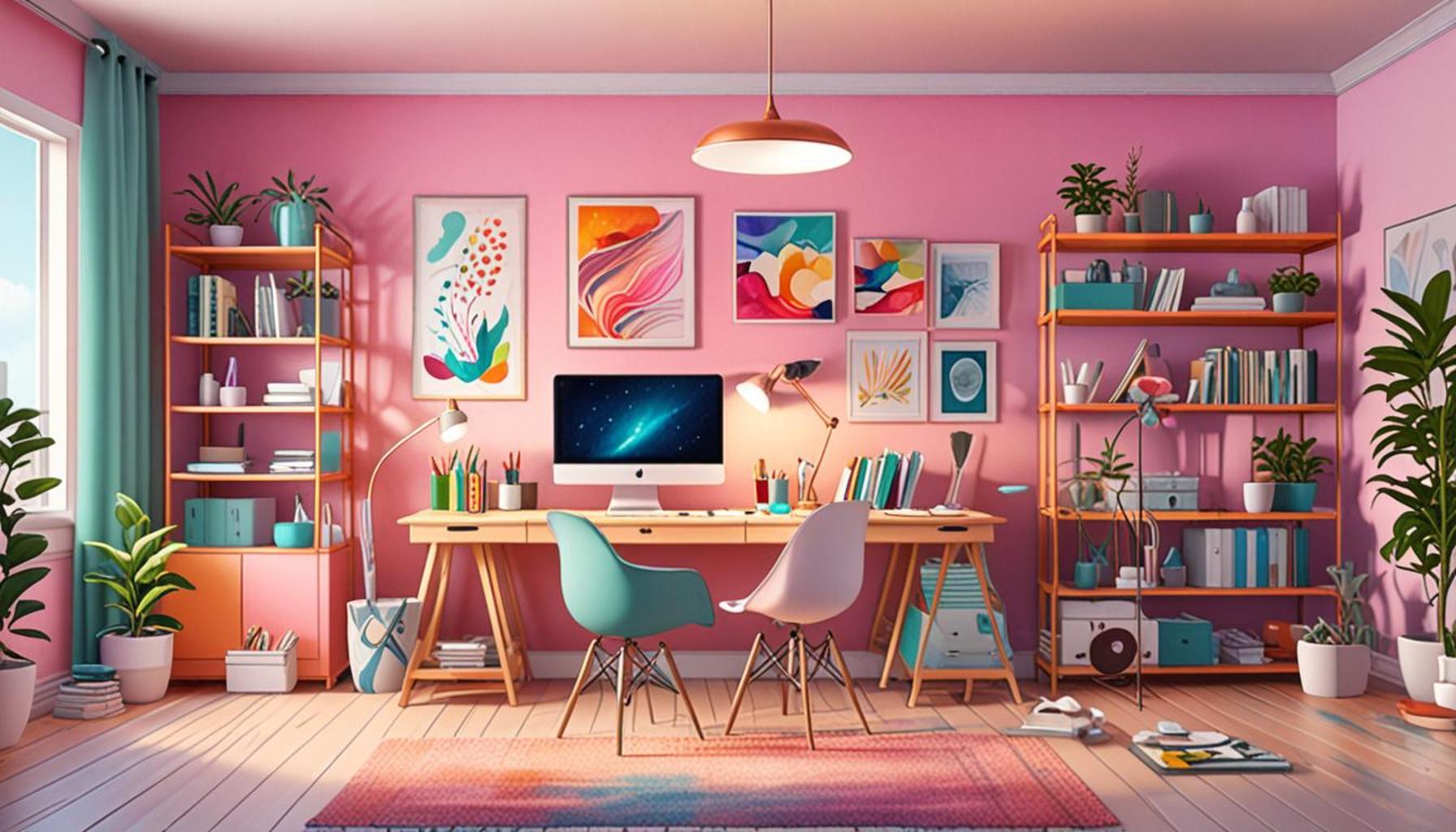
The Role of Mindfulness in Maintaining a Minimalist Lifestyle

Understanding Minimalism and Mindfulness
In recent years, the fast-paced nature of contemporary life has led many individuals to reevaluate their relationship with material possessions. The rising tide of minimalism acts as a welcoming refuge, offering a structured path toward a more intentional existence. At the heart of this journey lies mindfulness, a core practice that advocates for present-moment awareness and deliberate choices. By embracing mindfulness alongside minimalism, we unlock the potential to not only streamline our environments but also cultivate a deeper sense of peace and fulfillment in our lives.
The Role of Mindfulness in Minimalism
Mindfulness enhances our ability to reflect on several crucial aspects of our lives. It invites us to examine:
- Personal values and priorities: Understanding what truly brings us joy can guide our decisions on what to keep and what to let go.
- Emotional triggers related to attachment and consumption: Recognizing why we hold onto certain items allows for a healthier engagement with our belongings.
- The impact of material possessions on mental health: Studies show that clutter can lead to increased anxiety and distraction; therefore, simplifying our spaces may improve clarity and focus.
As we navigate a world brimming with consumerism, it is all too easy to succumb to the allure of excess. This urge to accumulate can foster an overwhelming sense of chaos and stress. By integrating mindfulness into our minimalist pursuits, we can experience:
- A clearer understanding of what matters most: This clarity empowers us to prioritize quality over quantity in all aspects of life.
- A reduction in impulsive purchases: Mindfulness cultivates critical awareness, allowing us to pause and consider the necessity of a purchase.
- A greater appreciation for simplicity: Embracing fewer possessions can elevate our gratitude for what we have, leading to a more enriched daily experience.
Transformative Effects of Mindful Minimalism
Exploring the intersection of mindfulness and minimalism opens a pathway to monumental changes in our lives. By fostering a non-judgmental awareness of our environments and choices, we initiate meaningful transformations. For instance, consider the case of a family overwhelmed by accumulated toys and clutter. By implementing mindful practices, they could involve their children in the decluttering process, encouraging discussions around the importance of valuing certain items over others. This not only teaches children about organization and responsibility but also instills lifelong lessons in self-awareness and prioritization.
As mindfulness infuses minimalism with purpose, it becomes clear that this lifestyle choice is not merely a trend. Instead, it offers a sustainable approach to living that enhances not just our clarity, but also our inner tranquility. As we unpack the layers of our lives, both physically and emotionally, we invite the possibility of a more intentional existence—one where we consciously curate our surroundings to reflect our true selves. This enriching journey encourages us to look beyond the surface and embrace a holistic way of living, resulting in profound insights that resonate deeply throughout our daily lives.
DIVE DEEPER: Click here for mindfulness strategies
Mindfulness: The Catalyst for Minimalist Living
As we delve deeper into the myriad ways mindfulness intertwines with minimalism, we begin to comprehend its vital role in shaping our mindset toward consumption and ownership. Living intentionally is more than simply reducing clutter; it requires a fundamental shift in how we perceive our possessions and their place in our lives. Mindfulness encourages us to engage with the world deliberately, allowing us to discern between necessities and superfluous items that clutter our physical and mental spaces.
Implementing Mindful Practices in Daily Life
Adopting a minimalist lifestyle while practicing mindfulness can dramatically alter our everyday experiences. Here are several approaches to integrate mindfulness into your minimalist journey:
- Mindful Shopping: Before making a purchase, pause to ask yourself a few critical questions: Do I truly need this? How will it contribute to my life? Is it aligned with my values? This practice can mitigate impulsive buying behaviors, allowing you to choose items that genuinely enhance your life.
- Regular Reflection: Take time to assess your belongings and their relevance to your life. During these moments of reflection, consider how each item serves a purpose. This process can be a meditative practice that invites gratitude for what you have and prompts the discarding of items that no longer resonate with your current self.
- Creating Minimalist Rituals: Incorporating mindfulness into daily routines can help establish a minimalist mindset. For example, setting aside time each week to declutter a specific area of your home or engaging in a mindfulness meditation that focuses on gratitude can reinforce your commitment to minimalism.
As we practice these methods, we build not just a clutter-free space but a deeper cognitive awareness of our actions and their implications on our well-being. This mindful approach encourages resourcefulness; we learn to value experiences over material goods, shifting our focus from accumulation to appreciation.
Mindfulness as a Tool for Emotional Resilience
The journey towards minimalism can evoke various emotional responses, from anxiety about letting go of cherished possessions to relief at creating a serene space. Mindfulness offers the tools to navigate these feelings constructively. Research indicates that by engaging in mindfulness practices, individuals can develop greater emotional resilience, enabling them to cope with the stress often tied to the process of decluttering and decision-making.
In a society that constantly promotes consumer culture and accumulation, mindfulness acts as an anchor, reminding us to slow down and evaluate what holds genuine meaning in our lives. It prompts us to align our material world with our inner values, fostering a harmonious balance between our physical and emotional landscapes.
As we unearth the transformational power of mindfulness in nurturing a minimalist lifestyle, it becomes evident that this union is not merely about reducing what we own, but also about enriching how we experience life. With intentional actions and reflective practices, we cultivate a space that not only feels liberating but also reflects who we are at our core.
| Mindfulness Techniques | Minimalist Benefits |
|---|---|
| Meditation Practice | Encourages clarity and focus in your environment. |
| Gratitude Journaling | Aids in recognizing the value of what you own. |
| Mindful Consumption | Promotes intentional purchases, reducing clutter. |
| Breath Awareness | Helps to manage stress and make clearer decisions. |
Exploring various mindfulness techniques can drastically enhance your journey towards a minimalist lifestyle. By engaging in practices such as meditation, you can cultivate a sense of peace and clarity. This not only helps you gain awareness of your surroundings but also allows you to make thoughtful choices about what to keep in your space. For instance, meditation practice fosters an environment free from unnecessary distractions, leading to enhanced focus and contentment with less.Additionally, techniques like gratitude journaling enable individuals to reflect on and appreciate their belongings, recognizing their significance rather than accumulating for the sake of possession. Furthermore, adopting mindful consumption means evaluating every choice, ensuring that purchases add value to both your life and your environment. This thoughtful approach reduces clutter and aligns with the minimalist ethos of simplicity. Finally, practicing breath awareness alleviates stress, empowering you to think clearly about what truly matters. Embracing these mindfulness practices within the framework of minimalism can create profound changes in how you live, fostering a simpler and more fulfilling life.
DIVE DEEPER: Click here to learn more
Mindful Awareness of Emotional Consumption
Another compelling aspect of mindfulness in the context of minimalism is its ability to enhance our awareness of emotional consumption. In modern society, many individuals are prone to filling emotional voids with material possessions rather than addressing the root of their feelings. Mindfulness encourages a deeper exploration of these emotional triggers and fosters an understanding that true fulfillment often comes from within, not from external materials.
Identifying Triggers for Clutter
Through mindful practices, one can identify the emotional reasons behind the accumulation of items. When facing the urge to purchase or hold onto something unnecessarily, take a moment to reflect: What emotions am I trying to address with this purchase? This practice not only cultivates self-awareness but also empowers individuals to confront emotions like loneliness, stress, or insecurity directly—potentially through more constructive outlets such as relationships, hobbies, or physical activity. By embracing these feelings instead of masking them with objects, we create a pathway to a more intentional and fulfilling life.
The Impact of Mindful Living on Relationships
Mindfulness also permeates interpersonal relationships, integral to a minimalist lifestyle. A focus on having fewer possessions often translates to investing more time and energy into building satisfying relationships with others. By practicing mindfulness, we become more present and attentive, allowing us to connect with others on a deeper level, fostering positive emotions and reducing feelings of isolation or disconnection. Research has shown that enhancing our social connections significantly contributes to our overall well-being, which aligns beautifully with the minimalist ethos: prioritizing experiences and relationships over material goods.
- Quality Time Over Quantity: Minimize distractions during interactions with loved ones. This simple act proves to be more nourishing than collecting items that do little to enrich our lives.
- Sharing Experiences: Rather than buying ‘things’ as a means of affection—such as extravagant gifts—sharing memories and experiences fosters connections that bring lasting joy.
As we learn to declutter our physical spaces, we often find newfound clarity in our emotional and relational realms. By actively choosing to be present during interactions and consciously valuing our emotional connections, we can shift our approach toward a more balanced, conscious life reflecting minimalism’s core principles.
Mindfulness and Sustainability
A pivotal aspect of minimalism is its overlap with sustainable living, and mindfulness plays a crucial role in promoting eco-conscious habits. Many consumers feel overwhelmed by the implications of their purchases on the environment, and mindfulness can serve as a guiding principle in making more sustainable choices. By becoming mindful of the lifecycle of products—from production and usage to disposal—we can find ourselves naturally gravitating toward items that are ethically sourced and long-lasting. Data suggests that mindful consumers are more likely to engage in sustainable practices, reducing waste and environmental impact.
This alignment between minimalism and sustainability is not merely an aesthetic choice; it is a profound lifestyle change that nurtures a sense of responsibility towards our planet. By practicing mindfulness in our consumption, we learn to appreciate the environmental implications of our choices and shift towards a lifestyle that honors not only our well-being but the well-being of the earth itself.
Exploring the role of mindfulness within the minimalist lifestyle unveils a rich tapestry of emotional awareness, relational depth, and ecological responsibility. Each moment of awareness offers an opportunity to recalibrate our focus, ensuring that we live efficiently and intentionally, with both our inner selves and the external world in harmony.
DISCOVER MORE: Click here to learn how to create healing spaces</p
Conclusion
In conclusion, the intersection of mindfulness and minimalism illustrates a profound opportunity for personal transformation and sustainable living. Through mindful awareness, individuals can cultivate a deeper understanding of their emotional consumption and address the underlying triggers that lead to clutter. This approach fosters a more intentional life, allowing us to prioritize experiences and relationships over the accumulation of material possessions.
Moreover, mindfulness promotes robust interpersonal connections, which serve as a foundation for overall well-being. By investing time in genuine interactions, we not only enhance our emotional health but also align with minimalism’s core values. Ultimately, a minimalist lifestyle enriched by mindfulness invites a refreshing perspective—one that values quality over quantity, and encourages a connection to both our inner selves and the world around us.
Additionally, as consumers, practicing mindfulness nurtures eco-conscious habits and encourages responsible choices that align with sustainable living. By reflecting on the lifecycle of our purchases, we become advocates for the environment, reinforcing a lifestyle that seeks to minimize waste while maximizing well-being.
Overall, embracing mindfulness within the framework of minimalism paves the way for a balanced, fulfilling existence. It is a reminder that true richness lies not in our possessions but in our ability to live thoughtfully, connect deeply, and respect our planet. With each mindful decision, we contribute to a life that is not only simpler but also more meaningful.