The Role of Probiotics in Nourishing Beauty Products
The Rise of Probiotics in Beauty Products
In recent years, the beauty industry has seen a noticeable shift towards inclusivity and holistic health, with natural ingredients taking center stage. Among these, probiotics stand out as a revolutionary component, fundamentally changing how we perceive skincare and beauty products. Historically celebrated for their health benefits in dietary supplements and gut wellness, these tiny organisms are now making waves in the realm of beauty.
Probiotics are chiefly recognized for their ability to:
- Enhance skin barrier function: By incorporating probiotics, skincare formulations can strengthen the skin’s natural defenses, helping to lock in moisture and protect against environmental aggressors.
- Balance skin microbiome: Just as our gut requires a healthy balance of bacteria, our skin thrives on a diverse microbiome. Probiotics support the balance between beneficial and harmful bacteria on the skin’s surface.
- Reduce inflammation and redness: Probiotic-infused products have been shown to calm irritated skin, which is particularly advantageous for those with conditions like acne or rosacea.
Amid rising consumer awareness and the desire for transparency in ingredient lists, the introduction of probiotics in beauty products signals a progressive trend towards natural and health-conscious skincare options. Various studies emphasize the potential of these live cultures to not only battle signs of aging but also to promote a radiant complexion, making them desirable for beauty enthusiasts.
The Expanding Range of Probiotic Products
The effectiveness of probiotics isn’t restricted to just skin creams. This innovative ingredient is finding its way into:
- Cleansers: Formulations with probiotics help remove impurities while maintaining the skin’s natural microbiome, ensuring that cleansed skin doesn’t feel stripped or irritated.
- Moisturizers: Products infused with probiotics promote hydration while also supporting the skin’s overall health and functionality, making them essential in a daily skincare regimen.
- Haircare products: Probiotics are increasingly included in shampoos and conditioners, where they can help to balance the scalp and promote healthier hair growth.
As beauty enthusiasts delve deeper, the science behind probiotics continues to unravel, prompting a greater interest in how these microscopic allies can enhance our skincare journeys. From natural beauty bloggers to high-end skincare lines, a plethora of products tout the benefits of probiotics, encouraging consumers to explore options that align with their personal interests in wellness and sustainability.
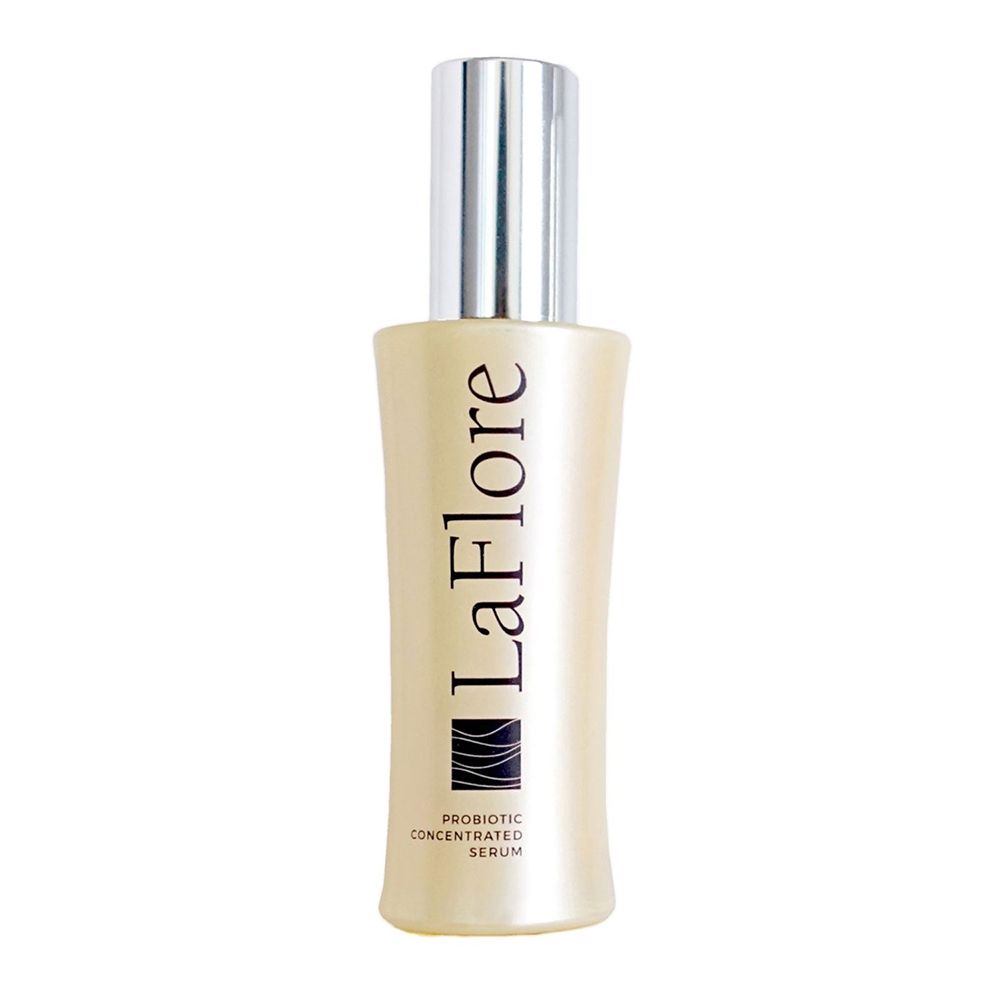
So, how exactly do these beneficial bacteria impact our beauty routines? The answer lies in their remarkable ability to promote overall skin health, leading to a new paradigm in beauty standards. As this fascinating trend continues to develop, consumers are invited to investigate the myriad ways probiotics can enrich their skincare rituals. Exploring this innovative overlap between microbiology and beauty is not merely intriguing; it’s a testament to the evolving landscape of self-care in the modern age.
DISCOVER MORE: Click here to learn about sun protection
Understanding Probiotics and Their Impact on Skin Health
As the beauty industry embraces a more scientific approach to skincare, understanding how probiotics function is essential for consumers seeking effective and safe beauty products. Probiotics, which are live microorganisms, are primarily known for their contributions to gut health; however, their potential benefits for the skin are rapidly gaining recognition. Research indicates that a robust skin microbiome is crucial for maintaining overall skin health, and probiotics play a significant role in ensuring this balance.
When applied topically, probiotics can impart a myriad of benefits to the skin, including:
- Support in repairing the skin barrier: Probiotics have been shown to strengthen the skin’s barrier function, which is vital for retaining moisture and shielding skin from pollutants. By enhancing the barrier, these products can help reduce the appearance of fine lines and enhance skin texture.
- Enhancement of skin hydration: Many probiotic formulations contain antioxidants that not only protect the skin from damage but also help to improve hydration. This leads to a more plump and luminous complexion, making hydration a focus in many beauty routines.
- Regulating sebum production: For individuals with oily or acne-prone skin, probiotics can assist in balancing oil production. This regulation can reduce breakouts and help maintain clearer skin over time.
The integration of probiotics into beauty products aligns with the increasing consumer demand for transparency and efficacy in cosmetics. As people become more aware of the ingredients in their skincare lines, products that highlight the inclusion of probiotics are standing out in a crowded marketplace. Notably, brands are beginning to innovate by utilizing specific strains of probiotics, which can vary greatly in terms of how they benefit the skin. For instance, Lactobacillus plantarum and Bifidobacterium bifidum are often touted for their skin-soothing properties, while others might focus on brightening or anti-aging benefits.
The microbiome’s delicate balance is often disrupted by harsh environmental factors and aggressive skincare products. As consumers turn towards gentler, more natural options, the adoption of probiotics in beauty lines suggests a promising shift that prioritizes skin wellness. Furthermore, studies have indicated that consistent usage of probiotic-enriched beauty products can lead to noticeable improvements over time, emphasizing the long-term benefits of these formulations.
With emerging evidence supporting the efficacy of probiotics in catering to diverse skin concerns, the beauty industry is at the brink of a probiotic revolution. As consumers seek personalized skincare that aligns with their wellness values, products utilizing these beneficial microorganisms will likely continue to gain traction. The exploration of probiotics offers a fascinating intersection of cosmetic science and holistic health, encouraging an informed approach to beauty that honors both inner and outer care.
| Category | Details |
|---|---|
| Skin Microbiome Balance | Probiotics help maintain a healthy skin microbiome, which improves skin barrier function. |
| Anti-inflammatory Properties | These beneficial strains can reduce redness and irritation, creating a more even skin tone. |
| Hydration & Moisture | Probiotics contribute to skin hydration, enhancing the natural moisture retaining ability of the skin. |
| Improvement of Acne | Research suggests that probiotics in beauty products may reduce acne-causing bacteria. |
The integration of probiotics into beauty products marks a significant advancement, unveiling a new realm of benefits for skin health. Not only do they support the skin’s natural defenses, but they also play a crucial role in restoring the balance within the microbiome. This balance is essential for minimizing conditions such as sensitivity and inflammation. Emerging studies further reveal that probiotics can enhance moisture retention, a vital element for healthy skin, enabling it to look plumper and more radiant.Moreover, they show promise in combating acne, helping to control blemishes by inhibiting the growth of harmful bacteria that contribute to breakouts. As consumers increasingly seek natural solutions, the incorporation of probiotics into cosmetics aligns with a growing desire for products that harness the power of natural ingredients for achieving lush and nourished skin.
DISCOVER MORE: Click here for insights on sustainable facial care
Innovative Applications of Probiotics in Skincare
As the allure of probiotics continues to captivate the skincare market, brands are discovering innovative ways to incorporate these powerful microorganisms into their formulations. Beyond basic moisturizers and cleansers, probiotics are finding their way into an array of beauty products, from serums to face masks and even makeup. This diversification reflects the versatility of probiotics and their ability to address multifaceted skincare concerns.
One of the standout applications of probiotics in nourishing beauty products is in anti-aging formulations. For example, some brands are leveraging the properties of certain probiotic strains to combat visible signs of aging. Research suggests that probiotics can enhance skin elasticity, reduce the appearance of wrinkles, and improve overall skin tone. By integrating probiotics into serums that target these issues, skincare lines are empowering individuals in their quest for youthful skin, effectively marrying science with beauty in a way that resonates with today’s health-conscious consumers.
Furthermore, the use of probiotics extends to the realm of cosmetic formulations as well. Face primers and foundations infused with probiotics not only provide coverage but also contribute to skin health. These products can help balance the skin’s microbiome while delivering long-lasting hydration and protection throughout the day. The dual-functionality of makeup that cares for the skin while enhancing appearance is particularly appealing to consumers seeking multifunctional beauty solutions.
Another exciting trend in the integration of probiotics in beauty products is the notion of probiotic-infused face masks. These masks have gained popularity for their instant and visible effects. Utilizing specific strains such as Lactobacillus rhamnosus or Lactobacillus casei, these treatments can soothe inflammation, promote skin renewal, and deliver a concentrated dose of hydration. Many users report a refreshed, radiant complexion immediately after application, making these masks highly sought after for special occasions.
In addition to topical applications, the notion of internal beauty is becoming increasingly relevant, leading to the rise of ingestible probiotics. Beauty supplements containing probiotics are marketed for their ability to enhance skin condition from the inside out. These products aim to support overall health, thereby indirectly benefiting the skin, and align with the holistic wellness trends that many consumers are gravitating towards. They connect the gut-skin axis, reinforcing the idea that what we consume can profoundly influence our skin health.
As brands experiment with different formulations, it’s crucial for consumers to stay informed about what makes each strain of probiotic unique. Factors such as survival rate through formulations and stability are key in ensuring efficacy. Additionally, understanding the interactions between probiotics and other skincare ingredients can optimize results. This awareness empowers consumers to select products that genuinely cater to their skin type and concerns.
The exploration of probiotics in beauty continues to evolve, with ongoing research uncovering new benefits and opportunities for advancement. As science and nature converge within the skincare industry, consumers are encouraged to explore these innovative solutions that prioritize not only beauty but also the health and vitality of the skin. In a world where authenticity and transparency are paramount, probiotics are establishing themselves as essential ingredients in a new era of beauty, captivating those in pursuit of vitality and glow.
DIVE DEEPER: Click here to learn more
Conclusion: Embracing the Future of Beauty with Probiotics
The role of probiotics in nourishing beauty products marks a significant shift in how consumers perceive skincare and makeup. As we have seen throughout our exploration, probiotics are not merely trends but are transforming the landscape of beauty by offering innovative solutions that prioritize both health and aesthetics. Their ability to balance the skin’s microbiome and target various skin concerns, from aging to hydration, is revolutionizing traditional beauty paradigms.
With the rise of probiotic-infused formulations ranging from serums to makeup, consumers are presented with options that cater to their desire for multifunctional products. This holistic approach aligns with the growing awareness of wellness, where internal health significantly influences external beauty. By connecting the gut-skin axis, probiotics endorse the idea that what we consume can profoundly impact our skin’s vitality.
As the industry continues to innovate, it is crucial for consumers to stay informed about the unique qualities of different probiotic strains, including their stability and efficacy in various formulations. This knowledge empowers them to make educated choices tailored to their individual skin needs. The ongoing research into probiotics is set to reveal even more exciting benefits, prompting us to reconsider the ingredients we rely on in our beauty routines.
In summary, probiotics are paving the way for a new era of beauty—one where the lines between health and appearance blur, fostering an authentic and empowering approach to self-care. As this trend evolves, we encourage readers to dive deeper into the world of probiotics in beauty and discover the transformative potential these microorganisms hold for achieving radiant and healthy skin.