The Role of Skin Microbiota in Skin Health and Natural Beauty
Defining the Components of Skin Microbiota
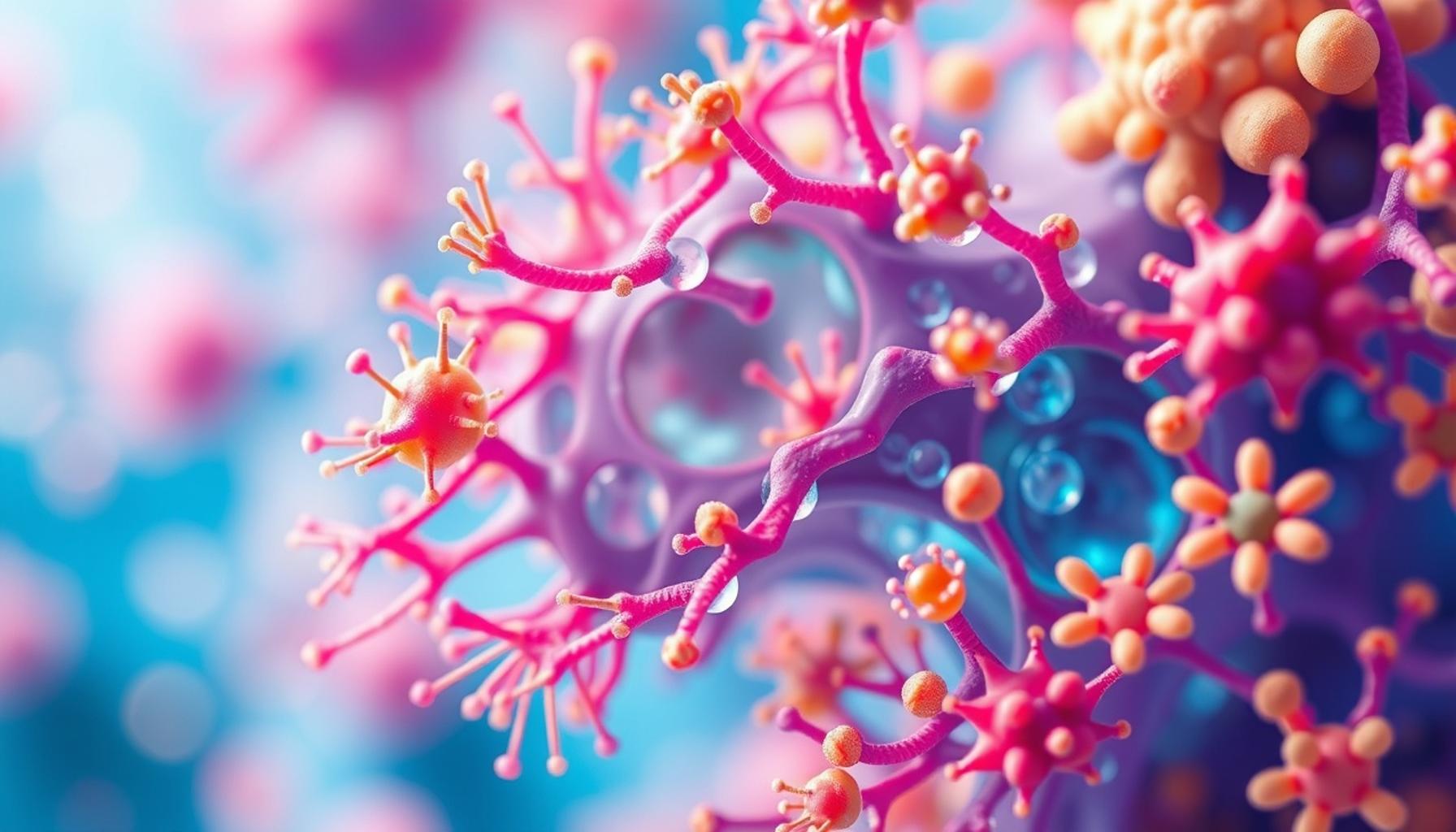
Our skin is not merely a protective barrier; it is an elaborate ecosystem inhabited by a multitude of microorganisms, known as skin microbiota. This intricate community consists of a variety of life forms, including:
- Bacteria: These are the most abundant microorganisms on the skin, with species such as Staphylococcus epidermidis playing a pivotal role in defending against pathogens.
- Fungi: Yeasts like Malassezia are present on human skin, contributing to lipid metabolism and even influencing immune responses.
- Viruses: These include bacteriophages, which can help regulate bacterial populations, maintaining a balance that is crucial for skin health.
- Other microorganisms: This includes archaea and mites, which also inhabit our skin and perform various essential functions.
The Functions of Skin Microbiota
These microorganisms work synergistically with our skin, performing several vital functions. For instance, they act as a barrier protection system, creating a shield against harmful pathogens, which is essential in preventing infections. Their presence can inhibit the growth of pathogenic microbes by competing for resources and producing antimicrobial substances.
Moreover, skin microbiota are crucial for skin nourishment. They help maintain moisture levels through the production of lipids and compounds that bind water, ensuring the skin remains hydrated. This is particularly important in climates that can cause dry skin, such as the dry winters in parts of the United States.
Furthermore, they play a significant role in inflammation control. By modulating our immune responses, skin microbiota help to reduce the risk and severity of conditions like eczema and psoriasis. This balance can be disrupted by factors such as diet, environment, or overuse of antibiotics, leading to skin issues.
The Impact of Skin Microbiota on Beauty
Recent research highlights the profound influence of skin microbiota on our overall complexion. A balanced and diverse microbiota can result in enhanced skin healing, helping wounds to close faster and reducing scarring. Additionally, individuals with healthier microbiomes often experience reduced acne and eczema outbreaks. This is particularly pertinent for those living in urban areas in the U.S., where pollution can exacerbate skin conditions.
Moreover, a thriving skin microbiome increases skin’s resilience against environmental stressors such as UV radiation and pollution. By understanding how to nurture this microbial community, we can further unlock the secrets to achieving long-lasting natural beauty.
Next Steps in Understanding Your Skin Microbiome
As we explore the fascinating interplay between skin microbiota, skin health, and beauty, it becomes increasingly clear that nurturing this invisible ecosystem is essential. Strategies such as using probiotic skincare products, adopting a balanced diet rich in prebiotics, and avoiding over-washing can help maintain the health of your skin microbiome.
Stay tuned as we delve deeper into practical beauty tips and the latest scientific discoveries that can help you harness the power of your skin’s microbiome for optimal skin vitality and appearance.
DISCOVER MORE: Click here to explore the transformative power of face masks
Understanding Skin Microbiota: The Unsung Heroes of Skin Health
In the vast ecosystem of our bodies, the skin microbiota represent one of the most fascinating components. These microscopic organisms, including bacteria, fungi, and viruses, play crucial roles in maintaining the skin’s health and appearance. At the forefront, these tiny life forms serve as a natural barrier, providing protection against a multitude of potential intruders like harmful bacteria, allergens, and environmental pollutants. This defense mechanism is especially vital in preventing infections that can escalate into serious skin issues, such as cellulitis or dermatitis.
Furthermore, skin microbiota are instrumental in hydrating the skin. They produce essential lipids and moisture-binding compounds that help retain water, contributing to a smooth and supple texture. For instance, during winter months when conditions can lead to dryness, a well-functioning skin microbiome can significantly alleviate the discomfort associated with parched skin. Research indicates that individuals with disrupted microbiomes, such as those residing in areas with harsh climates, often experience heightened dryness and irritation. The presence of a healthy microbiome enriches the skin’s moisture balance, ensuring that it remains hydrated regardless of external conditions.
Another vital function of skin microbiota is their ability to regulate inflammation. They play a pivotal role in modulating immune responses, which can help prevent and alleviate inflammatory conditions like eczema, acne, and psoriasis. Stressors such as poor diet, pollution, and the overuse of antibiotics can disrupt this delicate balance, leading to flare-ups characterized by redness, irritation, and discomfort. For instance, research has shown that people living in urban environments, such as Los Angeles or New York City, are particularly vulnerable to pollution that can disturb their skin’s microbiome, contributing to accelerated aging and various skin ailments.
Key Functions of Skin Microbiota
Examining the relationship between skin microbiota and skin health unveils several key functions:
- Barrier Protection: Skin microbiota compete with harmful pathogens for resources, effectively limiting their ability to thrive, while also producing antimicrobial compounds that further bolster skin defenses.
- Moisture Regulation: By producing lipids and engaging in moisture retention mechanisms, these microorganisms contribute significantly to the skin’s hydration levels and overall texture.
- Inflammation Control: Microbiota modulate immune responses, which can mitigate skin irritation and reduce the risk of conditions associated with inflammation.
Thorough research into the microbiome has revealed that an unbalanced ecosystem can lead to an array of skin concerns, further emphasizing its importance. The insights gained from ongoing studies highlight a growing understanding: maintaining a thriving skin microbiome is imperative for achieving radiant skin. This interconnectedness not only impacts skin health but can also influence one’s overall aesthetic. Beautiful skin often emanates from a diverse and balanced microbial community thriving in our skin.
As we continue to uncover the mysteries of skin microbiota, it becomes increasingly evident that nurturing this microscopic community is a worthwhile endeavor. Simple actions like choosing probiotic-rich skincare products or avoiding harsh detergents can significantly support the microbiome. In the subsequent sections, we will delve deeper into the ways in which this microbial community shapes our beauty routines and explore strategies to effectively maintain a healthy microbiome.
| Advantage | Description |
|---|---|
| Diverse Microbiota | A balanced skin microbiome contributes to enhanced skin health by preventing harmful bacteria from thriving. |
| Natural Barrier Function | Microbiota plays a crucial role in maintaining the skin’s natural barrier, shielding against environmental aggressors. |
| Inflammatory Response Regulation | Healthy microbiota can help mitigate inflammation, reducing conditions like acne and eczema. |
| Skin Hydration | A thriving microbiome aids in moisturizing the skin, leading to a supple and youthful appearance. |
Research into the skin microbiota continues to reveal its profound impact on our skin’s appearance and health. The diversity of microbes on our skin interacts in a delicate balance, promoting natural beauty by fostering protective mechanisms and enhancing skin resilience. Each microbial community influences conditions such as dryness, irritation, and overall skin tone, creating pathways for future skincare innovations that harness these natural benefits for healthier skin. Understanding this biological ecosystem can revolutionize our approach to skincare, revealing how nurturing our skin microbiome is key to achieving not only beauty but also lasting health.
DISCOVER MORE: Click here to enhance your skincare routine
The Influence of Skin Microbiota on Skin Conditions
Aside from their pivotal role in enhancing skin health, skin microbiota are also intricately linked to various skin conditions. An imbalance, often referred to as dysbiosis, can promote the emergence of numerous dermatological issues. For instance, acne, a common affliction, has been increasingly associated with an imbalance in the skin microbiome. Research has revealed that an overabundance of certain bacterial strains, such as *Cutibacterium acnes*, can trigger inflammation and worsen breakouts.
Moreover, studies suggest that dysbiosis is a contributing factor in chronic skin ailments such as eczema and rosacea. A disrupted microbiome may impair the skin’s protective barrier, making it more susceptible to irritants and leading to persistent inflammation. For example, individuals with eczema often exhibit reduced diversity in their skin bacteria, which may leave them vulnerable to secondary infections, dryness, and increased sensitivity. Understanding these connections underscores the importance of nurturing a balanced skin microbiome as a preventive measure against such skin conditions.
Environmental Factors Affecting Skin Microbiota
The environment plays a significant role in shaping our skin microbiota, with various factors acting as influencers. Pollution, climate, and lifestyle choices can dramatically impact the diverse community of microorganisms residing on our skin. For instance, urban dwellers often contend with increased exposure to pollutants, which can disrupt their microbiome composition. Chemicals and particulate matter settle on the skin’s surface, potentially leading to microbial imbalances that exacerbate skin issues.
Additionally, the use of harsh skincare products and antibiotics can have an equally detrimental effect. Frequent application of antibacterial soaps or cleansing agents designed to strip away oil can inadvertently kill off beneficial bacteria, paving the way for pathogen overgrowth. A study conducted by the American Academy of Dermatology highlighted how over-cleansing not only impacts skin health but can also diminish natural beauty by disturbing the delicate balance of the skin microbiome.
Nurturing a Healthy Microbiome for Natural Beauty
The quest for natural beauty can be enhanced by taking substantial steps to support a healthy skin microbiota. A burgeoning market for probiotic skincare is emerging, as consumers increasingly recognize the value of pro-bacteria formulations that can rejuvenate the skin’s ecosystem. Products enriched with live bacteria, prebiotics, and postbiotics aim to promote microbial diversity and strengthen the skin barrier.
Moreover, lifestyle choices contribute significantly to maintaining a healthy microbiome. A diet rich in antioxidants, vitamins, and omega fatty acids can help nourish the skin from the inside out. Foods such as nuts, seeds, and fatty fish provide essential nutrients that bolster skin health while also positively influencing the skin microbiome. Additionally, adopting practices such as reducing stress through mindfulness and incorporating regular moderate exercise can enhance skin vitality and microbiome balance.
As we deepen our understanding of the skin microbiota’s role in skin health and natural beauty, it becomes increasingly clear that fostering a thriving microbial community can lead to improved skin resilience, texture, and overall appearance. The path to effective skincare is evolving as new insights about the skin microbiome reshape our beauty regimens, encouraging us to think differently about how we approach skin health.
DIVE DEEPER: Click here to discover more
Conclusion
In the intricate dance of skin health and natural beauty, the role of skin microbiota emerges as a critical player. The balance of microorganisms on our skin is not merely an afterthought; it fundamentally affects our skin’s physiological functions and aesthetics. From influencing conditions like acne, eczema, and rosacea to contributing to the skin’s natural barrier function, a healthy microbiome is essential for maintaining our skin’s overall well-being.
As we unravel the complexities of our skin microbiome, it becomes apparent that both internal and external factors shape this microbial landscape. Environmental pollutants, harsh skincare routines, and lifestyle choices can disturb the delicate equilibrium that supports healthy skin. Therefore, integrating probiotic skincare products, along with balanced diets rich in nutrients, offers a promising avenue for enhancing skin health. By prioritizing microbial diversity and nurturing our skin’s ecosystem, we can fortify resilience against ailments while enhancing our natural beauty.
Looking ahead, ongoing research will continue to deepen our understanding of the interactions between skin microbiota and overall skin health. As consumers increasingly seek transparency and efficacy in their skincare products, the importance of a well-balanced microbiome will likely drive innovation in the industry. Ultimately, embracing this knowledge not only empowers us to improve our skincare routines but also encourages a holistic approach to personal wellness. The journey to luminous skin may well begin with a simple yet profound acknowledgment of the diverse microbial community thriving beneath the surface.