
The Role of Sunscreens in Facial Care Routine: Myths and Realities

The Importance of Daily Sunscreen Use
Every day, your skin faces a barrage of environmental stressors, but few are as damaging as UV radiation from the sun. The common perception is that using sunscreen is solely for sunny days at the beach. In reality, incorporating sunscreen into your daily facial care routine is essential for maintaining healthy skin year-round. Ultraviolet rays can penetrate cloud cover and even glass, which means that indoor exposure is also a risk factor for skin damage.
Despite its importance, misconceptions about sunscreen abound. Here are some common myths:
- Myth 1: Sunscreen is only needed in summer.
- Myth 2: Darker skin tones don’t need sunscreen.
- Myth 3: High SPF guarantees complete protection.
Understanding the realities behind these myths can significantly impact your skin health. For example, continuous exposure to UV rays can lead to premature aging, skin discoloration, and increase the risk of skin cancer. In fact, the American Academy of Dermatology emphasizes that up to 90% of skin aging is caused by UV exposure, making sunscreen not just a summer necessity but a year-round commitment.
Debunking Common Myths
Many individuals believe sunscreen is only necessary on bright, sunny days or during summer vacations. However, UV radiation is present even on overcast days; in fact, up to 80% of UV rays can penetrate clouds. This means that incorporating sunscreen into your daily regimen, regardless of the season, is crucial for effective skin protection.
Another widespread misconception is that individuals with darker skin tones do not require sunscreen. This is misleading. While melanin does offer some natural protection against sun damage, it is not sufficient to prevent skin cancers or photoaging. Research has shown that people of all skin tones can develop skin cancer; therefore, it is vital for everyone to apply sunscreen regularly.

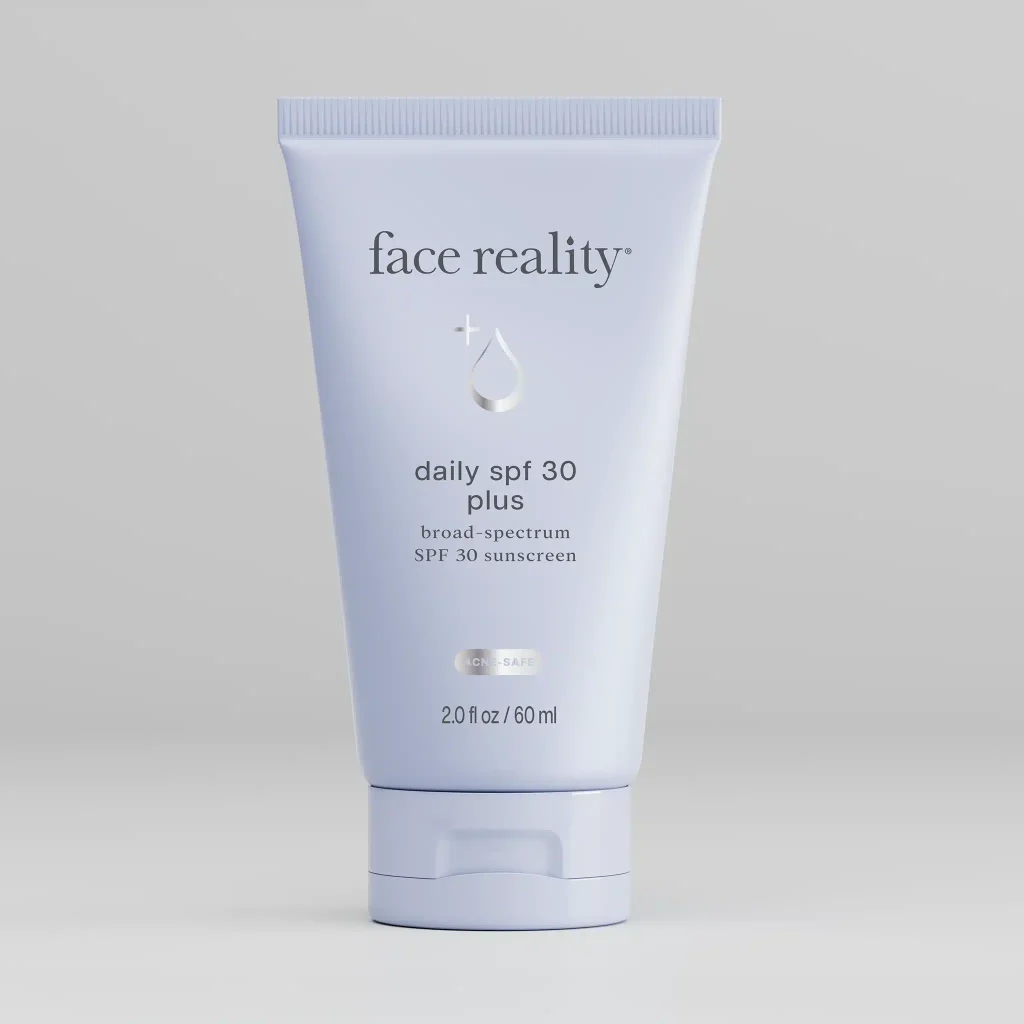
Moreover, many people mistakenly believe that a higher SPF level guarantees complete protection. While high SPF does provide more protection than lower SPF, no sunscreen can block 100% of UV rays. An SPF of 30 blocks approximately 97% of UVB rays, while SPF 50 blocks about 98%. Proper application is crucial to achieving optimal results.
Benefits of Sunscreen Beyond UV Protection
The benefits of integrating sunscreen into your routine extend beyond mere sun protection. Regular use can:
- Prevent skin cancer: Studies indicate that using sunscreen daily can significantly reduce the risk of developing squamous cell carcinoma (SCC) and melanoma.
- Delay signs of aging: Consistent application of sunscreen can help maintain collagen levels in the skin, slowing down the formation of fine lines and wrinkles.
- Improve overall skin tone: Sunscreen protects against hyperpigmentation and uneven skin tone by preventing sunspots and discoloration.
As we dive deeper into this topic, you’ll uncover the truths that will empower you to enhance your skincare regimen effectively. By integrating sunscreen into your daily routine and debunking common myths, you can ensure your skin remains vibrant and youthful not just for today, but for many years to come.
LEARN MORE: Click here for essential tips on sun protection
Understanding SPF and Its Importance
When it comes to choosing a sunscreen, the term SPF (Sun Protection Factor) becomes a focal point. SPF indicates the level of protection a sunscreen offers against UVB rays, which are the primary cause of sunburn and contribute to skin cancer. It is essential to understand what these numbers mean to make informed decisions regarding your skin’s health.
For instance, a sunscreen with SPF 30 filters approximately 97% of UVB rays, whereas SPF 50 blocks about 98%. While these percentages may seem marginally different, it’s vital to recognize that no sunscreen can provide absolute protection. This misinterpretation fuels the myth that higher SPF levels equate to complete safety from the sun’s harmful effects.
Moreover, it’s important to note that proper application is crucial in achieving the stated SPF benefits. The American Academy of Dermatology recommends applying a generous amount—about one ounce (the size of a shot glass)—to all exposed skin. Additionally, reapplying sunscreen every two hours, or immediately after swimming or sweating, ensures ongoing protection. Neglecting either aspect can lead to inadequate shielding, regardless of the SPF.
Physical vs. Chemical Sunscreens
Another critical consideration when selecting sunscreen is understanding the difference between physical and chemical sunscreens. Physical (or mineral) sunscreens, containing active ingredients like zinc oxide or titanium dioxide, function by physically blocking UV rays. On the other hand, chemical sunscreens absorb UV radiation before it penetrates the skin and often contain ingredients such as avobenzone or octisalate.
Each type comes with its own set of pros and cons. Physical sunscreens tend to be less irritating for sensitive skin, while chemical varieties may offer more lightweight formulas that are aesthetically pleasing. However, recent concerns about the environmental impact of certain chemical sunscreens, particularly those harmful to coral reefs, are prompting many individuals to consider their choices more carefully.
Your Year-Round Sunscreen Strategy
Creating a definitive sunscreen strategy means acknowledging the need for rigorous protection in your routine. Here are some effective strategies to ensure your skin remains shielded:
- Daily Application: Regardless of the season or weather, apply sunscreen every morning as a non-negotiable step in your facial care routine.
- Layering Products: If you use makeup, look for foundations or moisturizers that contain SPF. However, remember that these cannot replace a standalone sunscreen.
- Check Expiration Dates: Sunscreen efficacy declines over time. Make sure to check expiration dates and replace old products to maintain optimal protection.
As the conversation about sunscreen continues to evolve, staying informed about these essential elements can empower you to make the best choices for your skincare. By debunking common myths and understanding the mechanics behind SPF, you can significantly enhance your skin’s health and longevity. Take the next step to explore how sunscreen fits seamlessly into a holistic facial care routine. Your skin’s future self will thank you for it.
The Science Behind Sunscreens: Understanding Ingredients
When discussing sunscreens, it’s essential to delve into the actual ingredients that compose them. Sunscreens typically fall into two categories: physical (or mineral) and chemical. Physical sunscreens contain active mineral ingredients, such as zinc oxide and titanium dioxide, that create a barrier on the skin and reflect UV rays. These physical blockers are often recommended for sensitive skin since they are less likely to cause irritation. On the other hand, chemical sunscreens absorb UV radiation using organic compounds like oxybenzone and avobenzone. While effective, some of these ingredients have been scrutinized for their potential hormonal effects and environmental impact, as some can harm marine life when washed off in the ocean.
Common Myths About Sunscreens
Despite the growing awareness of skincare, several myths persist regarding sunscreen use. One prevalent myth is that people of darker skin tones do not need sunscreen. While melanin does offer some natural protection, it is insufficient against UV damage, making it crucial for everyone, regardless of skin type, to apply sunscreen regularly. Another common misconception is that it is unnecessary to wear sunscreen on cloudy or rainy days. In reality, up to 80% of UV rays can penetrate cloud cover. This underscores the importance of incorporating sunscreen into your daily routine year-round.
Application and Effectiveness
For maximum effectiveness, experts recommend applying sunscreen liberally and evenly. A common guideline suggests using about 1 ounce, or a shot glass full, for full body coverage. Reapplication every two hours, and especially after sweating or swimming, is vital in maintaining protection. It’s also important to check for broad-spectrum protection, which means that the sunscreen shields against both UVA and UVB rays.Choosing the right SPF can also affect your skin’s health. Higher SPF numbers do offer more protection, but it’s a misconception that higher SPF legally means all-day protection without reapplication. SPF 30 blocks about 97% of UVB rays, while SPF 50 only offers about 1% more protection. Therefore, consistent reapplication is critical for sustained protection.As you integrate sunscreens into your facial care routine, keep in mind that wearing them alongside other protective measures—such as seeking shade and wearing protective clothing—will enhance your skin’s defense against sun damage. In this way, it’s not merely about applying a product; it’s about fostering a holistic, protective daily ritual that supports your long-term skin health.
DIVE DEEPER: Click here to discover the future of anti-aging treatments
Debunking Common Myths about Sunscreens
As with many skincare products, sunscreens are shrouded in a cloud of misinformation. Understanding these myths is vital for enhancing the effectiveness of your skincare routine. Perhaps the most pervasive myth is that people with darker skin tones do not need sunscreen. This misconception stems from the natural melanin pigment’s ability to provide some protection against UV rays; however, it is crucial to note that even individuals with dark skin can experience sun damage and are at risk for skin cancer. An array of studies indicates that people of color are often diagnosed at later stages of skin cancer, underscoring the reality that everyone, regardless of skin tone, should incorporate a broad-spectrum sunscreen into their daily routines.
Another myth involves the idea that one can skip sunscreen on cloudy days. In fact, up to 80% of UV rays can penetrate through the clouds, providing a strong case for daily sunscreen application irrespective of the weather conditions. This means that even when the sun isn’t shining brightly, your skin remains vulnerable to UV damage.
The Role of Sunscreen in Anti-Aging
Sunscreen does not merely protect against sunburn; it plays a significant role in preventing the signs of aging. The harmful effects of UV exposure contribute to skin issues such as fine lines, wrinkles, and pigmentation changes. A study published in the Journal of the American Academy of Dermatology revealed that participants who applied sunscreen daily showed 24% less skin aging than those who only used sunscreen sporadically. This form of proactive protection makes sunscreen an essential component of anti-aging preparations.
New advancements in sunscreen formulations have also led to innovations that can enhance your skincare routine. For example, newer products often include antioxidants that reduce free radical damage, address inflammation, and provide additional skincare benefits. Pairing broad-spectrum sunscreen with antioxidant-rich serums creates a formidable defense against the skin-damaging effects of environmental factors.
Understanding Sunscreen Labels
Navigating the world of sunscreens can be daunting, especially when faced with a myriad of terms and labels. The term “broad-spectrum” is key; it indicates that the product protects against both UVA and UVB rays. UVA rays are primarily linked to premature aging and can penetrate through windows, while UVB rays are responsible for sunburn. Choosing a sunscreen that offers broad-spectrum protection is paramount for a comprehensive facial care routine.
Furthermore, the water resistance claim on sunscreen labels can be confusing. Sunscreens can be labeled as water-resistant for either 40 or 80 minutes, indicating how long the product remains effective while sweating or swimming. However, this does not mean you shouldn’t reapply after water exposure; staying diligent about reapplication ensures your skin is well protected, even during outdoor activities.
Finally, as consumers become more educated about skincare, there’s an increasing demand for transparency in sunscreen formulations. Read labels carefully and opt for products free from potentially harmful ingredients such as oxybenzone and octinoxate, which have been scrutinized for their effects on marine ecosystems. Seeking out environmentally friendly and safe products can align your skincare regimen with a broader commitment to sustainability.
Embracing knowledge about the realities and myths surrounding sunscreens not only equips you with the tools needed for a robust facial care routine but also fosters a healthier relationship with your skincare practices. The road to optimal skin health is paved with informed decisions and consistent habits.
DISCOVER MORE: Click here to learn about the myths and truths of hydration for your skin</p
Conclusion: Embracing the Essential Role of Sunscreens
In conclusion, the understanding of sunscreens in facial care routines encompasses a blend of myths and realities that significantly impact our skin health. The erroneous belief that individuals with darker skin don’t require sun protection, along with the assumption that sunscreen is unnecessary on cloudy days, are key misunderstandings that can have serious consequences. Recognizing that UV rays affect everyone and that daily application of broad-spectrum sunscreen is vital, irrespective of weather or skin tone, empowers individuals to take proactive steps in safeguarding their skin.
Additionally, it is important to acknowledge the role of sunscreen in preventing the signs of aging. Daily use not only defends against immediate sun damage but also supports long-term skin vitality by mitigating the development of fine lines and pigmentation issues. The advancements in sunscreen formulations, such as the integration of antioxidants, further illustrate the evolving landscape of skincare and demonstrate the potential for sunscreens to deliver added benefits beyond UV protection.
To create an effective facial care routine, consumers should prioritize reading labels, choosing products that guarantee broad-spectrum protection, and remaining vigilant about reapplication. As the demand for transparency in ingredients grows, selecting eco-friendly formulations aligns with a broader commitment to sustainability while ensuring safety for both skin and environment.
Ultimately, embracing knowledge about sunscreens cultivates a well-informed approach to skincare. By integrating these protective measures into our daily routines, we can cultivate healthier skin, dispel long-standing myths, and enjoy the transformative benefits of consistent sun protection. The journey to optimal skin health starts with informed choices and the unwavering commitment to care for our most precious asset—our skin.