How Spatial Efficiency Can Transform Small Environments into Functional and Attractive Spaces

Transforming Small Spaces
In today’s fast-paced world, efficient use of space is becoming more critical than ever. With urban living on the rise, many individuals and families find themselves navigating the challenges of small environments. Yet, what if the key to a beautiful, functional home lies in the art of spatial efficiency?
Understanding how to maximize every inch can create a seamless blend of style and utility. Consider these crucial features:
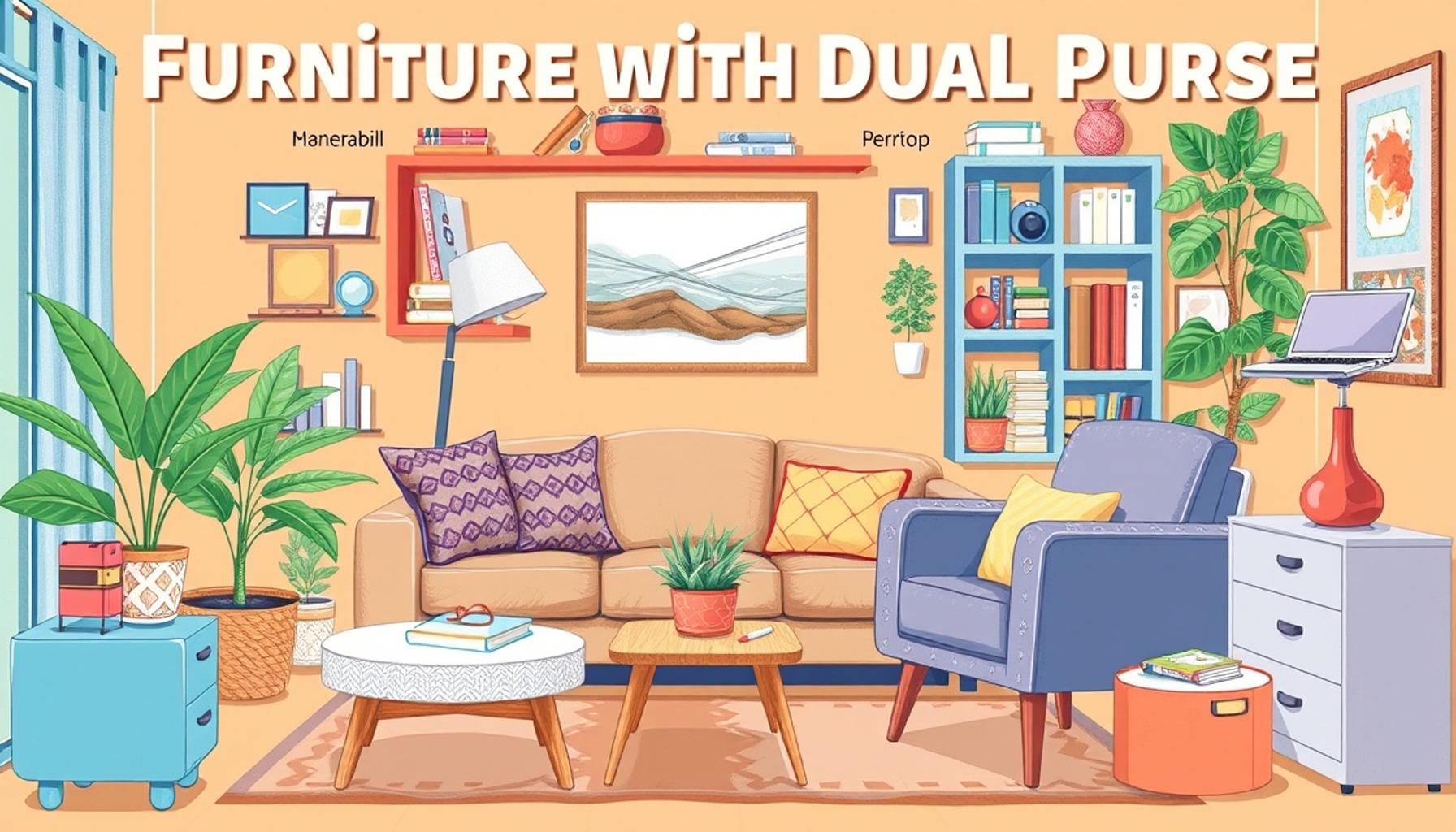
- Multi-functional furniture: Pieces that serve more than one purpose can drastically reduce clutter. For example, a sofa bed can function both as a comfortable seating area by day and a convenient sleeping space by night. Similarly, an ottoman with hidden storage can double as a coffee table or extra seating, making it ideal for hosting guests.
- Creative storage solutions: Utilizing vertical space and hidden compartments allows for better organization. Think about floor-to-ceiling shelving or pegboards in kitchens or home offices, which can free up valuable counter space. Innovative solutions like under-bed storage bins or furniture with built-in drawers can help maximize even the smallest of rooms, making them feel more spacious.
- Open layouts: Emphasizing flow in design enhances the perception of space while promoting connectivity. An open floor plan that combines the living room, dining area, and kitchen not only allows for easier social interaction but also makes the overall space feel more expansive. This layout encourages a sense of community within the home, whether you are hosting family gatherings or simply enjoying a quiet evening.
The impact of spatial efficiency extends beyond aesthetics; it can promote productivity and well-being. Research shows that a well-designed small space can lead to:
- Reduced stress levels: Decluttered environments contribute to mental clarity. A clean, organized space has been linked to lower anxiety and a more positive mood. This is especially relevant in cramped urban apartments, where a calming atmosphere is essential for relaxation.
- Enhanced creativity: Thoughtfully arranged spaces can inspire innovative ideas. Creative workspaces designed with natural light and plant life, for instance, can stimulate productivity and encourage fresh thinking. Additionally, functional designs can serve as a canvas for personal expression.
- Improved functionality: Optimized areas serve as a more effective backdrop for daily activities. A small kitchen outfitted with customizable organization tools, like magnetic spice racks or pull-out shelves, can transform meal preparation from a chore into an enjoyable experience.
As we delve deeper into this topic, uncover practical strategies and innovative ideas that can turn any small area into a stylish sanctuary. From exploring minimalist design principles to discovering clever spatial hacks that make the most out of limited square footage, the journey to discovering the potential of spatial efficiency awaits!
Maximizing Small Areas
As urban living continues to evolve, the challenge of creating functional and attractive environments within small spaces is more relevant than ever. The concept of spatial efficiency goes beyond merely fitting furniture into a room; it encompasses the strategic arrangement and selection of elements that contribute to a cohesive and inviting atmosphere. By focusing on specific design principles, anyone can transform their compact living areas into remarkable havens.
Smart Layout Design
One of the pivotal aspects of enhancing spatial efficiency is the arrangement of furniture and decor. Taking the time to plan the layout can lead to significant improvements in how a space is perceived and utilized. When creating a small area layout, consider these design elements:
- Zone Designation: By defining distinct zones for different activities—such as a reading nook, workspace, or dining area—individuals can enjoy a sense of purpose without sacrificing comfort. Use rugs or color variations to signify these zones visually.
- Traffic Flow: Keeping pathways clear ensures that movement throughout the space is effortless. Arranging key furniture pieces to promote flow allows for easy transitions between zones, making the entire environment feel more expansive.
- Scale and Proportion: Selecting appropriately scaled furniture not only enhances the aesthetic appeal but also avoids overwhelming the space. For example, opting for a slender dining table rather than a bulky version can maintain a sense of openness in the room.
The Role of Color and Light
Color schemes and lighting play vital roles in manipulating the perception of space. Lighter color palettes, such as whites, pastels, or soft neutrals, create an airy feel, making small areas appear larger. In contrast, darker hues can be cozy but may create a sense of confinement if overused. To further amplify spatial efficiency, consider the following:
- Mirrors: Strategically placing mirrors can reflect light and create the illusion of depth, thus giving the impression of a bigger environment. A well-placed mirror can turn a small hallway into an expansive corridor.
- Layered Lighting: Rather than relying on a single light source, incorporating various layers of lighting—ambient, task, and accent—can enhance the functionality and overall ambiance of a space. Dimmer switches can also provide flexibility in adjusting mood and atmosphere.
Moreover, integrating natural light into the design process is paramount. Large windows, skylights, or light-colored window treatments can invite sunlight inside, promoting a warm and inviting feel that uplifts any small environment.
In summary, achieving spatial efficiency involves a comprehensive approach that takes into account layout design, color selection, and lighting. With these strategies in hand, even the smallest spaces can evolve into functional and attractive retreats—allowing urban dwellers to thrive alongside their surroundings comfortably.
| Category | Characteristics |
|---|---|
| Maximized Utility | Incorporates multifunctional furniture and layouts |
| Aesthetic Appeal | Uses design elements to create visually attractive and cohesive spaces |
| Mental Clarity | Promotes organized environments that enhance focus and well-being |
| Flexibility | Adapts space for various activities, catering to more than one need |
When we explore the concept of spatial efficiency, we discover its remarkable ability to revolutionize small environments. The first notable aspect is the Maximized Utility of space, where incorporating multifunctional furniture such as foldable tables, inventive storage solutions, and adaptable seating arrangements can create a seamless blend of function and style. This adaptability is essential for making every inch count.Moreover, the Aesthetic Appeal cannot be overlooked; thoughtful design elements combined with appropriate colors and textures create a harmonious and inviting atmosphere, drawing attention while maintaining balance. Spatial efficiency further enhances Mental Clarity by providing organized environments that encourage focus and reduce stress through decluttered spaces. This phenomenon is particularly important in small areas where every detail matters.Lastly, the Flexibility of spatial arrangements allows rooms to serve multiple purposes—from a cozy living area transforming into an office space—enhancing both functionality and suitability to a homeowner’s lifestyle. By understanding and implementing these principles of spatial efficiency, anyone can dramatically enhance the functionality and attractiveness of small spaces.
Incorporating Multi-Functional Elements
To further enhance spatial efficiency, the introduction of multi-functional furniture is key. In smaller environments, where every square foot counts, investing in pieces that serve more than one purpose can vastly improve the functionality of a space. This approach not only helps alleviate clutter but also simplifies the design, allowing for greater creativity. Here are a few innovative examples:
- Sofas with Storage: Opting for a sofa that features built-in storage compartments can provide the perfect solution for stowing away blankets, books, or other personal items. This dual-purpose piece can maintain a tidy appearance while offering a place to relax.
- Convertible Furniture: Murphy beds or fold-out desks are prime examples of how furniture can adapt to the needs of the moment. With the ability to transform a guest bedroom into a home office, these innovations reflect the essence of smart living in compact settings.
- Ottomans and Side Tables: Choosing ottomans that double as coffee tables or side tables that provide storage creates functional surfaces without overcrowding the room. These versatile pieces can be easily moved and repurposed as needed.
Creative Use of Vertical Space
Vertical space is often underutilized in small areas; however, by expanding the design upwards rather than outwards, residents can significantly increase their spatial efficiency. The incorporation of vertical elements can not only save floor area but also add a unique flair to the environment. Consider these strategies for maximizing vertical potential:
- Wall-Mounted Storage: Shelves and cabinets that are affixed to the walls help to keep items organized while maintaining an open floor plan. Floating shelves, for instance, can serve as display spaces for decor or books without consuming any ground space.
- Vertical Gardens: For those with a green thumb, vertical gardens can be an attractive and functional way to bring nature indoors. Wall planters or hanging pots can enhance aesthetics while simultaneously improving air quality.
- Tall Bookcases: Utilizing tall bookcases can draw the eye upward, creating a perception of higher ceilings and more significant space. The use of varying shelf heights can add visual variety and accommodate books or decorative items of all sizes.
Personal Touches and Customization
Lastly, personal touches and customization play a crucial role in crafting an attractive space. While spatial efficiency focuses on functionality, personal elements imbue the environment with character and warmth. Items such as art pieces, family photographs, and handmade decor can transform a functional space into a welcoming home. Here are ways to achieve that balance:
- Meaningful Artwork: Select art that resonates with personal experiences or interests; this not only beautifies the space but also serves as a conversation starter.
- Sentimental Decor: Incorporate items with memories attached, like heirloom furniture or travel souvenirs. These curated elements reflect personality and make the space distinctly yours.
- Creative Arrangements: Utilizing unconventional layouts or asymmetrical arrangements can add an artistic touch. Grouping decor items in odd numbers often creates a more engaging visual appeal.
By incorporating multi-functional elements, utilizing vertical space, and personalizing designs, individuals can elevate the overall experience of their small environments. The art of spatial efficiency allows for the creation of not just functional but aesthetic spaces, encouraging those small areas to evolve into organized and beautiful environments that mirror their inhabitants’ lifestyles. Ultimately, these thoughtful adaptations reveal how creativity and strategic planning can utterly transform limited settings into extraordinary living spaces.
Conclusion
In conclusion, embracing spatial efficiency is not merely a trend but a necessary adaptation for those navigating the challenges of small living environments. By optimizing every inch through the use of innovative, multi-functional furniture and creative design strategies, individuals can drastically elevate the functionality and aesthetic appeal of their spaces. Whether it be through wall-mounted storage solutions, vertical gardens, or customizable decor elements, each choice contributes to a more organized and inviting atmosphere.
Furthermore, this transformational approach allows for the infusion of personal style and character, ensuring that even the coziest of spaces reflect the unique identities of their inhabitants. Engaging with these techniques not only enhances daily living but also invites a sense of creativity and resourcefulness into home design. As urban living continues to evolve, and small spaces become the norm, understanding how to leverage spatial efficiency will be paramount.
Ultimately, the magic lies in reimagining limitations as opportunities. Drawing on the principles discussed, anyone can discover new pathways to reconfigure and renew their environment, paving the way for extraordinary and practical living spaces that inspire and function seamlessly. As we embrace this journey, it becomes clear that a well-designed small space can be both functional and a true reflection of personal taste.