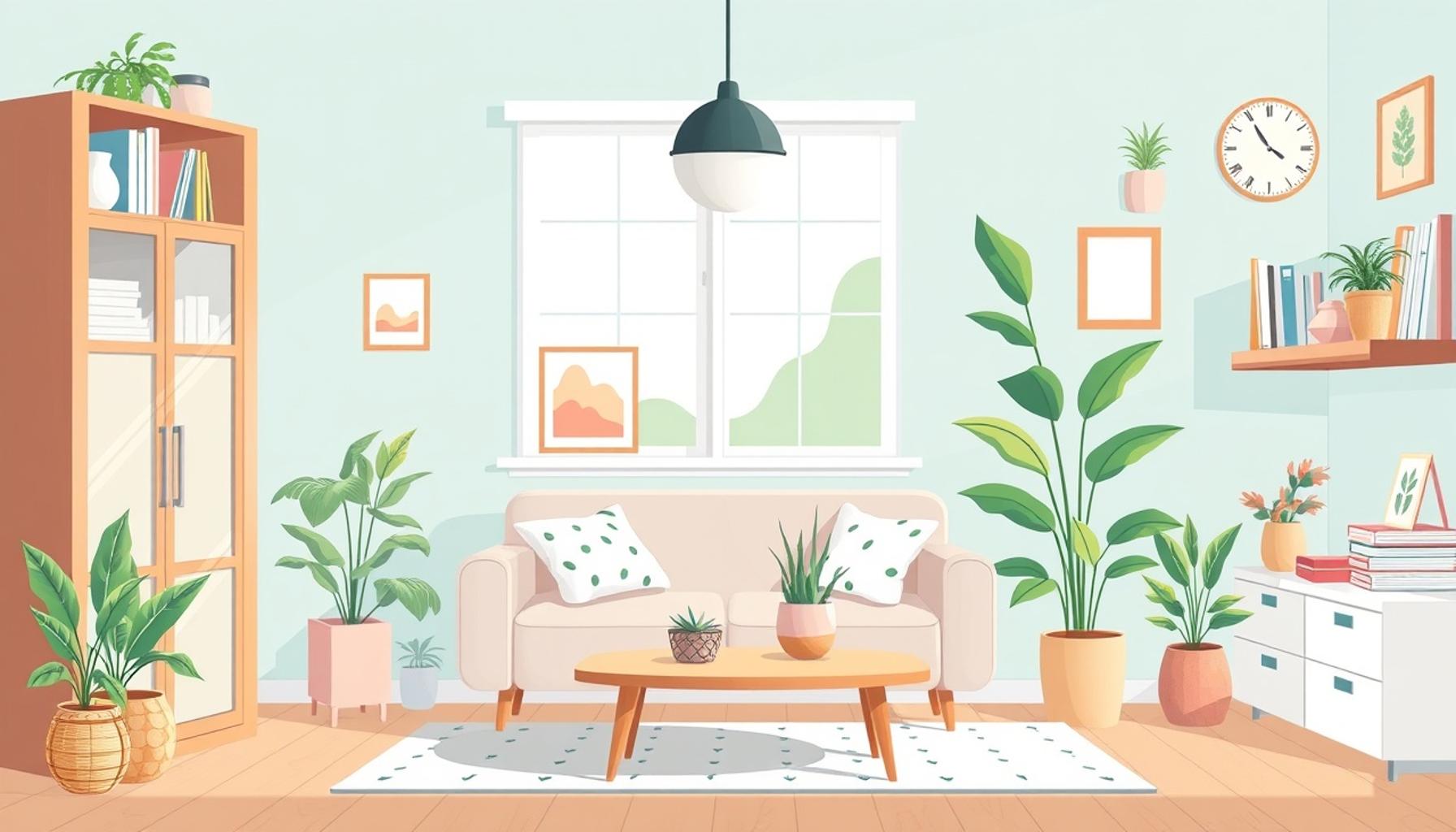
Cultivating Serenity: The Intersection of Mindful Living and Personal Organization for a Minimalist Lifestyle

Pathways to a Tranquil Lifestyle
In our fast-paced society, where technology and constant notifications vie for our attention, the quest for inner peace has become increasingly crucial. The practice of mindful living synergized with personal organization emerges as a powerful antidote to this chaotic environment. By integrating these principles into our daily lives, we can both reclaim our time and foster a profound sense of clarity and tranquility.
Understanding Mindful Living
The essence of mindful living lies in cultivating a heightened state of awareness. This involves consciously tuning into our thoughts, feelings, and the world around us without judgment. For instance, taking five minutes each morning to meditate can enhance our ability to remain present throughout the day. By paying attention to our breathing or the sensations in our bodies, we can cultivate a greater understanding of our mental state, indirectly influencing our overall well-being.
The Importance of Intentionality
Intentionality is another cornerstone of mindful living. It compels us to make choices that align with our deepest values and goals. For example, when decluttering a space, one could assess each item: “Does this serve a purpose in my life, or does it simply add to the chaos?” This reflective approach fosters a lifestyle that prioritizes quality over quantity, leading to deeper satisfaction and lesser stress. Studies suggest that consumers who adopt intentional practices are more likely to experience a sense of fulfillment, as they engage with the items and relationships that truly matter.
The Power of Simplicity
Simplicity is essential to reducing not only physical clutter but also mental clutter. Streamlining our living spaces can significantly impact our ability to focus and be productive. For instance, adopting a minimalist approach may mean digitizing paperwork to minimize space or choosing a wardrobe with versatile clothing pieces that allow for easy decision-making each morning. This reduction in choice fatigue often leads to increased mental clarity, enabling us to direct our energies toward what genuinely matters.
The Rising Trend of Minimalism
The minimalism movement has seen a surge in popularity across the United States. From popular documentaries to social media influencers, many are sharing their journeys toward a more simplified lifestyle. This trend is often linked with improved mental health; research indicates that those who embrace minimalism experience lower levels of anxiety and higher satisfaction levels due to their decluttered environments.
Conclusion: Strategies for Empowerment
Embracing mindful living and personal organization is not merely about reducing possessions but enhancing our overall quality of life. By incorporating practices that emphasize awareness, intentionality, and simplicity, individuals can cultivate a serene lifestyle that reflects their value systems. As we delve deeper into these principles, we discover actionable strategies that can lead to a fulfilling, minimalist existence that resonates with our personal aspirations.
By staying open to exploring these concepts further, we can unlock pathways to tranquility and self-discovery in an increasingly distracted world.
DIVE DEEPER: Click here for practical tips on decluttering
Strategies for Enhancing Mindful Living
As we embark on the journey of cultivating serenity through mindful living, it’s essential to adopt strategies that seamlessly intertwine with our organizational habits. Here are several well-researched techniques to enhance mindfulness in our daily routines, thereby paving the way for a more serene and minimalist lifestyle:
1. Daily Mindfulness Practices
Integrating daily mindfulness practices into your routine is a fundamental step toward enhancing consciousness and reducing stress. Consider setting aside time each day for:
- Meditation: Even just ten minutes of focused meditation can clear the mind and increase awareness.
- Mindful Walking: Engage in a walking meditation, where the sensations of each step anchor you to the present.
- Gratitude Journaling: Write down three things you are grateful for each day, which shifts your focus from scarcity to abundance.
Research reveals that individuals who maintain these daily rituals often report heightened levels of positivity and reduced anxiety. The key is to remain consistent, gradually transforming these practices into habitual responses to everyday stressors.
2. Mindful Consumption
In the context of a minimalist lifestyle, mindful consumption becomes an imperative practice. This means being deliberate about the items we allow into our lives, questioning their value and necessity:
- Evaluate Purchases: Before acquiring new items, ask yourself, “Will this improve my quality of life?”
- Reduce Impulsive Buying: Implement a waiting period before purchases to avoid emotional buying tendencies.
- Support Sustainable Brands: Choose to invest in companies that align with your values, focusing on quality over quantity.
According to the Journal of Consumer Research, making intentional purchasing decisions significantly reduces buyer’s remorse and the clutter that comes with unneeded possessions. This conscious approach not only promotes a decluttered environment but nurtures a deeper connection to what we own.
3. Decluttering with Intention
Decluttering is a powerful form of personal organization that underlines the intersection of minimalism and mindfulness. When you declutter, approach it with intention:
- One In, One Out: For every new item you bring in, consider removing one to maintain balance.
- Visualize Spaces: Imagine how you want each space to function, emphasizing utility and peace.
- Monthly Reviews: Dedicate time each month to assess your belongings and their relevance to your life.
Engaging in this acutely aware decluttering process can bring zest back into your living environment, eliminating distractions and creating a tranquil sanctuary.
By synthesizing these strategies, individuals can not only achieve personal organization but also cultivate a mindset that embraces serenity in a world that is often overwhelmingly chaotic. As we move deeper into the connection between mindful living and personal organization, we uncover the transformative power they hold in reshaping our lives for the better.
Cultivating Serenity: The Intersection of Mindful Living and Personal Organization for a Minimalist Lifestyle
As we delve deeper into the concept of Cultivating Serenity, it’s essential to understand how mindful living intertwines with personal organization. This holistic approach not only enhances the quality of life but also simplifies our surroundings, creating a powerful environment that fosters tranquility.
In a world teeming with distractions, embracing a minimalist lifestyle allows individuals to focus on what truly matters. Mindful living encourages awareness and presence, enabling individuals to appreciate each moment without the noise of unnecessary clutter. When the mind is clear, organization follows suit; decluttering both our physical space and mental state becomes a natural progression towards achieving serenity.
Implementing effective organization techniques such as the Kondo method or time-blocking can significantly reduce anxiety. These methods prioritize tasks, ensuring that energy is allocated efficiently. Moreover, personal organization facilitates a smoother daily routine, allowing for scheduled mindfulness practice or meditation, which are core elements in promoting a serene lifestyle.
Reflection through journaling serves as another vital element in this journey. It not only acts as a tool for tracking progress but also helps in identifying areas needing more attention, whether emotional or material. By categorizing feelings and thoughts, individuals can plan actionable steps towards creating a harmonious life. This combination of organization and mindfulness results in a nourishing and fulfilling existence.
| Category | Details |
|---|---|
| Mindful Living | Focuses on awareness and presence to enhance daily experiences. |
| Personal Organization | Creates structured environments that reduce stress and promote clarity. |
Furthermore, adopting practices such as digital decluttering can significantly optimize both focus and productivity in the increasingly digital world we live in. By minimizing online distractions—be it through unwinding notifications or cleaning out old emails—individuals can achieve a greater sense of control, leading to enhanced mindfulness in both personal and professional spheres. As this synergy between mindful living and organization deepens, the pathway to a minimalist lifestyle becomes clearer, more attainable, and ultimately, more rewarding.
DIVE DEEPER: Click here to discover more
Creating an Environment that Promotes Mindfulness
While individual practices are essential for enhancing mindful living, the environment we inhabit plays a crucial role in fostering serenity. Developing spaces that support both minimalism and mindfulness can significantly amplify our organizational efforts. Here are effective strategies to create an environment conducive to tranquility:
1. Optimize Natural Light
Natural light is a powerful mood enhancer and can greatly influence our state of mind. Research from the American Society of Interior Designers suggests that spaces filled with natural light can improve well-being by boosting energy levels and reducing stress. To utilize natural light effectively:
- Choose Light Colors: Use light, neutral colors for walls and furniture to enhance brightness and create a sense of spaciousness.
- Maximize Windows: Keep windows unobstructed with minimalistic window treatments that allow maximum daylight.
- Reflective Surfaces: Incorporate mirrors and glossy finishes that reflect light, further brightening the environment.
By fostering an environment rich in natural light, you enable a more organic connection to the world outside, invigorating your mindfulness practices.
2. Designate Mindful Spaces
Creating specific areas within your home that promote mindfulness can assist in developing a serene mindset. These intentional spaces should be free from distractions, fostering focus and calm:
- Reading Nook: Design a cozy, clutter-free reading nook adorned with your favorite books and comfortable seating, inviting moments of quiet reflection.
- Meditation Corner: Set up a dedicated space for meditation, complete with soft cushions, calming visuals, and perhaps some incense or essential oils to enhance sensory engagement.
- Workstation: Organize your workspace with minimal clutter and essential items only, fostering productivity while reducing mental chaos.
When spaces are created with purpose, they serve as reminders of your commitment to mindful living and personal organization.
3. Connection with Nature
Integrating nature into your living space can significantly enhance your mindfulness experience. Studies have shown that being in proximity to nature promotes relaxation through reduced stress levels and improved concentration. Here’s how to create a nature-infused environment:
- Indoor Plants: Incorporate low-maintenance indoor plants like succulents or snake plants, which improve air quality and add a touch of tranquility.
- Nature Scents: Utilize essential oils that evoke memories of the outdoors, such as lavender or eucalyptus, to bring a sense of calm.
- Natural Materials: Choose furniture and decor made from natural materials like wood or stone, which create a grounding effect in your space.
Engaging with nature in these ways nurtures a profound connection with the environment, further enhancing mindfulness as you cultivate serenity.
As we advance in understanding how personal organization and mindful living intersect, it’s clear that both are vital in creating a harmonious and minimalist lifestyle. The practices and environments we cultivate not only reflect our inner world but also shape our overall experience of life.
DISCOVER MORE: Click here to enhance your understanding
Conclusion
In an era where distractions abound and the pace of life seems relentless, cultivating serenity has become essential for well-being. The intersection of mindful living and personal organization provides a balanced approach to adopting a minimalist lifestyle that not only simplifies our surroundings but also enriches our mental and emotional landscapes. By implementing the strategies discussed—optimizing natural light, creating designated mindful spaces, and fostering a connection with nature—we unlock a profound ability to reclaim our focus and promote tranquility.
As we reflect on our environments, the importance of aligning our physical spaces with our intentions comes into sharper focus. The act of decluttering, both materially and mentally, creates room for clarity and creativity to thrive. Research underscores that a minimalist approach not only alleviates stress but fosters deeper engagement in our daily lives, allowing us to appreciate life’s nuances.
However, the journey towards a serene existence is continuous. By actively engaging with mindfulness practices such as meditation, deep breathing, and conscious consumption, we further reinforce our commitment to a peaceful lifestyle. Each small step contributes to a deeper understanding of ourselves and our values, paving the way for a more intentional existence.
Ultimately, cultivating serenity through mindful living and personal organization encourages us to embrace simplicity, focus on what truly matters, and navigate our lives with a sense of purpose. As we pursue this harmonious balance, let us remain open to the possibilities that arise when we fully inhabit our spaces, hearts, and minds.