Maximizing Space in Minimalist Homes Efficient Small Living Strategies
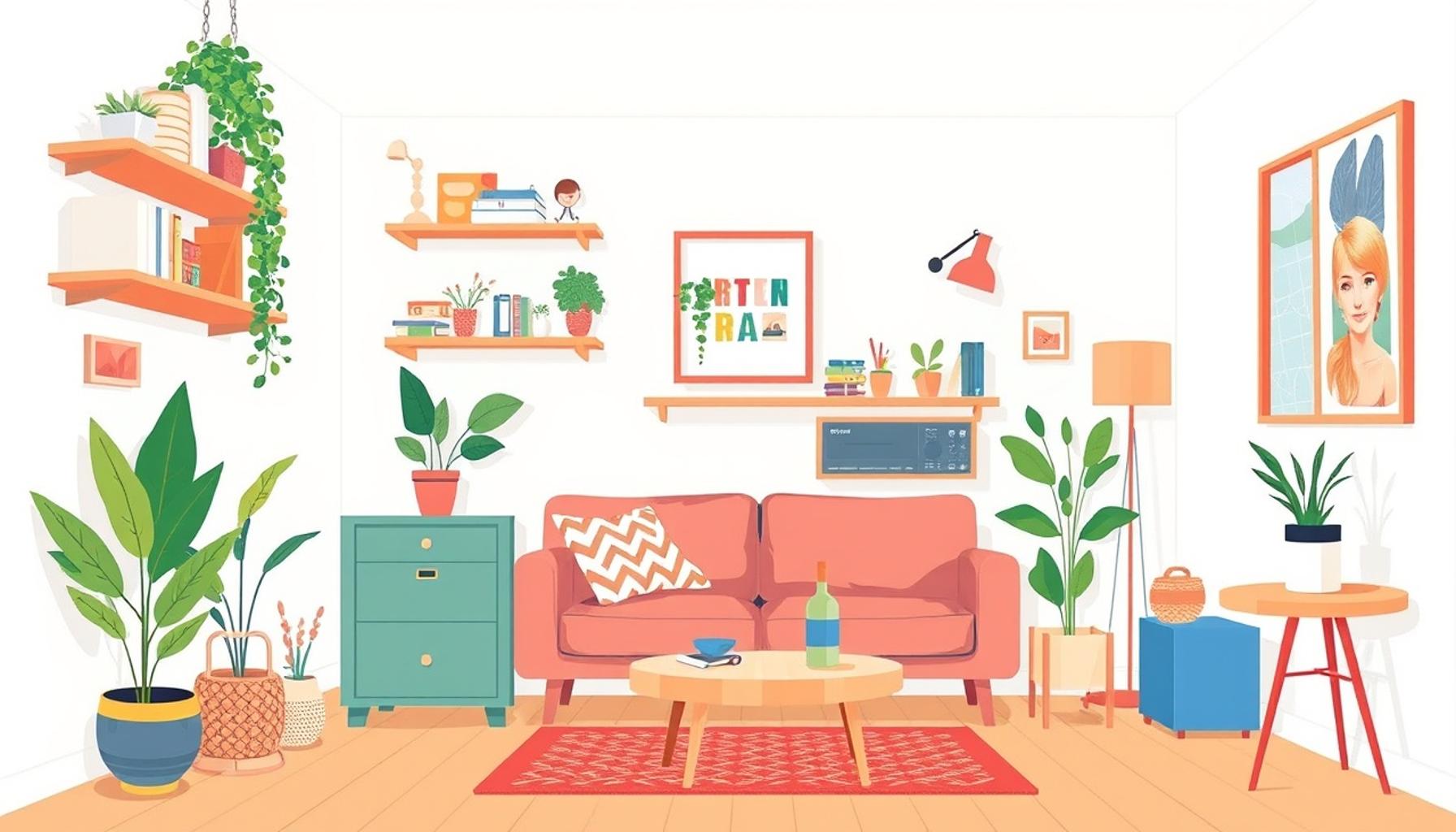
Understanding Space Efficiency in Minimalist Living
In a world that often celebrates excess, the concept of minimalism offers a refreshing perspective. By focusing on what truly matters, many individuals and families are choosing to downsize their living spaces and embrace a simpler lifestyle. This transition brings about its own challenges, particularly in terms of maximizing limited space.
Creating an efficient and functional living environment requires strategic planning and organization. Here are some reasons why space efficiency is crucial for minimalist homes:
- Enhanced functionality: A well-organized space allows for easy navigation and accessibility.
- Reduced stress: Clutter-free zones promote peace of mind and mental clarity.
- Increased creativity: A minimalistic approach fosters an environment that encourages productivity and inspiration.
This article will explore the Top 5 strategies for maximizing small living spaces, aimed at helping you transform your home into a sanctuary of simplicity and efficiency. Each strategy is designed to provide you with practical tips to enhance your minimalist living experience.
Top 5 Strategies for Maximizing Small Living Spaces in Minimalist Homes
Living in a small space does not have to mean feeling cramped or cluttered. Embracing minimalism can help you create a more efficient and enjoyable living environment. In this guide, we present a detailed list of the top five strategies to maximize your small living space, providing you with practical solutions that can transform your home into an organized haven.
5. Use Multi-Functional Furniture
One of the simplest and most effective ways to maximize your space is by investing in multi-functional furniture. This strategy allows you to blend utility and design without sacrificing precious space. Multi-functional furniture pieces are designed to serve more than one purpose, making them indispensable in small homes. For example, consider a coffee table that doubles as a storage trunk or a bed that includes drawers underneath. By selecting such versatile furniture, you can substantially reduce clutter while maintaining a stylish look.
Here are some classic examples of multi-functional furniture:
- Storage Ottomans: These handy pieces can serve as footrests, extra seating, or storage for blankets and magazines, eliminating the need for additional furniture.
- Foldable Desks: Ideal for creating a workspace that can be tucked away when not in use, foldable desks are perfect for temporary office settings without taking up permanent space.
- Convertible Sofas: Essential for accommodating guests, convertible sofas can transform from seating to a sleeping arrangement, negating the need for a dedicated guest bedroom.
Implementing these furniture choices not only keeps your home looking neat but also optimizes every inch of your living area.
4. Embrace Vertical Space
In small homes, where floor space is valuable, vertical space often remains underutilized. To make the most of this often-overlooked area, consider installing shelving units or adding wall-mounted storage. These solutions elevate storage elements off the floor, providing ample room for reading materials or decorative items while keeping surfaces clear.
Consider these vertical storage options to enhance your space:
- Wall Shelves: Perfect for displaying books, plants, or family photos, wall shelves provide a dynamic way to add personality to a room without sacrificing floor space.
- Hanging Racks: Ideal in the kitchen for pots and pans or in a workspace for tools, these racks offer quick access without cluttering counter space.
- Vertical Gardens: Incorporating greenery into a home is easy with vertical gardens, which add a touch of nature without occupying precious ground space.
Utilizing vertical space not only enhances storage capacity but also creates an illusion of increased square footage, making small spaces feel both expansive and efficient.
3. Declutter Regularly
Managing a small living space effectively requires regular decluttering. This practice involves assessing your belongings to determine whether they truly serve a purpose or bring you joy, a fundamental principle of minimalism. By eliminating items that no longer fit your lifestyle or needs, you can maintain a serene and organized home environment.
Establish a routine decluttering process with these steps:
- Monthly Evaluation: Dedicate time each month to go through different areas of your home, from closets to kitchen cabinets, making thoughtful decisions about what to keep or let go.
- One In, One Out Rule: Adopt a policy that for every new item brought into your home, an old one should leave, reminding yourself of the balance between acquiring and discarding possessions.
- Donation & Recycling: Commit to donating or recycling items that remain in good condition but no longer serve you, supporting sustainability and giving back to the community.
By embracing a regular decluttering routine, you create an organized environment that reflects minimalist ideals, ultimately enhancing your quality of life by reducing stress associated with clutter.
2. Create Defined Zones
In a small living space, establishing defined zones is crucial for improving organization and functionality. Even in open-concept layouts, creating specific areas for different activities can contribute to a more harmonious living environment. Utilize rugs, furniture arrangements, or room dividers to effectively delineate these zones.
Here are some ideas for creating distinct areas within your home:
- Living Area: Arrange seating to foster conversation and create a focal point, such as a small coffee table or a piece of art.
- Work Space: Designate a corner for productivity with a desk and comfortable chair, ensuring good lighting and minimal distractions to boost focus.
- Relaxation Nook: Set up a cozy reading corner with a plush chair and good lighting to offer a restful escape within your home.
Defined zones not only help in maintaining order but also enable you to transition smoothly between activities, enhancing the functionality and inviting nature of your space.
1. Invest in Effective Storage Solutions
Top of our list is the importance of effective storage solutions. This fundamental strategy is essential for maximizing space in a small home. By choosing intelligent storage options, you can exploit every nook and cranny, maintaining order and accessibility.
Explore these highly effective storage methods to transform your home:
- Under-Bed Storage: Maximize bedroom space by utilizing bins or drawers that easily slide beneath your bed, perfect for storing seasonal clothing or linens.
- Baskets and Bins: Use stylish containers to group small items together, making them easy to locate and preventing clutter from accumulating on surfaces.
- Closet Organizers: Optimize closet space with shelves, hanging racks, and storage bins to keep clothing and accessories neatly arranged and easy to access.
By integrating these storage solutions, you allow your small home to breathe, creating a welcoming and orderly space that feels much larger than it truly is.
In conclusion, maximizing space in a small minimalist home is entirely achievable with thoughtful planning and strategic design. By leveraging multi-functional furniture, utilizing vertical space, and practicing regular decluttering, you can transform your home into an efficient and beautifully minimalist sanctuary that enhances both comfort and style.
| Category | Description |
|---|---|
| Multi-functional Furniture | Furniture that serves multiple purposes, such as a sofa bed or a coffee table with storage options, can dramatically optimize space in small homes. |
| Vertical Storage Solutions | Using wall space for storage, such as shelves or hooks, provides additional storage without overcrowding floor space. This method is particularly effective in areas like kitchens and living rooms. |
| Decluttering Strategies | Implementing regular decluttering routines helps maintain a minimalist lifestyle, allowing homeowners to keep only essential items and reducing visual clutter in small spaces. |
| Light and Color Choices | Utilizing light colors and maximizing natural light can create the illusion of a larger space, adding to the sense of openness within small living environments. |
In small living spaces, incorporating multi-functional furniture is key to maximizing efficiency. For instance, a sleeper sofa can serve as both a couch and an extra bed, effectively saving space without sacrificing comfort or convenience. Additionally, utilizing vertical storage solutions allows homeowners to take advantage of wall space. Floating shelves or wall-mounted cabinets can store books, decor, or kitchen supplies, keeping the floor free for movement.Equally important is the practice of regular decluttering. By evaluating possessions and determining what to keep, donate, or discard, homeowners can maintain a tranquil environment devoid of unnecessary items. This not only improves aesthetics but also reflects a commitment to a minimalist lifestyle.Light and color choices play a significant role in creating a feeling of spaciousness. Lighter hues on walls can make a room feel larger, while strategically placed mirrors can enhance natural light and visually expand the space. Using sheer curtains allows sunlight to flood in while providing privacy, contributing to a more open atmosphere within the home.By implementing these strategies, homeowners can effectively maximize their small living spaces, transforming them into functional, efficient environments that reflect their personal style and needs.
Frequently Asked Questions About Maximizing Small Living Spaces
What are some key strategies for maximizing space in a small living area?
To make the most out of a small living area, consider employing multi-functional furniture, such as a sofa that doubles as a bed or a dining table that serves as a workspace. Additionally, use vertical space effectively by installing shelves and cabinets that reach up to the ceiling. Decluttering regularly and using smart organizational tools can also help maintain a spacious feel.
How can lighting impact the perception of space in small homes?
Lighting plays a crucial role in how spacious a room feels. Natural light can make areas feel more open and expansive, so try to maximize sunlight by using sheer curtains or placing mirrors across from windows to reflect light. For artificial lighting, opt for layered lighting, which includes ambient, task, and accent lights, to create a warm and inviting atmosphere without overwhelming the space.
Are there specific color schemes that work best in small spaces?
Yes, choosing the right color scheme can significantly impact how a room feels. Lighter shades, such as whites, creams, and pastels, can make a space feel larger and more welcoming. Consider using a monochromatic color scheme to create visual continuity, which helps to open up a room. Adding pops of color through accessories can maintain interest without overwhelming the senses.
Can I still personalize my small living space without it feeling cluttered?
Absolutely! Personalizing your home is important, but in small spaces, it requires a strategic approach. Focus on a few selected pieces that mean the most to you, such as artwork or decorative items, and rotate them occasionally to keep the space fresh. Store excess items out of sight to ensure your personal touches don’t contribute to clutter.
How important is minimalism in maximizing small living spaces?
Minimalism is essential in small living spaces because it emphasizes the idea of having only what you need, which helps to maintain openness and clarity. By focusing on quality over quantity, minimalism ensures that every item has a purpose and contributes positively to the room’s function and aesthetic, maximizing both space and lifestyle.
Conclusion
In our exploration of strategies to maximize small living spaces, we’ve uncovered a host of practical solutions that contribute significantly to the efficiency and functionality of minimalist homes. The core principle of minimalism, which is to appreciate the beauty of simplicity, aligns perfectly with the need to optimize every inch of restricted space.
Firstly, embracing a minimalist design ethos encourages homeowners to focus on essential items, removing clutter and creating an environment that feels both spacious and serene. By adhering to a minimalist aesthetic, you not only enhance the visual appeal of your home but also promote a sense of tranquility and order.
Utilizing multi-functional furniture is a key strategy in these compact environments. Pieces that serve more than one purpose, such as a sofa bed or a coffee table with built-in storage, are excellent examples of how functionality can be maximized without sacrificing style.
Organization plays a pivotal role in space efficiency. Implementing creative storage solutions, such as vertical shelving and hidden compartments, allows for more effective use of available space while maintaining a tidy appearance. This approach minimizes clutter and provides easy access to everyday essentials.
Furthermore, the strategic use of light and color can greatly enhance the perception of space. Bright, neutral tones and well-placed lighting fixtures have the ability to make rooms feel airier and more expansive than they actually are.
Finally, embracing the concept of intentional living is foundational to both minimalism and personal organization. This involves making thoughtful choices about what remains in your space, which naturally leads to a more meaningful and efficient lifestyle.
In sum, maximizing small living spaces through these strategies not only caters to physical constraints but also enriches one’s experience of home life. By thoughtfully integrating these principles, you can achieve a harmonious and organized living space that fully supports a minimalist lifestyle.