
The Expanding Landscape of Soccer Competitiveness
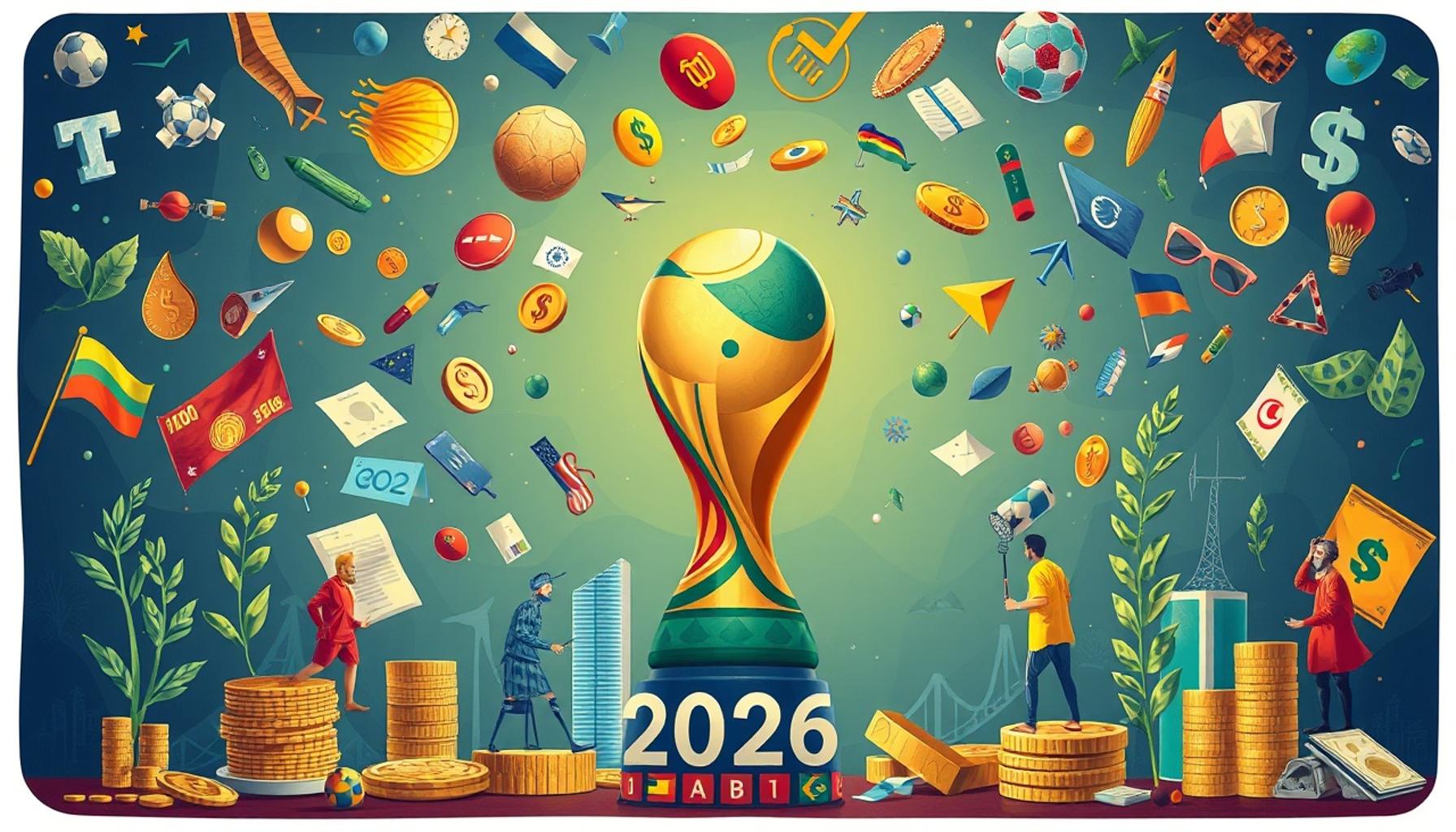
The impending 2026 World Cup is poised to be a defining moment in international soccer history. With its expansion to 48 teams, the tournament aims to reshape the competitive arena, particularly through a revamped qualification system. This evolution is a strategic initiative designed to enhance not just the range of nations represented but also the overall dynamism of the sport at a global level.
Key Features of the New Qualification Process
One of the most significant aspects of the new qualification format is the regional allocation of slots. Teams from CONCACAF (North America), CONMEBOL (South America), and CAF (Africa) are expected to gain more opportunities to qualify. For instance, while traditionally powerhouses like Brazil and Argentina dominated qualification from South America, nations such as Venezuela and Bolivia now have a more realistic chance of securing a berth in the World Cup. This increased representation will permit lesser-known soccer nations, like Canada, which recently experienced a resurgence in performance, to make their mark on this prestigious platform.
In addition to regional allocations, the new process promotes competitive balance, which will drastically alter the traditional dynamics of international football. With more slots available, countries that historically struggled to compete on this stage are now welcomed. For example, teams from countries like Ghana or Morocco, which have shown promise in past competitions, may elevate their profiles significantly, leading to a more unpredictable tournament.
Implications for Team Composition
These changes herald profound implications for team composition and the cultural representation within the World Cup. Firstly, new opportunities will enable emerging talents from diverse backgrounds to showcase their skills on an international platform. Take the U.S. Men’s National Team, which has seen a surge of players from varied ethnic backgrounds, such as Christian Pulisic and Weston McKennie. This burgeoning blend of talent and stories enriches the American soccer narrative while fostering a deeper connection with a multicultural audience.
Moreover, the 2026 World Cup is expected to present a richer cultural tapestry. As teams incorporate players with diverse soccer styles and backgrounds, spectators can anticipate a vibrant display of athleticism and artistry. This cultural exchange not only enhances the viewing experience but also stimulates interest and investment in soccer from underrepresented regions. For instance, through initiatives and grassroots programs in countries like Haiti and El Salvador, more players may emerge on the world stage, excited to participate in the tournament.
A Transformative Event for Soccer
As the kickoff approaches, the excitement surrounding the 2026 World Cup continues to build. It promises to be a transformative event that redefines competition while fostering inclusivity and diversity in sports. With an expanded field and new opportunities for countries previously sidelined, this World Cup could very well alter the course of soccer history, ultimately making it richer, more varied, and more accessible to all. The implications of these changes are vast, and as teams prepare for qualification, the world will be watching closely to witness how this new structure shapes the future of soccer.
Breaking Barriers: The Broadened Horizons of Soccer
The alterations to the qualification system for the 2026 World Cup signify much more than logistical adjustments; they represent a monumental shift towards inclusivity and diversity in international soccer. The increased number of participating teams is set to impact not only the nations that find themselves on the cusp of qualification but also the array of cultures and playing styles that will be showcased on the world stage.
Unveiling New Contenders
The expanded format allows 48 nations to compete, a significant increase from the previous 32. This change is particularly revolutionary for teams from developing soccer nations, most notably those in Africa and Asia, who have historically been underrepresented. The new qualification rules are prompting an important sociopolitical dialogue about representation. Countries such as Indonesia, Algeria, and Uzbekistan, often overshadowed in the global soccer narrative, could seize this opportunity to demonstrate their burgeoning talent.
Moreover, under the new structure, regions are allocated spots based on their historical performance and growth in the sport. Some crucial adjustments in regional allocations include:
- CONCACAF: Eight teams will qualify, increasing opportunities for nations like Costa Rica and Jamaica.
- CAF: An increase to nine slots opens doors for teams such as Senegal and Cameroon to secure their place.
- CONMEBOL: South America will maintain its slots but will face stiffer competition from the expanding pool of nations.
These changes not only broaden prospects for qualification but are also likely to inspire grassroots initiatives in many countries. As teams invest more in player development, countries that once lagged in soccer prowess may soon emerge as formidable competitors on this global platform. The history of soccer is rife with examples of underdog stories, and as examples from nations like Iceland and Senegal in previous tournaments show, anything is possible.
Variety in Playing Styles and Strategies
This increase in diversity among participating teams promises to enhance the quality and excitement of the tournament itself. Countries with varying soccer philosophies will collide, producing an exhilarating blend of tactics and styles. For instance, teams from Africa are known for their physicality and speed, while South American teams typically exhibit technical prowess and fluidity. This contrast is sure to challenge traditional soccer norms and result in unforgettable matches.
Moreover, the elevation of lesser-known teams to the global stage will encourage a broader spectrum of narrative arcs within the tournament. Viewers may find themselves rallying behind teams that resonate with their own stories and struggles, creating a more personal connection to the games. As new talents and previously sidelined cultures come to light, soccer as a sport will gain richer, more diverse storytelling elements that fans yearn for.
Ultimately, the impact of the new qualification rules extends beyond the mere numbers of teams represented. It encapsulates the spirit of competition, unity, and representation—values that resonate profoundly with the essence of what the World Cup stands for. As the world gears up for this monumental event, the excitement lies not only in the prospect of new contenders but also in the stories of hope and determination that they will bring with them.
| Advantage | Description |
|---|---|
| Increased Representation | The new rules are expected to allow more nations to qualify, leading to greater representation of diverse teams at the World Cup. |
| Encouragement of Emerging Nations | With easier pathways for qualification, emerging football nations gain motivation and develop their local talent, potentially leading to unexpected upsets in matches. |
The implementation of new qualification rules for the 2026 World Cup holds the potential for a transformative impact on the diversity of teams participating in this global event. The modifications are designed to broaden the competitive landscape, granting lesser-known teams the chance to showcase their skills on a world stage. One of the most significant advantages outlined is the increased representation of diverse teams. By allowing more nations to qualify, the World Cup can feature a mosaic of footballing styles and cultural approaches, enriching the tournament’s overall appeal.In addition, the rules encourage the development of emerging football nations. Countries that may not have had previous opportunities to participate can invest in grassroots programs and nurture local talent. This focus on development increases competitiveness and elevates the overall quality of play, making matches more intriguing for fans. The broadening of the qualification can lead to potential surprises, as these underrepresented teams might disrupt traditional power dynamics in international football. As the landscape shifts, stakeholders and fans alike will be watching eagerly to see how these new ground rules transform the diversity and excitement of the renowned tournament in 2026.
Bridging Gaps: The Cultural and Economic Impact of Increased Diversity
As the 2026 World Cup gears up to welcome a diverse array of teams, the impact of the expanded qualification rules transcends the boundaries of the soccer field. By facilitating participation from a broader range of nations, these changes are poised to foster significant cultural exchanges and stimulate economic growth in regions that have historically remained on the fringes of global soccer.
Cultural Exchange and Global Unity
The introduction of more slots for underrepresented nations enables a vibrant tapestry of cultures to converge at the World Cup. Each qualifying team brings its unique flavor, traditions, and perspectives, making the tournament not just a sporting event but a global cultural phenomenon. Countries like Malaysia and Zambia will have the opportunity to showcase their cultural heritage and soccer passion, enriching the collective narrative of the tournament.
Events such as pre-match ceremonies and fan interactions will highlight the rich histories of these diverse nations. This cultural exchange has the potential to bridge gaps, fostering understanding and appreciation among fans from various backgrounds. As soccer fans in the United States prepare to embrace these new teams, local communities could organize cultural festivals that celebrate foreign culinary delights, music, and artistry, creating a shared bond among fans while opening avenues for cross-cultural dialogue.
Economic Opportunities and the Soccer Economy
Beyond cultural exchanges, the new qualification rules may catalyze economic growth in lesser-known soccer nations. As these countries qualify for their first World Cup, the influx of international attention could lead to increased investment in local infrastructure, tourism, and youth soccer programs. The World Cup often becomes a focal point for nations to enhance their international profile, with athletic development as a key priority.
- Tourism Boost: The participation of new teams may attract tourism from fans eager to support their countries, creating opportunities for local businesses.
- Investment in Infrastructure: Hosting matches, even at a distance, may produce ripple effects that spur improvements in facilities, transportation, and hospitality.
- Grassroots Development: The visibility of teams can inspire young athletes and catalyze investment in youth soccer programs, bolstering future talent pools.
For instance, nations like Ghana, which have a rich soccer history, could leverage their World Cup participation to boost their domestic leagues and inspire greater investment in sporting facilities. Greater visibility on the global stage can stimulate the local economy and help solidify soccer as a central element of the national identity for these countries.
Future Implications for Global Soccer
The ripple effects of these expanded opportunities are likely to influence the landscape of global soccer for years to come. As traditional powerhouses face increased competition from rising teams, the emphasis on developing young talent may grow within more established leagues. The influx of diversity will challenge elite teams to innovate and adapt, ultimately elevating the stakes and quality of play.
Moreover, the diverse feedback and styles emerging from various nations could influence coaching techniques and tactical approaches among established teams. As young players from all corners of the globe gain exposure to the World Cup environment, new avenues for growth and development within the sport are sure to emerge, further enhancing the global soccer narrative.
Thus, the realignment of the qualification rules not only enhances the competitive nature of the World Cup but also lays the groundwork for a more interconnected and dynamic future in international soccer. The stage is set for an event that promises to redefine how we view the beautiful game.
Conclusion: A New Era of Soccer Diversity
The 2026 World Cup is on the brink of a transformative change, heralded by the newly expanded qualification rules that promise to enrich the tournament’s diversity. With more spots allocated to underrepresented nations, we can expect a colorful array of teams that not only enhance the competitive atmosphere but also introduce a wealth of cultural experiences and stories to be shared on a global stage. The inclusion of teams from countries like Malaysia and Zambia reinforces the idea that soccer transcends borders, fostering unity and cultural exchanges that deepen connections among fans and communities.
Economically, the ripple effects of increased diversity hold the potential to stimulate growth across many sectors in emerging soccer nations. As tourism flourishes and investments in local infrastructures rise, grassroots soccer initiatives may see a resurgence, nurturing a new generation of soccer talent. The visibility gained through World Cup participation can solidify soccer’s place as a critical element of national pride for these countries.
Looking to the future, the impact of these qualification changes extends beyond the 2026 tournament itself. As global soccer evolves, traditional powerhouses may need to adapt their strategies in light of fresh competition, leading to innovative coaching methods and developmental pathways. The foundation laid by these expanded rules allows for a richer, more interconnected soccer narrative that could redefine the sport for years to come.
Ultimately, the new qualification rules for the 2026 World Cup have the potential to transform not only the teams participating but also the very essence of international soccer. As we count down to this momentous event, it is clear that the beautiful game is poised to enter a thrilling new chapter, embracing diversity like never before.