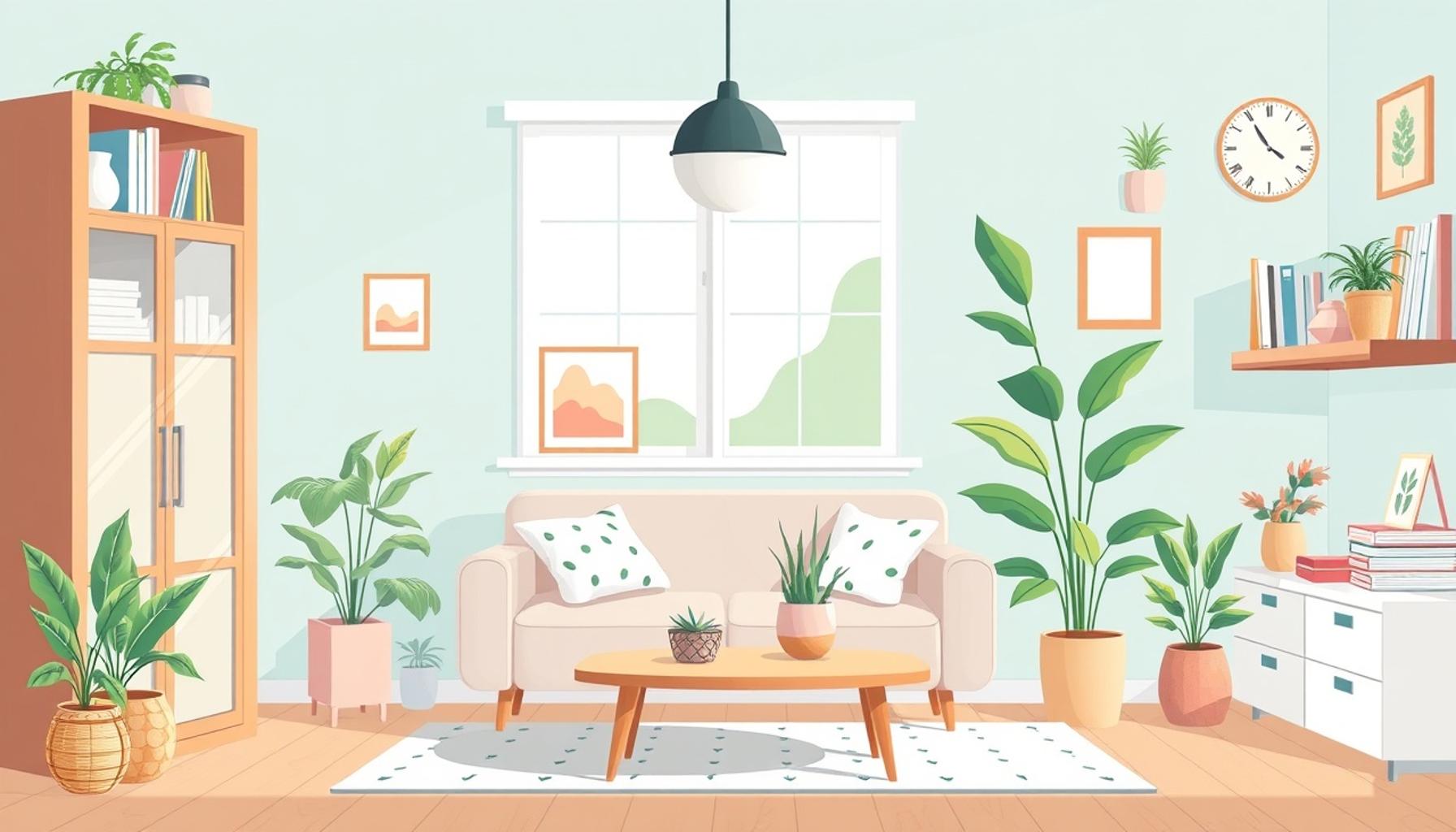
Transforming Spaces: How Mindful Living Can Inspire Minimalist Home Organization
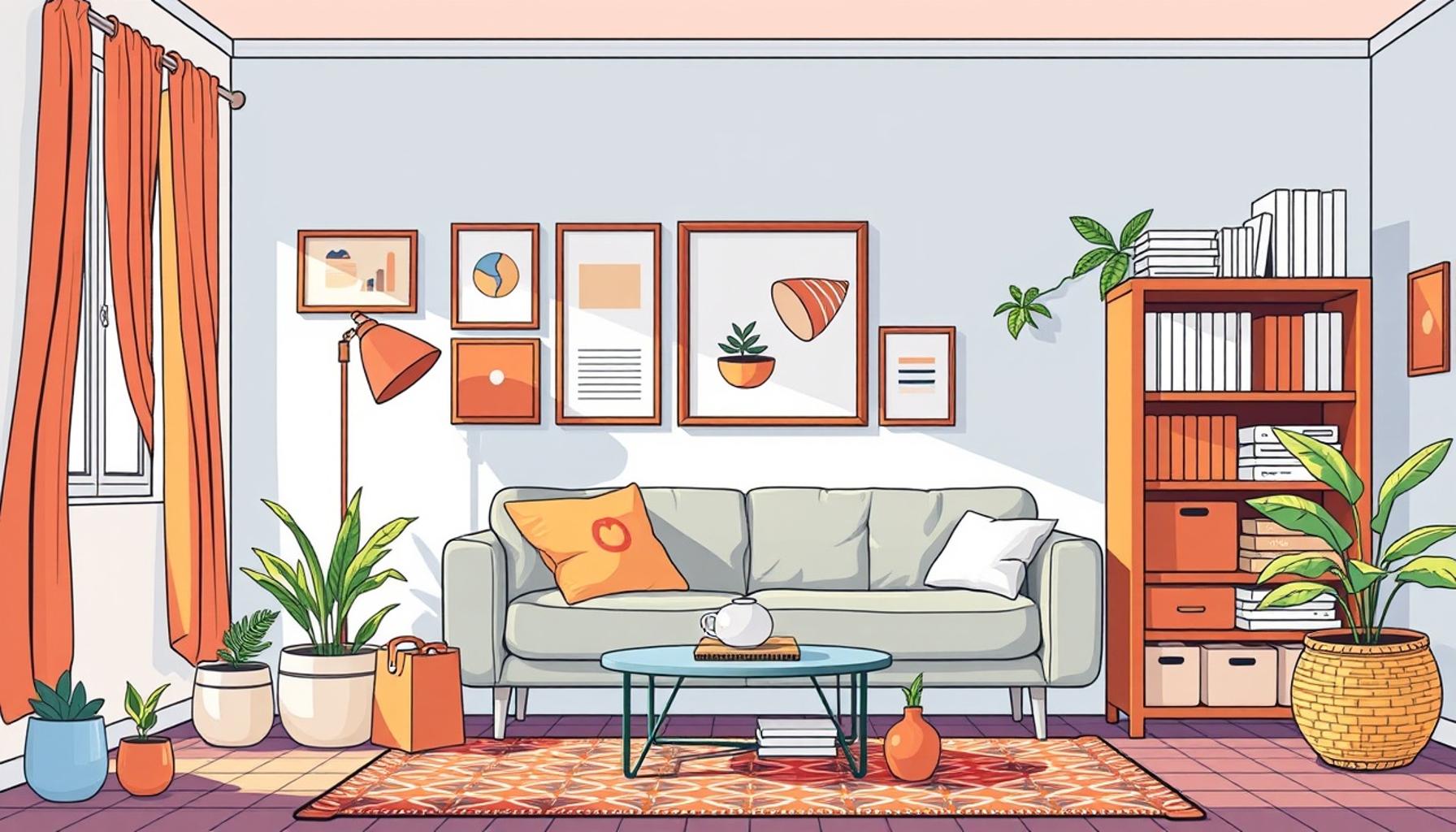
Understanding Mindful Living
As society becomes increasingly fast-paced, the art of embracing mindful living has emerged as a crucial strategy for maintaining mental clarity and emotional balance. At its core, this philosophy promotes an intentional approach to life and the environments we create. Adopting minimalist home organization is one substantial aspect of mindful living, which allows individuals to establish a sense of peace in their surroundings while simultaneously enhancing their overall well-being. By eliminating excess clutter and focusing on what truly matters, people can cultivate transformative living spaces that resonate with serenity.
The Benefits of Minimalism
The benefits of embracing a minimalist lifestyle ripple throughout various aspects of daily life. For instance, the principle of clarity stands out strongly. When individuals minimize their belongings, they often experience a clearer mind and a sense of space within their souls. Studies in environmental psychology suggest that visual clutter can lead to increased stress levels, making it essential to create calming surroundings. As such, a decluttered environment fosters a tranquil atmosphere, allowing for greater mental focus and emotional relief.
Moreover, focus becomes a natural byproduct of minimalism. By simplifying our environments, distractions are significantly reduced, allowing individuals to redirect their attention toward what truly matters in their lives—be it family, work projects, or personal aspirations. Think about how much easier it is to concentrate on a hobby or a career goal in an organized workspace, free from the noise of accumulated possessions.
Additionally, creativity can be revived through the constraints imposed by a minimalist approach. By thoughtfully organizing their living spaces, individuals often find innovative solutions to space management, enhancing functionality without sacrificing style. For example, utilizing multifunctional furniture—like a sofa bed or a storage ottoman—can make a small apartment feel spacious while serving dual purposes. This ingenuity proves beneficial not just practically but also as a catalyst for personal expression.
Principles of Minimalist Organization
To effectively transition into a minimalist lifestyle, it is essential to implement certain guiding principles that align with mindful living. The first principle, intentionality, encourages individuals to keep only those items that serve a definitive purpose or evoke joy. This might mean parting ways with clothes that no longer fit or outdated electronics that gather dust, reinforcing the idea that every possession should warrant its space.
Next is functionality. Organizing spaces should enhance everyday routines rather than complicate them. A kitchen that is systematically organized will allow for efficient meal preparation, while a clutter-free workspace can facilitate productivity. By establishing designated areas for different activities and ensuring ease of access to frequently used items, individuals can support their daily lives more effectively.
The principle of mindfulness also plays a crucial role in maintaining a minimalist home. This involves engaging in regular decluttering practices, such as seasonal inventory checks or commitment to a “one-in-one-out” rule, which maintains balance in the face of life’s changes. Remaining mindful of the items entering your home is equally as important as deciding what to remove.
Conclusion
With each mindful decision made, your home transforms into a reflection of tranquility and simplicity. By embracing these principles and fostering a culture of minimalism, individuals can create spaces that nurture their physical and emotional well-being. Ultimately, mindful living opens the door to a more meaningful, intentional existence—one that invites exploration and depth into our daily lives.
DISCOVER MORE: Click here to learn about mindful living
Principles of Minimalist Organization
To effectively transition into a minimalist lifestyle, it is essential to implement certain guiding principles that align with mindful living. The first principle, intentionality, encourages individuals to keep only those items that serve a definitive purpose or evoke joy. This might mean parting ways with clothes that no longer fit, outdated electronics that gather dust, or decorative items that hold little sentimental value. By reinforcing the idea that every possession should warrant its space, individuals can create a home that reflects their priorities, making daily life feel more manageable and organized.
The exploration of intentionality can lead to deeper conversations about value and meaning. For example, those swift and often impulsive purchases—be it that trendy kitchen gadget or the latest decorative throw pillow—often contribute to clutter. Individuals are invited to ask themselves: “Does this item contribute positively to my life?” This builds a framework for future decisions about what to bring into a home and encourages an intentional examination of consumer habits.
Next is functionality. Organizing spaces should enhance everyday routines rather than complicate them. When considering your living environment, think about your daily habits: How often do you prepare meals? What activities require specialized spaces in your home? A kitchen that is systematically organized will allow for efficient meal preparation, while a clutter-free workspace can facilitate productivity. By establishing designated areas for different activities and ensuring ease of access to frequently used items, individuals can support their daily lives more effectively. Here are some functional strategies to consider:
- Zones: Create specific areas for various activities, such as cooking, reading, or relaxing.
- Accessibility: Keep everyday items within reach while placing less frequently used items in less accessible areas.
- Storage Solutions: Invest in multifunctional furniture, like storage ottomans or wall-mounted shelves, to combat limited space.
Additionally, the principle of mindfulness plays a crucial role in maintaining a minimalist home. Mindfulness in home organization encompasses more than just staying tidy; it involves developing a conscious awareness of the items you own and how they impact your life. Engaging in regular decluttering practices—such as seasonal inventory checks or committing to a “one-in-one-out” rule, where one new item enters only if another is removed—helps maintain balance amidst life’s changes. This practice encourages an ongoing evaluation of one’s belongings, creating a home that evolves as personal needs change.
Remaining mindful of the items entering your home is equally as important as deciding what to remove. For example, consider implementing an “arrival checklist” for new items you wish to bring in: Does it meet a need? Does it align with your values? This brings an added layer of consideration before acquiring new possessions and helps to keep your space aligned with your minimalist intentions.
Transforming Spaces: The Benefits of Mindful Minimalism
Mindful living, at its core, emphasizes the importance of awareness and intention in our daily lives. When applied to home organization, it encourages individuals to rethink not only what they possess but also the purpose behind each item. By integrating mindful practices into your living space, you set the stage for a more harmonious environment that reflects your values and aspirations.
One significant advantage of mindful minimalism is the reduction of stress. Clutter is often a source of anxiety, making it difficult to focus and relax. By adopting a minimalist approach, you can create an atmosphere filled with tranquility, allowing space for creativity and reflection. This shift not only improves your home but ultimately fosters an overall well-being.
Additionally, minimalist home organization can lead to greater efficiency in daily routines. When your space is free from unnecessary distractions, you can navigate your environment with ease. This streamlined approach to living can save time—no more digging through heaps of belongings to find what you need. Efficiency fosters productivity, empowering you to make the most of your day.
Furthermore, embracing minimalist principles often leads to financial benefits. By prioritizing quality over quantity, you invest in long-lasting items that add value to your life, rather than succumbing to consumerism. This conscious spending can also reflect a more sustainable lifestyle, reducing waste and environmental impact.
In sum, mindful minimalism has the power to transform your living space and your life. From reducing stress to enhancing efficiency, the benefits are compelling. As you embark on this journey towards a more organized home, remember that each decision reflects your personal values and contributes to the serene sanctuary you seek to create.
| Category 1 | Category 2 |
|---|---|
| Clutter Reduction | A clean space enhances focus and relaxation. |
| Increased Efficiency | Streamlined organization saves time and energy. |
| Financial Stability | Investing in quality items reduces wasteful spending. |
Each of these categories highlights a key aspect of how mindful living through minimalism can enhance your home and life. Whether you’re seeking a serene retreat or a more functional workspace, embracing this lifestyle philosophy can make a profound difference.
DISCOVER MORE: Click here to learn how saying no can transform your time management
The Role of Aesthetic in Minimalist Spaces
While functionality and intentionality are essential in developing a minimalist home environment, aesthetic should not be overlooked. The visual aspect of a home can profoundly influence one’s mood and overall wellbeing. Minimalist aesthetics prioritize clean lines, open spaces, and a muted color palette which can promote tranquility and clarity. By adopting a thoughtful approach to design, homeowners can create spaces that are not only organized but also visually appealing and reflective of their personal style.
To harmonize aesthetics with minimalism, consider the concept of negative space. This refers to the empty areas within a room that can have a significant impact on visual balance. Allowing for unused spaces creates a sense of calm, making the areas feel more expansive and less cluttered. For instance, rather than wall-to-wall shelves, leaving portions of the wall bare can shift focus to carefully curated displays instead. This intentional use of negative space invites residents and guests alike to appreciate the curated items without the distraction of overcrowding.
Incorporating elements of nature into your design can also enhance the aesthetic of a minimalist space. Biophilic design, which emphasizes connections to nature, can be achieved through the use of indoor plants, natural light, and earthy materials. These elements not only beautify but also improve air quality and create a calming atmosphere. Studies have shown that exposure to nature can reduce stress and enhance mood. Therefore, integrating greenery not only aligns with minimalism’s goals of enhancing life quality but also elevates the ambiance of one’s home.
Adopting a Minimalist Mindset
The journey to a minimalist and organized home transcends physical changes; it necessitates a profound shift in mindset. Adopting a minimalist philosophy encourages individuals to question their relationship with possessions and helps them identify underlying motivations for clutter. Cultivating a mindset focused on simplicity can ease the anxiety often associated with material accumulation and societal pressures to acquire more.
Mindfulness practices such as meditation or journaling can further support this transformation. By reflecting on what is truly valuable in daily life—whether it’s experiences, relationships, or personal growth—individuals can make more meaningful choices regarding what they bring into their homes. For instance, journaling about feelings associated with certain items can reveal attachments that may not align with one’s current values, paving the way for a more profound decluttering process.
Additionally, consider the philosophy of 70/30 rule when organizing your space. This guideline suggests that 70% of your possessions should be easily accessible and frequently used, while 30% can be saved for special occasions or sentimental value. This approach allows for a curated living space that emphasizes functional, meaningful items while maintaining a sense of personal history. By evaluating belongings through this lens, homeowners can empower themselves to strip away excess and focus on what truly matters.
Lastly, embracing impermanence is key to sustaining a minimalist lifestyle. Understand that change is inevitable and that life transitions may necessitate alterations in organization and decor. Adapting to these shifts with an open heart and mind encourages flexibility and keeps the home dynamic. This resilience not only simplifies the process of maintaining a minimalist lifestyle but enhances the journey of mindful living itself.
DISCOVER MORE: Click here for tips on creating conscious spaces
Embracing the Journey of Mindful Minimalism
In conclusion, transforming spaces through mindful living invites individuals to rethink their relationship with possessions and create an environment that fosters both tranquility and functionality. The principles of minimalist home organization serve as a guiding light, illustrating how intentionality in design can profoundly impact our overall wellbeing. By focusing on aesthetic appeal, incorporating elements of nature, and adopting a minimalist mindset, homeowners can curate personal sanctuaries that reflect their values and aspirations.
The integration of negative space and biophilic design not only beautifies our surroundings but enriches our lives, reminding us of the importance of simplicity and serenity in a fast-paced world. Embracing the 70/30 rule while being open to change allows for a dynamic living space, where both function and beauty reside harmoniously. Furthermore, engaging in mindfulness practices can accelerate the decluttering process and promote a lasting shift in perspective about our material possessions.
Ultimately, the journey toward a minimalist lifestyle is not about deprivation, but rather about liberation—liberating ourselves from the chaos of excess and inviting more meaningful experiences into our lives. By transforming our spaces with mindfulness and intention, we open ourselves to a new realm of possibilities, fostering not just beautifully organized homes, but also vibrant, fulfilling lives. As we continue to adapt and evolve, let the principles of mindful living inspire not just our homes, but how we interact with the world around us.