
Reduction of Clutter and Mental Health: Creating a Sanctuary of Serenity at Home
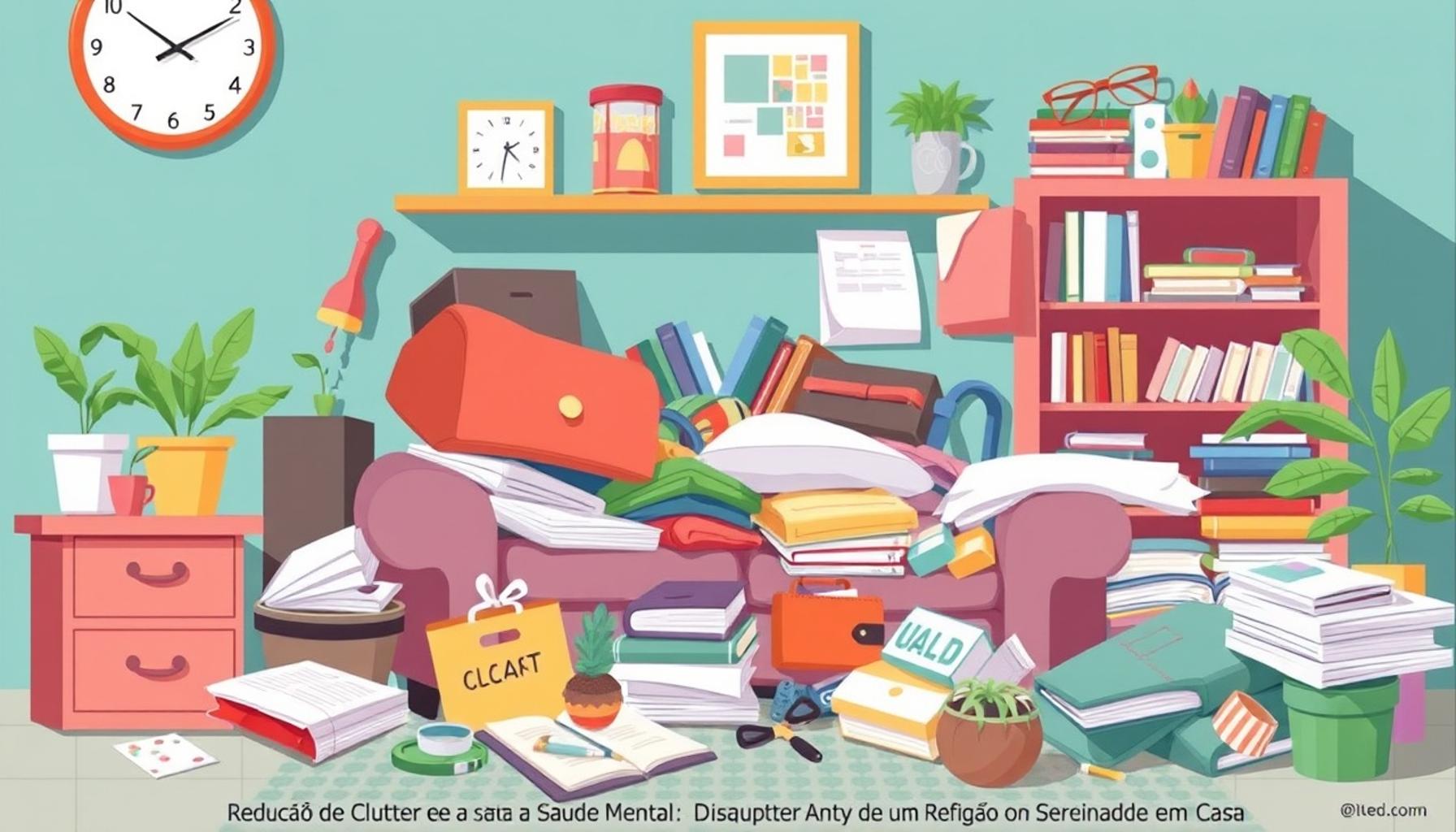
Embracing Simplicity for a Peaceful Mind
In today’s fast-paced world, mental health often takes a backseat to the noise of daily life. The chaotic environment we inhabit, both at work and home, can greatly influence our emotional well-being. However, many are beginning to recognize that reducing clutter can lead to significant improvements in mental clarity and overall health.
The Connection Between Clutter and Mental Health
A cluttered space can overwhelm the mind, leading to several psychological challenges. Research has shown that individuals living in messy environments often experience:
- Increased stress: The presence of disorder can keep anxiety levels high, as visual cues of unfinished tasks can be overwhelming and create a constant sense of pressure.
- Difficulty concentrating: Too many distractions hinder focus and productivity, making it hard to complete even simple tasks. Studies suggest that a disorganized space may create mental fatigue, leaving you feeling drained and unproductive.
- Lack of motivation: A disorganized area can dampen the desire to engage in activities, fostering a cycle of inertia that can be hard to break. This lack of inspiration often leads to procrastination.
These issues highlight the importance of creating a sanctuary at home—a place of tranquility amidst life’s chaos. A well-structured environment not only encourages relaxation but also supports a clearer and more positive mindset. When we eliminate the unnecessary, we make room for peace.
Benefits of a Clutter-Free Space
Embracing a minimalistic approach offers several advantages that are crucial for mental wellness. A clutter-free space can lead to:
- Improved mental clarity: A clean space fosters clearer thoughts and enhances creativity. With fewer distractions, the brain can focus better, allowing for more profound and effective thinking.
- Enhanced productivity: Organized environments promote efficiency by making it easier to find what you need. This streamlined workflow can lead to better time management and increased output in both personal and professional settings.
- Emotional balance: Reducing visual stimuli can lead to a more serene state of mind. This peace can be particularly beneficial in high-stress areas such as home offices where maintaining calm is essential to productivity.
By taking steps to reduce clutter, you can transform your home into a sanctuary of serenity that nurtures your mental health. Simple practices such as practicing the “one in, one out” rule—where you donate or discard one item for every new item you bring into your home—can create an environment conducive to peace. Additionally, regular decluttering sessions can establish a habit of simplicity, making it easier to maintain a serene space in the long run.
In conclusion, the journey toward a more minimalistic lifestyle can significantly impact mental well-being. By actively choosing to surround ourselves with tranquility instead of chaos, we not only enhance our environments but also improve our overall quality of life. Let’s explore practical strategies to achieve this goal together.
DISCOVER MORE: Click here for practical tips
Transforming Your Space for Mental Clarity
The quest for a clutter-free environment is not merely about aesthetics; it has profound implications for our mental health. As the walls of our homes witness the accumulation of belongings, they can become suffocating spaces that inhibit relaxation and mindfulness. Cultivating a serene haven requires intentional effort, yet the rewards are substantial. A sanctuary of serenity can be established by incorporating specific practices aimed at decluttering both physical and mental spaces.
Practical Strategies for Decluttering
To create an environment that supports your emotional well-being, you can adopt several actionable strategies. Consider these techniques that promote a peaceful ambiance:
- Set Clear Goals: Start by determining what you aim to achieve through decluttering. Are you seeking a specific area to prioritize, or do you want to tackle your entire home? Establishing clear objectives can guide your efforts and keep you motivated.
- Create Decluttering Zones: Instead of attempting to declutter your entire home in one go, divide your space into manageable zones. Focus on one area—like your kitchen, bedroom, or home office—at a time. This approach makes the task less overwhelming and allows for a sense of accomplishment as you complete each section.
- Implement the 30-Day Rule: If you haven’t used an item for 30 days, consider whether it deserves a place in your home. This guideline encourages critical evaluation of your belongings and can lead to significant reductions in clutter.
- Embrace Digital Decluttering: Don’t just focus on physical items; remember to manage digital clutter as well. Clear out unnecessary files, emails, and apps that consume mental bandwidth. A clean digital workspace can enhance productivity and contribute to a more peaceful mindset.
Incorporating these strategies into your routine can facilitate progress toward an organized and harmonious home. Research consistently underscores the mental health implications of a tidy space. For instance, a study published in the journal Psychological Science found that individuals with clutter-free homes reported lower levels of stress and greater life satisfaction. The correlation between a serene environment and psychological wellness is undeniable.
Creating Rituals Around Decluttering
Integrating rituals into the decluttering process can also enhance the experience. Making it a weekly habit, setting aside time on Sundays for cleaning or organizing, can transform decluttering from a mundane chore into a cherished routine. Consider involving family members or friends to foster a sense of community, making the process lighter and more enjoyable. This interaction not only encourages collaboration but reinforces the importance of a serene environment for mental health.
In summary, by actively engaging in the reduction of clutter, you can create a tranquil space that nurtures your mental well-being. The connection between a clean environment and mental clarity is a compelling reason to embark on this transformative journey. As you explore additional strategies for decluttering your home, remember that maintaining this sanctuary of serenity requires ongoing commitment and mindfulness.
| Advantage | Explanation |
|---|---|
| Enhanced Focus | Reducing clutter can sharpen one’s concentration, leading to improved productivity and mental clarity. |
| Stress Reduction | A neat environment lowers stress levels and promotes a tranquil atmosphere, crucial for mental well-being. |
| Improved Mood | A serene home environment can elevate mood and foster feelings of happiness and contentment. |
| Promotes Mindfulness | Embracing minimalism encourages being present in the moment, enhancing mindfulness practices. |
The concept of a clutter-free environment goes beyond mere aesthetics; it directly influences mental health and emotional stability. By minimizing distractions, individuals can focus better on tasks, ultimately leading to significant productivity gains in their daily lives. Furthermore, the consistent presence of clutter can induce feelings of anxiety and chaos. However, by creating a organized space, one can greatly alleviate these stressors.Scientific research supports the idea that serene surroundings can significantly uplift one’s mood. A tidier home not only looks appealing but can serve as a catalyst for positivity and emotional balance. Additionally, adopting a minimalist lifestyle promotes mindfulness, urging individuals to appreciate their surroundings and live in the present moment.In an age of overstimulation, creating a sanctuary of serenity within your home may just be the key to unlocking improved mental health.
DIVE DEEPER: Click here to discover minimalist strategies that boost productivity
The Emotional Benefits of a Clutter-Free Environment
The impact of clutter extends far beyond our physical spaces; it actively shapes our emotional landscape. Several studies have highlighted the relationship between environmental organization and psychological well-being. In a survey conducted by the National Association of Professional Organizers, 84% of participants reported feeling less stressed when their living spaces were organized. This statistic illuminates the immediate emotional relief that can accompany the reduction of clutter.
Understanding the Psychological Effects of Clutter
Clutter acts as a visual distraction, demanding our attention and draining our cognitive resources. When surrounded by disarray, individuals may experience heightened anxiety, overwhelm, and even depression. This clutter-induced stress can hinder daily functioning, making it difficult to focus on tasks or engage in meaningful activities. A clean and organized home, conversely, can foster a sense of calm and control.
A relevant study published in the journal Environment and Behavior found that participants in minimally cluttered environments recorded lower stress levels and improved focus as compared to their cluttered counterparts. This research underscores the importance of transforming our homes into comforting sanctuaries, capable of rejuvenating our minds and spirits.
Incorporating Minimalism for Mental Clarity
Minimalism, the practice of intentionally living with less, has gained momentum as a beneficial lifestyle for mental health. Embracing minimalism can lead to profound shifts in perspective, encouraging individuals to prioritize experiences over possessions. This mindset allows for a more expressive and fulfilling life, focusing on what truly matters.
Moreover, experts suggest that adopting a minimalist philosophy can significantly reduce decision fatigue. When faced with an abundance of choices, our cognitive abilities can become taxed, leading to unnecessary stress. By simplifying our environments, we make clearer choices with more mental clarity.
For many, adopting minimalism involves letting go of items that no longer serve a purpose or bring joy. The KonMari Method, for instance, encourages individuals to evaluate their belongings based on the joy they evoke. This process not only clears clutter but creates an emotional connection with what remains, fostering a deeper appreciation for one’s living space.
Establishing Mindful Spaces
As we declutter and reduce excess, it becomes equally important to create mindful spaces within our homes. Designate areas for relaxation, creativity, or meditation, free from distractions. These zones can facilitate mindfulness practices such as yoga, meditation, or even simple breathing exercises. Research indicates that mindfulness and meditation can significantly reduce stress, promoting emotional resilience and overall well-being.
Additionally, incorporating elements of nature, such as plants or natural light, can enhance the tranquility of your home. A 2016 study published in the journal Health & Place found that exposure to plants can lower stress levels and improve mood. By harmonizing the indoor environment with nature, individuals can create invigorating spaces that nurture mental health and serenity.
Ultimately, the journey toward a sanctuary of serenity is not solely about tidiness; it’s about cultivating spaces that heal and inspire. As you continue decluttering your home, recognize the emotional transformations that accompany the creation of a peaceful haven for both mind and body.
DISCOVER MORE: Click here for practical tips on decluttering your space
Creating Your Personal Sanctuary
In conclusion, the reduction of clutter plays a transformative role not only in our physical spaces but also in our mental health. By embracing an organized and minimalist lifestyle, we pave the way for emotional clarity, reduced stress, and enhanced well-being. The profound connection between our environment and mental health suggests that a serene living space is not merely a luxury but a necessity for maintaining psychological resilience.
As we’ve explored, adopting practices such as the KonMari Method can serve as powerful tools for decluttering, enabling us to retain only the possessions that spark joy and serve a purpose in our lives. Furthermore, creating designated mindful spaces encourages mental rejuvenation and can facilitate powerful mindfulness practices, from yoga to meditation. These spaces allow us to escape the chaos of daily life, gifting us with serenity and focus.
Finally, it’s essential to remember the role nature plays in enhancing our home environments. Incorporating elements like plants and natural light can significantly uplift our mood, contributing to a holistic sense of wellness. As we embark on this journey toward creating a sanctuary of serenity at home, we take a crucial step towards nurturing our mental health. Cultivating a peaceful haven not only enhances our daily quality of life but also strengthens our emotional resilience in the face of life’s challenges.
Take the first step today: declutter not just for the sake of order, but for a brighter, more stable mind. Remember, with each item removed, you can breathe easier and create space for joy, creativity, and peace.