The Vibrancy of Sports Culture Across North America
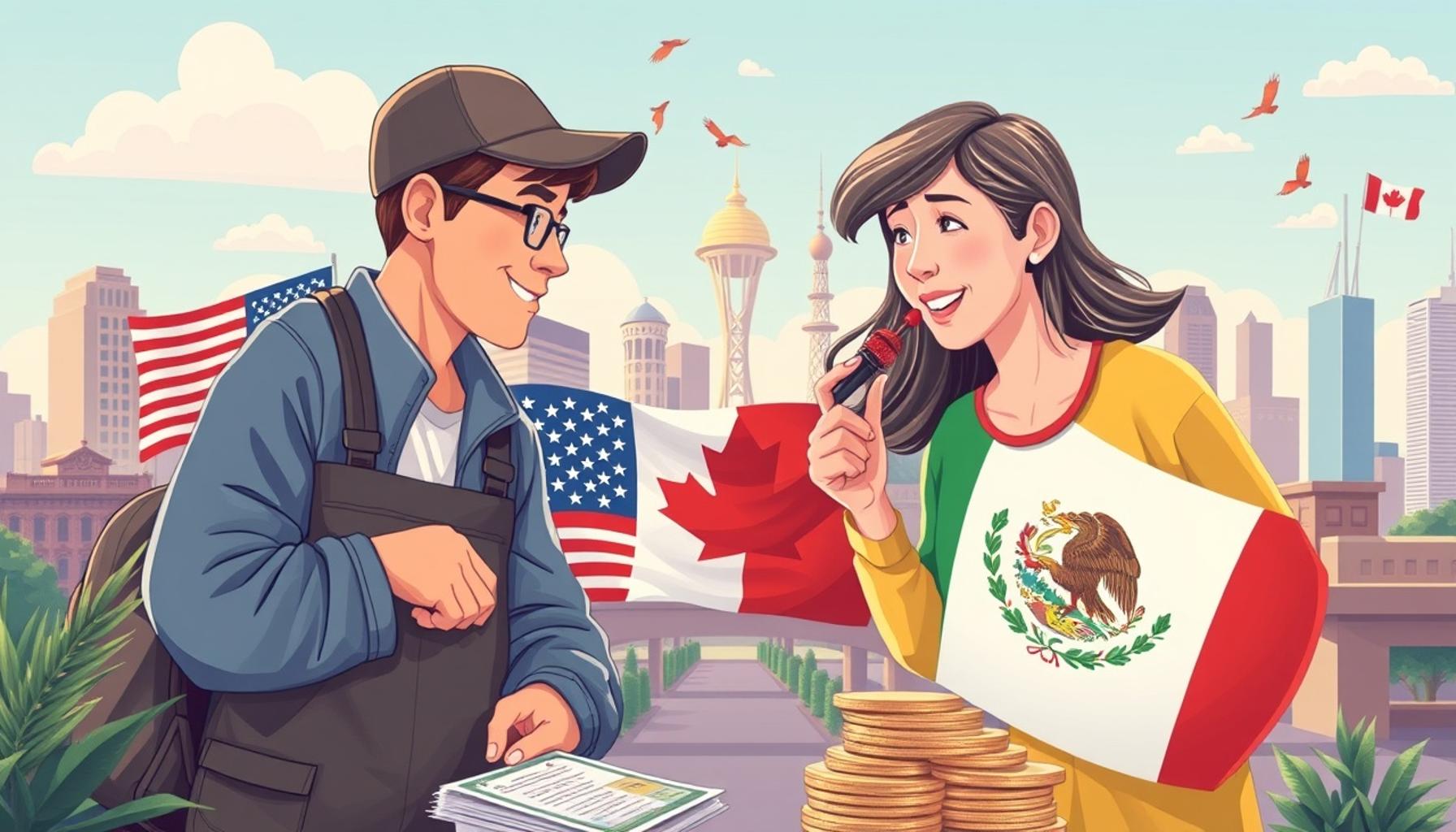
The energy and fervor found in sports arenas across North America illuminate a rich tapestry of cultural identities that draw fans together. Each city’s sports events encapsulate its unique traditions and community spirit, creating an exhilarating atmosphere that captivates attendees. Whether you find yourself in the bustling streets of a U.S. city, the snow-draped arenas of Canada, or the lively stadiums of Mexico, a game day provides a sensory feast like no other.
A Closer Look at Fan Experiences
Diving into the specific ways in which fans immerse themselves in sporting celebrations offers a glimpse into regional characteristics:
- USA: Picture the scene at an NFL game, where thousands of fans gather hours before kickoff for a lively tradition known as tailgating. Grills sizzle, music blares, and rivalries are passionately expressed in the colors and jerseys worn by the attendees. The atmosphere intensifies as game time approaches, with an electrifying buzz filling the air. Similarly, in basketball arenas, the thumping of sneakers and the roar of the crowd during a slam dunk creates an unmatchable energy. Events such as the Super Bowl transcend sports, becoming a national celebration featuring blockbuster ads and extravagant halftime shows.
- Canada: In Canada, the love for hockey is palpable, with cities such as Montreal and Toronto home to some of the most dedicated fans in the world. A trip to a Montreal Canadiens game showcases fan loyalty, where supporters often paint their faces and don team paraphernalia. The iconic ‘O Canada’ reverberates throughout the arena when sung in unison before games, fostering a sense of national pride that permeates the sport. The bond between players and fans is strong, with many attending multiple games a week during the season, showcasing their unwavering support through every win and loss.
- Mexico: Football (soccer) holds a hallowed place in Mexican culture, and match days are vibrant spectacles filled with fervent enthusiasm. In stadiums like Estadio Azteca, the sight of supporters waving large flags while incorporating traditional chants creates an immersive cultural experience. Fans transform stadiums into colorful arenas, embodying national pride and camaraderie. The ‘La Ola’ wave, a collective show of unity among fans, can be witnessed, furthering the sense of community. The food stalls serve local delicacies such as tacos and elotes, enhancing the festive atmosphere.
In each location, the unique mix of stadium atmosphere, fan engagement, and cultural influences enrich the overall experience, creating memorable moments for those present. Beyond the competition, game days symbolize a celebration of local identity and pride.
As we explore these fascinating differences, you are invited to witness how every cheer and recorded play encapsulates delightful stories, showcasing diversity in fandom across North America. With each game, communities grow closer, creating lasting friendships bonded over shared experiences.
Immersive Experiences: USA vs. Canada vs. Mexico
The thrill of attending a live sports event is universal, yet the fan experience in host cities across the USA, Canada, and Mexico showcases distinct cultural nuances that shape how audiences engage with their favorite teams. Understanding these differences not only enhances appreciation for the sports themselves but also enriches the celebration of local customs and communal ties.
Unique Traditions and Rituals
Across North America, unique practices emerge that define the game day experience:
- USA: Spectators in the United States have cultivated robust traditions that extend beyond the stadium walls. Tailgating remains a highlight, especially in the NFL, where fans gather hours before the game, setting up elaborate spreads of food and drink. Rivalries are palpable as chants and banter fill the parking lots, setting the stage for the excitement inside the arena. For basketball fans, the atmosphere in arenas like the Barclays Center during an NBA game pulsates with fervor; the sound of sneakers on hardwood floors combines with the roar of the crowd, amplifying the tension during critical plays. Special events like the Super Bowl transform into massive cultural festivities, drawing audiences not just for the game but also for the halftime shows and commercials that captivate the nation.
- Canada: In Canada, attending a hockey game is akin to participating in a rite of passage. The support for teams like the Toronto Maple Leafs or the Edmonton Oilers is unwavering, and the energy within the arenas is electric. Pre-gaming activities often include wearing team jerseys, as Canadian fans unite in spirit, leading to an incredible collective experience. The iconic moment of singing ‘O Canada’ before games serves as not only a rallying cry for fans but also a demonstration of national pride that resonates deeply within the icy confines of arenas. In cities such as Vancouver and Ottawa, the strong sense of community and loyalty to local teams often foster relationships among fans themselves, creating social networks that thrive long after the final buzzer.
- Mexico: In Mexico, football reigns supreme, eclipsing nearly all other sports in terms of fan passion and cultural significance. The experience of attending a match at venues like Estadio Azteca immerses fans in a cacophony of color and sound. Supporters are known for their elaborate choreographies and synchronized chants, which transform the stadium into a vibrant spectacle. From the moment fans arrive, they are enveloped in a carnival-like atmosphere that celebrates not just the sport but also the rich culinary culture, with food stalls offering everything from tacos to elotes. As fans partake in the tradition of the ‘La Ola’ wave, a sense of community sweeps through the crowd, uniting attendees in the fervor of the game.
By delving into these traditions and rituals, one can observe that while the core excitement of sports is a common denominator, the expression of fandom varies markedly in different regions. Whether it’s the pre-game festivities in the USA, the heartfelt cheers in Canada, or the celebratory atmosphere in Mexico, each fan experience offers a unique lens into the cultural fabric of its host city. This diversity undoubtedly enriches the sporting landscape across North America, inviting fans to come together in shared celebration, irrespective of their geographical roots.
Comparison of Fan Experiences in Host Cities: USA, Canada, and Mexico
When it comes to hosting major sporting events, the experience of fans can vary dramatically based on location. The United States, Canada, and Mexico each offer unique atmospheres, cultural engagement, and facilities, influencing how fans enjoy events. Below, we delve into various aspects that characterize the fan experience in these three diverse host cities.
| Category | Key Features |
|---|---|
| Atmosphere | Stadium designs in the USA are larger and often feature state-of-the-art technology. In contrast, venues in Canada offer a friendly and cozy vibe, while Mexico presents a carnival-like atmosphere filled with vibrant traditions and local cuisine. |
| Cultural Engagement | In the USA, fan zones often include interactive experiences and merchandise stands. Canada provides opportunities to engage with local artists and cultural showcases, while Mexico immerses fans in music and dance performances, creating a unique cultural bridge. |
Each country’s approach to fan engagement leaves a mark on how passionate supporters experience events. Overall, understanding these differences adds depth to the overall appreciation of the world of sports and provides essential insights into how host cities cater to their vibrant fan bases. As cities continue to evolve and adapt their offerings, it sparks excitement for future competitions.
Stadium Accessibility and Transportation
Transportation systems vary significantly across these countries. In the USA, fans often experience extensive public transit options, but challenges with congestion aren’t uncommon. Conversely, Canada emphasizes ease of access, with more user-friendly transit networks designed to accommodate large crowds. Meanwhile, Mexico presents a unique scenario where some venues are accessible via vibrant local taxi services and ride-sharing options, creating a rich tapestry of urban mobility.
Fan experiences are not just defined by the events themselves, but also how cities facilitate movement and interaction. These elements play a pivotal role in shaping overall enthusiasm and engagement during sporting festivities.
Merchandise and Local Cuisine
Apart from the thrill of the event, fans come for the local flavor—both figuratively and literally. The USA is known for its extensive range of official merchandise, catering to diverse tastes. Canada, however, excels in offering local delicacies at stadiums, turning sport into a culinary adventure. On the other hand, Mexico’s vibrant street food scene runs alongside its sports events, enriching the experience and providing authentic cultural experiences.
This celebration of local culture invites newcomers and seasoned fans alike to delve deeper into the traditions of each host city, fostering a greater connection to the event and its associated community. By exploring these unique aspects, fans can navigate the sporting landscape with a fresh perspective.
Cultural Connections: The Role of Community in Fan Experiences
The fan experience extends beyond the game itself, deeply intertwined with local culture and communal identity in the host cities. The way communities rally around their teams is a testament to pride and solidarity, forming connections that often transcend mere sports enthusiasm. In the USA, Canada, and Mexico, the engagement of fans reflects local characteristics and contributes to a multifaceted understanding of sporting events.
Community Engagement and Local Pride
In the United States, professional sports have emerged as significant community pillars. Fans often express their loyalty not just through attendance but by actively participating in local initiatives associated with their teams. The impact of leagues like the NFL and NBA on their respective cities is palpable, as teams engage in charity events and community outreach programs. For instance, many teams partner with schools and local governments to promote youth sports and healthy living, creating an intrinsic bond with the community. This connection not only enhances the fan experience but also instills a sense of pride in the local populace.
Moreover, the atmosphere during playoff seasons captures this dynamic vividly. The excitement in cities like Boston, Chicago, or New York becomes palpable, as communities unite in support of their teams, showcasing a collective spirit that resonates through gathering places like bars, restaurants, and homes. Unique local rivalries further intensify this engagement, as the identity of the community often aligns with its team’s success and failures, creating a narrative that goes beyond the field of play.
In Canada, the loyalty towards hockey reflects a similar intensity, albeit with a stronger infusion of national identity. Cities like Montreal and Toronto become vibrant hubs of communal enjoyment during the NHL season. The experience of watching a game at home often involves potluck dinners or gatherings that amplify fan rituals. Notably, initiatives such as ‘Hockey Day in Canada’ unite cities across the nation in festivities celebrating the sport and cultivating community spirit. Such events highlight the passion for ice hockey and the shared experiences that foster deeper connections among fans.
Within Mexico, the cultural fabric of football creates an engaging atmosphere that melds familial bonds with community solidarity. Matches serve as grand social events where interactions extend beyond the confines of the stadium. Local markets bustling with vendors selling jerseys, snacks, and memorabilia symbolize how football seamlessly intertwines with community life. When teams like Club América or Chivas play, the cities become alive with festivities, where fans not only don their colors but also participate in local traditions such as post-game celebrations that can last late into the night, showcasing the enduring spirit of unity.
Crossover Events and Festivals
Furthermore, crossover events where different sports collide present exciting opportunities for fan engagement. In the USA, events like the annual NBA All-Star Weekend or the MLB All-Star Game bring together fans from various backgrounds, creating an atmosphere rich in diversity. Not only do these events showcase elite performances, but they also serve as cultural touchstones that allow for greater community involvement across different sports enthusiasts.
In Canada, festivals such as the Toronto International Film Festival often partner with local hockey games, intertwining cultural experiences. This provides fans with a chance to celebrate their love of sports alongside arts and culture, creating a platform for broader community interaction.
Similarly, in Mexico, events like the Guadalajara International Book Fair coincide with football matches, reflecting the hybrid nature of cultural expressions that transcend sporting events. Here, traditional festivities and passionate football rivalries coalesce, fostering a vibrant community environment that invites everyone to partake in the excitement.
In sum, while the basic structures of attending a game might be reminiscent across these countries, the value of community ties and cultural engagement amplifies the fan experience. The fostering of camaraderie—whether through shared rivalries in the American heartland, nostalgic hockey memories in Canadian rinks, or spirited football gatherings in Mexican neighborhoods—makes each experience uniquely enriching and collectively significant.
Conclusion: A Tapestry of Fan Experiences Across Borders
The comparison of fan experiences in host cities across the USA, Canada, and Mexico reveals a rich tapestry of cultural heritage and community engagement deeply woven into the fabric of each nation’s sporting events. While the foundational elements of the fan experience may be similar—cheering for a beloved team, gathering with others, celebrating victories, and mourning losses—the nuances of how these experiences manifest in each country paint a distinct picture.
In the United States, the pride of local communities is palpable through initiatives that foster goodwill and unity. Americans celebrate not only their teams but also their cities, using sports as a platform for social connection and community development. Canada showcases its unique blend of national identity and fan loyalty through hockey, where local traditions enhance the viewing experience, making it a shared passion that resonates across the nation. Meanwhile, in Mexico, football is more than just a game; it is an exhilarating social phenomenon that binds families and neighborhoods in festive camaraderie, where the essence of community is intertwined with local culture.
As we examine crossover events and festivals that bridge multiple sports and cultural themes, it becomes evident that these nations are not merely competing; they are collaborating in creating vibrant experiences for fans. Ultimately, the intricate connections between sports, culture, and community—whether through NFL games in New York, NHL matchdays in Toronto, or Liga MX celebrations in Guadalajara—demonstrate the universal joy that fandom brings. By exploring these diverse landscapes of fan experiences, we gain a greater appreciation for the ways sports can transcend borders and foster unity.