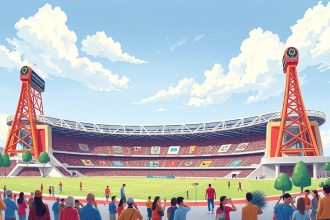

Architectural Innovations on Display
The upcoming 2026 World Cup is not just a tournament for football enthusiasts; it is also a significant opportunity for architects and city planners to showcase new innovations. The tournament will take place across multiple cities in the United States, and each venue is poised to redefine how sports arenas function and feel. This blend of sport and technology will elevate the spectator experience to unimaginable levels.
Smart Technology Integration
At the forefront of this transformation is the integration of smart technology. Stadiums will feature high-speed Wi-Fi, mobile apps for instant access to event information, and enhanced connectivity options that allow fans to interact with their environment in real time. For instance, fans might find personalized content and notifications on their devices, such as recommendations for concessions or alerts about game highlights. Additionally, features like augmented reality kiosks could further engage fans, allowing them to view player stats or even historic moments from the match right from their seats.
Sustainable Design Practices
Another critical aspect of the 2026 World Cup stadiums is the commitment to sustainable design. Many of the new structures will utilize eco-friendly materials and state-of-the-art technologies designed to minimize their carbon footprint. Solar panels, green roofs, and rainwater harvesting systems will be incorporated to reduce energy consumption and promote environmental responsibility. For example, the Los Angeles stadium is designed to harness abundant sunlight, promising an energy-efficient solution while also providing shaded areas for fans during daytime events. Such initiatives reflect a growing awareness of environmental challenges facing modern architecture.
Flexible Seating Arrangements
The concept of flexible seating arrangements demonstrates another innovative approach. The ability to reconfigure seating layouts will enable these venues to host a variety of events, from concerts to community gatherings, beyond just football games. Stadium designs that allow for modular seating can maximize attendance for different types of events while ensuring that the fan experience remains optimal. For instance, some stadiums are exploring collapsible seating that can be retracted or expanded based on specific needs, ensuring versatility and efficient space utilization.
Local Culture and Unique Features
As these stadiums rise across cities like New York, Los Angeles, and Atlanta, each venue will not only incorporate cutting-edge technology but also local cultural elements. This might include murals by local artists, food offerings that highlight regional specialties, or architecture that mirrors the city’s history. Such features serve to engage the local community and create a sense of pride among residents. For instance, Atlanta’s stadium may feature interactive displays that educate the audience about the city’s rich sports heritage, deepening the connection fans have to the venue.
With the convergence of these architectural advancements, the 2026 World Cup promises to usher in a new era of sports stadiums. Not only will this tournament be a feast for football fans, but it will also serve as a landmark moment in architectural innovation and sustainable design. The insights gained from this event could influence stadium design for years to come, inspiring future projects around the globe. Join us on this exploration as we unravel the groundbreaking developments reimagining the fan and player experience in the world of sports.
Transforming Fan Engagement
As the world looks to the 2026 World Cup, the architectural innovations permeating the stadium designs are set to dramatically enhance fan engagement. Traditional sports venues are being reimagined to create immersive and interactive experiences, where every seat offers a unique perspective, and every visit promises something novel. One of the most exciting elements of this evolution is the move towards multi-sensory experiences that go beyond the visual aspects of sporting events.
Interactive Fan Experience Zones
Stadiums will include interactive fan experience zones designed to captivate audiences both before and after the main events. These zones will feature virtual reality stations, where fans can participate in simulated games or relive memorable World Cup moments. For instance, a dedicated area may be equipped with VR headsets, enabling fans to experience a penalty kick from a player’s viewpoint or relive iconic matches like the 1999 Women’s World Cup final. Additionally, these zones will often host interactive exhibits that allow fans to learn about the history and significance of the tournament through engaging displays and hands-on activities.
Enhanced Accessibility Features
Moreover, a keen focus on accessibility will be apparent in the new stadium designs, ensuring that every fan, regardless of their physical abilities, can participate fully in the festivities. Accessibility features such as wider seating aisles, companion seating with unobstructed views, and dedicated sensory-friendly areas for individuals with noise sensitivities will be prevalent throughout. Stadiums like the one proposed for New York have plans for easy navigation routes with clear signage in multiple languages and visual formats, allowing fans greater independence and comfort.
World-Class Hospitality Services
Acknowledging that a World Cup event is more than just a game on the field, stadiums are also integrating world-class hospitality services. Expect to see a diverse range of gourmet food options, featuring local cuisine, craft beers, and various dietary accommodations such as vegan and gluten-free offerings. Some venues will provide seating areas equipped with USB charging stations and lounges that resemble upscale restaurants, creating a unique intersection between sports and hospitality. The aim is to ensure that the culinary experiences enhance the overall atmosphere, making every visit memorable.
Community-Centric Initiatives
Besides focusing on fan experience and accessibility, innovative stadium designs will emphasize community-centric initiatives. Many stadiums will host events that bring together local residents, like festivals or sports clinics, promoting engagement beyond the World Cup. For example, venues in cities such as Dallas and San Francisco plan to feature community gardens alongside pop-up markets, showcasing local artisans and businesses. This integration builds a sense of ownership among residents, transforming stadiums into vibrant hubs of activity long after the final whistle blows.
As we delve deeper into the architectural landscape of the 2026 World Cup stadiums, it becomes evident that these spaces are not merely venues for sporting events. They are evolving into holistic environments that embrace innovation, sustainability, and community spirit, promising to redefine our understanding of stadium architecture and fan experiences.
Exploring the Sustainability Features of the 2026 World Cup Stadiums
The 2026 World Cup is expected to showcase innovative architectural designs that significantly prioritize sustainability. One of the primary aspects revolutionizing these stadiums is their energy efficiency. These structures incorporate cutting-edge technologies like solar panels and advanced insulation materials, drastically reducing their carbon footprint. As nations emphasize greener practices, the designs emphasize natural ventilation and efficient water management systems, benefiting both the environment and the user experience.Moreover, many of the stadiums are being developed with adaptability in mind. This adaptability ensures that the venues can be repurposed for various community and cultural events after the World Cup, preventing them from becoming costly white elephants. Enhanced seating configurations and modular designs allow these stadiums to transform based on specific event requirements. Stakeholders are aiming for LEED certification, which stands for Leadership in Energy and Environmental Design. It assures that these venues not only meet but exceed industry standards for sustainable practice. This commitment to sustainability not only enhances the global image of the hosting cities but also attracts future tournaments and major events.As we delve deeper into the architectural innovations, the integration of smart technology emerges as a game changer. From real-time crowd management systems to advanced security protocols, technology is not only enriching the spectator experience but is also essential for operational efficiency.
Architectural Aesthetics and Cultural Significance
Another compelling angle of the architectural innovations is the incorporation of local culture and aesthetics into the design. Each stadium will reflect the identity, heritage, and diversity of the regions they represent. Designers are collaborating with local artists to ensure that the structures are more than just functional; they are also artistic expressions that tell the stories of the communities.These architectural masterpieces will be designed to be visually stunning, featuring unique facades and innovative uses of materials that blend harmoniously with their surroundings. The significance extends beyond mere appearance; these designs aim to instill pride among locals and inspire the next generation of architects.In conclusion, the 2026 World Cup stadiums are positioned to be monumental not just in capacity but in advancing sustainable, adaptable, and culturally significant architecture. As the event approaches, the architectural landscape continues to evolve, setting new benchmarks in both design and functionality. The anticipation surrounding these innovations not only serves the World Cup but promises enduring legacies that benefit communities long after the final whistle is blown.
Sustainability as a Core Principle
Another critical aspect of the architectural innovations seen in the 2026 World Cup stadiums revolves around sustainability. As the global community increasingly recognizes the importance of environmental consciousness, architects and designers are committed to creating stadiums that not only cater to sports but also set benchmarks in eco-friendly construction. This forward-thinking approach aims to minimize the carbon footprint and promote sustainability throughout the lifecycle of these venues.
Energy-Efficient Designs
Stadiums will adopt energy-efficient designs that integrate renewable energy sources, such as solar panels and wind turbines. The ambitious stadium project in Los Angeles, for example, has plans to harness sunlight to power essential systems, significantly reducing reliance on non-renewable energy. Innovative building materials with high thermal efficiency will also be used, ensuring that less energy is consumed for heating or cooling the stadiums. Furthermore, advanced HVAC systems will help to optimize air circulation while minimizing energy waste.
Water Conservation and Management
In addition to energy efficiency, water conservation will be a focal point of the stadium designs. Many of the venues are set to implement rainwater harvesting systems that collect and reuse rainwater for irrigation and facility needs. The venue in Miami, for example, will feature a series of permeable pavements that allow rainwater to infiltrate the ground, reducing runoff and promoting groundwater recharge. The integration of smart irrigation systems will also ensure that only the necessary amount of water is used for landscaping, demonstrating a mindful approach to resource management.
Smart Technologies for Operational Efficiency
Cutting-edge smart technologies will be pivotal in stadium operations, enhancing efficiency and convenience for both fans and management. The incorporation of IoT (Internet of Things) devices will enable real-time monitoring of various facilities, from crowd control to energy usage. For instance, enhanced crowd management technology can use real-time data to optimize traffic flow, guiding attendees to their seats and concessions without overwhelming particular sections. Furthermore, intelligent lighting systems can adjust brightness according to natural light and occupancy levels, saving energy while creating an inviting atmosphere.
Green Certification Standards
Several of the new stadiums are expected to achieve green certification from organizations such as LEED (Leadership in Energy and Environmental Design). This certification signifies adherence to stringent environmental standards, ranging from construction practices to operational efficiencies. The stadium under development in Philadelphia, for instance, is striving for a LEED Platinum certification, which would showcase its commitment to championing sustainable practices in architecture and event management. Achieving such certifications not only aids in environmental conservation but also enhances the overall reputation of the venues among eco-conscious fans and visitors.
As the excitement grows for the 2026 World Cup, the innovative architectural designs reflecting sustainability and smart technologies emphasize a collective commitment to a brighter, greener future in sports architecture. These advancements promise to redefine the very idea of what stadiums can be, transforming them into sustainable landmarks serving their communities well beyond the tournament.
Redefining Sports Architecture
In conclusion, the 2026 World Cup stadiums represent a remarkable fusion of innovation, sustainability, and technology that not only aims to enhance the viewing experience but also addresses critical environmental issues. The architectural advancements showcased in these venues are set to become international models for future sports facilities, paving the way for a new era of stadium design.
As these structures incorporate energy-efficient designs and implement pioneering water conservation methods, they signify a shift towards eco-friendly practices that prioritize ecological responsibility. Furthermore, the use of smart technologies in stadium operations allows for improved fan engagement and operational efficiencies, ensuring a modernized experience for all attendees. Gaining green certification is testament to the commitment of architects and planners to not only create state-of-the-art facilities but to do so by adhering to high environmental standards, which can encourage a broader cultural shift towards sustainability in sports.
The 2026 World Cup is more than just a global sports event; it is a catalyst for change within the architectural landscape, challenging future designers to continue innovating for better environmental outcomes. As we look ahead, the lessons learned and architectural innovations from these stadiums will undoubtedly influence not only the sports industry but also urban development and community planning in the years to come. For those intrigued by the intersection of architecture and sustainability, delving deeper into this evolution offers a unique glimpse into the future of public spaces.