
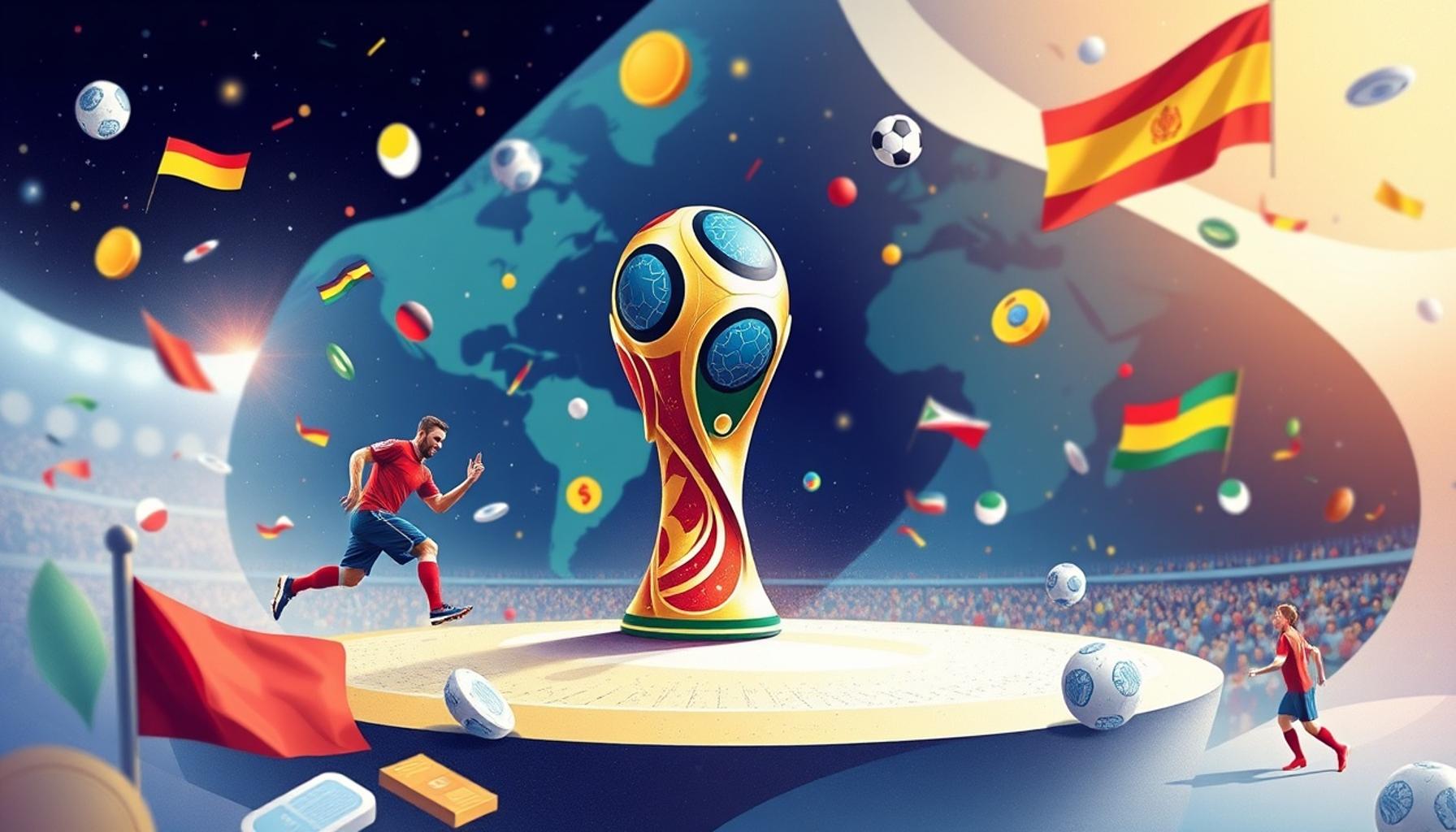
Anticipating Change in the World Cup
The World Cup, a cornerstone of international football, is poised for a groundbreaking transformation. With the upcoming tournament, the number of participating teams will leap from 32 to an extraordinary 48. This change not only marks a significant evolution in the competition’s framework but also sets the stage for a wave of opportunities and unforeseen challenges.
Throughout its history, the World Cup has served as a showcase for the world’s best football talent, uniting nations through sport. The planned expansion brings several promising implications that could fundamentally alter the tournament’s dynamics:
- More Diversity: The increased number of teams opens the door for nations that have traditionally been underrepresented, such as those from Africa and Asia, to make their debut. This showcases a broader spectrum of footballing cultures and styles, enriching the tournament’s global narrative.
- Increased Matches: Fans can anticipate a more robust schedule with a greater number of matches. This means more opportunities for thrilling moments and storylines, such as unexpected upsets or spectacular performances by lesser-known teams, making the tournament even more engaging.
- Rising Competition: Established football powerhouses, like Brazil, Germany, and Argentina, may find themselves facing contests with emerging teams that are eager to make their mark. This added competition could lead to more excitement, as traditional narratives of dominance are challenged.
As the countdown begins for the 2026 edition, which will see co-hosting duties shared by the United States, Canada, and Mexico, the stakes become even higher. This will be a historic iteration of the tournament, one that stirs curiosity regarding several pivotal questions:
- What will the qualification process look like for the new slots? More spaces may mean changes in qualification formats with potential ramifications for regional tournaments.
- How will this expansion influence fan engagement and sponsorship opportunities? More teams and matches could attract broader audiences and new corporate partnerships, leading to enhanced financial support.
- Will the quality of play be compromised with the addition of more teams, or will it elevate the overall prestige of the tournament? This debate is crucial as football enthusiasts aim to balance quantity with quality.
As we delve deeper into the implications of this historic change, it’s clear that the future of football is set to become even more dynamic and captivating. Fans, players, and stakeholders alike stand on the precipice of this transformation, ready to explore what the expanded World Cup will mean for the beautiful game. The stage is set for a new chapter in football history.
A New Era in World Cup Football
The decision to increase the number of teams participating in the World Cup from 32 to 48 heralds a new era in international football. As the first edition with this expanded format approaches in 2026, questions abound about the impact on the tournament’s structure and the experiences of teams, players, and fans alike. The expanded format not only serves to enhance the competitive landscape but also opens the door to numerous dimensions that warrant closer examination.
One of the most anticipated aspects of this expansion is the opportunity for new teams to grace the world stage. Historically, the World Cup has predominantly showcased teams from Europe and South America, with other regions often left on the sidelines. In the newly expanded format, the allocation of additional slots means that footballing nations from Africa, Asia, and even the Americas can participate—offering a chance to witness the talents and stories of lesser-known teams. This inclusivity aligns with FIFA’s commitment to grow the game globally and can create electrifying matchups, providing fans with fresh narratives.
Potential Changes to Qualification
The new format will unquestionably affect the qualification process for the tournament. Under the previous structure, regional confederations faced strict limitations on how many teams could qualify. However, with an additional 16 slots available, we can expect significant alterations. For instance:
- CONCACAF’s boost: The North American football confederation will see its representation increase, leading to more matches involving teams from the United States, Canada, and Mexico. This is likely to galvanize interest in local fan cultures and generate excitement around national pride.
- African representation: With Africa poised to receive an influx of World Cup spots, nations like Ghana and Senegal, which have shown potential in recent tournaments, could make memorable appearances that inspire the next generation of players.
- Qualification integrity: There are concerns about how an expanded field will affect the competitive integrity of regional tournaments; will smaller nations have a fair shot, or will stronger teams dominate the qualification rounds?
The excitement doesn’t stop there. The increased number of matches means fans can look forward to a tournament that transcends conventional timelines. Instead of an early, predictable exit for underdogs, this format allows for longer runs and the chance for surprising upsets that can define the journey of a tournament.
Financial Implications and Sponsorship Growth
Another dimension to keep an eye on is the financial landscape of the World Cup. With a greater number of matches comes an opportunity for enhanced monetization through ticket sales, merchandise, and broadcasting rights. The potential to draw in new corporate sponsors excited about reaching broader audiences could lead to an unprecedented boost in revenue for hosting nations and FIFA alike. The financial ecosystem surrounding the tournament may evolve significantly, leading to lasting benefits for football at large.
As the world gears up for this historic edition, the atmosphere is charged with anticipation. Fans, teams, and stakeholders are on the brink of experiencing a World Cup that promises to be more inclusive, dynamic, and thrilling than ever before. With every passing moment, the excitement swells as the stage prepares to showcase not just established powers but also emerging footballing nations ready to leave their mark on the game.
| Advantage | Explanation |
|---|---|
| Increased Global Representation | This expansion allows more countries to participate, providing opportunities for teams from regions that previously faced challenges to qualify, such as Africa and Asia. |
| Enhanced Competition | More teams mean heightened stakes in each match, leading to unexpected outcomes and more thrilling games. This unpredictability attracts larger audiences and keeps fans engaged. |
| Economic Growth | The tournament can drive tourism and local economies as more fans travel to support their teams, creating jobs and boosting local businesses. |
| Cultural Exchange | Fostering cultural understanding as diverse nations come together, promoting unity and collective celebration through the love of football. |
The first edition of the World Cup with an expanded number of teams opens doors to remarkable benefits. As nations unite on this global stage, the tournament promises to showcase unmatched talent, foster connections, and redefine the very essence of football. Fans can anticipate the thrill of uncharted territories, unknown players, and the unity of sporting spirit that transcends borders.
Increased Fan Engagement and Cultural Exchange
As the inaugural World Cup with an expanded number of teams approaches, an exciting dimension to consider is the potential for increased fan engagement. The World Cup has long been a global spectacle, yet with more nations participating, local fan cultures are set to enhance the festival atmosphere surrounding the event. Spectators from diverse backgrounds can gather, share, and celebrate their love for football, fostering a sense of community that transcends borders.
The presence of new footballing nations will undoubtedly encourage a broader range of cultural expressions during the tournament. From traditional celebrations to regional cuisines, the vibrant tapestry of global football culture will be on full display. For instance, fans from fan-favorite nations, like Brazil and Argentina, are known for their exuberant festivities—now imagine the additional flavor added by the unique cultures of teams like Qatar or Zambia entering the fray. Such cultural exchanges help enrich the overall tournament experience, allowing fans to appreciate the different identities that exist within the footballing world.
Challenges of Hosting More Teams
While the excitement surrounding the expanded format is palpable, it is essential to address some challenges of hosting more teams. With 48 teams participating, the logistical demands for the host countries—mainly the United States, Canada, and Mexico—have exponentially increased. These nations must ensure that stadiums, accommodations, and transportation infrastructure can effectively cater to the influx of fans. Furthermore, enhanced security measures may need to be put in place to ensure the safety of attendees, especially given the anticipated increase in crowds.
- Stadium readiness: Each host city will need to ensure that existing stadiums are equipped for the influx of visitors while developing plans for additional venues to meet the demands of an expanded tournament.
- Travel logistics: With matches spread across three countries, transportation options such as flights and accommodations must be streamlined. The potential for longer travel times between matches raises concerns about player fatigue and fan accessibility.
- Environmental impact: Hosting more matches in diverse locations may affect the local environment. Balancing sustainability with tourism growth will be a vital conversation as the tournament approaches.
Broadcasting Revolution and Digital Access
The expansion to 48 teams will also lead to a broadcasting revolution that could redefine how fans engage with the World Cup. As more matches are introduced, networks will scramble to secure rights to air games and provide coverage of the tournament. This is likely to result in a wider variety of viewing options, including enhanced digital platforms and streaming services catering to younger audiences.
The accessibility of matches will improve, allowing fans from all over the world, including those in the United States, to catch every moment of the action, regardless of time differences. Creatively engaging content such as virtual experiences, behind-the-scenes footage, and player interviews can deepen connections to the event, drawing in fans who may not have previously anticipated following lesser-known teams or matches.
As these changes unfold, it’s clear that the first edition of the World Cup with an expanded number of teams will revolutionize not only how football is played on the field but also how it is experienced off it. The anticipation surrounding this transformational event continues to grow, promising to shape the future of global football as we know it.
Conclusion: A New Era in World Football
The first edition of the World Cup with an expanded number of teams marks a historic milestone in the realm of international football. As we stand on the brink of this landmark tournament, it is evident that the expansion to 48 teams will usher in a wave of unprecedented opportunities for fan engagement and cultural exchange, bringing together nations from every corner of the globe. The vibrant diversity of new footballing nations will not only enhance the festive atmosphere but will also invite unique traditions and celebrations, enriching the overall experience for spectators and players alike.
However, alongside the excitement, we must acknowledge the logistical challenges that this ambitious format presents to host countries like the United States, Canada, and Mexico. With the demand for stadiums, accommodations, and transportation rising significantly, it will be crucial for these nations to rise to the occasion and ensure a seamless experience for millions of fans. As the tournament approaches, careful planning and innovation will be necessary to navigate environmental impacts and security measures, reinforcing that organizing a global event of this scale is no small feat.
Furthermore, the anticipated broadcasting revolution and the rise of digital access will redefine how fans consume and interact with the sport. From live streaming to interactive content, the World Cup will harness technology to foster deeper connections, creating a more inclusive atmosphere that engages audiences far beyond the traditional playing fields.
As we look forward to this groundbreaking event in football history, it’s clear that the expanded World Cup will not only transform the tournament itself but also shape the future of the beautiful game—celebrating the unity and passion that football inspires around the world.