
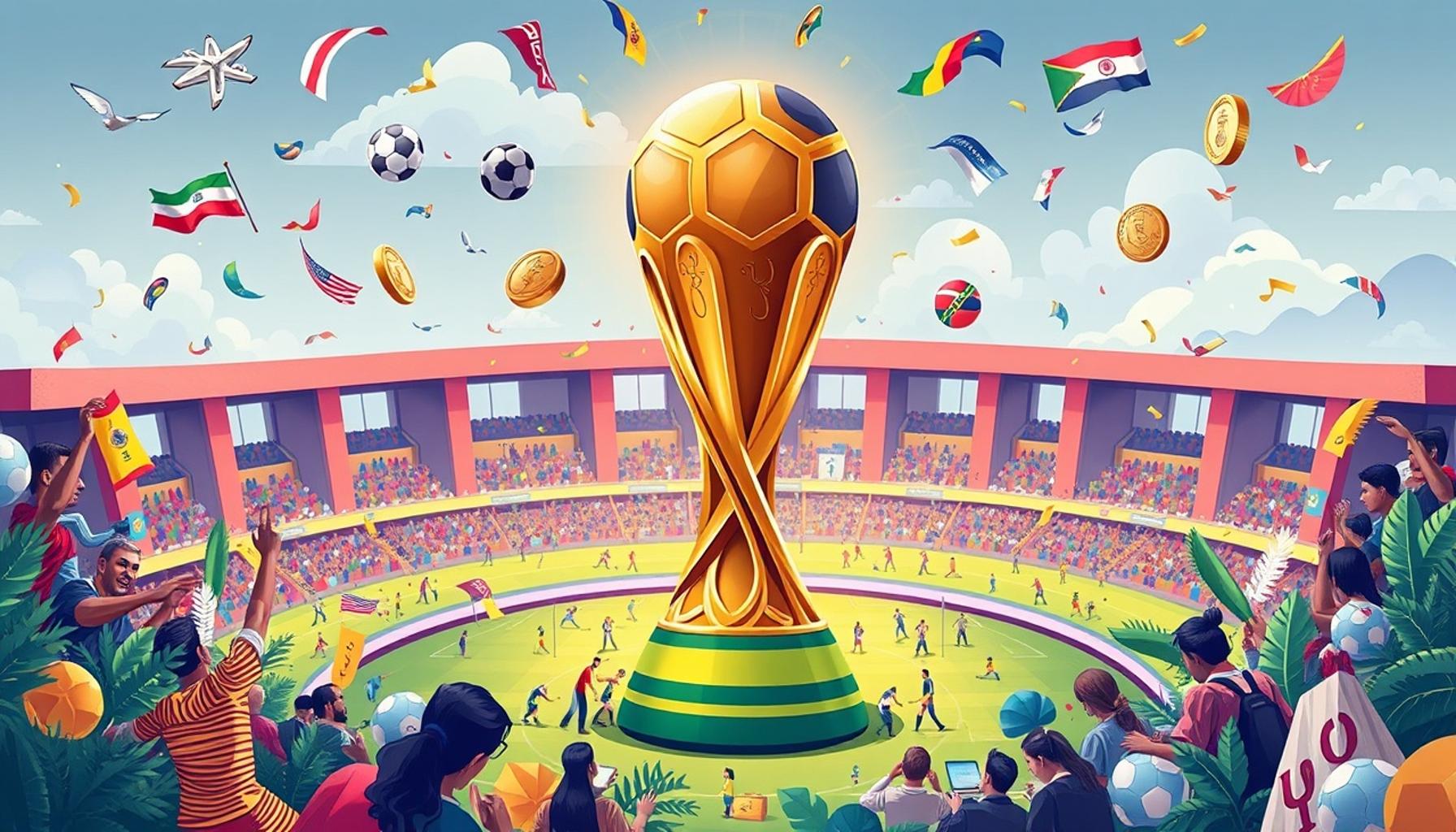
The Upcoming World Cup: A New Era
The upcoming World Cup is poised to be a transformative moment in international football history. As the tournament expands to 48 teams, it promises to reshape the competitive landscape, offering fans and players alike an exhilarating platform that underscores the global appeal of the sport. This historic change is not just about more teams; it’s about redefining what it means to succeed on the world stage.
One of the most significant implications of this expansion is the increased competition. With more teams participating, fans can expect a spectacular array of playing styles, tactics, and strategies. For instance, a variety of footballing philosophies will come into play—from the defensive solidity often seen in teams from Eastern Europe to the attacking flair and creativity characteristic of South American sides. This diversity will enhance each match, as teams will have to adapt to confront styles they might not frequently encounter.
Furthermore, the expansion allows for new participation. Teams that have historically been underrepresented—such as Qatar, who hosted the previous tournament and qualified for their first World Cup, or nations like Zambia and Armenia—now have a genuine opportunity to showcase their talent on a global stage. The inclusion of these countries adds not just depth to the tournament but stories of dreams fulfilled and aspirations realized. For instance, a team emerging from a small footballing nation could capture the tournament’s spirit, reminiscent of stories like that of Greece winning the UEFA Euro in 2004.
Another noteworthy aspect of the expansion is the extended tournament format. With more teams comes a greater number of matches, leading to a jam-packed schedule that fans will eagerly anticipate. This structure enhances the overall excitement, as it creates more knockout rounds, increased stakes, and dramatic moments that will keep viewers on the edge of their seats. Imagine the thrill of a last-minute goal in a sudden-death match—these moments will become more frequent as the tournament progresses.
As anticipation builds, it’s essential to examine how this expansion will affect not only traditional football powerhouses but also emerging nations. Will the likes of Brazil or Germany still dominate, or will the new structure allow for surprises and upsets? The answers may unfold throughout the tournament, as teams adapt and innovate within this new framework.
The journey to this landmark World Cup is just beginning, and the excitement is undeniably palpable. Fans not only in the United States but around the world are ready to experience a tournament that, with its expanded format, promises to be an unprecedented celebration of football. As the world gears up for a month of unforgettable matches, it’s clear that this World Cup will be remembered for both its historic expansion and the thrilling stories that emerge from it.
The Expansion: Opportunities and Challenges
The decision to expand the World Cup to 48 teams represents a watershed moment for FIFA and the global landscape of football. This change is poised to not only increase the number of participating nations but also invigorate the tournament with enhanced enthusiasm and accessibility. With this new format, football will reflect its growing popularity, allowing diverse styles of play and rich cultural narratives to come to the fore.
One of the immediate opportunities presented by this expansion is the potential to tap into new markets. Countries such as Iceland and Panama, which have made recent appearances on the international stage, can provide the tournament with compelling storylines. This draws millions of fans not only from their respective nations but also from regions that seek to identify with their underdog triumphs. When lesser-known teams compete, they inspire a sense of unity and passion that can pull in viewership in unexpected ways.
A More Inclusive Tournament
With the new format, more teams from a wide array of footballing backgrounds will take part, creating a rich tapestry of competition. Consider the following aspects that highlight how this format increases inclusivity:
- Increased Representation: The tournament will feature teams from several confederations, allowing nations that traditionally struggle to qualify to enjoy the thrill of participation.
- Enhanced Fan Engagement: More teams mean a broader fan base, raising interest not only in the tournament itself but also in the sport within these emerging nations.
- New Rivalries: The expansion could lead to unexpected matchups, generating rivalries that have yet to develop, and thereby enhancing the narrative of the tournament.
Of course, this expansion does not come without challenges. The added teams will require adjustments to existing tournament logistics, including scheduling and resource allocation. For instance, the tournament structure will need to accommodate a larger number of matches, which could stretch the capabilities of host cities and their infrastructure. Additionally, the footballing calendar may need to adapt, as the cumbersome nature of an expanded format could flout traditional scheduling norms, particularly for league play in Europe and other regions.
An Exciting Evolution of the Game
As the footballing world prepares for this unparalleled change, analysts are keen to explore how the tactical landscape might shift. Teams will have to devise strategies that account for lesser-known opponents with distinct styles of play. This could lead to more unpredictable outcomes, challenging conventional wisdom about which teams are favorites. The possibility of a stunning upset looms large, reminiscent of historic moments in the World Cup’s past.
In essence, this expansion to 48 teams marks not just a numerical change, but a pivotal evolution in how football is played and celebrated globally. The upcoming World Cup promises to be a platform for extraordinary stories, thrilling matches, and unforgettable experiences, solidifying its status as the pinnacle of international sports. As nations gear up for this new chapter, fans across the globe can look forward to an unprecedented festival of football like never before.
| Advantage | Explanation |
|---|---|
| Increased Competition | Expanding to 48 teams means more nations can participate, boosting the overall level of competition. |
| Global Representation | With more slots available, smaller footballing nations can showcase their talent on the world stage. |
| Fan Engagement | More teams mean an engaging experience for fans worldwide, allowing them to support their countries in a prestigious tournament. |
| Economic Impact | Host nations can expect a boost in tourism and infrastructure investment due to the increased scale of the tournament. |
The expansion of the World Cup to 48 teams not only highlights the inclusive nature of football but also serves to enhance the tournament’s appeal. This historic change is designed to ensure greater global representation, particularly from regions that have historically had limited opportunities. As this new format unfolds, fans are likely to see an exciting mix of established powers and emerging nations, adding to the rich tapestry of the Beautiful Game.
Transforming the Path to Glory
The transition to a 48-team World Cup is not merely about numbers; it signifies a deeper shift in how nations prepare for and envision their chances on the world stage. Traditionally, the challenging qualification process has deterred many emerging football nations, leaving them to watch from the sidelines as established powerhouses dominate the tournament. The expanded format aims to democratize this process, offering a pathway to glory for nations that, in the past, could only dream of competing in such a prestigious event.
Take, for instance, the case of smaller nations like Curacao or Malta, which have recently been making strides in international football. Their participation in the qualification rounds will likely inspire local talent and investment, leading to an increased growth of football infrastructure. As the tournament draws closer, youth programs, sponsorships, and local leagues in these nations will likely receive a boost, fostering a footballing culture that may have otherwise remained underdeveloped.
A New Competitive Landscape
Bringing 48 teams into the fold introduces a fascinating competitive dynamic, as teams will have the opportunity to adopt strategies unfamiliar to them. Here are some notable implications:
- Enhanced Skill Development: Teams from less traditional footballing nations will gain invaluable experience by competing against seasoned opponents, allowing them to refine their skills and tactics.
- Broader Tactical Approaches: The wider team representation can lead to diverse playing styles, as teams with different cultural approaches to the game share the field, enriching the tactical dialogue within the footballing community.
- Heightened Interest in Global Football: As these lesser-known teams make their mark, they can inspire cross-border support, resulting in a surge of interest in football across non-traditional markets.
This expansion is not merely conducive to the growth of smaller countries; it fundamentally alters the competitive hierarchy. Teams that previously found themselves outclassed have a chance to leave a mark on one of the most prestigious platforms in sports. For instance, underdog successes like Greece in 2004 and Portugal in 2016 show that tactical ingenuity can propel teams beyond conventional expectations.
Impact on Women’s Football
This expansion philosophy does not exist in a vacuum; it may have ripple effects on burgeoning sports as well, such as women’s football. As FIFA seeks to develop its programs across genders, successful initiatives, like the women’s World Cup, could also embrace similar expansions. Countries participating in the men’s tournament might parallel their efforts in enhancing their women’s leagues and national teams, furthering the global growth of football.
Furthermore, the 48-team format can serve as a catalyst for sponsorship growth and media rights opportunities, providing a financial boon for teams, leagues, and governing bodies worldwide. The economic impact is not to be underestimated, as networks battle for the broadcasting rights to showcase this rich assortment of talent during the World Cup, thus attracting even broader audiences.
In summary, the journey toward the expanded World Cup illustrates more than just the pursuit of victory; it signifies a commitment to a game that values opportunity, inclusivity, and global engagement. As countries rally their talents ahead of the tournament, spectators can anticipate a richer, more intense celebration of the sport that goes beyond traditional narratives.
Anticipating a New Era in World Football
The decision to expand the World Cup to 48 teams marks a pivotal moment in the history of international football. As nations gear up for their chance to compete on this unprecedented stage, the implications are far-reaching and transformative. This expansion is not just a numbers game; it heralds an era of inclusivity, where underdog teams can capture the imagination of fans around the globe. Countries like Curacao and Malta may find themselves with newfound opportunities, inspiring future generations to embrace football, thereby enhancing the sport’s grassroots development.
Moreover, the 48-team format promotes an enriched competitive landscape. It introduces diverse playing styles, encouraging teams to adopt innovative strategies and experiences. This infusion of talent enhances the tactical dialogue and raises the profile of global football. The expansion also aligns with FIFA’s broader strategy of growing sports representation, paving the way for similar initiatives in women’s football. As focus and investment turn towards women’s leagues, the ripple effect may further enhance opportunities for female athletes across the world.
As the world anticipates this groundbreaking tournament, fans can expect thrilling matches and captivating stories to emerge from across the globe. The stage is set for football to evolve, fostering not just a richer competitive environment, but also igniting passion and national pride as countries vie for glory. The 48-team World Cup is a celebration of football that transcends borders, promising a vibrant tapestry of cultures and talents, ultimately enriching the beautiful game itself. In this new era, every match tells a story, and every nation has a chance to shine.