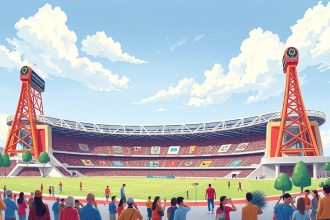

Innovations Shaping the 2026 World Cup Experience
The anticipation for the 2026 World Cup is reaching new heights as the United States, Canada, and Mexico prepare to co-host this renowned tournament. This global event not only highlights the extraordinary skills of soccer athletes from around the world but also positions itself as a testing ground for cutting-edge innovations in stadium design and technology. These advancements promise to transform the fan experience, ensuring that spectators both in attendance and watching from afar enjoy unprecedented access and engagement.
Smart Stadium Technologies
One of the most groundbreaking developments anticipated for the tournament is the integration of smart stadium technologies. These innovations will include mobile applications designed for seamless navigation within the venue, providing real-time updates on game stats, player information, and concession availability. For instance, fans can receive alerts about crowd levels at different entrances, minimizing wait times and enhancing their overall experience. Imagine entering a stadium with an app that not only helps locate your seat but also suggests the quickest route to the nearest restroom or food stand!
Green Initiatives
In today’s environmentally conscious society, the 2026 World Cup is set to make a significant impact through its green initiatives. Stadiums will be constructed and renovated using eco-friendly materials, with an emphasis on sustainability. One particularly exciting development is the implementation of solar energy solutions, which can power stadium lighting and electronic displays. This commitment to reducing carbon footprints not only inspires positive environmental practices but also encourages fans to think about sustainability in their own lives.
Enhanced Connectivity
As fans increasingly rely on digital connectivity, stadiums will be equipped with state-of-the-art Wi-Fi and 5G capabilities. This infrastructure ensures uninterrupted access to social media, live statistics, and streaming options, allowing attendees to share their experiences in real-time. For example, with lightning-fast connectivity, fans can instantly upload photos or videos from the match, enabling them to capture and share lasting memories.
Revolutionizing the Fan Experience
Beyond technological advancements, stadium design will prioritize comfort and visibility for those in attendance. Innovative seating arrangements, including options for both social engagement and privacy, will cater to a diverse range of fan needs. Additionally, advancements in augmented reality experiences will enhance live events, allowing spectators to access interactive content during matches. This feature could include player statistics or instant replays displayed on personal devices, providing insights that deepen their understanding of the game.
Immersive Viewing Options
Another compelling innovation is the introduction of VR viewing options, which will enable fans to watch matches from various angles and perspectives, regardless of where they are seated. This immersive viewing experience can enhance the excitement of the game, making fans feel like they are right in the action. Furthermore, dynamic lighting systems are expected to transform how games are experienced, creating unique atmospheres that correspond with key moments, such as goals, thereby mesmerizing the audience.
As these innovative features converge, they represent a glimpse into how the World Cup stadiums of 2026 will not only meet but exceed the expectations of modern audiences. With a strong focus on sustainability, advanced technology, and an unparalleled fan experience, the upcoming tournament is poised to set new standards in sports architecture and event hosting. The world will soon witness how these innovations unfold, making the 2026 World Cup not just a tournament but a landmark event in sports history.
The Future of Sports Architecture
The evolution of stadium design and technology is set to reach new heights with the incorporation of innovative features in the 2026 World Cup stadiums. As architects and engineers collaborate, they are utilizing advanced design techniques and materials that not only enhance aesthetics but also significantly improve functionality. One notable trend is the emphasis on multi-purpose venues that can host a variety of events beyond soccer, such as concerts and community gatherings. This flexibility allows venues to remain vibrant and economically viable long after the final whistle of the World Cup.
Biophilic Design Concepts
In an effort to create a more harmonious experience for fans, the integration of biophilic design concepts is gaining momentum. These principles focus on incorporating natural elements into the stadium environment, creating calming aesthetics that reflect the local ecosystem. Key features might include:
- Living Walls: Vertical gardens and plant installations that improve air quality and provide a scenic backdrop.
- Natural Light: Extensive use of glass to maximize daylight exposure, reducing reliance on artificial lighting.
- Water Features: Incorporating ponds and fountains to enhance the ambiance and contribute to cooling strategies.
Such innovations encourage sustainability and enhance the overall atmosphere, making the viewing experience more enjoyable for fans. By utilizing designs that connect more closely with the natural environment, the 2026 World Cup stadiums will not only function as sports arenas but also engage spectators in a meaningful dialogue about ecology and wellness.
Fan-Centric Amenities
The push for fan-centric amenities is another focal point of the 2026 World Cup stadium revolution. Architects are paying close attention to comfort and amenities, ensuring spectators have everything they need for an enjoyable experience. Some expected highlights include:
- Family Zones: Dedicated areas for families, complete with child-friendly activities and spaces that enhance accessibility.
- Hospitality Suites: Luxurious viewing options that offer gourmet dining and exclusive services, creating a VIP experience.
- Interactive Zones: Engaging spaces equipped with virtual reality and gaming stations, providing entertainmentbefore and after the match.
These amenities not only enhance the experience for individual fans but also foster a vibrant community atmosphere during events. As a result, they create a more inclusive environment, ensuring that every attendee feels valued and entertained.
As we look toward the future, the combination of biophilic designs and fan-centric amenities will play a significant role in defining the stadiums of the 2026 World Cup. The anticipation of embracing these innovative technologies and features is not just about enhancing the matches themselves, but also about crafting a memorable experience that celebrates the essence of soccer. Whether in Los Angeles, Toronto, or Mexico City, these stadiums are set to become landmarks of innovation, bringing fans from around the world closer to the games they love.
Innovative Technologies and Features in 2026 World Cup Stadiums
The 2026 World Cup is set to showcase some of the most innovative technologies and features ever seen in stadium design and functionality. As hosts across the United States, Canada, and Mexico prepare, unique advancements aim to enhance the overall spectator experience and optimize stadium performance.
| Feature | Description |
|---|---|
| Smart Stadium Systems | Integration of IoT technology to enhance connectivity and management. |
| Sustainable Energy Solutions | Use of solar panels and rainwater harvesting systems to minimize environmental impact. |
| Augmented Reality Experiences | AR applications providing enhanced views and real-time stats for fans. |
| Advanced Safety Features | State-of-the-art surveillance and emergency response systems for visitor security. |
These technologically advanced stadiums will not only host thrilling matches, but also redefine how fans engage with the game. From improved safety to immersive entertainment, the 2026 World Cup promises to be a landmark event in sporting history. The integration of these innovative features represent a commitment to both performance and sustainability that reflects the evolving landscape of modern sports facilities. As we approach this exciting new era, each stadium will tell a unique story through its architecture and technological prowess, inviting fans worldwide to be part of this incredible journey.
Smart Stadiums: The Era of Connectivity
As technology integrates deeper into our daily lives, the concept of smart stadiums is emerging as a vital component in the design of venues for the 2026 World Cup. These interconnected arenas will leverage cutting-edge technology to enhance the fan experience from the moment they arrive, ensuring a seamless visit. Key features of smart stadiums are expected to include:
- 5G Connectivity: High-speed, ultra-reliable wireless communication will allow fans to share their experiences in real-time, stream content, and access interactive features without lag.
- Mobile Apps: Customizable applications will serve as a one-stop shop for fans, offering ticketing, seating maps, live updates, and on-demand services like food and merchandise ordering.
- IoT Integration: The Internet of Things (IoT) will connect various stadium amenities, enabling smart crowd management, resource allocation, and enhanced security measures.
With real-time data collected from sensors throughout the stadium, management can anticipate issues and streamline operations, leading to a more efficient and enjoyable experience for attendees.
Sustainability Through Innovation
The stadiums of the 2026 World Cup are set to exemplify sustainability through innovative design and technology. While prior tournaments have made strides in environmental considerations, this edition will push the envelope further with features such as:
- Energy-Efficient Systems: Cutting-edge energy management systems will minimize consumption through smart technology, including solar panels and wind energy integration, ensuring the stadiums run efficiently.
- Rainwater Harvesting: Designed to collect and utilize rainwater for irrigation and other non-potable uses, this feature aims to reduce overall water demand and promote responsible resource management.
- Recyclable Materials: The use of advanced, sustainable materials in construction will not only enhance durability but will also allow for recycling and repurposing after the tournament ends.
These eco-friendliness initiatives illustrate an industry-wide commitment to reducing carbon footprints while fostering community engagement around sustainability concerns.
Immersive Experiences Beyond the Game
Preparing for the influx of visitors, the 2026 World Cup stadiums will also focus on immersive experiences beyond just the matches. Envisioned attractions include:
- Augmented Reality Zones: Fans will be able to access augmented reality features that provide insights on player statistics and historical game highlights, enriching their understanding and appreciation of the sport.
- Fan Engagement Activities: Interactive exhibits displaying the history of soccer, player memorabilia, and virtual meet-and-greets with athletes will deepen the connection fans have with the game.
- Esports Facilities: With the rise of competitive gaming, designated gaming lounges and esports arenas will cater to fans who wish to engage with sports through digital platforms.
These initiatives cultivate an environment that extends the experience beyond the stadium and allows fans to create lasting memories, fostering a deeper bond with both the sport and the venue.
As the countdown to the 2026 World Cup continues, the convergence of smart technology, sustainability, and immersive experiences indicates a transformative era in stadium design. The advancement of these features reveals an industry that is not only responding to the needs of fans but also paving the way for a more connected, sustainable future in sports architecture.
Conclusion
The 2026 World Cup promises to be a groundbreaking event, showcasing not only world-class soccer talent but also the latest in stadium innovation. The shift towards smart stadiums is set to redefine the fan experience, integrating 5G connectivity, mobile applications, and IoT technology to create a more immersive and engaging atmosphere for spectators. Enhanced digital interactions allow for seamless access to services, facilitating a smoother experience from arrival to departure.
Moreover, the emphasis on sustainability within stadium design reflects a growing consciousness about the planet. Utilizing energy-efficient systems, rainwater harvesting, and recyclable materials underscores a collective commitment to reducing environmental impacts and fostering community responsibility. These initiatives are not merely trends but essential elements driving the future of sports architecture.
In addition to eco-friendly practices, the introduction of immersive experiences ensures that fans enjoy a multifaceted event. Features such as augmented reality zones and dedicated areas for esports will attract diverse audiences, broadening the appeal of the tournament beyond traditional match viewing.
As we anticipate this historic gathering, it is evident that the 2026 World Cup will be more than just a sporting event; it will be a celebration of innovation, sustainability, and community engagement that invites fans to connect with soccer in unprecedented ways. Ultimately, these advancements promise a future where sporting events are not only enjoyed but also seamlessly integrated into the fabric of modern life.