
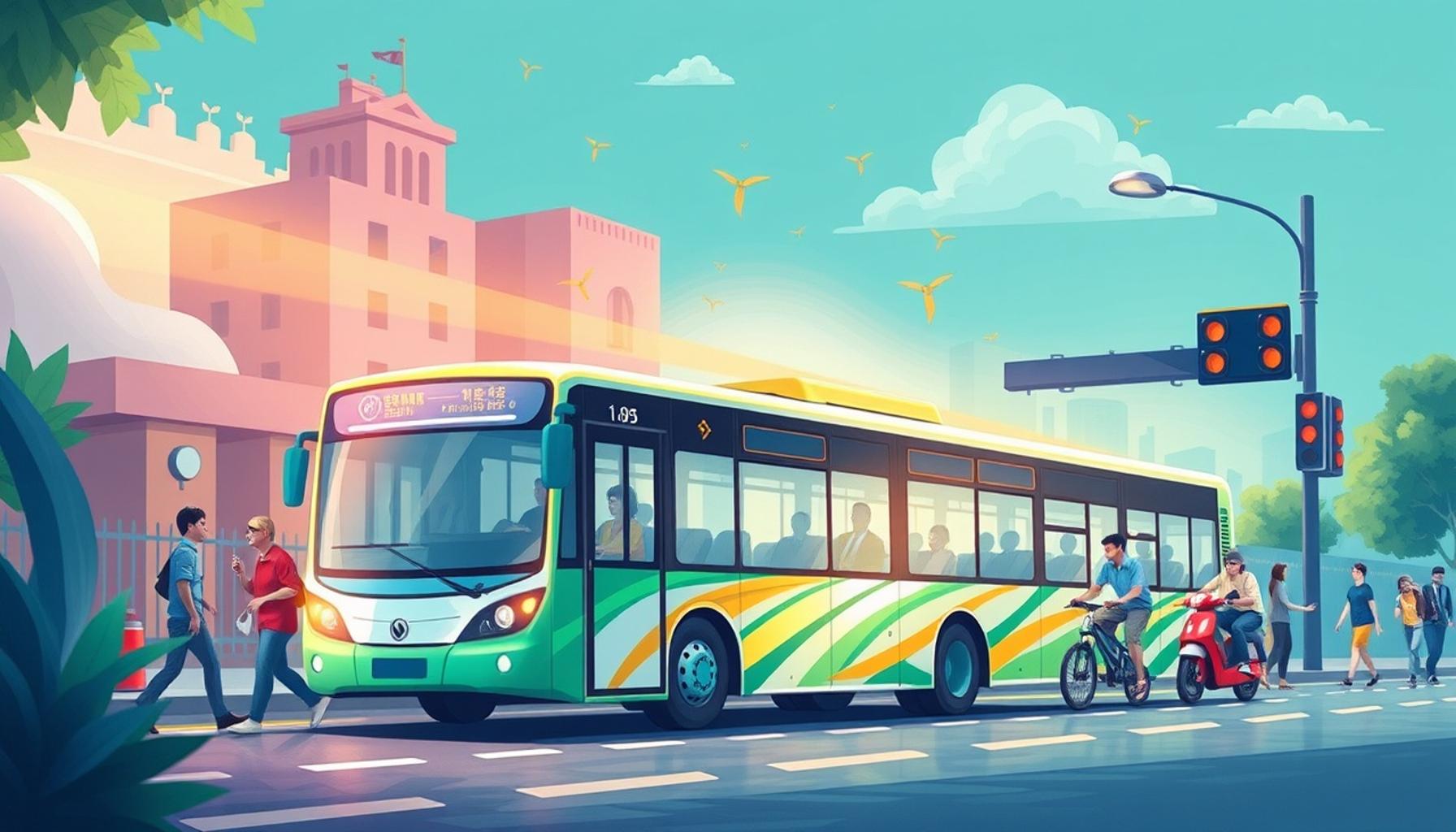
Enhancing Event Accessibility Through Sustainability
As major events draw crowds, the demand for effective transportation solutions intensifies. In the midst of this, the emphasis on a sustainable transportation system has never been more critical. Fans not only expect convenience but also a commitment to environmental responsibility. In a time where climate change and pollution are pressing global issues, incorporating sustainable travel options into event planning has become not just beneficial, but essential.
The implementation of sustainable transport options can profoundly impact event experiences, elevating overall satisfaction while simultaneously addressing environmental concerns. Key benefits of such systems include:
- Reduced carbon footprint: Implementing eco-friendly transport options, such as electric buses, hybrid shuttles, or low-emission vehicles, can significantly minimize greenhouse gas emissions. For instance, the 2022 Super Bowl hosted in Los Angeles saw the use of electric buses and incentives for carpooling, demonstrating a commitment to lower environmental impact.
- Enhanced accessibility: Public transit systems and bike-sharing programs can dramatically improve access for attendees of all backgrounds. In places like Denver, for example, extensive light rail services cater to larger populations, enabling easy access to major venues without the stress of parking headaches.
- Community engagement: Involving local transport initiatives not only fosters a sense of connection but also promotes economic growth. Collaboration with local bike shops or ride-share companies enhances community relationships and galvanizes local business participation, leading to a shared investment in event success.
Many cities across the United States have embraced these solutions, particularly during notable sporting events and festivals. Take Portland, Oregon, for example; the city features an extensive network of bike lanes and public transportation options that promote healthier lifestyles while reducing traffic congestion. Events like the Portland Rose Festival have taken advantage of these systems, encouraging attendees to bike or use transit services through coordinated marketing efforts.
By prioritizing a sustainable transportation system, organizers not only cater to fan convenience but also stand at the forefront of environmental stewardship. This progressive approach can set new benchmarks for future events, inspiring changes that ripple far beyond just one-time gatherings. Additionally, stakeholders can capitalize on these initiatives to create lasting partnerships with environmental organizations and advocacy groups, further enhancing the sustainability appeal of their events.
The journey toward sustainable fan transportation is only just beginning, yet the potential rewards are significant. As we look towards the future of event management, a commitment to sustainability may be one of the most impactful choices organizers can make, paving the way for a greener, more accessible tomorrow.
Innovative Approaches to Fan Mobility
The core of a successful sustainable transportation system lies in its ability to facilitate seamless and eco-friendly mobility for event attendees. With the growing shift towards sustainability, event organizers are exploring innovative transportation alternatives that not only reduce environmental impact but also enhance the overall experience for fans. This commitment to greener methods of transit is becoming a hallmark of modern event planning.
One compelling approach is the integration of shared mobility services. These solutions facilitate carpooling and ridesharing, encouraging fans to share their journeys. Platforms like Uber and Lyft have recognized this trend and have started to implement features aimed at promoting eco-friendly transportation. Through incentives for users who opt for shared rides, these companies are not only easing traffic congestion but also lessening the carbon emissions associated with large gatherings. For example, during the recent NFL draft in Las Vegas, ride-share companies offered incentives for fans traveling together, leading to a noticeable decrease in individual vehicle use.
Another promising initiative is the enhancement of shuttle services utilizing electric vehicles. By replacing traditional fuel-powered shuttles with electric options, events like music festivals and sporting events are taking proactive steps towards reducing their carbon footprints. In 2021, the Atlanta Music Festival implemented an electric shuttle program that transported fans from various city locales to the event venue, showcasing a sustainable model that other cities are now eager to replicate.
Event organizers are also increasingly turning to public transportation partnerships as a foundation for their sustainable transport strategies. Collaborations with local transit authorities can streamline access to venues and encourage attendees to use existing public transport systems. A remarkable example is the partnership forged between Chicago’s public transit and the organizers of the annual Lollapalooza festival, which provided special fare discounts and additional service hours to accommodate the influx of fans. Such collaborations not only promote public transport usage but also create a more unified and convenient travel experience for attendees.
Moreover, the rise of bicycle transport systems has revolutionized how fans navigate their way to events. Cities like Minneapolis and San Francisco have established bike-sharing programs that allow event attendees to rent bicycles for the day. Conferences and festivals held in these regions often promote cycling as an alternative to driving or using public transport, showcasing the environmental benefits while encouraging healthy lifestyles. For instance, during the Grand Old Opry concert series in Nashville, bike parking facilities and rental stations saw a significant uptick in usage, affirming the effectiveness of integrating biking into event transportation planning.
As the demand for sustainable transportation systems grows, it will become increasingly crucial for event planners to adopt these strategies. The benefits are clear: reduced congestion, enhanced accessibility, and a marked decrease in environmental harm. By prioritizing and investing in sustainable transportation options, organizers are not only meeting the expectations of today’s conscious consumers but also ensuring a brighter future for upcoming generations. With continued innovation, the events of tomorrow could redefine what it means to travel sustainably.
Introduction of a Sustainable Transportation System for Fans during the Event
As cities evolve and global awareness of environmental issues increases, the introduction of a sustainable transportation system for fans during major events is gaining momentum. This innovative approach not only enhances the experience for attendees but also contributes to a greener planet. By integrating various eco-friendly transport options, event organizers can facilitate smooth travel while significantly reducing the carbon footprint associated with mass gatherings.
The concept of sustainable transportation encompasses a range of solutions, including electric shuttles, bike-sharing programs, and improved public transport services. Emphasizing these modes not only promotes a healthier lifestyle among fans but also encourages them to make more environmentally conscious choices. Remarkably, studies have shown that the adoption of such systems can lead to a decrease in traffic congestion and lower emissions, making events more enjoyable for everyone involved.
| Advantages | Description |
|---|---|
| Environmental Impact | Reduction in carbon emissions through eco-friendly transport options. |
| Enhanced Fan Experience | Improved accessibility and convenience resulting in a more enjoyable event. |
Moreover, implementing these sustainable transportation initiatives can provide significant long-term benefits to the community. This not only attracts more events but fosters local growth through a focus on sustainability. As we embrace the future of event planning, the implementation of a sustainable transportation system paves the way for a cleaner, more efficient, and enjoyable experience for all fans attending.
Leveraging Technology for Enhanced Fan Experience
As cities embrace technological advancements, the fusion of smart technology with sustainable transportation offers a tantalizing glimpse into the future of event mobility. The incorporation of mobile apps tailored for event transportation plays a pivotal role in streamlining logistics, allowing fans to quickly find their best travel options. Recent studies indicate that app-based transportation can reduce waiting times significantly, making it more likely that fans will opt for greener alternatives.
Real-time updates on public transit schedules and shuttle services can direct fans to the quickest routes, all while promoting environmentally friendly options over personal vehicles. Festivals like Coachella have already employed technology to keep attendees informed about available transportation, utilizing a dedicated app that provides real-time information regarding shuttle arrivals and departure times, alleviating the need for individual car use.
Electric scooters represent another fascinating facet of sustainable transport during events. Cities across the United States, including Los Angeles and Austin, have seen the emergence of scooter-sharing programs that promote short-distance travel among fans. These scooters provide a quick, flexible, and fun way for attendees to navigate their surroundings, particularly in large venues where distances between event sites may be substantial. Major sporting events, like the Super Bowl, have begun to include electric scooters as a viable transport option, allowing fans to swiftly access tailgating areas or stadium entrances while minimizing their carbon footprint.
In addition, the concept of mobility hubs is gaining traction, offering centralized points where various sustainable transportation modes converge. These hubs serve as a seamless transition point for fans, allowing them to switch easily from bike-sharing to public transport or electric shuttles. An exemplary case is the initiatives taken during the 2019 NBA All-Star Game in Charlotte, North Carolina, where designated mobility hubs were created around the venue, facilitating easy access for fans and encouraging multi-modal transportation solutions.
Furthermore, the growing focus on carbon offset programs is making an impactful statement within the event-planning world. Some organizations are choosing to partner with environmental groups to plant trees or invest in renewable energy projects as a way to counterbalance the transportation emissions of event attendees. By offering attendees options to contribute to these programs during ticket purchases, organizers incentivize fans to consider the environmental impact of their travel choices.
Educational campaigns also play a critical role in fostering a culture of sustainability. By incorporating messaging about the benefits of sustainable transportation into promotional materials and on-site signage, events can inspire attendees to make greener choices. A notable example is the Strategy for the 2020 Tokyo Olympics, where organizers aimed to not only provide eco-friendly transportation options but also educate attendees on their environmental impacts, linking sustainable actions to a broader global narrative.
As the sustainable transportation landscape continues to evolve, event organizers have a unique opportunity to set a precedent. By adopting a multi-faceted approach that integrates technology, shared services, mobility hubs, and educational initiatives, they can create a robust transportation ecosystem that genuinely prioritizes both fan experience and ecological integrity. The way forward lies in the commitment of stakeholders to innovate and invest in a transportation framework that not only meets the demands of today’s audiences but also paves the way for sustainable events of the future.
Conclusion: Paving the Path for Sustainable Event Transportation
The introduction of a sustainable transportation system for fans during events represents not only a response to environmental concerns but also an opportunity for enhanced attendee engagement. By prioritizing eco-friendly options, event organizers can profoundly influence fan behavior, steering them towards more sustainable travel choices. The effective implementation of smart technology, such as mobile applications and real-time transit updates, paves the way for smoother logistics and improved fan experiences, ultimately transforming the way attendees access events.
Emerging concepts like mobility hubs and electric scooters create a multifaceted transportation landscape that can accommodate diverse needs. These initiatives provide quick, versatile, and enjoyable alternatives to conventional modes of travel, reflecting a shift in cultural attitudes towards sustainability. The integration of carbon offset programs and educational campaigns further emphasizes the role of fans as contributors to environmental stewardship.
As event planners look towards the future, the challenge lies in fostering collaboration among stakeholders to create a cohesive strategy that emphasizes both accessibility and sustainability. By continually innovating and investing in transportation solutions, event organizers can set new benchmarks for sustainable practices that resonate within local communities. As fans increasingly seek to participate in events that prioritize ecological responsibility, the commitment to a sustainable transportation system will not only enhance the overall event experience but also play a vital role in protecting our planet.
The time is ripe for transforming event transportation; let us embrace this evolution and propel ourselves towards a more sustainable future.